

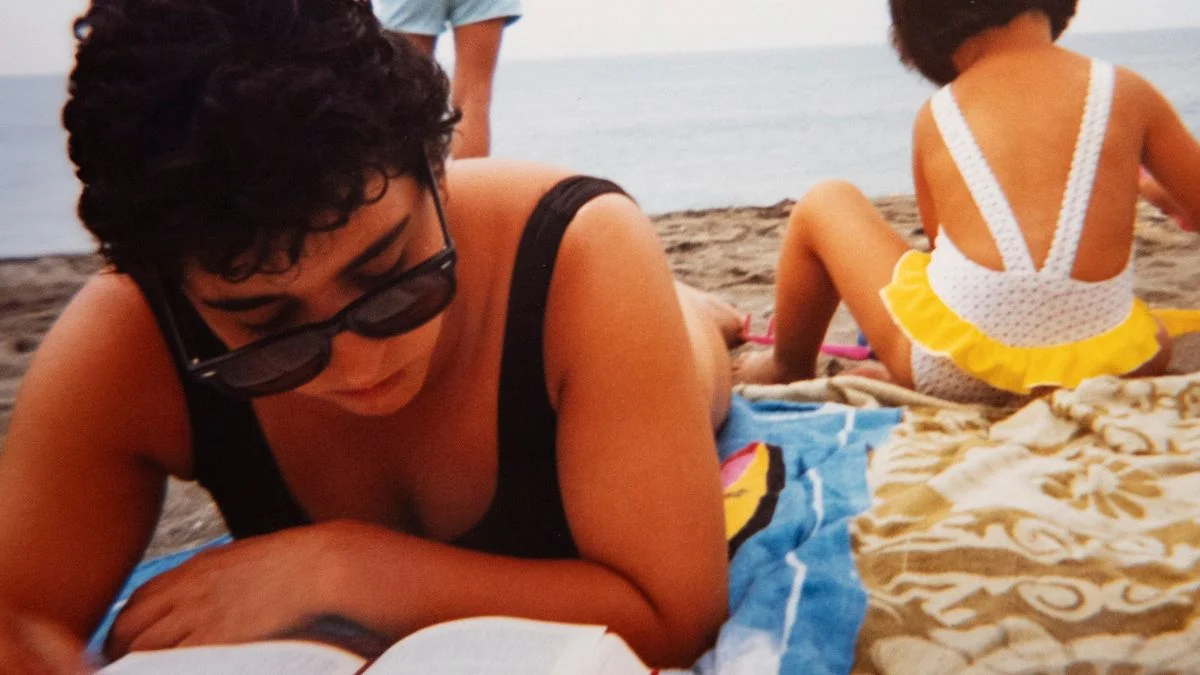
Introduction: The Pressure of the "Perfect" Vacation
For many families, the annual holiday is not merely a break from the routine; it is the most anticipated, heavily invested, and high-stakes period of the year. As the school year draws to a close, parents find themselves standing at a crossroads of logistics and expectations. The fundamental question remains: How does one plan a trip that is genuinely restorative for adults while remaining engaging for children?
With the launch of SPIEGEL TRAVEL, we are diving deep into the science and sociology of the family vacation. The goal is to move beyond the glossy brochures and curated Instagram feeds to address the core challenges of modern travel. Whether it is an all-inclusive resort, a rugged hiking trip in Cornwall, or a high-speed city-hopping adventure via rail, the ambition is universal: to return home with the feeling that, for once, everything was "just right."
The Sociology of Leisure: Expert Perspectives
To understand what makes a family vacation successful, we must look to those who study human behavior in the context of leisure. Kerstin Heuwinkel, a professor of Tourism Sociology at the HTW Saar, offers a unique vantage point. As both an academic and a mother of four children—ranging from 14 to 31 years of age—Heuwinkel has spent years analyzing how group dynamics shift when the environment changes.
"The planning stage is often where the vacation is won or lost," Heuwinkel explains. "Families often fall into the trap of over-planning or, conversely, failing to align the needs of different age groups. A successful trip is not about filling every hour with activities; it is about creating a shared experience that allows for both connection and autonomy."
Chronology of a Successful Vacation: From Planning to Return
Planning a family trip is an exercise in managing anticipation. According to behavioral travel research, the cycle of a vacation can be broken down into distinct phases:
Phase 1: The Decision-Making Process (3–6 Months Out)
This is the period of high excitement and significant negotiation. The "choice" is the most critical hurdle. Research suggests that involving children in the decision-making process increases their investment in the trip, leading to higher satisfaction levels. However, experts warn against total democratic freedom. "Parents must set the boundaries—budget, location, and travel style—and then allow children to choose between specific options within those parameters," says Heuwinkel.
Phase 2: The Anticipation Phase (1–3 Months Out)
The "holiday glow" begins long before the suitcase is packed. This phase is crucial for mental well-being. By engaging in shared planning—researching local foods, learning a few phrases in a foreign language, or mapping out potential sights—families extend the duration of the "vacation effect," which often provides a psychological boost equivalent to the trip itself.
Phase 3: The Execution (The Trip)
The most common point of failure in family travel is the "itinerary fatigue" syndrome. Families often attempt to replicate a professional travel schedule, cramming multiple sites into a single day. This rarely works with children, who require downtime and spontaneous play. The key, according to modern tourism studies, is "flexibility by design."
Phase 4: The Integration (Post-Trip)
The final stage is the return home. A common mistake is the "re-entry shock," where families return to work and school the day after landing. Experts recommend a "buffer day" to allow for decompression and the transition back into daily routines.
Supporting Data: What Data Tells Us About Family Happiness
Recent studies into tourism sociology indicate that the primary driver of vacation satisfaction is not the luxury level of the accommodation, but the "social cohesion" experienced during the trip.
- The 70/30 Rule: Data suggests that families who spend 70% of their time on planned group activities and 30% on independent or downtime activities report 40% higher levels of reported "vacation happiness."
- The Digital Detox Factor: Families that implement a "device-free" policy for at least four hours per day during their vacation reported a significantly higher quality of interaction and recall of positive memories compared to those who maintained regular screen time.
- Cost vs. Quality: While higher spending is often associated with more comfortable logistics, there is a "plateau effect." Beyond a certain price point, the marginal gain in happiness diminishes significantly, as the stress of managing high-cost, high-expectation travel begins to outweigh the benefits.
Official Responses and Industry Trends
The travel industry has taken note of these shifts. Luxury resorts and budget-friendly tour operators alike are pivoting toward "experiential travel." The days of the static kids’ club are evolving into "family enrichment programs" that involve parents and children learning a skill together, such as cooking, pottery, or environmental conservation.
"The demand is shifting from passive observation to active participation," says a representative from the European Travel Commission. "Families no longer want to just visit a location; they want to integrate into the local rhythm. This is why we are seeing a massive surge in the popularity of multi-generational travel and home-stay models."
Implications: The Future of Family Travel
What does this mean for the future of how we take our breaks?
1. The Rise of "Slow Travel"
As environmental concerns and the desire for deeper connections grow, "slow travel"—staying in one place for longer rather than rushing through multiple cities—is becoming the new gold standard. It reduces the stress of transit and allows children to form a temporary "home" in a new environment, which is significantly less taxing on the family unit.
2. Redefining "Rest"
We must move away from the binary of "adventure vs. relaxation." A trip can be both. The modern approach to travel involves a modular itinerary that accounts for the "energy budget" of every family member. If the teenagers are exhausted, the itinerary should permit a late start, even if that means missing a scheduled museum tour.
3. Sustainability as a Core Value
The next generation of travelers is highly conscious of their footprint. Teaching children about the environmental impact of travel is becoming an integral part of the family holiday experience. Whether it is opting for trains over short-haul flights or supporting local, family-owned businesses instead of global chains, these choices provide a moral dimension to the vacation that can foster a sense of shared purpose.
Conclusion: Crafting Your Own Journey
Ultimately, the perfect vacation is a myth, but a successful one is entirely attainable. It requires shedding the ego of the "perfect parent" and embracing the inevitable bumps in the road as part of the family narrative.
As Professor Heuwinkel suggests, "The most cherished memories of a family holiday are rarely the ones that went exactly to plan. They are the moments of unexpected discovery, the shared laughter in the face of a travel delay, and the quiet evenings spent together in a place that felt, however briefly, like home."
As you look toward your next departure, remember: the goal is not to escape your life, but to ensure that your life doesn’t escape from you. Pack light, stay flexible, and prioritize the people beside you over the attractions ahead of you. The rest will follow.


















Leave a Reply