Belgrade, Serbia – November 5, 2026 – In the wake of a stunning electoral victory by the "Student List" movement, Serbia’s media landscape, long dominated by state-aligned propaganda, is experiencing its first significant tremors of change. The Regulatory Authority for Electronic Media (REM) has issued initial sanctions against two prominent pro-government television channels, marking a symbolic yet crucial step towards reclaiming independent journalism in the nation. The move, while cautiously welcomed by media watchdogs, signals a potential recalibration of information dissemination after years of what many have described as a "media darkness" orchestrated by the outgoing administration.
The Immediate Aftermath: A Symbol of Shifting Power
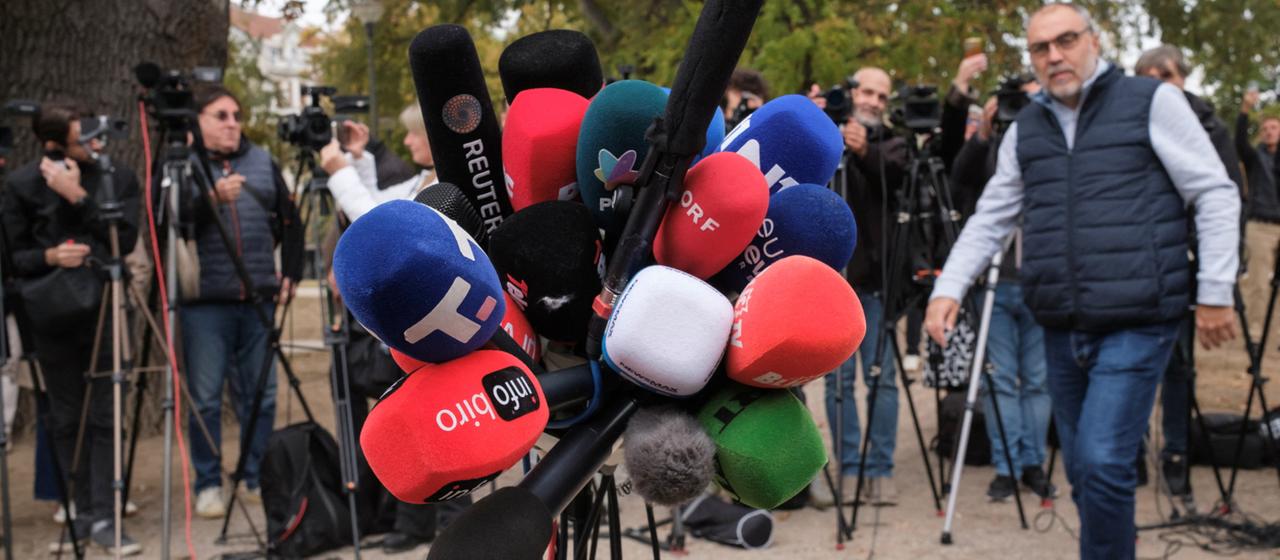
The scene outside the REM headquarters in Belgrade on Wednesday was a stark visual representation of the political upheaval. Ana Brnabić, the interim President and a staunch ally of the former authoritarian leader Aleksandar Vučić, stood fuming amidst a crowd of protesters. In a dramatic display, she positioned herself as a defender of press freedom, decrying the REM’s decision as an assault on democratic principles.
"I stand here for media freedom. No matter which medium they shut down, I would always be here," Brnabić declared, her voice amplified by microphones. "Today, they are shutting down media freedom in Serbia. Next, freedom of thought will be silenced, and then people will no longer be able to think for themselves. Is this democracy? Is this the rule of law? No, it is the terror of the Student List!" Her impassioned plea, however, rings hollow to many who witnessed her decade-long service to Vučić, during which she occupied key ministerial, prime ministerial, and parliamentary leadership roles. Under her tenure, and that of Vučić himself, over 90 percent of Serbian media outlets were brought under the control of the ruling party, effectively transforming them into instruments of state propaganda.
A History of Media Control: From "Vucic’s Propaganda Machine" to Regulatory Scrutiny
For years, independent experts have characterized Serbia’s media environment as a "media darkness," a "Vucic propaganda machine" that systematically stifled dissent and promoted a narrative of unwavering leadership. The REM, under Vučić’s influence, had largely remained a passive observer, failing to act against the state’s pervasive control over the media apparatus. Wednesday’s session, however, marked a departure from this entrenched pattern.
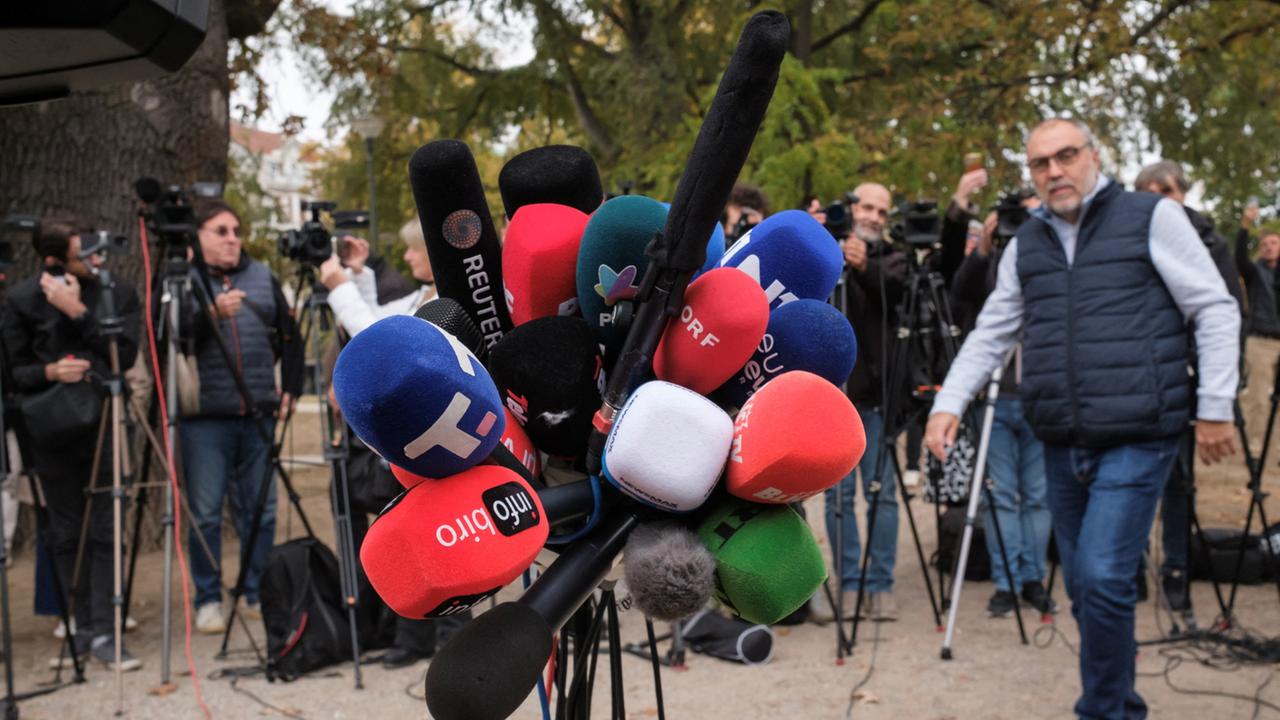
The crucial hearing involved Dragan Vučićević, the controversial owner and chief propagandist of Informer, a tabloid newspaper and television channel widely regarded as Vučić’s most ardent mouthpiece. Vučićević, a figure notorious for his inflammatory rhetoric, had previously used his platform to label representatives of the student protest movement as "terrorists," "fascists," and derogatory slurs. His appearance before the REM was a moment of reckoning, a public confrontation with the regulatory body that had, until now, largely served the interests of the ruling elite.
Informer’s Theatrical Defense: A Glimpse into the Propaganda Playbook
The proceedings against Informer were anything but routine. As Vučićević entered the REM session, streamed live online, he immediately launched into a tirade, demanding space for his legal team and cameras, and accusing the authority of seeking to "cut off his head" and "pass judgment" on him. "Shame on you! Look me in the eyes," he bellowed, setting a combative tone that characterized the subsequent hour.
Despite Vučićević’s theatrical outburst, the REM members remained composed. Their unanimous decision imposed a seven-day broadcast ban on Informer’s morning program, "Prva Info." The stated reason for the sanction was a violation of the pre-election silence period by a moderator, who allegedly influenced viewers with her personal political opinions. This specific violation, while seemingly minor, underscored the broader issue of partisan influence within media content.
A Mild Sanction, But a Significant Precedent
Rade Djurić, from the independent Serbian Journalists’ Association (NUNS), cautiously welcomed the REM’s decision, emphasizing its symbolic importance. Speaking to the independent Serbian television channel N1, Djurić stated, "This is about one of the most important segments for a functioning legal system in Serbia. The media regulatory authority, which must be absolutely independent, has decided on a first measure against a propaganda medium that has sown hatred and misinformed citizens."
He added, "And I hope that this measure was only the beginning. Because it is a mild punishment. We expect it to continue."
The REM itself indicated that the sanctions might be extended to other Informer TV formats. Furthermore, Prva TV, another channel known for its pro-government stance, also faced repercussions. Prva was banned from broadcasting its news program "Vesti" for one day and its morning show "Jutarnji Program" for five days, also for violations related to pre-election silence and impartiality.
The Road Ahead: Navigating the Transition to a Free Press
While these initial sanctions represent a significant symbolic victory for those advocating for media freedom in Serbia, the path towards a truly independent and pluralistic media landscape remains challenging. The formation of a new government by the Student List movement is expected to take several months, a period during which the old structures of media control may attempt to reassert their influence.
The effectiveness of the REM in its newfound role as an independent regulator will be closely scrutinized. The extent to which it can withstand political pressure and consistently enforce journalistic standards will determine whether Serbia can truly move beyond its "media darkness." The Student List’s commitment to democratic reforms, particularly in the crucial area of media freedom, will be a defining factor in shaping the nation’s future. The challenge now lies in transforming these initial regulatory actions into a sustained commitment to journalistic integrity, ensuring that the voices of citizens are heard through objective reporting rather than state-sponsored propaganda. The world watches to see if Serbia can finally emerge from the shadows of misinformation and embrace a future where truth and independent journalism prevail.