


As the Northern Hemisphere enters the winter months of 2026, health authorities are once again emphasizing the critical importance of the annual influenza vaccination. With a protection rate currently hovering around 41 percent, the vaccine remains the most effective tool for mitigating severe illness, particularly among the elderly and those with chronic health conditions. This guide examines the mechanics of the current vaccination effort, why annual updates are necessary, and the cutting-edge research that could one day render the "annual" shot a thing of the past.
Main Facts: The Core of Influenza Protection
The influenza virus is a master of disguise. Its ability to undergo "antigenic drift"—a process where the virus accumulates small genetic mutations—means that the strain circulating this winter is likely different from the one that dominated last year. Consequently, the World Health Organization (WHO) and regional health authorities like the German Standing Committee on Vaccination (STIKO) monitor global viral trends to update the vaccine’s composition every year.
For the 2026/27 season, medical experts advise that the optimal time to receive the vaccination is no later than December. While the vaccine does not offer a 100% guarantee against contracting the flu, its clinical value lies in its ability to prevent the most dangerous outcomes: hospitalization, pneumonia, and death. Data indicates that even when vaccinated individuals do fall ill, their symptoms are frequently milder and the duration of the illness is significantly shorter.
Chronology: From Seasonal Necessity to Potential Universal Immunity
The history of the flu vaccine has been one of constant adaptation. Since the widespread adoption of influenza vaccines in the mid-20th century, the process has remained largely unchanged: scientists identify the most likely dominant strains for the coming season, cultivate them in chicken eggs, and produce a cocktail of inactivated viruses.
The Current Landscape (2026)
We are currently in a period of high reliance on traditional, egg-based production. However, this year marks a notable transition in manufacturing strategy. As pharmaceutical companies like GlaxoSmithKline (GSK) move to consolidate or close legacy facilities—such as the historic plant in Dresden—the industry is being forced to pivot toward more modern, cell-based manufacturing techniques. These methods are not only faster but also circumvent the reliance on hundreds of millions of chicken eggs, offering a more scalable solution for global health security.
The Path to "Universal" Protection
The most exciting development in the current timeline is the emergence of "universal" vaccine candidates. Research groups, such as those at the Jackson Laboratory, are moving beyond traditional antibodies that target the ever-changing "heads" of the virus. Instead, they are targeting the "stalk" or the Matrix-protein 2 (M2e) region—a structural component of the virus that remains highly consistent across various Influenza A strains. By "tagging" infected cells with non-neutralizing antibodies, these experimental vaccines recruit the immune system’s killer cells to destroy the infection at the source. While these are currently in the pre-clinical stages, their success in rodent models suggests a future where a single shot could provide protection for several years.
Supporting Data: Understanding the 41% Efficacy Rate
Critics of the flu shot often point to its "low" efficacy rate as a reason for vaccine hesitancy. However, epidemiologists argue that a 41% reduction in risk is statistically and clinically significant on a population level.
To visualize this: if a community of 100 people would expect 10 influenza cases during a peak season, a 41% vaccine effectiveness rate reduces that number to roughly six cases. When applied to millions of citizens, this difference prevents tens of thousands of hospitalizations and saves countless lives, while simultaneously preventing the overwhelming of healthcare systems during the winter surge.
Key Demographic Vulnerabilities
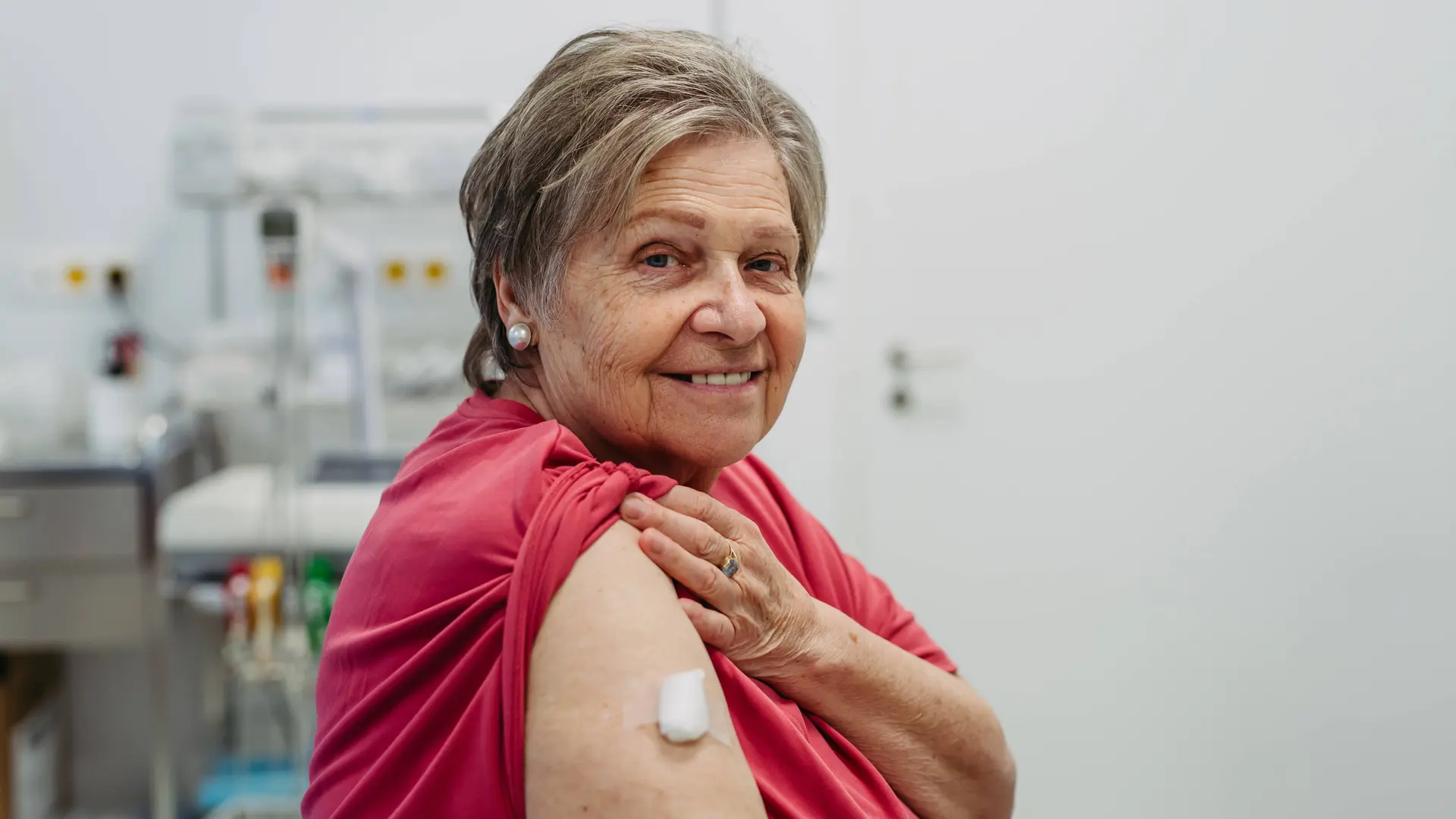
Data from the Robert Koch Institute (RKI) highlights a concerning trend: the vaccination rate among the over-60 demographic has hit its lowest point in 17 years. This is particularly alarming because, as we age, our immune response (immunosenescence) naturally declines. To combat this, STIKO now specifically recommends "high-dose" vaccines for seniors, which contain a higher concentration of antigen to trigger a more robust immune response.

Official Responses and Strategic Recommendations
Health authorities are unified in their messaging for the 2026/27 season. The strategy is to prioritize those at highest risk while ensuring broad access for the general public.
Target Groups for Vaccination:
- The Elderly (60+): High-dose vaccines are the standard to compensate for weaker immune responses.
- Chronic Patients: Individuals suffering from asthma, COPD, cardiovascular disease, diabetes, or metabolic disorders are at high risk of complications.
- Pregnant Women: Vaccinating from the fourth month of pregnancy protects both the mother and provides passive immunity to the newborn.
- Healthcare Workers: To prevent the transmission of the virus within high-risk settings like hospitals and nursing homes.
- Animal-Contact Professionals: A crucial, often overlooked group. Veterinarians, farmers, and slaughterhouse workers are advised to vaccinate to prevent "co-infection." If a human is infected with both a seasonal human flu and an avian or swine flu at the same time, there is a risk that the viruses could swap genetic material in the cell, potentially leading to a new, more dangerous hybrid virus.
Implications: The Future of Public Health
The implications of the 2026/27 season extend far beyond the immediate winter months.
1. The End of "Egg-Based" Production
The phasing out of traditional, egg-based manufacturing is a necessary evolution. The current system is slow and susceptible to supply chain shocks. Transitioning to cell-based and recombinant technologies will allow for rapid response times should a pandemic-potential strain emerge.

2. The Psychology of Vaccination
Public health officials face a dual challenge: the rise of vaccine fatigue and the spread of misinformation. It is a persistent myth that the flu vaccine can "cause" the flu. Official sources reiterate that the flu vaccine is a dead (inactivated) vaccine; it is biologically impossible for it to trigger an active infection. The symptoms some people report—such as a mild fever or muscle soreness—are actually signs of the immune system working correctly to build defenses.
3. A Holistic Approach to Winter Health
The 2026/27 strategy emphasizes that the vaccine is one pillar of a larger health framework. Hygiene measures, such as hand washing, ventilation in indoor spaces, and the voluntary use of masks during peak transmission periods, remain effective supplements to vaccination.
4. Economic and Social Impact
The economic burden of influenza—measured in lost productivity, outpatient visits, and direct medical costs—is immense. By increasing uptake, especially among the working-age population and the elderly, nations can significantly alleviate the economic strain on their health sectors.
Conclusion: A Call to Action
As we look toward the remainder of the 2026/27 season, the message is clear: the influenza vaccine remains our most reliable shield. While science moves closer to a universal, long-lasting solution, the current tools are robust enough to change the trajectory of the season for individuals and communities alike. For those in high-risk groups, or those who simply wish to avoid the debilitating impact of a severe flu infection, the path is straightforward: consult your physician, check your status, and, if eligible, schedule your vaccination before the peak of the winter surge.
The goal for this season is not just individual protection, but the collective resilience of our society against one of the oldest and most persistent viral threats to humanity.