


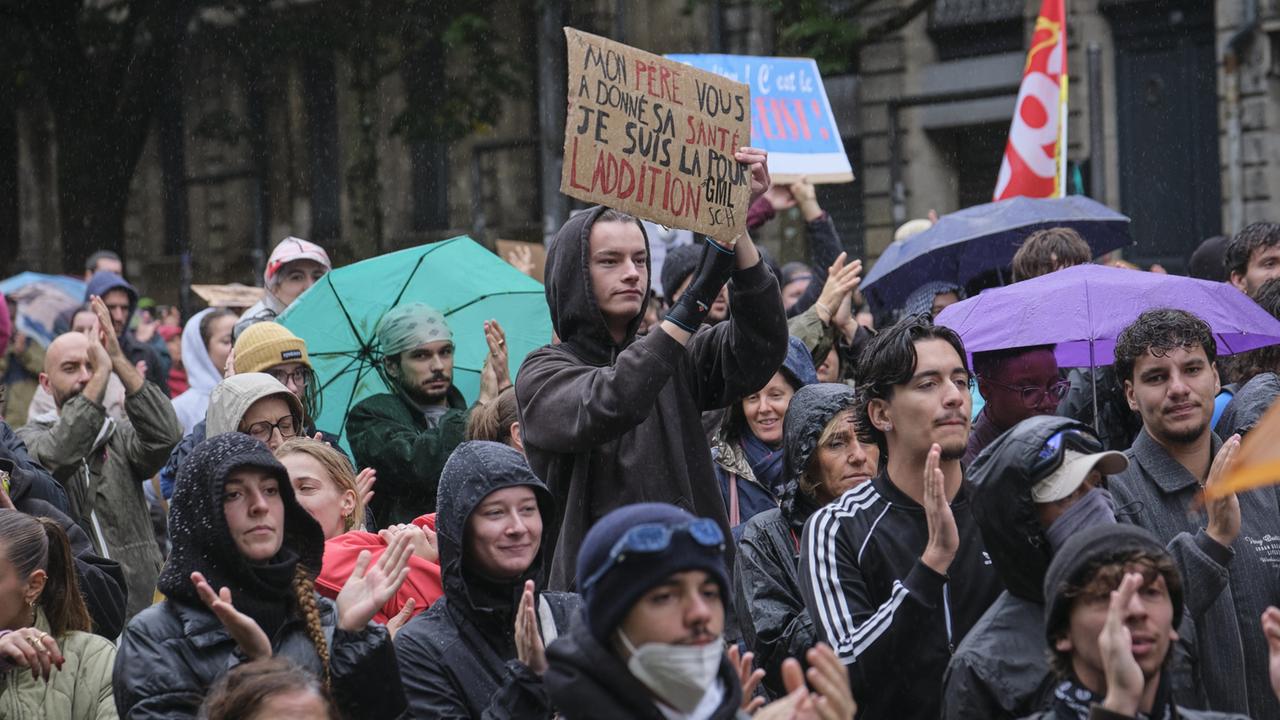
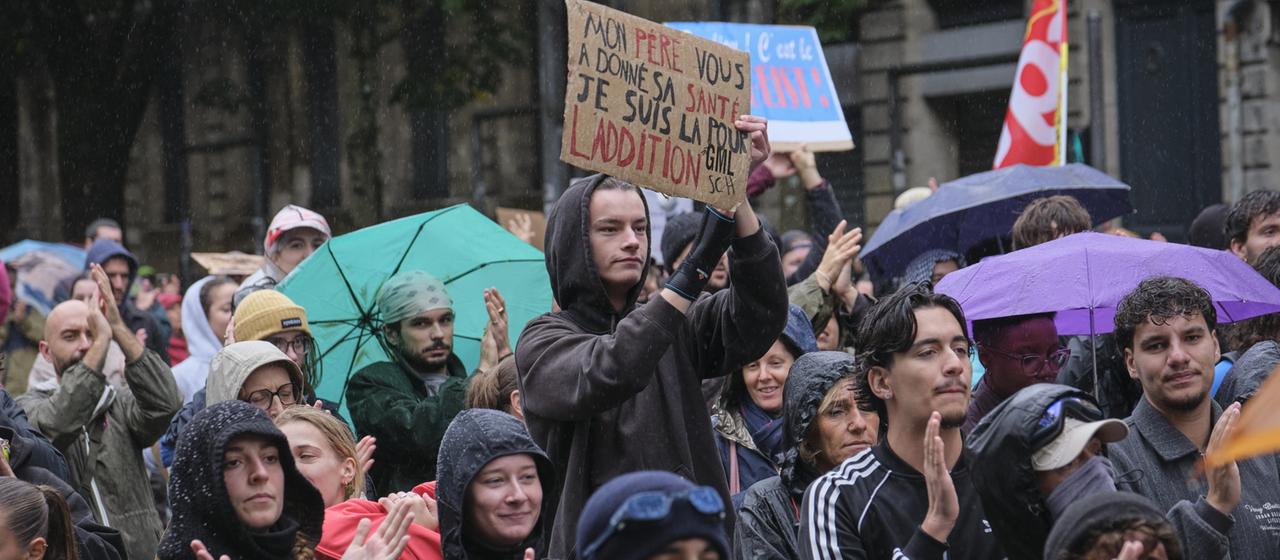
Paris, France – October 30, 2026 – France is on edge as a wave of student protests, initially focused on education policy, threatens to spill over into broader social unrest this weekend. Despite government concessions, students and their supporters deem the offered reforms insufficient, vowing to take to the streets again on Saturday, coinciding with Halloween festivities. Authorities are preparing for a potentially volatile situation, deploying a significant police presence amid fears of escalating urban violence and disruptive demonstrations.
The Core of the Discontent: A Five-Point Plan Falls Short
The current crisis stems from a series of government proposals aimed at addressing long-standing issues within the French education system. Education Minister Geffray unveiled a five-point plan earlier in the week, which included commitments to reduce class sizes, create 500 new teaching positions, allocate €4 billion for school building renovations, and reform the contentious university admissions system. While acknowledged by student representatives, these measures are widely perceived as falling short of the substantial changes demanded by a vocal and organized student movement.
The sentiment among protesters, articulated by student spokesperson Clement Vieillot, is that the government’s offerings are merely "crumbs" in comparison to their aspirations. "What we have received are merely crumbs in relation to what we have demanded," Vieillot stated, highlighting the stark discrepancy between the government’s actions and the scale of the students’ demands.
A Chronology of Escalation: From Campus Grievances to National Mobilization
The student protests, which have been simmering for weeks, represent a complex confluence of grievances. Initially, the focus was on the perceived inequities and pressures of the university admissions process, particularly the Parcoursup system, which many students view as a barrier to higher education. This concern has broadened to encompass a wider critique of the French education system’s ability to adequately prepare students for the future, address regional disparities, and ensure equitable access to opportunities.
Key Milestones:
- Early October 2026: Initial campus-level protests emerge, primarily centered around concerns regarding university admissions and perceived underfunding of educational institutions.
- Mid-October 2026: Protests gain momentum, with student unions and organizations coordinating larger demonstrations across several major cities. Calls for systemic reform begin to gain traction.
- October 23, 2026: A significant national day of protest sees hundreds of thousands of students and supporters take to the streets. While largely peaceful, isolated incidents of disruption are reported.
- October 26, 2026: Education Minister Geffray announces a five-point plan, an attempt by the government to de-escalate the situation and address key student demands.
- October 28, 2026: Student leaders express disappointment with the government’s concessions, deeming them insufficient and reiterating their commitment to further action.
- October 30, 2026: France braces for a weekend of potential unrest, with renewed calls for demonstrations and heightened security measures.
The current mobilization has also seen an unprecedented level of digital engagement, with AI-generated videos circulating on social media, depicting macabrely costumed protesters and horror figures. These visual prompts, coupled with calls for "unusual forms of protest," have raised significant concerns for law enforcement regarding the potential for unpredictable and disruptive actions.
Statistical Snapshot: The Scale of the Challenge
The government’s response to the escalating situation underscores the perceived severity of the threat. For the upcoming Saturday demonstrations, authorities have announced the deployment of 70,000 police officers nationwide, mirroring the lực lượng present during the previous weekend’s protests. This significant deployment reflects the government’s determination to maintain order and prevent widespread disruption.
Last weekend’s demonstrations saw an estimated turnout of over 400,000 people across France, predominantly engaging in peaceful protests. However, the combination of student grievances, the festive atmosphere of Halloween, and the presence of other protest groups, such as the Yellow Vests and various trade unions, creates a complex and potentially volatile environment for law enforcement.
The students’ specific demands also highlight key areas of concern within the education system:
- University Admissions: A central demand is for 250,000 new university places, a stark contrast to the 15,000 reportedly approved by the government. This disparity reflects a deep-seated concern about access and the perceived elimination of qualified candidates.
- Curriculum and Assessment: Protesters are calling for a reevaluation of how grades in specialized subjects are weighted for the final baccalaureate exams, particularly in the final two years of secondary school.
- Equity and Access: Concerns are also raised about long school days and the disadvantages faced by students from peripheral urban areas (banlieues) and overseas departments, highlighting a desire for greater social and geographical equity within the education system.
Official Responses: A Balancing Act Between Concession and Control
The French government, under President Macron, has been attempting to navigate a delicate path between acknowledging legitimate student concerns and maintaining public order. President Macron himself has publicly addressed the protests, warning of a "risky Saturday." His statements, particularly in an interview with YouTuber Hugo Décrypte, have revealed a nuanced, yet firm, stance on the limits of university access.
Key Government Statements and Actions:
- Education Minister Geffray’s Five-Point Plan: This represents the government’s primary attempt at conciliation, offering concrete measures to improve the education system.
- President Macron’s Warning: His acknowledgment of the potential for risk underscores the government’s awareness of the situation’s gravity.
- Interior Minister Nuñez’s Stance on Violence: Laurent Nuñez has explicitly stated that demonstrations in city centers will not be permitted and that the police will act with "extreme determination" against violence and looting. This signals a zero-tolerance policy for disruptive behavior.
- Higher Education Minister Batiste’s Emphasis on In-Person Learning: Philippe Batiste has stressed the critical importance of resuming in-person classes for university students, particularly first-year students, who have experienced significant disruption. He warns of a potential "mass extinction" of students at university due to the prolonged absence of face-to-face instruction.
President Macron has also pushed back against what he terms "maximalist demands," emphasizing the substantial investments made in higher education over the past decade, including the creation of 500,000 new study places and the fact that university education in France remains free. He has also challenged the notion of an "universal right to university study," arguing that such an idea is "false and also not desirable." This stance suggests a desire to manage public expectations and a reluctance to commit to the full scope of student demands, particularly regarding the sheer volume of new university places.
The government’s strategy appears to be a two-pronged approach: offering tangible reforms while simultaneously asserting its authority to maintain order and control potential outbreaks of violence. The hope is that by addressing some of the core issues, the momentum of the protest movement can be blunted, allowing for a return to normalcy, particularly with the crucial resumption of in-person university instruction.
Broader Implications: A Test for Social Cohesion and the Future of French Education
The ongoing student protests in France extend beyond the immediate concerns of curriculum and university admissions. They reflect deeper societal anxieties about social mobility, economic inequality, and the future direction of the French education system. The convergence of student grievances with the broader discontent represented by the Yellow Vests and trade unions signals a potential for a more significant and disruptive social movement.
The government’s ability to effectively address the students’ demands, while also managing public safety and economic stability, will be a critical test of its leadership. The current situation highlights several key implications:
- The Evolving Nature of Protest: The use of AI-generated content and the deliberate overlap with cultural events like Halloween suggest a new, more sophisticated, and potentially unpredictable approach to protest tactics.
- The Challenge of Balancing Access and Quality: The debate over university admissions and the number of places available touches upon fundamental questions about who has access to higher education and what constitutes a quality educational experience.
- Social Cohesion Under Strain: The convergence of different protest groups indicates a broader dissatisfaction with the status quo and a willingness to challenge established structures. The government’s response will significantly impact social cohesion in the coming months.
- The Future of Higher Education: The disruption to in-person learning, as highlighted by Minister Batiste, poses a significant risk to the academic progress and well-being of a generation of students. The long-term consequences for the French university system could be profound if these issues are not adequately resolved.
As France braces for another weekend of potential unrest, the world watches to see if the government can find a sustainable path forward that addresses the legitimate concerns of its youth while preserving peace and stability. The "crumbs" offered may not be enough, and the appetite for substantial change appears to be growing, posing a significant challenge to the established order. The outcome of these protests will undoubtedly shape the future landscape of French education and its broader social fabric.


