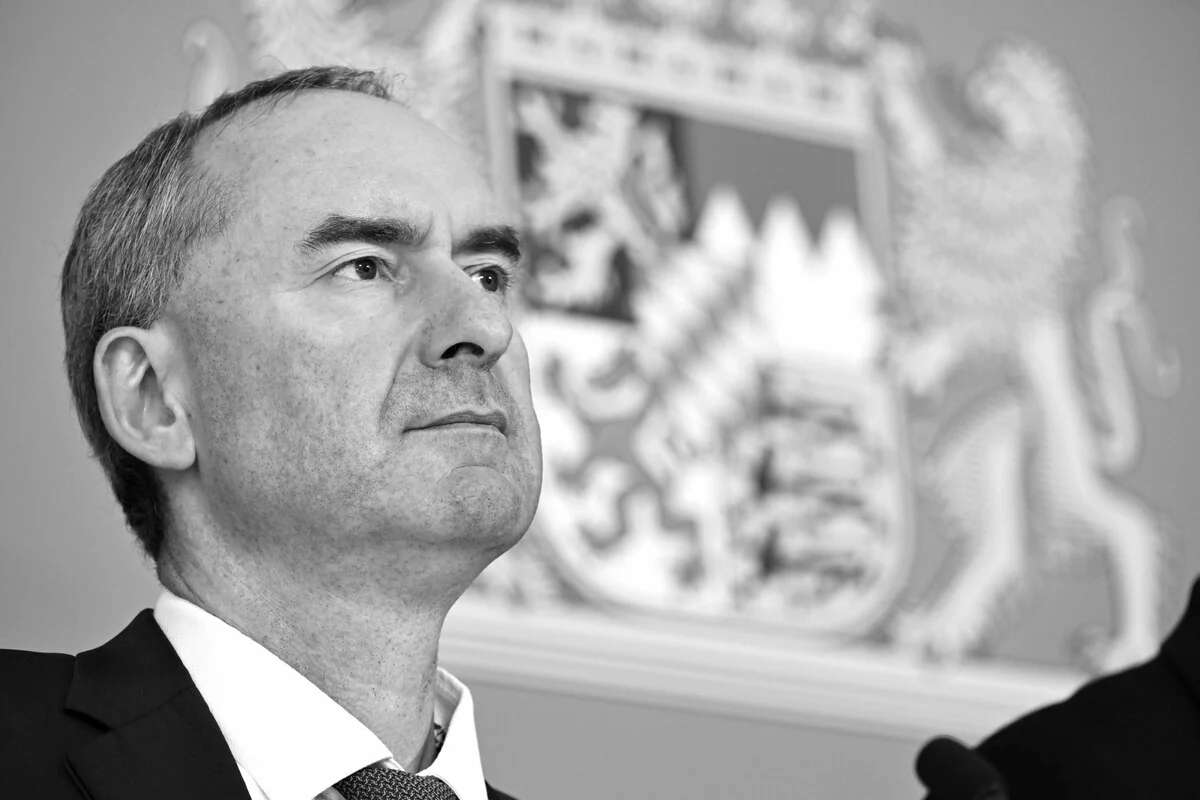
The German hip-hop scene has been shaken by reports that Aykut Anhan, widely known as the influential rapper "Haftbefehl," has been forced to cancel his upcoming concert tour following a severe medical emergency. The cancellations, which include highly anticipated dates in Düsseldorf and Berlin, come amidst growing concern from fans and industry insiders regarding the artist’s well-being.
Main Facts: A Sudden Halt to the Tour
The official confirmation of the tour’s cancellation arrived via the rapper’s inner circle. His brother, Cem Anhan, addressed the public through social media, confirming that Aykut Anhan is currently under intensive medical supervision. The artist, known for his gritty storytelling and pioneering role in German gangsta rap, is physically unable to perform, leading to the immediate termination of his current touring schedule.
According to reports from Bild, the circumstances surrounding the hospitalization are grave. It is alleged that the rapper suffered a severe relapse involving a significant quantity of cocaine, resulting in a life-threatening medical event that required hospitalization in a Swiss facility. Sources suggest the artist was placed on life support and briefly induced into a coma to stabilize his condition. While official representatives have been cautious about disclosing intimate medical details, they have confirmed that the priority at this juncture is the artist’s full recovery and long-term health.
Chronology: A Struggle with Addiction and Health
The path to this week’s emergency has been marked by a series of health-related setbacks that have defined the rapper’s career over the past several years.
- Mid-2026: Following a period of relative stability, the pressures of the industry and personal challenges began to mount. Haftbefehl withdrew from several major festival appearances, citing "health reasons" as the primary driver for his absence from the public eye.
- September 2026: After a lengthy hiatus, fans were cautiously optimistic as the 40-year-old returned to the stage for a headline performance in his home region of Frankfurt am Main. The show was intended to be a comeback, but it would ultimately be one of the few instances he was seen publicly before the October crisis.
- October 2026: The planned tour dates in Düsseldorf (October 15) and Berlin were finalized, with tickets selling rapidly. However, as the dates approached, the announcement of the cancellation followed shortly after reports emerged regarding the severe relapse in Switzerland.
This timeline reflects a recurring pattern that has haunted the artist since he chose to go public with his struggles. His transparency, while appreciated by his fanbase, has also highlighted the systemic issues faced by artists who grapple with substance dependency while under the scrutiny of the public eye.
Supporting Data: The Impact of Public Scrutiny
Haftbefehl has never shied away from the reality of his life. In a candid Netflix documentary released previously, the rapper provided an unflinching look at his battle with addiction, specifically focusing on the long-term physical and psychological damage caused by chronic cocaine consumption.
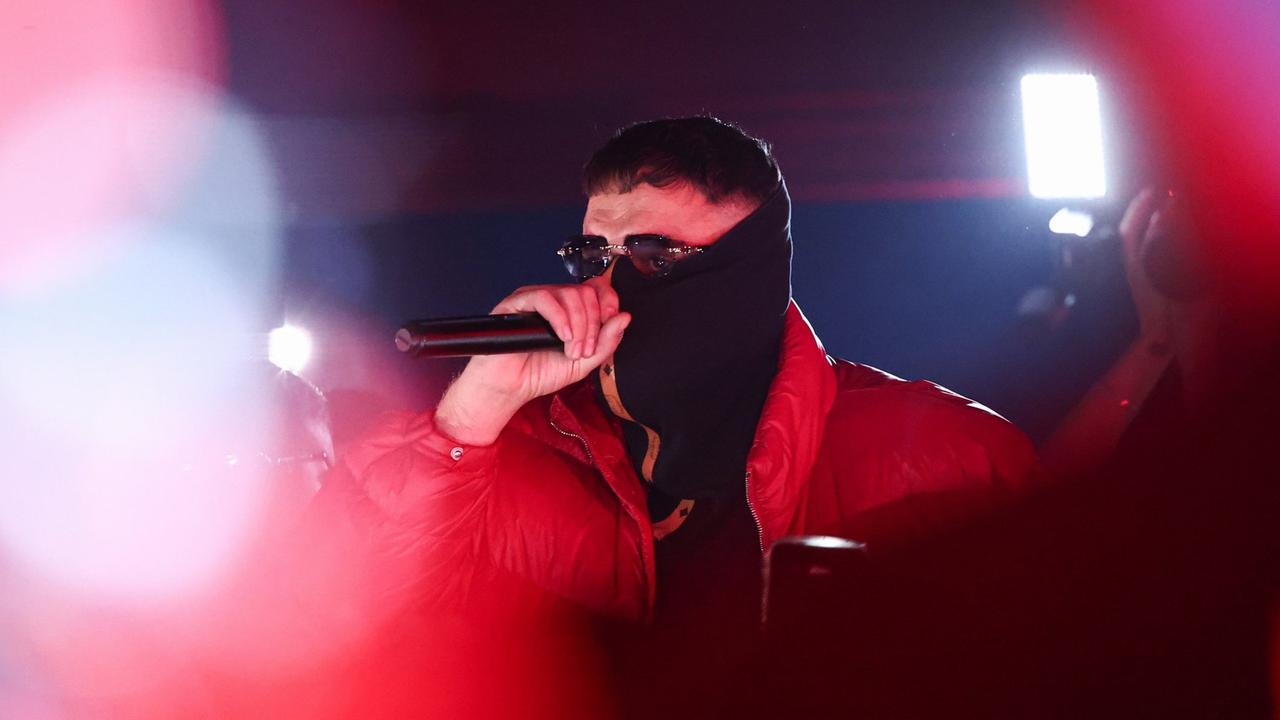
One of the most visible indicators of these struggles has been the rapper’s decision to wear masks in public settings. The decision was not merely stylistic; it served to shield his face, which has undergone significant medical damage due to prolonged substance use. The rapper has been open about the fact that he has required multiple surgical interventions to address the erosion and physical trauma sustained by his nasal passages.
The "Netflix effect"—the heightened level of public awareness and scrutiny following the documentary’s release—reportedly placed an immense psychological burden on Anhan. The pressure to maintain a persona while dealing with private medical crises created a feedback loop of stress that, according to family members, contributed to the fragility of his current state.
Official Responses and Logistics
The logistical fallout of the cancellations has been swift. Major ticketing platforms, including Eventim, have issued formal notices confirming the cancellation of the tour. Recognizing the frustration of the thousands of fans who had purchased tickets, the organizers have streamlined the refund process.
"In the interest of the artist’s health and the necessity of his immediate and total focus on recovery, we have collectively decided to cancel the tour," a representative for the management team stated. "We understand the disappointment felt by his supporters, but we ask for respect regarding his privacy during this time."
Fans seeking a refund are currently instructed to utilize the official portals on ticketing websites, where they must submit their transaction details, ticket identification numbers, and contact information. The process is expected to be lengthy given the volume of tickets sold for the major urban venues.
Implications: The High Cost of Success
The case of Haftbefehl serves as a sobering reminder of the volatility inherent in the music industry, particularly for artists whose lyrical content is deeply rooted in personal trauma and lifestyle choices.
The Industry’s Responsibility
There is an ongoing debate within the German music industry regarding the duty of care that labels and management agencies owe their artists. When an artist’s brand is predicated on their personal struggles, the line between "authentic artistry" and "exploitative content" becomes dangerously thin. Critics argue that the industry often allows, and sometimes encourages, artists to push themselves to the brink of physical collapse for the sake of touring revenue and brand visibility.
Mental Health and Addiction in Hip-Hop
The situation has reignited conversations about the need for better mental health support systems within the urban music scene. While many rappers have begun to speak openly about their experiences with therapy and rehabilitation, the infrastructure for supporting these artists during tour cycles remains inconsistent.
The physical toll of performing—the travel, the late nights, the high-pressure environment—is often incompatible with the requirements of sobriety. For an artist who has been as public about his recovery as Haftbefehl, the relapse highlights that addiction is a non-linear journey, one that is frequently interrupted by triggers that are unavoidable in the life of a touring musician.
The Future of the Artist
As of the latest updates, the prognosis for the rapper’s recovery is being handled with guarded optimism by his medical team. However, the future of his career remains uncertain. Industry analysts suggest that a return to the stage is unlikely in the immediate future, as the artist is expected to enter a long-term rehabilitation program that prioritizes physical healing over professional obligations.
The overwhelming response from the public has been one of sympathy. Despite the inconvenience of the cancellations, social media has been flooded with messages of support from fellow artists and fans, reflecting the deep emotional connection they feel toward the man who changed the landscape of German rap.
In conclusion, the cancellation of the Haftbefehl tour is more than just a business decision; it is a human-centric response to a critical medical emergency. It marks a moment of reflection for the industry, emphasizing that behind the lyrics, the personas, and the sold-out arenas, there is a person whose health must take precedence over the demands of the stage. As the rapper continues his treatment, the community waits in the hope that his next public appearance will not be a testament to his struggles, but a celebration of his health and recovery.