By Editorial Staff
Updated: October 30, 2026
In the annals of interactive entertainment, there are certain titles that transcend the status of mere software. They are cultural touchstones, milestones in technological achievement, and, for many, the backdrops against which the formative years of their lives were played out. This November, the gaming industry faces a rare, historic convergence: the simultaneous resurgence of three legendary franchises.
Within a span of just two weeks, players will be invited back to the kingdom of Hyrule, the war-torn lands of Azeroth, and the neon-soaked streets of Vice City. With the release of the The Legend of Zelda: Ocarina of Time remake and World of Warcraft: Forever on November 5, followed by the long-awaited launch of Grand Theft Auto VI on November 19, the gaming world is bracing for a month that promises to redefine the landscape of interactive media.
The Triad of Titans: Main Facts
The significance of this November cannot be overstated. We are witnessing the return of three pillars of the industry:
- The Legend of Zelda: Ocarina of Time (Remake): Originally released in 1998, this title revolutionized 3D adventure gaming. Its return is not merely a graphical update but a preservation effort for a masterpiece that holds a 99/100 rating on Metacritic.
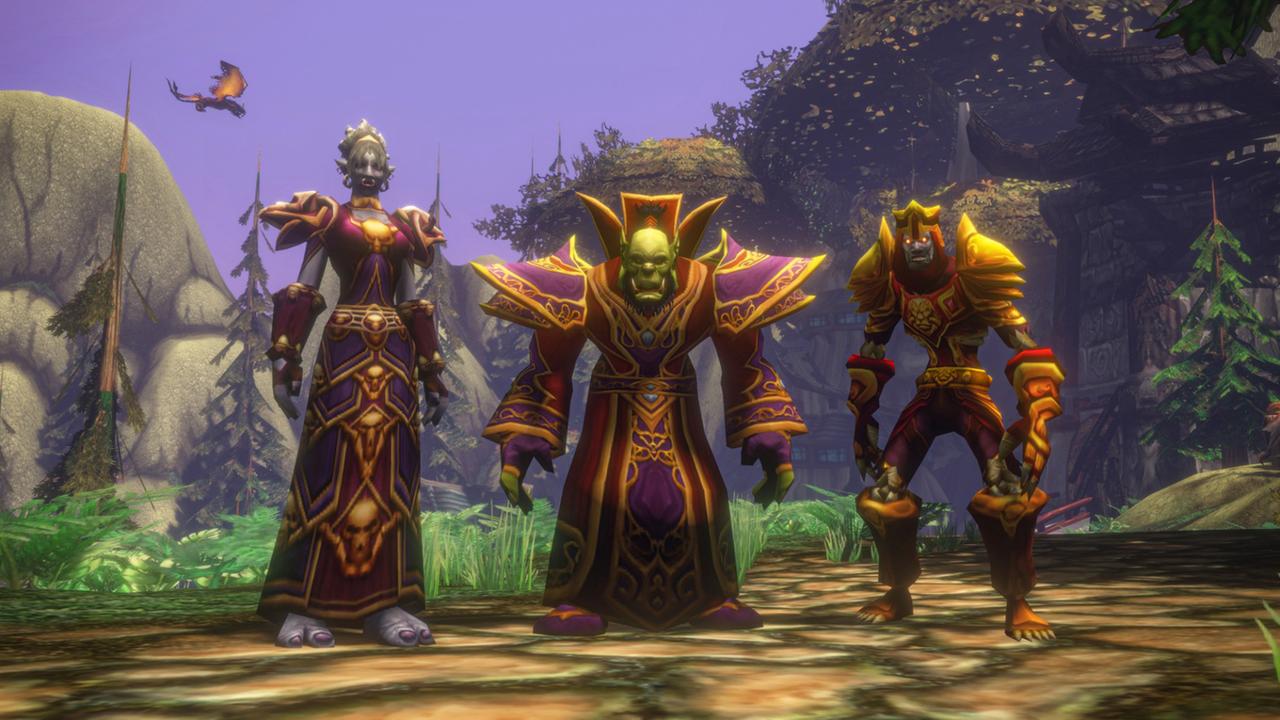
- World of Warcraft: Forever: Twenty-two years after the original release of WoW, Blizzard is launching a fresh, reimagined take on the classic MMORPG. It aims to bridge the gap between the "golden age" of social gaming and the streamlined accessibility of modern titles.
- Grand Theft Auto VI: After a 13-year hiatus following the colossal success of GTA V, Rockstar Games is finally dropping the next installment. It represents the pinnacle of open-world simulation, satire, and narrative ambition.
A Chronology of Anticipation
To understand why these titles resonate so deeply, one must look at their developmental timelines and the "mythology" that has grown around them.
The Legend of Zelda has always been Nintendo’s gold standard for innovation. Its history is one of steady evolution, from 2D pixel art to the sprawling, physics-driven open world of 2017’s Breath of the Wild. By returning to Ocarina of Time, Nintendo is tapping into the foundational "hero’s journey" that defined the transition to 3D for an entire generation.
World of Warcraft (2004) shifted the gaming paradigm from solitary experiences to massive, persistent social networks. At its peak, it commanded 12 million monthly subscribers. However, the game changed as the player base aged. The recent pivot toward "Forever" signifies a strategic attempt to recapture the "community-first" spirit that defined the early 2000s, responding to feedback from players who felt the game had become too solitary.
Grand Theft Auto VI occupies a unique space in digital history. Its development cycle has become so protracted that the wait itself became a sub-genre of internet culture. From 2013 to 2026, the absence of a new mainline title turned GTA V into a perpetual revenue machine, while the rumors surrounding GTA VI fueled thousands of YouTube speculation videos and Reddit threads, effectively turning the anticipation into a marketing campaign that lasted over a decade.
Supporting Data: The Economics of Nostalgia
Why do these franchises continue to dominate the market? Data from a 2025 consumer behavior study of 417 gamers suggests that nostalgia is not just an emotional driver—it is a powerful economic engine. The study found that players are significantly more likely to invest in "remastered" or "reimagined" titles if the original game is tied to positive memories from their youth.
Furthermore, the demographic of the "gamer" has shifted. The average age of a player in Germany, for example, is now 38.3 years. These individuals are no longer the teenagers of the early 2000s; they are working professionals with families and disposable income. The gaming industry has recognized that the biggest spending block is now the "nostalgia cohort"—people who want to relive the magic of their youth but within the constraints of a modern, busy adult schedule.
Industry figures back this up. In 2025, the gaming sector in Germany alone saw revenues of approximately 9.4 billion euros. When a brand as established as Zelda or GTA enters the market, it carries a "pre-sold" audience, mitigating the massive risks associated with the hundreds of millions of dollars required for modern AAA development.
Official Responses and Strategic Shifts
Developers are acutely aware of the "time constraint" problem. Blizzard’s lead designers have noted that while World of Warcraft: Forever looks to the past for inspiration, it must incorporate modern quality-of-life improvements.
"We want the community to feel the same sense of wonder they did in 2004," a Blizzard spokesperson noted during a recent press briefing. "But we recognize that our players have jobs and families. We are balancing the difficulty of group play so that it remains challenging, but not necessarily a 20-hour-a-week commitment."
Rockstar Games, meanwhile, has taken a different approach with GTA VI. Rather than catering to the "nostalgia" of the past, they are doubling down on the "satire of the present." By leaning into the absurdity of the current American social and political climate, they aim to make the game feel like a living, breathing commentary on the world today, rather than a museum piece of the past.
Implications for the Future of Gaming
The simultaneous release of these titles raises a critical question: Is the industry becoming too reliant on its past?
There is an ongoing debate among critics about whether the obsession with established franchises stifles independent innovation. While these three games are guaranteed to sell millions of units, they also consume the "oxygen" in the room. When the world is focused on GTA VI, smaller, more experimental titles risk being overshadowed.
However, the success of The Legend of Zelda: Breath of the Wild suggests that established names can still push boundaries. That title managed to evolve its own DNA so drastically that it captured both the long-term fans and a new, younger demographic. If Ocarina of Time (Remake), WoW: Forever, and GTA VI can replicate this balance—offering enough of the "classic" feel to satisfy veterans while introducing modern gameplay loops for newcomers—they will set the standard for the next decade of development.
Ultimately, these games represent more than just entertainment; they represent the digital biography of millions. The real test for these developers is not just to recreate the games we loved, but to prove that they can still command our attention in a world that has grown infinitely more complex since we first picked up a controller.
As November approaches, the industry prepares for a monumental clash. Whether these titles succeed or fail will be determined by a single, simple metric: can they still provide that elusive, transformative feeling of discovery that first made us fall in love with gaming? For millions of fans, the answer is already "yes." They are ready to return to Hyrule, to Azeroth, and to the streets of Vice City—even if it means sacrificing a few nights of sleep to get there.