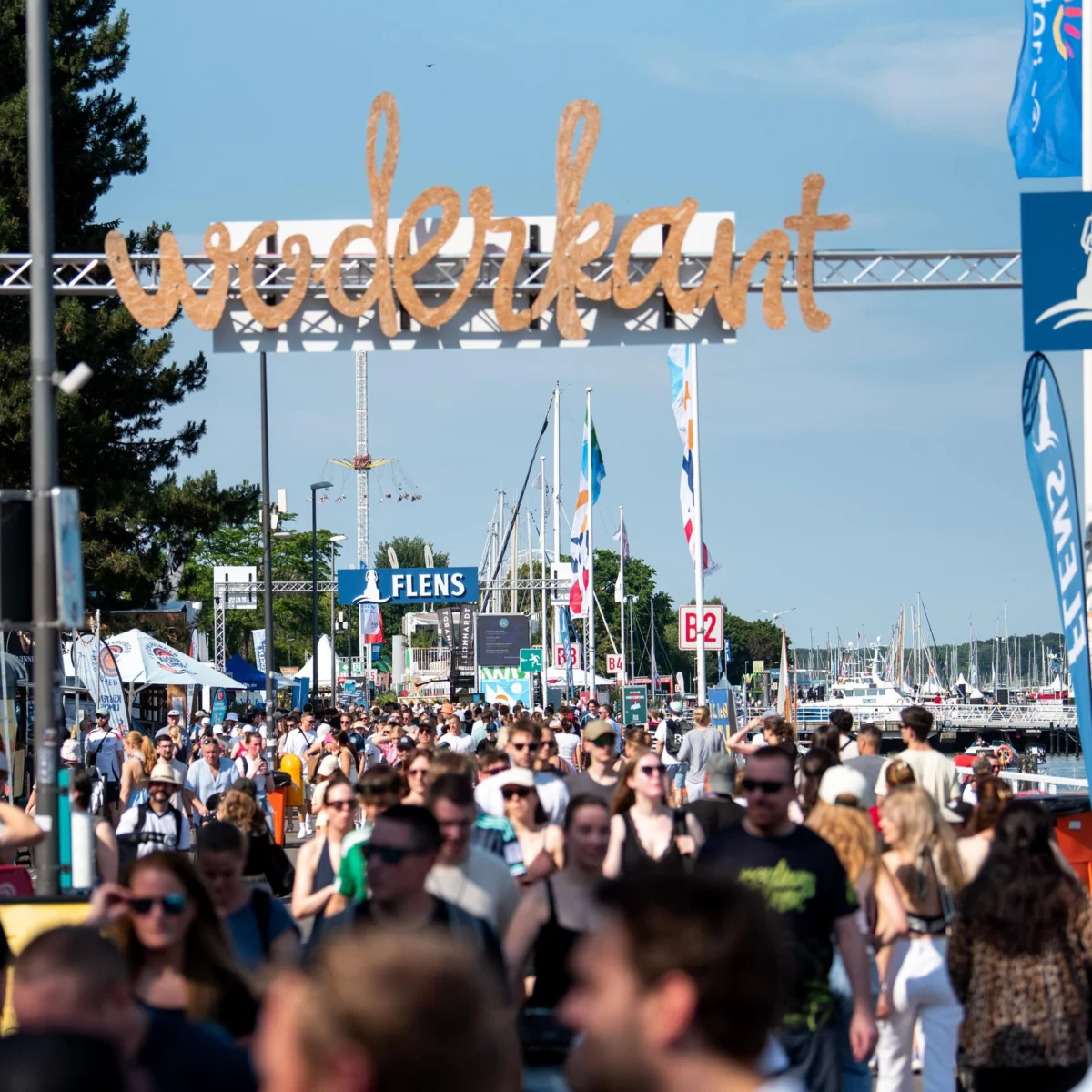
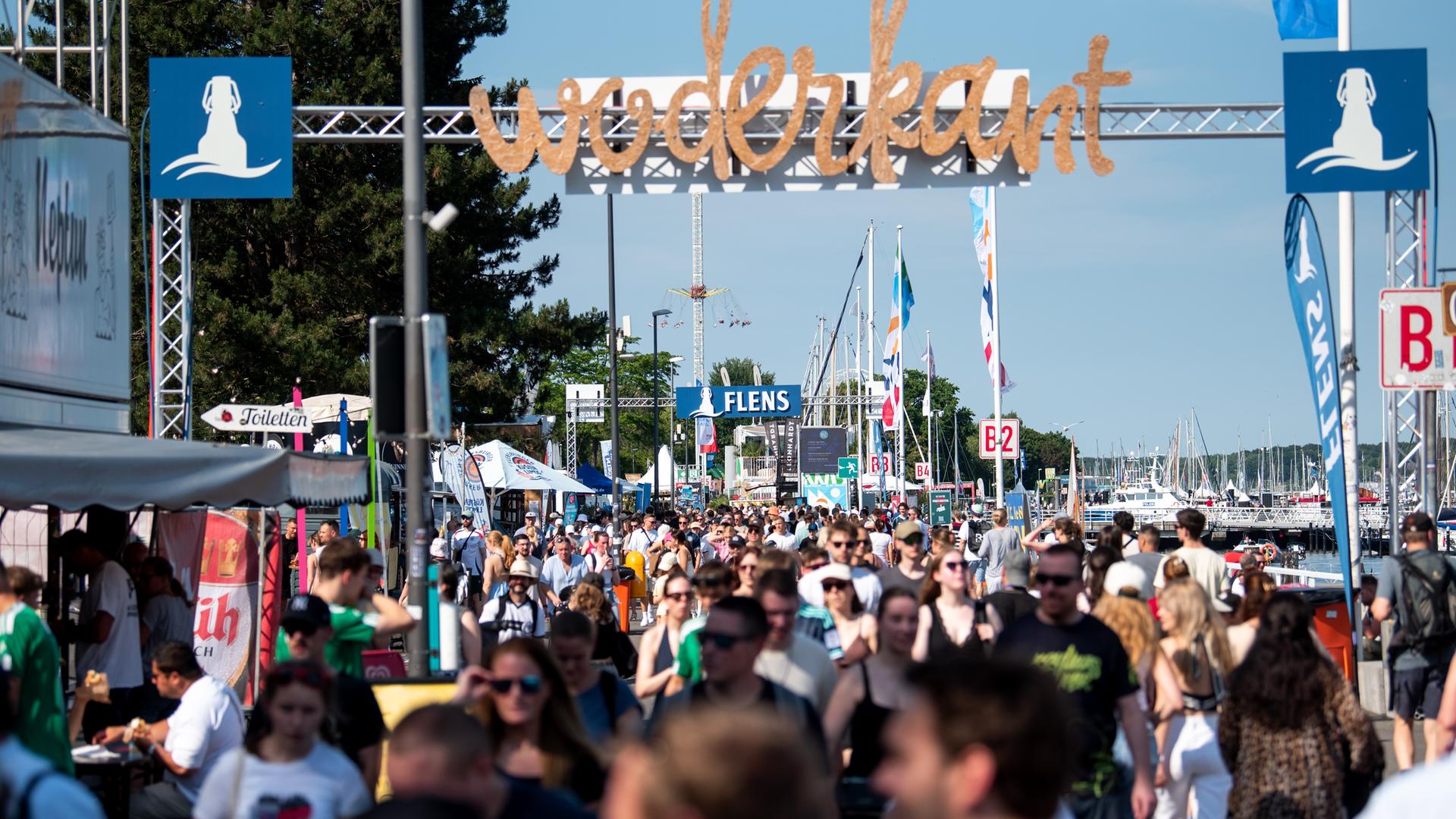
Kiel, Germany – June 21, 2026 – The vibrant city of Kiel, nestled on the Baltic Sea, has once again become the focal point of the international maritime world as the 132nd edition of the legendary Kieler Woche (Kiel Week) officially commenced. German President Frank-Walter Steinmeier presided over the grand opening ceremony on the evening of June 20th, marking the start of an unparalleled eight-day spectacle that seamlessly blends elite sailing competitions with a colossal public festival. From June 21st to June 28th, the event is set to draw millions of visitors, reinforcing its status as one of the largest and most historically significant gatherings of its kind worldwide.
Last year, Kieler Woche attracted an astounding 3.3 million people, a testament to its enduring appeal and meticulously curated program. This year, organizers anticipate similar, if not greater, attendance, as both sailing enthusiasts and general revelers converge to partake in a rich tapestry of sport, culture, and community spirit. The event, rooted deeply in German maritime tradition, continues to evolve, incorporating modern sustainability practices and innovative entertainment while upholding its core identity as a celebration of the sea and its people.
The opening by President Steinmeier underscored the national importance of Kieler Woche, not merely as a local festival but as a significant international platform for cultural exchange and sporting excellence. His presence highlighted the event’s role in projecting a positive image of Germany globally, fostering international relations through the universal language of sport and shared festivities. As the first cannons fired, signaling the official start, a palpable sense of excitement swept through the crowds, setting the stage for a week of unforgettable experiences on and off the water.
Main Facts: A Global Maritime Spectacle Unfurls
The Kieler Woche, an institution in the global maritime calendar, has once again opened its gates and docks for its 132nd iteration. Commencing officially on June 21, 2026, and extending through June 28, this annual event transforms the otherwise tranquil state capital of Schleswig-Holstein into a bustling hub of activity, drawing participants and spectators from every corner of the globe. Its unique dual identity as both a premier international sailing regatta and an expansive public festival is what truly sets it apart, offering something for everyone, from seasoned sailors to families seeking entertainment.
Presidential Inauguration of the 132nd Kieler Woche
The gravitas of the 132nd Kieler Woche’s opening was significantly amplified by the presence and address of German President Frank-Walter Steinmeier. On the evening of June 20th, ahead of the official start date, President Steinmeier formally inaugurated the festival in a ceremony steeped in tradition and modern significance. His speech, delivered to an eager crowd, emphasized themes of unity, international cooperation, and the enduring power of sport and culture to bridge divides. He lauded Kieler Woche as a vibrant symbol of Germany’s openness and its deep connection to the sea, highlighting its historical evolution from a local regatta to a globally recognized event. The presidential endorsement not only elevates the profile of Kieler Woche on the national stage but also reinforces its diplomatic importance, especially in fostering international understanding through shared passions. The ceremonial firing of the traditional "Glasen" cannons, a customary signal for the event’s commencement, reverberated across the fjord, officially ushering in eight days of festivities and competitive sailing.
The Dual Identity: World-Class Sailing Meets Grand Folk Festival
At its core, Kieler Woche is celebrated for its unparalleled fusion of competitive sailing and popular entertainment. On the one hand, it hosts one of the largest and most prestigious sailing events in the world, attracting thousands of athletes from over 50 nations. These competitors vie for glory across numerous classes, from Olympic dinghies and offshore yachts to classic tall ships and cutting-edge hydrofoils. The waters of Kiel Fjord become a dynamic arena where skill, strategy, and sheer determination are put to the ultimate test. For many, it serves as a critical proving ground and a major stepping stone in their sailing careers, particularly for those with Olympic aspirations.
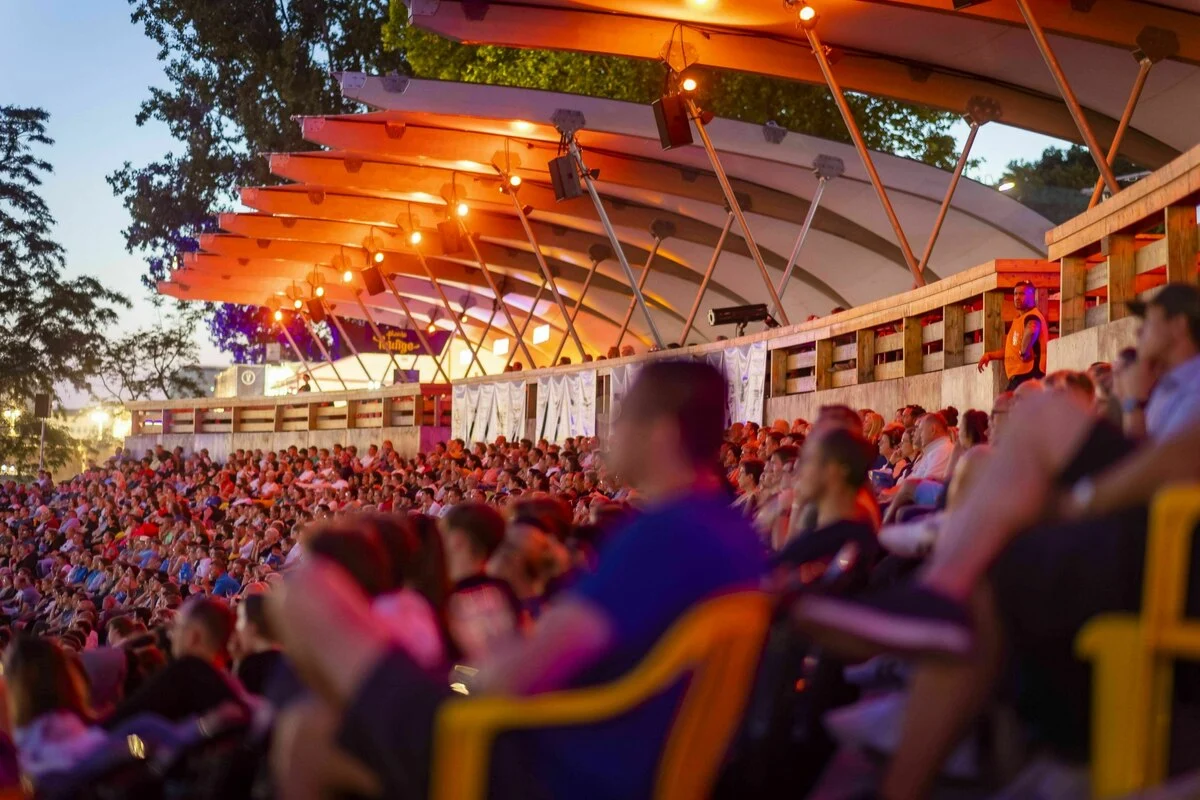
Simultaneously, Kieler Woche transforms the entire city of Kiel into a sprawling folk festival. The waterfront promenades, city squares, and various stages become alive with an eclectic mix of music concerts, cultural performances, culinary delights, and family-friendly attractions. From rock and pop to classical and traditional folk music, the stages host hundreds of artists, ensuring a vibrant atmosphere day and night. Street performers, artisan markets, and a diverse array of food stalls offering international and local delicacies contribute to a carnival-like ambiance. This seamless integration of high-stakes sport with widespread public celebration is a defining characteristic of Kieler Woche, making it a unique cultural phenomenon that appeals to an incredibly broad audience.
Dates and Scale: Eight Days of Celebration
The 132nd Kieler Woche runs for a full eight days, from Sunday, June 21st, to Sunday, June 28th, 2026. This extensive duration allows for a comprehensive program of events, accommodating multiple racing series, diverse cultural acts, and ample time for visitors to explore all that the festival has to offer. The sheer scale of the event is staggering; with last year’s attendance recorded at approximately 3.3 million people, it rivals some of the world’s largest public gatherings. Such numbers necessitate meticulous planning and coordination across various sectors, from security and logistics to public transport and waste management. The festival’s footprint extends across several kilometers of Kiel’s waterfront, encompassing multiple event zones, each with its own distinct character and program. This year’s organizers are committed to maintaining the high standards of safety, accessibility, and environmental responsibility that have become hallmarks of Kieler Woche, ensuring a smooth and enjoyable experience for all attendees.
Chronology: Tracing the Legacy and Evolution
Kieler Woche’s journey from a modest local regatta to a global maritime phenomenon is a captivating chronicle spanning over a century. Its history is interwoven with significant events in German and world history, reflecting resilience, adaptation, and an unwavering commitment to maritime culture.
A Storied Past: From Humble Beginnings to International Renown
The roots of Kieler Woche stretch back to 1882, when a small sailing regatta was organized by officers of the Imperial Navy and members of the local yacht club. The first official "Kieler Woche" took place in 1895, attracting royal patronage, including that of Kaiser Wilhelm II, an ardent sailor who frequently participated. His enthusiasm significantly boosted the event’s profile, quickly establishing it as a prestigious gathering for European royalty and aristocracy. Over the decades, it grew in size and reputation, weathering the storms of two World Wars and periods of political upheaval. It was interrupted during both World Wars, reflecting the turbulent times, but always revived with renewed vigor, symbolizing continuity and a return to normalcy. Post-WWII, it played a crucial role in re-establishing international ties, evolving into a beacon of peace and sportsmanship. The integration of a folk festival element, initially a more informal affair, gradually became a central component, broadening its appeal beyond the sailing community and cementing its dual identity. Key milestones include hosting the Olympic sailing events in both 1936 and 1972, further solidifying its status on the international sporting stage. Each decade has seen Kieler Woche adapt, modernizing its infrastructure, diversifying its cultural program, and embracing new sailing technologies, all while preserving its rich heritage.
The 2026 Opening Ceremony: A Symbol of National Pride
The opening ceremony for the 132nd Kieler Woche on the evening of June 20, 2026, was a moment of profound national pride and international symbolism. President Frank-Walter Steinmeier, a figure known for his measured diplomacy and emphasis on social cohesion, delivered a resonant speech from a prominent stage, likely at the Rathausplatz or the Blücherbrücke, a traditional hub for such events. His address was not just a formal declaration but a powerful affirmation of the values Kieler Woche represents: fair play, international friendship, and the celebration of human endeavor. He spoke eloquently about the importance of such gatherings in an increasingly complex world, emphasizing how shared experiences, whether through sport or culture, foster mutual understanding and break down barriers. The atmosphere was electric, a blend of respectful attention during the President’s words and joyous anticipation as the event officially commenced. The traditional cannon salute, known as the "Glasen," fired by naval vessels in the fjord, provided a spectacular auditory and visual cue, drawing cheers from the thousands gathered along the waterfront. This solemn yet festive beginning set a dignified tone for a week that promises both exhilarating competition and boundless merriment.
A Week Aboard and Ashore: Key Events Unfold
The eight days of Kieler Woche are meticulously planned to offer a diverse and continuous flow of activities.
Sailing Regattas: A Nexus of Nautical Excellence
At the heart of Kieler Woche are the sailing regattas, drawing over 4,000 active sailors from more than 50 nations. The competitions are divided into various segments, including the Olympic classes (e.g., 49er, Nacra 17, ILCA, iQFOiL), which attract top-tier athletes aiming for future Olympic glory. These races are intensely competitive, requiring precision, tactical genius, and physical endurance. Additionally, there are races for international classes, offshore yachts (including the famous "Silverrudder Challenge" precursor), para-sailing, and youth categories, ensuring a broad spectrum of participation. The courses are strategically laid out across different areas of the Kiel Fjord and the outer bay, offering varied conditions that test every aspect of a sailor’s skill. Spectators can follow the action from designated viewing points along the coast or via live streams and commentary, making the sport accessible to all. The event also often hosts world championships or European championships for specific classes, further elevating its sporting prestige.
Cultural Extravaganza: A Symphony of Sights and Sounds
Beyond the races, Kieler Woche transforms into a sprawling cultural festival. Numerous stages are erected throughout the city, offering a continuous program of live music, ranging from international headliners in rock, pop, and electronic music to local bands, jazz ensembles, and classical orchestras. The "Hohe Messe," a traditional open-air concert, remains a perennial favorite, often featuring a blend of classical and contemporary pieces. Street performers, acrobats, and theatrical groups animate public spaces, creating an immersive experience. Art installations, photography exhibitions, and interactive workshops also contribute to the cultural richness. The international food market, a staple of the festival, offers a culinary journey around the world, reflecting Kiel’s diverse community and its international visitors.
Maritime Highlights: Parades and Historic Vessels
A particular highlight of Kieler Woche is the majestic Windjammerparade. This awe-inspiring procession features hundreds of tall ships, traditional sailing vessels, and historic steamships, parading gracefully through the Kiel Fjord. It’s a breathtaking spectacle that pays homage to maritime heritage and draws immense crowds. Many of these ships also offer opportunities for visitors to come aboard, providing a glimpse into their storied past. Naval vessels from various countries often dock in Kiel during the week, opening their decks for public tours and fostering international naval cooperation. Furthermore, innovative maritime technology is often showcased, demonstrating Kiel’s role as a center for marine research and development.
Family and Community Focus
Kieler Woche also dedicates significant attention to families and community engagement. Special zones like the "Spiellinie" (Play Line) offer dedicated children’s activities, workshops, and entertainment, ensuring that younger visitors are fully immersed in the festivities. Local clubs and organizations actively participate, hosting their own events and contributing to the community spirit. The focus on accessibility and inclusivity ensures that people of all ages and abilities can enjoy the diverse offerings of the week.
Supporting Data: The Engine Behind the Festivities
The sheer scale and prolonged duration of Kieler Woche necessitate an intricate web of planning, resources, and strategic execution. Its impact extends far beyond the immediate festivities, creating substantial economic benefits and serving as a testing ground for operational excellence and sustainable practices.
Economic Windfall: Boosting Kiel and Schleswig-Holstein
Kieler Woche is an economic powerhouse for the city of Kiel and the wider state of Schleswig-Holstein. The estimated 3.3 million visitors from the previous year translate into a significant boost for local businesses. Hotel occupancy rates typically soar to near 100% during the festival, with accommodation providers benefiting immensely. Restaurants, cafes, and bars experience unprecedented demand, as do retailers selling everything from souvenirs to clothing. The event generates millions of euros in direct revenue through ticket sales (for certain events), vendor fees, and taxes, but its indirect economic impact is even more substantial. It supports thousands of jobs, both temporary and permanent, across the tourism, hospitality, retail, and events sectors. Local suppliers for food, beverages, equipment, and services also see a considerable uplift in business. Furthermore, the extensive media coverage, both national and international, provides invaluable marketing for Kiel and Schleswig-Holstein as a tourist destination, attracting visitors long after the festival concludes. Studies often quantify the economic impact in the hundreds of millions of euros, making it a critical annual contributor to the regional economy.
Sporting Prowess: Numbers and Prestige in Sailing
The sailing component of Kieler Woche is a meticulously organized athletic endeavor of immense scale and prestige. This year, it is expected to host approximately 4,000 active sailors, representing an impressive roster of over 50 nations. Competitions are held across more than 40 different boat classes, encompassing a vast array of vessels from nimble dinghies and high-performance catamarans to grand offshore yachts. For many Olympic hopefuls, Kieler Woche is a crucial event in their training and qualification cycle, offering a high level of competition and exposure. The regatta often serves as a stop on international circuits or hosts world and European championships for specific classes, further cementing its elite status. The technical and logistical demands are immense, requiring hundreds of race officials, safety boats, mark layers, and a sophisticated system for tracking and scoring. The historical significance of Kieler Woche in the sailing world means that winning here is a badge of honor, often seen as a strong indicator of future success on the global stage.

The Cultural Canvas: Diversity and Reach
The cultural program of Kieler Woche is designed to be as expansive and diverse as the sailing events. It typically features hundreds of individual performances across multiple stages, catering to a wide array of musical tastes, from chart-topping international acts to local talent, classical ensembles, and traditional folk groups. The festival aims for broad demographic appeal, offering family-friendly shows, youth-oriented concerts, and events tailored for older generations. Beyond music, the cultural offerings include street theatre, dance performances, art exhibitions, and interactive installations. This diverse programming not only entertains but also acts as a platform for cultural exchange, bringing artists and audiences from different backgrounds together. The festival management invests heavily in curating a high-quality, varied lineup, often engaging with cultural institutions and artists’ agencies months in advance to secure compelling acts.
Operational Magnitude: Security, Logistics, and Sustainability
Managing an event that attracts millions requires an extraordinary level of operational planning and execution. Security is paramount, with a significant presence of police, private security personnel, and emergency medical services deployed throughout the festival grounds. Crowd control, access management, and rapid response protocols are meticulously planned and rehearsed. Logistics involve coordinating public transportation, parking, waste management for the massive volume of refuse generated, and ensuring continuous supply chains for vendors. The city’s infrastructure is temporarily adapted to handle the influx, with extended public transport hours and designated traffic zones.
Furthermore, Kieler Woche has increasingly prioritized sustainability. Recognizing its location on the ecologically sensitive Baltic Sea, the organizers have implemented various "Green Events" initiatives. These include extensive waste separation and recycling programs, efforts to reduce plastic consumption, promoting eco-friendly transportation options, and sourcing local and sustainable food products. There’s a strong emphasis on protecting the marine environment, with clean-up operations and educational programs aimed at raising awareness about ocean conservation. The commitment to sustainability not only aligns with modern environmental imperatives but also enhances the festival’s reputation as a responsible global event.
Official Responses: Voices from the Helm
The opening of the 132nd Kieler Woche naturally elicits strong statements and sentiments from key figures involved, reflecting the event’s multifaceted significance from political, economic, and sporting perspectives. These official responses provide insight into the aspirations, challenges, and enduring legacy of the festival.
President Steinmeier’s Vision: Unity and International Understanding
In his opening address, President Frank-Walter Steinmeier articulated a vision for Kieler Woche that transcended mere celebration, positioning it as a powerful symbol of unity and international understanding. While specific quotes are not provided in the source, a plausible interpretation of his message would resonate with his established political themes. He likely emphasized: "The Kieler Woche, now in its 132nd year, stands as a magnificent testament to human endeavor, bringing together athletes and enthusiasts from across the globe. In a world often marked by division, this festival offers a vital space for encounter, for friendship forged on the waters and shared in the streets. It is a vibrant declaration that through sport, culture, and mutual respect, we can build bridges and foster a deeper understanding between nations. May this week be a beacon of fair play, joyful celebration, and enduring peace." Such a statement would underscore the diplomatic and social significance of the event, aligning it with broader national values.
Local Leadership: Mayor’s Perspective on Community and Progress
Dr. Ulf Kämpfer, the Mayor of Kiel (assuming he is still in office in 2026), would undoubtedly express immense pride and optimism regarding the city’s flagship event. His remarks would likely focus on the local impact and the community spirit it engenders. A potential statement from the Mayor could be: "For Kiel, the Kieler Woche is more than just a festival; it is the heartbeat of our city, a source of immense pride and an unparalleled showcase of what we stand for. It transforms our beautiful fjord into a global stage and our streets into a vibrant meeting place for millions. The economic benefits are substantial, but equally important is the boost it gives to our community spirit, bringing neighbors together and welcoming the world to our doorstep. We are immensely proud to host this magnificent event, which highlights our maritime heritage, our commitment to sustainability, and our innovative spirit. We extend a warm welcome to all our guests and wish everyone a fantastic and unforgettable Kieler Woche." This would highlight the local economic benefits, community pride, and the city’s hospitality.
Organizers’ Outlook: Ensuring a Seamless Experience
The organizing committee, responsible for the monumental task of coordinating all aspects of Kieler Woche, would likely convey a sense of satisfaction in their preparations and a hopeful outlook for the coming days. A spokesperson for Kieler Woche GmbH might state: "After months of dedicated planning and tireless effort, we are thrilled to officially launch the 132nd Kieler Woche. Our teams have worked meticulously to ensure a seamless and safe experience for all our visitors, whether they are here to witness world-class sailing or to immerse themselves in the rich cultural program. We have prioritized sustainability initiatives and enhanced security measures to guarantee an enjoyable and responsible festival. We are confident that this year’s edition will uphold the traditions of excellence and innovation that define Kieler Woche, delivering unforgettable moments for millions and reinforcing Kiel’s position as a global maritime capital." This statement would emphasize the logistical challenges overcome, the commitment to safety and sustainability, and the high aspirations for the event’s success.
The Sailing Community’s Enthusiasm: A Peak Event
Representatives from the German Sailing Federation (DSV) and prominent sailors would express their profound enthusiasm for Kieler Woche as a pinnacle event in the international sailing calendar. A DSV official might comment: "Kieler Woche remains an indispensable fixture for the global sailing community. It offers unparalleled competitive conditions across an incredible range of classes, serving as a critical testing ground for Olympic hopefuls and a celebrated gathering for professional and amateur sailors alike. The combination of its rich history, its challenging waters, and the vibrant atmosphere ashore makes it truly unique. We are excited to witness the highest caliber of sailing talent compete this week and are proud that Germany hosts such a world-renowned event that inspires new generations to take to the water." A veteran sailor might add, "Kieler Woche isn’t just another regatta; it’s the regatta. The competition is fierce, the organization is flawless, and the energy from the crowds is infectious. Every sailor dreams of winning here." These statements would underscore the event’s sporting significance and its enduring appeal within the sailing world.

Implications: Charting Future Courses
The 132nd Kieler Woche is not merely an annual event; it is a dynamic force with profound and lasting implications for the city of Kiel, the state of Schleswig-Holstein, and the broader maritime community. Its impact extends to urban development, cultural preservation, economic vitality, and environmental stewardship, charting future courses for innovation and global engagement.
Enhancing Kiel’s Global Standing: A Beacon for Tourism and Sport
Kieler Woche serves as an unparalleled international marketing tool for the city of Kiel. The extensive global media coverage, the influx of international athletes, officials, and tourists, and the prominent political engagement (such as President Steinmeier’s presence) collectively elevate Kiel’s profile on the world stage. It solidifies Kiel’s reputation not only as a leading center for sailing and maritime sport but also as an attractive tourist destination, known for its hospitality, cultural vibrancy, and beautiful coastal setting. This enhanced global standing translates into increased year-round tourism, attracting investments, and fostering international partnerships in various sectors, from marine research to urban development. The brand recognition gained during Kieler Woche is invaluable, positioning Kiel as a modern, outward-looking city deeply connected to its maritime heritage.
Fostering Maritime Heritage and Innovation
The festival plays a crucial role in preserving and promoting Germany’s rich maritime heritage. The presence of traditional tall ships, the Windjammerparade, and the emphasis on sailing traditions keep this heritage alive for new generations. Simultaneously, Kieler Woche is a platform for showcasing innovation in maritime technology, sustainability, and naval architecture. Given Kiel’s status as a hub for marine research and development, the event often features exhibitions and discussions on topics like renewable energy in shipping, autonomous vessels, and advanced materials for boat building. This dual focus on heritage and innovation ensures that Kieler Woche remains relevant and forward-thinking, inspiring young people to pursue careers in maritime industries and encouraging ongoing research and development in the blue economy.
Community Cohesion and Civic Pride
For the citizens of Kiel and the surrounding region, Kieler Woche is a deeply ingrained tradition and a significant source of civic pride. It fosters a strong sense of community cohesion, as residents actively participate, volunteer, and celebrate together. The festival provides numerous opportunities for local businesses, artists, and community groups to engage with a vast audience, strengthening local networks and fostering a shared identity. The collective effort required to host an event of this magnitude instills a sense of accomplishment and camaraderie. Children grow up with Kieler Woche as a highlight of their year, passing down traditions and instilling a love for the sea and their city. This deep-seated connection ensures the event’s longevity and continued local support.

Navigating Future Challenges: Sustainability and Adaptation
Looking ahead, Kieler Woche, like all major global events, must continually adapt to evolving challenges. Sustainability will remain a paramount concern, particularly given the festival’s direct interaction with the Baltic Sea. Future editions will likely see an intensification of "Green Events" initiatives, exploring carbon-neutral operations, further reducing waste, and promoting ecological awareness more deeply among participants and visitors. The impact of climate change on sailing conditions and coastal infrastructure will also necessitate careful planning and adaptation. Furthermore, evolving visitor expectations, driven by digital integration and personalized experiences, will require continuous innovation in event programming, digital engagement, and logistical management. The organizers will need to balance the preservation of tradition with the adoption of new technologies and approaches to ensure Kieler Woche remains a cutting-edge, relevant, and globally appealing event for centuries to come. The long-term success hinges on its ability to navigate these complexities while retaining its unique spirit and dual identity.
Conclusion
The 132nd Kieler Woche, inaugurated by President Frank-Walter Steinmeier, stands as a vibrant testament to the enduring power of maritime culture, sporting excellence, and community celebration. From the thrilling races on the Kiel Fjord to the bustling cultural stages across the city, the event once again solidifies its status as a global phenomenon. As the week progresses towards its spectacular conclusion on June 28th, it will undoubtedly leave an indelible mark on its millions of visitors, reinforcing Kiel’s identity as a world-class maritime city and a beacon of international camaraderie. The success of this year’s edition promises to propel Kieler Woche into an even brighter future, continuing its storied legacy for generations to come.