


London, UK – September 30, 2026 – Great Britain has revealed it possesses significant intelligence suggesting Iran’s involvement in a security incident near the Royal Air Force (RAF) base at Fairford, a critical hub utilized by the United States for operations in the Middle East. The revelation comes after British police apprehended five men on suspicion of planning an attack. While the individuals have since been released on bail, the accusations have escalated geopolitical tensions, with Tehran vehemently denying any complicity. The full scope and nature of the alleged plot remain shrouded in considerable uncertainty, leaving authorities and international observers grappling with a complex and developing situation.
Key Developments: A Night of Suspicion and Subsequent Revelations
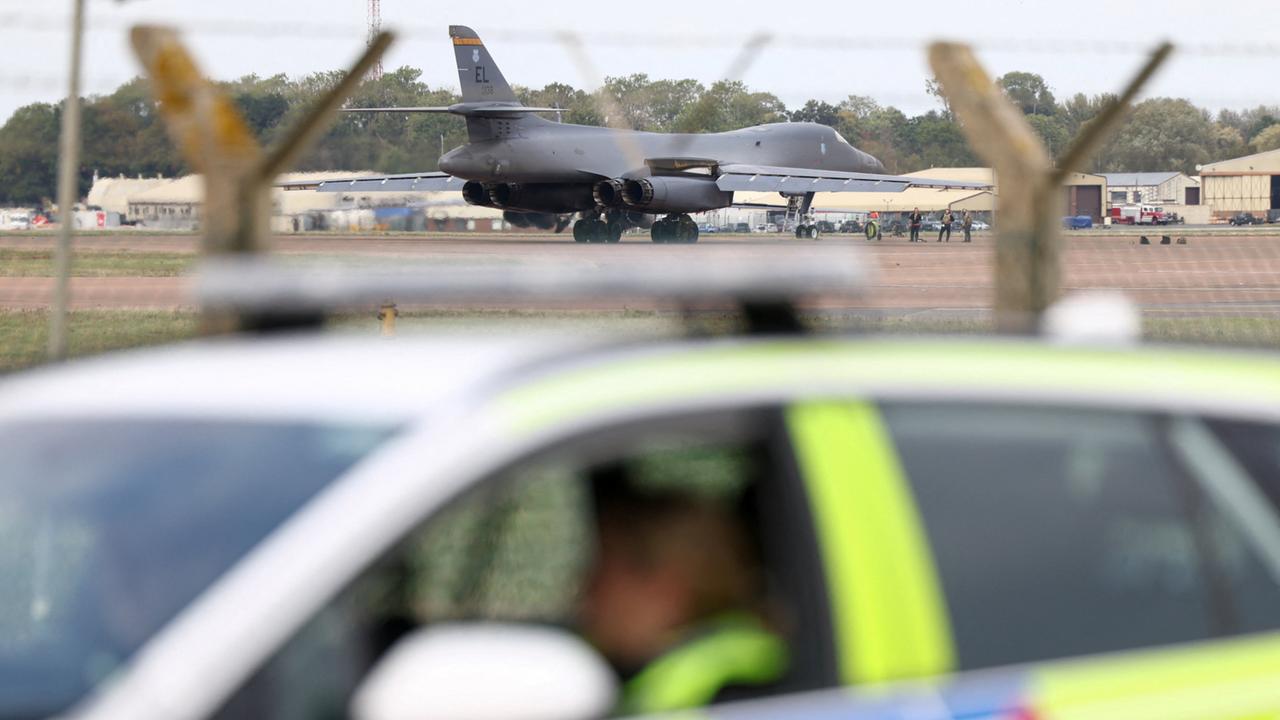
The alarm was raised on Saturday night when British police were dispatched to the RAF Fairford base in Gloucestershire, a strategic location known for its role in supporting American military actions. Upon arrival, officers discovered three white vans at the perimeter of the base. A swift operation led to the apprehension of five individuals, who were subsequently taken into custody on suspicion of planning an attack.
Prime Minister Andy Burnham, a prominent figure within the Labour Party, publicly stated that "strong indications" point to Iran’s role in the events that unfolded over the weekend. Speaking in an interview with the BBC, Burnham elaborated that the evidence suggests a connection to Iran, though he refrained from providing specific details about the alleged plot or the precise nature of Iran’s suspected involvement. He emphasized that investigations are ongoing and that further information would be disclosed as it becomes available.
Chronology of Events: From Discovery to Diplomatic Fallout
The timeline of events, as pieced together from official statements and media reports, paints a picture of a rapidly unfolding security concern:
- Saturday Night: British police are alerted to suspicious activity near RAF Fairford.
- Late Saturday/Early Sunday Morning: Officers respond to the scene, discovering three white vans. Five individuals are arrested on suspicion of planning an attack.
- Sunday: The arrests are confirmed by authorities, though details remain scarce. The identities of the arrested individuals are not immediately released.
- Monday: In a significant development, the five arrested men, identified as British citizens residing in London and aged between 23 and 25, are released on bail following extensive questioning and investigation. Detective Chief Inspector Laurence Taylor, head of the UK’s Counter Terrorism Police, confirmed the release, stating it was made "subject to conditions" after thorough inquiries.
- Tuesday: The police release further details regarding the seized vehicles. While no explosives were found, the presence of petrol was noted. Reports emerge suggesting one of the arrested individuals may have initiated the emergency call himself, raising questions about his motives and the potential for a change of plans or a deliberate misdirection.
- Wednesday (and ongoing): Prime Minister Burnham makes his public statement, directly implicating Iran based on intelligence. The Iranian government issues a swift and unequivocal denial of any involvement. International reactions begin to surface, with former President Donald Trump of the United States publicly criticizing the decision to release the suspects on bail.
Supporting Data and Unanswered Questions
The available evidence, while suggestive, leaves many crucial questions unanswered:
- Nature of the Alleged Plot: The exact nature of the planned attack remains unclear. Was it intended to target the base directly, or was it a more indirect act of sabotage or disruption? The discovery of petrol, rather than explosives, could indicate a plan involving arson or a different form of destructive act.
- Iranian Involvement: The specific intelligence that led Prime Minister Burnham to accuse Iran is yet to be declassified. This lack of transparency fuels speculation and makes it difficult to assess the credibility of the accusations independently. The distance between the UK and Iran, and the potential logistical challenges of orchestrating such an operation, also raise questions.
- The Five Suspects: The quick release of the five British citizens on bail, despite the initial gravity of the accusations, is a point of contention. While the police cited "extensive questioning and investigation," the fact that they were not held for longer periods suggests that the immediate threat may have been assessed as diminished or that insufficient evidence existed for further detention at that stage. Their ages and residency in London could indicate a local cell with potential foreign direction, or it could be entirely coincidental.
- The Emergency Call: The reported self-initiated emergency call by one of the suspects adds another layer of intrigue. Was this an act of remorse, a change of heart, or a calculated move to appear cooperative and potentially derail the investigation? The police are reportedly examining this aspect closely.
- RAF Fairford’s Significance: The choice of RAF Fairford as a potential target is noteworthy. The base has been a critical staging post for American air power in the Middle East, particularly in recent years. Its strategic importance could make it an attractive target for actors seeking to disrupt Western military operations or retaliate against perceived aggressions.
Official Responses and Diplomatic Ramifications
The accusations have triggered a swift and polarized response from key international players:
- United Kingdom: Prime Minister Burnham’s statement represents a significant escalation in the UK’s public stance. While emphasizing ongoing investigations, the direct accusation against Iran signals a willingness to confront what the government perceives as a serious security threat. The UK’s security services are undoubtedly working overtime to gather further evidence and assess the broader implications of this incident.
- Iran: The Islamic Republic of Iran has unequivocally denied any involvement in the incident. Tehran has historically rejected accusations of involvement in attacks on Western interests and is likely to view this accusation as politically motivated. A spokesperson for the Iranian Foreign Ministry stated that the accusations are "baseless and fabricated" and part of a "smear campaign" by certain Western countries.
- United States: The US, a close ally of the UK and a frequent target of Iranian rhetoric, has reacted with concern. While not directly echoing the accusation of Iranian involvement, US Secretary of State Marco Rubio had previously alluded to the involvement of a "foreign actor" in similar incidents. President Donald Trump, a vocal critic of Iran, has publicly condemned the release of the suspects on bail, suggesting that they intended to cause "great damage." His administration has consistently advocated for a hardline stance against Iran, and this incident provides further ammunition for that position. Trump’s criticism of the UK’s judicial process highlights potential diplomatic friction, even between allies.
- International Observers: The incident has drawn the attention of international security analysts and governments worldwide. The potential for miscalculation and escalation in the current geopolitical climate is a significant concern. The lack of concrete, publicly verifiable evidence makes it difficult for the international community to form a definitive judgment, leading to a period of heightened diplomatic scrutiny and a reliance on intelligence assessments.
Implications and Future Outlook
The ramifications of this incident are multifaceted and potentially far-reaching:
- Geopolitical Tensions: The accusations, even if unproven, will undoubtedly exacerbate existing tensions between Iran and Western powers. This could lead to increased diplomatic pressure, potential sanctions, and a heightened risk of further confrontations in the region and beyond.
- Counter-Terrorism Efforts: The incident underscores the persistent threat of terrorism, regardless of the alleged perpetrator’s origin. It will likely prompt a review of security protocols at sensitive military installations in the UK and potentially among NATO allies. The focus on potential foreign state-sponsored terrorism will likely intensify.
- Intelligence Sharing and Verification: The situation highlights the critical importance of robust intelligence gathering and verification processes. The public nature of Prime Minister Burnham’s accusation suggests a high degree of confidence in the UK’s intelligence, but the lack of immediate public corroboration leaves room for doubt and diplomatic maneuvering.
- Public Perception and Trust: The swift release of the suspects, coupled with the accusations against a foreign state, creates a complex narrative for the public. Maintaining trust in law enforcement and governmental processes will be crucial as more information, or lack thereof, emerges. The media’s role in reporting responsibly on such sensitive matters will also be paramount.
As investigations continue, the world will be watching closely for further developments. The case of RAF Fairford serves as a stark reminder of the intricate web of global security threats and the delicate diplomatic dance required to navigate them. The coming days and weeks will likely reveal more about the true nature of the alleged plot, the extent of any foreign involvement, and the impact on international relations.







