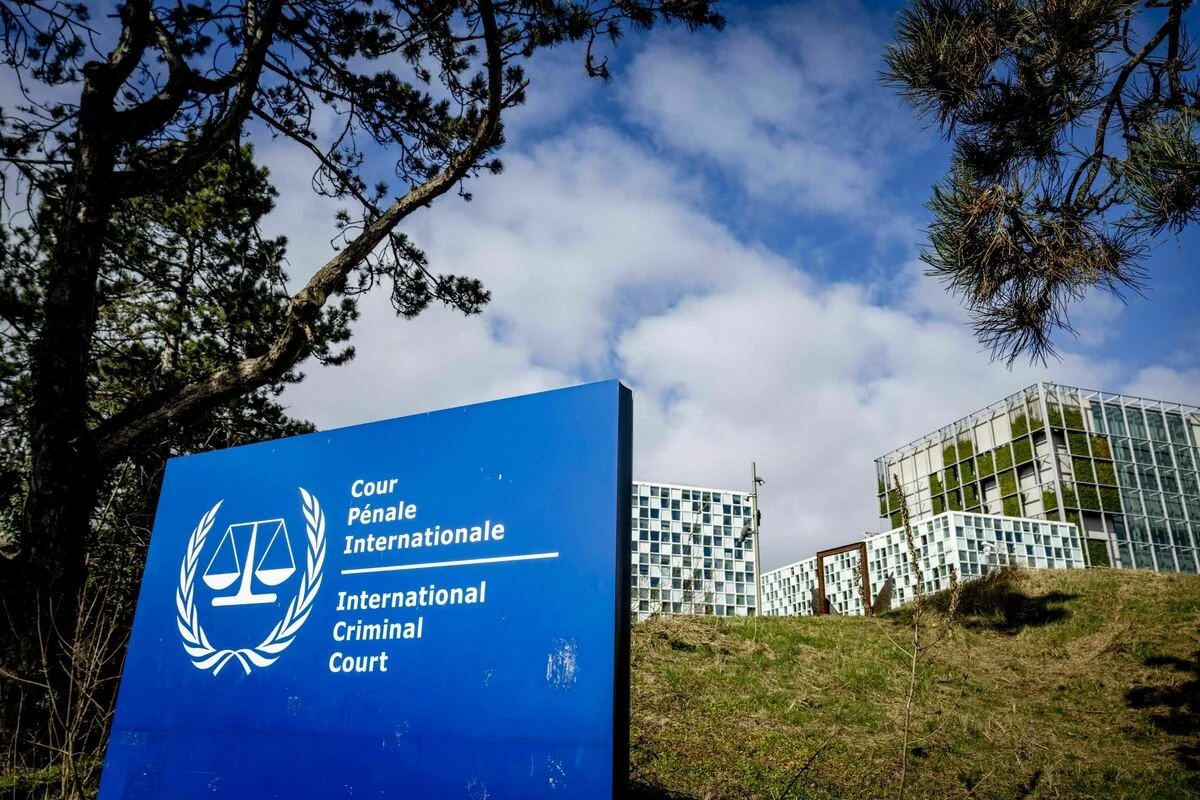
In a move that has sent shockwaves through the corridors of international diplomacy, the United States government has issued a formal ultimatum to the International Criminal Court (ICC) in The Hague. By imposing sweeping financial sanctions and setting a 180-day deadline for the court to reform its operations—or face total obsolescence—the administration of President Donald Trump has effectively declared an existential war on the world’s primary arbiter of international criminal law.
The Core Conflict: A Financial Siege
On October 9, the U.S. State Department announced a comprehensive sanctions package targeting the ICC. The directive is designed to create a total financial vacuum around the institution. Under the new measures, the ICC is barred from utilizing U.S. financial institutions for any transactions. Furthermore, the court’s existing assets within American jurisdiction have been frozen, and U.S. citizens or companies are strictly prohibited from engaging in any business with the Hague-based body.
In the modern global economy, where the U.S. dollar serves as the bedrock of international clearing systems, this move is effectively a death warrant. Without access to the U.S. financial system, the ICC faces a structural impossibility: it cannot pay its staff, manage its operational expenses, or maintain its detention facility in Scheveningen.
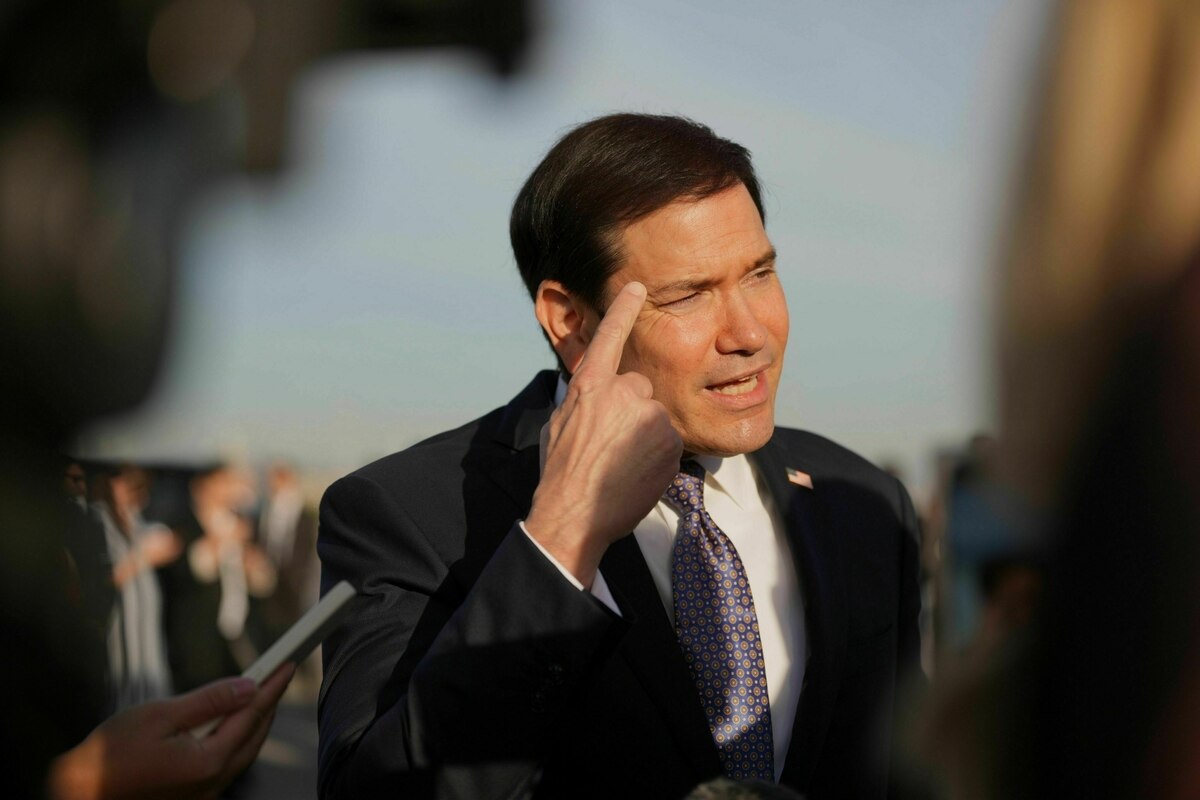
"We will prohibit transactions with this rogue court, cut off their resources, and paralyze their operations," declared U.S. Secretary of State Marco Rubio. "Either the ICC puts an end to its threats, or we put an end to the ICC."
A Chronology of Escalation
The current crisis is not a sudden eruption but the culmination of a long-standing ideological and legal rift between Washington and The Hague.
- February 6, 2025: The White House issued Executive Order 14203, which introduced targeted visa restrictions and limited financial sanctions against specific ICC personnel, particularly those involved in investigations into U.S. allies or American citizens.
- Ongoing Tensions (2025–2026): Throughout the subsequent year, friction intensified as the ICC pursued high-profile investigations into potential war crimes, including those allegedly committed by Israeli leadership, which drew the ire of the U.S. administration.
- October 9, 2026: The U.S. Treasury Department officially updated its sanctions list, moving from individual targeting to a comprehensive blockade of the institution itself.
- The 180-Day Window: The U.S. government has granted the ICC until May 7, 2027, before the full weight of the sanctions is felt. Washington describes this as a "diplomatic grace period," though critics view it as an ultimatum intended to force the court into voluntary submission or self-dissolution.
Supporting Data: The Anatomy of a Shutdown
The U.S. strategy relies on the fact that international financial infrastructure is inextricably linked to American banking hubs. According to the U.S. Treasury’s Office of Foreign Assets Control (OFAC), the 180-day delay is intended to allow for an "orderly wind-down" of the court’s operations.

The logic behind the U.S. position is rooted in its persistent refusal to accept the court’s jurisdiction over non-member states. Washington has long maintained that the ICC violates national sovereignty by attempting to exercise authority over individuals from countries that have not ratified the Rome Statute. Rubio’s rhetoric underscores a "sovereigntist" foreign policy that prioritizes domestic legal supremacy over international oversight.
For the ICC, the logistical implications are catastrophic. Beyond the inability to process payroll, the court requires significant capital to manage its witness protection programs, legal research, and the physical maintenance of its secure detention facilities. Deprived of the ability to move funds globally, the court would effectively be forced to close its doors, potentially leading to the release of high-profile detainees and the abandonment of ongoing genocide and war crime trials.
International Reactions: The EU’s Dilemma
The European Union, which has historically been the staunchest defender of the ICC, has reacted with profound alarm. In a statement released on behalf of the EU, the bloc described the U.S. sanctions as "wholly unacceptable," warning that they undermine the very foundation of the rules-based international order.

However, the EU finds itself in a precarious position. While it has demanded the immediate withdrawal of the sanctions, it has also cautiously welcomed the 180-day window, hoping it provides enough space for a diplomatic breakthrough. The upcoming weekly meeting of EU Foreign Ministers is expected to be dominated by this crisis, with a specific focus on the potential activation of the "Blocking Statute."
The "Blocking Statute": A Legal Shield?
The EU’s Blocking Statute (Regulation (EC) No 2271/96) was originally drafted in 1996 as a countermeasure to U.S. sanctions against Cuba. It allows the EU to declare foreign sanctions legally void within the territory of the Union and forbids EU-based companies from complying with them.
Given that the ICC is headquartered in The Hague—on the sovereign soil of an EU member state—the application of the Blocking Statute would be a symbolic and legal statement of defiance. If invoked, it would prohibit European financial institutions from denying services to the ICC, placing them in a direct legal collision course with U.S. federal law. The resulting conflict would force banks and multinational corporations to choose between the U.S. market and the integrity of international justice.

The Broader Implications: A World Without The Hague
The threat to the ICC is, in essence, a threat to the post-World War II consensus on human rights and international law. If the United States succeeds in dismantling the court, it will set a precedent where global power dictates the boundaries of justice.
- Erosion of Accountability: If the ICC falls, there is no international forum to hold leaders accountable for crimes against humanity. This effectively grants impunity to regimes that engage in mass atrocities, provided they have the backing of a major global power.
- The Crisis of Multilateralism: The conflict signals a deeper drift away from multilateral institutions. With the U.S. actively working to dismantle a court it helped create, the remaining member states of the Rome Statute will be forced to choose between isolation and subservience to a new, power-centric global order.
- The Future of Human Rights: Legal experts warn that the collapse of the ICC would trigger a "dark age" for human rights. Without an independent arbiter, the documentation of war crimes and the pursuit of justice will likely revert to purely domestic—and often biased—mechanisms.
Conclusion: A Turning Point for Diplomacy
As the clock ticks toward May 7, 2027, the international community faces a sobering reality. The U.S. ultimatum is not merely a bureaucratic dispute over legal jurisdiction; it is a fundamental challenge to the concept of international justice itself.
The European Union’s potential activation of the Blocking Statute represents the first line of defense. Yet, whether the EU can muster the political and economic unity required to withstand U.S. pressure remains an open question. For the ICC, the next six months will be the most consequential in its history. The institution is caught between a superpower determined to render it obsolete and a fragmented global community struggling to define what "justice" means in an age of renewed geopolitical rivalry.

As Secretary Rubio noted, the choice for the court is stark. But for the rest of the world, the question is equally grave: Is there a future for international law in a world where the most powerful nation refuses to be bound by it? The coming months will provide the answer.