The European Union stands at a critical juncture as negotiations over its long-term financial framework (2028–2034) descend into a bitter, high-stakes confrontation. At the heart of the dispute is a fundamental disagreement over the bloc’s priorities: should the EU prioritize fiscal austerity and the concerns of "net contributor" states, or should it invest heavily in its own future competitiveness, defense, and social cohesion?
The conflict reached a new intensity this past Saturday when the Irish EU Council Presidency unveiled a compromise proposal intended to appease skeptical member states. The proposal suggests a significant reduction in the European Commission’s ambitious budgetary plans—a move that has drawn sharp criticism from both sides of the aisle. While the proposal aims to cut roughly €159 billion (an eight percent reduction) from the Commission’s proposed two-trillion-euro framework, German Chancellor Friedrich Merz has dismissed the plan as insufficient, demanding even deeper cuts.
As EU leaders prepare to convene in Brussels this Thursday for a pivotal summit, the chasm between the member states appears wider than ever, threatening to paralyze the bloc’s strategic direction for years to come.
Chronology of the Crisis
The road to the current impasse has been paved with shifting economic realities and evolving political mandates. Following the dual shocks of the COVID-19 pandemic and the ongoing war in Ukraine, the European Commission initially proposed an expansive financial framework for 2028–2034, seeking to address massive investment needs in technology, climate transition, and security.
- Initial Proposal: The European Commission floated a budget reaching nearly €2 trillion to address the challenges of the next decade.
- Rising Pressure: A coalition of fiscally conservative nations, often referred to as the "frugals"—including Germany, the Netherlands, Austria, and Sweden—expressed early concern that such a budget was unsustainable, citing domestic fiscal pressures and the need to manage existing debt.
- The Irish Intervention: Attempting to bridge the gap, the Irish EU Council Presidency presented a revised, trimmed-down draft on Saturday, proposing to lop off approximately €159 billion.
- The Rejection: Within hours of the release, Chancellor Merz signaled that Germany would not support the proposal, arguing that the burden on net contributors remains disproportionately high.
- The Impending Summit: Brussels is now braced for a confrontation at the upcoming summit, where leaders will attempt to reconcile these clashing visions.
Supporting Data: Where the Money Goes—and Where it Doesn’t
The Irish proposal is a blueprint of priorities that reveals exactly who stands to lose and who stands to be shielded from the budget axe. The proposed €159 billion in cuts is not distributed evenly; it is surgically targeted at areas of future growth.
Targeted Reductions
The heaviest cuts are aimed at:

- Competitiveness and Research: The engines of European innovation, seen as vital to keeping pace with the US and China, are slated for significant reductions.
- Defense: As Europe struggles to establish strategic autonomy and support Ukraine, the proposed reduction in defense spending has alarmed security experts.
- External and Development Policy: Projects aimed at stabilizing the EU’s periphery and fostering global partnerships are being deprioritized.
Protected Areas
Conversely, the Irish draft leaves two massive pillars of the EU budget largely untouched:
- Common Agricultural Policy (CAP): Supported strongly by France and other agrarian nations, the CAP remains a "sacred cow" in EU budgeting, despite recurring calls for reform.
- Cohesion Policy: These funds, designed to reduce economic disparities between the EU’s wealthier and poorer regions, remain largely intact. For many member states in Central and Eastern Europe, these funds are the bedrock of their EU membership, making them politically untouchable.
The Debt Elephant in the Room
According to the European Court of Auditors, the financial picture is further complicated by the legacy of recent crises. The EU’s total debt is projected to climb toward €1 trillion by 2027. The interest burden alone for the 2028–2034 period is estimated at a staggering €93 billion. This debt servicing acts as a constant drain on resources, leaving less room for the "future-oriented" investments that the Commission advocates for.
Official Responses and Political Polarization
The reaction to the Irish proposal has been polarized, reflecting a deep ideological divide within the European political landscape.

The German Stance: The "Frugal" Perspective
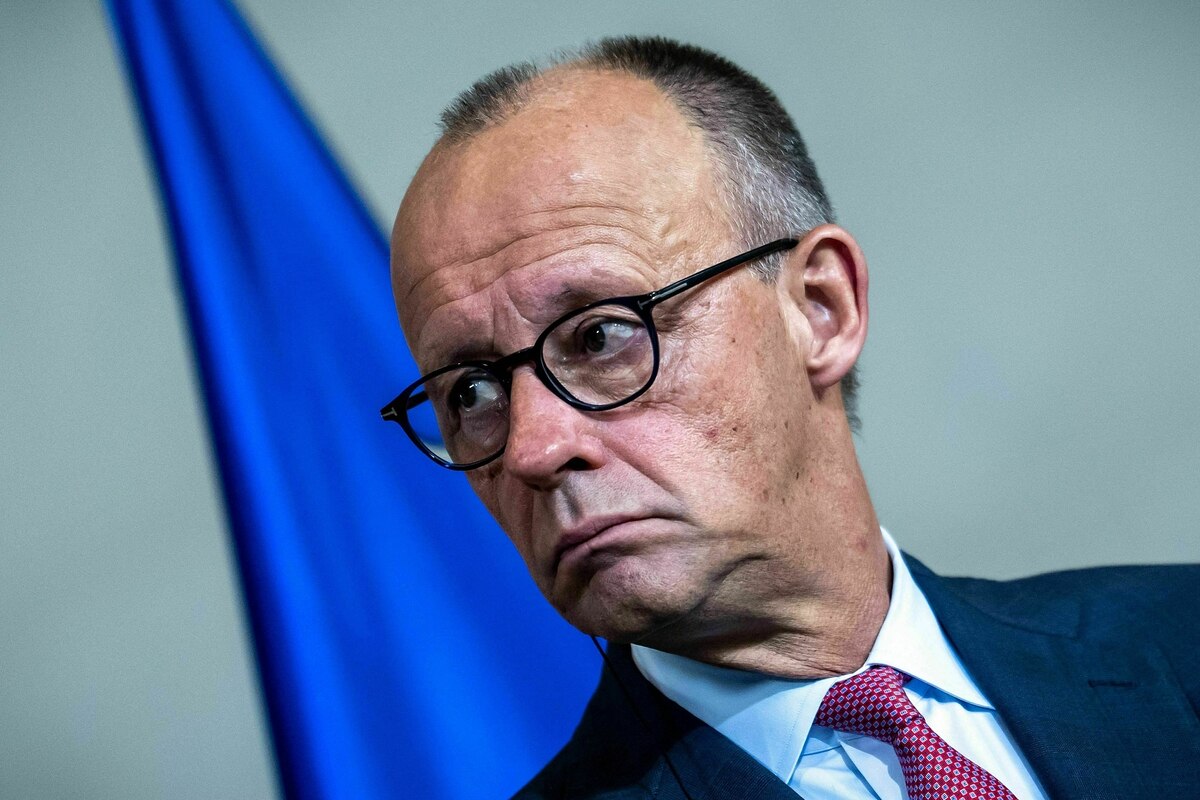
Chancellor Friedrich Merz has been unequivocal. "The level of the new proposal is not a basis for an agreement," he stated, emphasizing that the EU budget must be affordable for those who provide the majority of the funding. The German position is driven by a desire to keep the EU’s "own resources" contributions manageable for domestic taxpayers. Merz is effectively leading a bloc of net contributors who view the current fiscal trajectory of the EU as a threat to national stability.
The European Parliament’s Defiance
The European Parliament, often the institution most in favor of an expansive budget, has reacted with hostility. Carla Tavares, representing the Social Democrats (S&D) on budget matters, warned that the proposal would rob Europe of its future. "It means less competitiveness, less social protection, and less security," she argued.
The Conservative faction in the Parliament, led by CDU/CSU group leader Niclas Herbst, has also pushed back. Herbst argued that "blanket cuts are not an answer to the challenges of our time." He emphasized that if the member states want the EU to take on greater responsibility—particularly in defense and geopolitical influence—they must provide the necessary financial foundation.

The Green Perspective
The Greens have criticized the lack of vision, particularly regarding revenue streams. "Unfortunately, the Irish Council Presidency has not included the Parliament’s demands for a digital tax or crypto-taxation among its own resources," said Rasmus Andresen, the Greens’ budget spokesperson. By focusing only on cuts rather than innovative new revenue streams, critics argue that the Council is failing to modernize the EU’s financial architecture.
Implications for the Future of the Union
The current standoff is not merely about accounting; it is about the fundamental identity of the European Union.
The Risk of Fragmentation
By leading a coalition of "frugal" states against the rest of the bloc, Germany risks being perceived as a barrier to European progress. This is particularly problematic at a time when the EU is attempting to present a united front against external threats and economic volatility. If the impasse continues, the EU may be forced to rely on "ad-hoc" financing solutions, which are less transparent and more prone to political friction.

Stalled Strategic Autonomy
The cuts to defense and research come at the worst possible time. With a shifting geopolitical climate and the need to accelerate the green and digital transitions, a weakened budget directly correlates to a weakened Europe. If the EU cannot fund its own priorities, it will inevitably become more dependent on external partners, undermining the long-term goal of European sovereignty.
The "Year-End" Deadline
Both Germany and Ireland are officially aiming for an agreement by the end of the year. However, the current level of antagonism suggests that a consensus is far from reach. If the summit in Brussels fails to produce a breakthrough, the union will face a period of prolonged uncertainty, potentially damaging investor confidence and slowing down critical infrastructure projects across the continent.
Ultimately, the dispute over the EU budget is a test of whether the member states can transcend national interest for the sake of a collective future. As the debates in Brussels loom, it is clear that the "frugals" and the "investors" are speaking two different languages. Whether they can find a common vocabulary before the fiscal deadline expires remains the most pressing question in European politics.