Berlin, October 23, 2026 – Germany’s federal states have issued a resolute call to the federal government, urging the swift presentation of a concrete proposal for a cap on fuel prices. The demand comes with increasing urgency as the temporary reduced tax rate on petrol and diesel is set to expire on January 1, 2027, threatening a significant hike in costs for consumers and businesses alike. The states’ collective plea underscores a growing national concern over energy affordability and economic stability in a period marked by persistent inflation and geopolitical volatility.
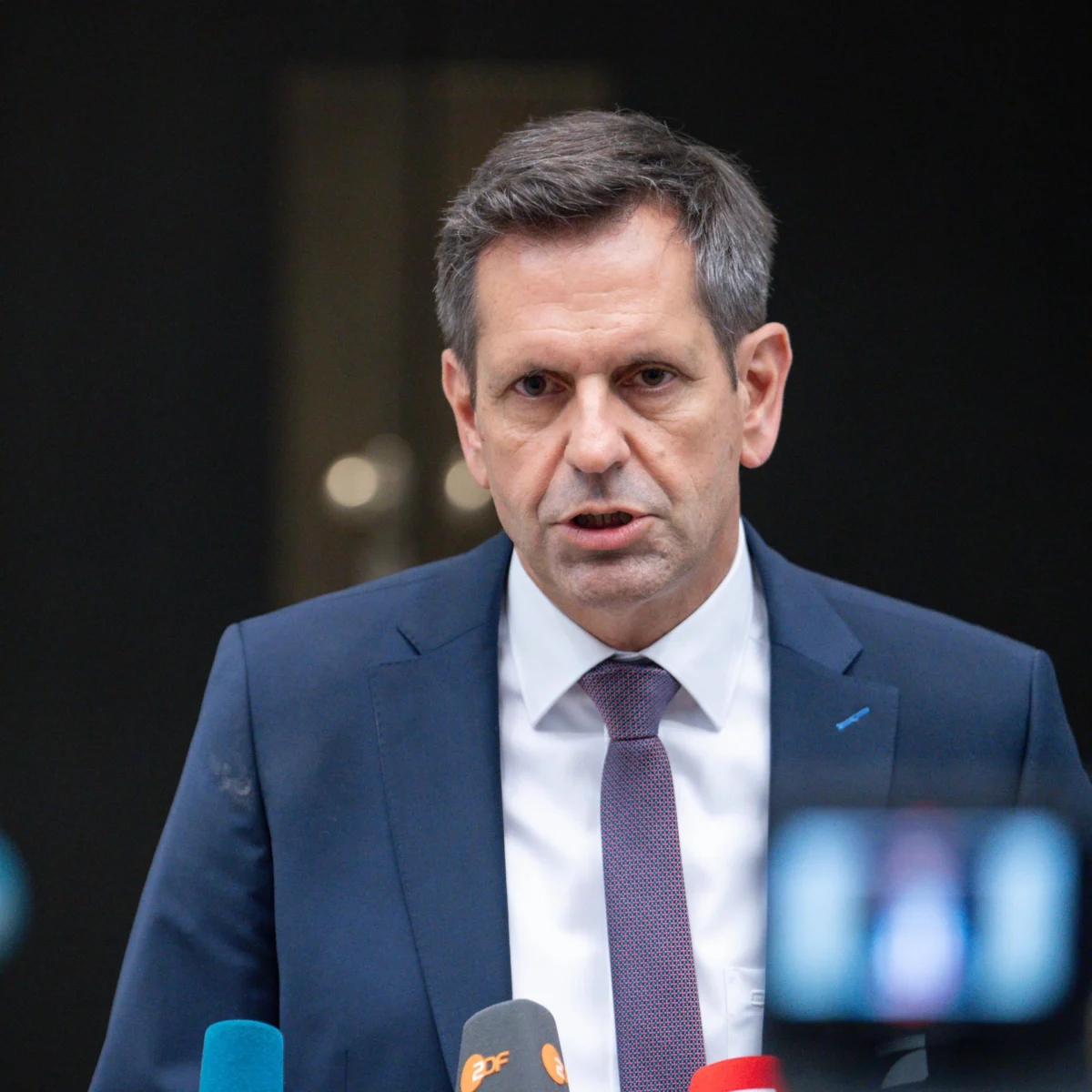
The impetus for this demand was articulated by Olaf Lies, the Social Democratic (SPD) Minister-President of Lower Saxony, who spoke in Berlin following a meeting of state leaders. Lies emphasized that such a measure is crucial to provide citizens with a sense of security and to ensure a fundamental form of economic justice. "This instrument should give people the security that there is a form of justice and that they are not paying for higher corporate profits at the petrol station," Lies stated, reflecting a widespread public sentiment that current fuel prices disproportionately benefit energy companies.
He stressed that the federal government now bears the responsibility to resolve this issue and provide clarity on how the situation will unfold after the turn of the year. The impending expiration of the lower tax rate, initially introduced as a relief measure during previous energy crises, casts a long shadow over household budgets and the logistical costs of countless businesses across the country. The federal government had previously indicated in September that it would engage in discussions with the mineral oil industry regarding a potential fuel price cap, but concrete outcomes or proposals have yet to materialize.
Beyond the critical issue of fuel prices, the states also voiced additional demands, calling for greater federal engagement in supporting Germany’s vital seaports and advocating for the introduction of a new criminal offense specifically targeting the solicitation of donations for terrorist organizations. These supplementary demands highlight a broader agenda of national security and economic competitiveness, yet it is the immediate concern over fuel costs that currently dominates the political discourse.
The Impetus for Intervention: A Nation on Edge
The unified stance of the German federal states is not merely a political manoeuvre but a direct response to palpable public anxiety and the stark economic realities facing millions of citizens. For months, the cost of living has been a central concern, with energy prices, particularly fuel, acting as a major driver of inflationary pressures. The prospect of an automatic price increase at the pumps due to the reintroduction of the full tax rate has amplified these fears, prompting state leaders to take decisive action.
The Looming Deadline and Consumer Anxiety
The deadline of January 1, 2027, represents a critical juncture. The current reduced tax rate on petrol and diesel, originally implemented as part of a broader package of relief measures, has provided a degree of cushioning against the volatility of global energy markets. Its expiry would mean an immediate and noticeable jump in fuel prices, impacting everything from daily commutes to the cost of transporting goods. This potential shock comes at a time when many households are already struggling with increased food prices, rising rents, and higher heating costs. For businesses, especially those in logistics, agriculture, and local services, an increase in fuel expenses translates directly into higher operational costs, which are often passed on to consumers, further fueling inflation.
Olaf Lies: Championing Fairness and Security
Minister-President Olaf Lies, a prominent voice from the SPD, has positioned himself as a strong advocate for consumer protection and economic fairness. His remarks underscore a fundamental tension between market principles and social responsibility. By explicitly linking high fuel prices to "higher corporate profits," Lies taps into a popular narrative that large corporations are benefiting unduly from crises, while ordinary citizens bear the brunt. This sentiment is particularly strong in a social democracy like Germany, where the concept of a "social market economy" implies a degree of state intervention to ensure equitable outcomes and protect vulnerable populations. Lies’s call for a price cap is therefore framed not just as an economic necessity but as a moral imperative to restore a sense of justice and security for the populace.
A Chronology of Rising Tensions and Past Interventions
The current demand for a fuel price cap is not an isolated incident but the latest chapter in a prolonged struggle to manage energy costs and their impact on the German economy and society. The narrative of rising tensions and government interventions stretches back several years, reflecting a volatile global energy landscape and domestic policy responses.
The Energy Crisis and Initial Responses (2022-2023)
The most significant catalyst for heightened fuel price concerns was the onset of the energy crisis in 2022, triggered by geopolitical events, most notably Russia’s full-scale invasion of Ukraine. This led to unprecedented surges in global oil and gas prices, severely impacting European economies. In response, the German federal government, under Chancellor Olaf Scholz, implemented a series of relief measures.
One of the most notable was the "Tankrabatt" (fuel discount) in the summer of 2022, which temporarily reduced the energy tax on petrol and diesel. While providing some immediate relief to consumers, its effectiveness and long-term impact were debated. Critics argued that a significant portion of the discount was absorbed by oil companies, rather than being fully passed on to consumers, and that it stimulated demand, running counter to climate goals. Nevertheless, it highlighted the government’s willingness to intervene in the market to alleviate consumer burden. Other relief packages, including the "9-Euro-Ticket" for public transport and direct energy cost subsidies, further demonstrated the federal government’s commitment to mitigating the economic fallout of the crisis. These measures, however, were largely temporary, setting the stage for the current dilemma as their expiry dates approached.
Federal Government’s September Initiative
In September of the current year (2026), recognizing the persistent high fuel prices and the impending expiration of the reduced tax rate, the federal government announced its intention to enter into discussions with the mineral oil industry regarding a potential fuel price cap. This announcement was likely an attempt to proactively address the brewing public discontent and explore market-based or regulatory solutions. The rationale behind engaging with the industry was presumably to find a mutually agreeable solution that would stabilize prices without unduly harming the energy sector or distorting the market excessively. However, the lack of a concrete proposal emerging from these talks by late October indicates either a failure to reach consensus, the complexity of the issue, or a cautious approach by the federal government. This delay has undoubtedly contributed to the states’ decision to issue their formal demand.
The States’ United Front: October 23, 2026
The coordinated demand from the federal states on October 23, 2026, marks a significant escalation. It represents a unified front across various political affiliations, indicating the widespread nature of the concern. While state governments often have differing priorities, the issue of fuel prices has evidently transcended partisan lines, uniting them in their call for federal action. This collective demand places considerable pressure on the Scholz government, which must now navigate the expectations of the states, the concerns of consumers, the warnings of industry, and the internal dynamics of its own coalition. The urgency of their appeal also serves as a clear signal that the states are unwilling to accept a passive approach as the January 1st deadline rapidly approaches.
The Economic Landscape: Data Underpinning the Demand
The states’ demand is rooted in a complex economic reality, characterized by persistent inflationary pressures, the unique dynamics of the energy market, and the varying impacts on different segments of society. Understanding the data and expert opinions surrounding these factors is crucial to grasping the full scope of the situation.
Inflationary Pressures and Household Budgets
Germany, like many other European nations, has been grappling with elevated inflation rates for an extended period. While headline inflation might have receded from its peaks, core inflation often remains stubbornly high, indicating broad-based price increases across the economy. Energy costs, particularly fuel, play a significant role in this, as they feed into the production and transportation costs of nearly all goods and services. For the average German household, fuel expenses represent a substantial portion of their monthly budget, especially for those in rural areas or dependent on private vehicles for commuting. A significant price hike could push many households, particularly low-income families and pensioners, closer to the brink, forcing them to make difficult choices between essential expenditures. The states’ demand implicitly acknowledges this social dimension, aiming to shield the most vulnerable from further economic hardship.
Industry Perspectives: The Energy Sector’s Stance
The mineral oil industry, represented by associations like the German Mineral Oil Industry Association (MWV), typically argues against price caps, citing fundamental market principles. Their arguments often revolve around several key points:
- Market Distortion: Price caps interfere with the natural supply and demand mechanisms, leading to inefficient resource allocation.
- Investment Disincentives: Artificially low prices can reduce profitability, discouraging necessary investments in infrastructure, refining capacity, and cleaner energy technologies.
- Supply Shortages: If prices are capped below production or import costs, companies may reduce supply to the affected market, potentially leading to shortages at the pumps.
- Operational Costs and Global Market: Companies emphasize that fuel prices are heavily influenced by global crude oil prices, refinery margins, transportation costs, and currency exchange rates, which are largely beyond their control. They argue that their profit margins are often not as exorbitant as perceived by the public, especially when factoring in the significant investments required for exploration, refining, and distribution.
Expert Opinions: Navigating Economic Complexities
Economists are divided on the efficacy and desirability of fuel price caps.
- Arguments Against Caps: Many liberal and market-oriented economists warn that price caps are a form of market intervention that can have unintended negative consequences. They argue that while they might offer short-term relief, they can lead to supply shortages, create black markets, encourage wasteful consumption (by removing the price signal for scarcity), and ultimately burden taxpayers if the government has to subsidize the difference. They often advocate for targeted social transfers to vulnerable households rather than broad market interventions.
- Arguments for Caps (in specific circumstances): Some economists and policy experts might argue that in times of extreme market volatility or suspected profiteering, temporary price caps could be justified as a measure to stabilize the economy and protect consumers. However, they usually emphasize that such measures should be short-lived, transparent, and carefully designed to avoid severe market distortions.
- Energy Analysts: These experts often highlight the complex interplay of global factors, such as OPEC+ production decisions, geopolitical tensions in major oil-producing regions, and the strength of the Euro against the US dollar (as oil is primarily traded in dollars). They stress that domestic policies, while important, can only partially insulate a country from these global forces.
The European Context: Lessons from Neighbors
Germany is not alone in facing high fuel prices. Across the European Union, governments have implemented various strategies to mitigate the impact. Some countries have opted for temporary tax reductions, similar to Germany’s "Tankrabatt." Others have introduced direct subsidies for specific sectors or low-income households. A few have explored forms of price regulation or caps, often focusing on electricity or gas rather than liquid fuels. For instance, France has implemented price shields for electricity and gas, and some Eastern European countries have had temporary fuel price freezes. Germany’s consideration of a cap on fuel prices would place it among a smaller group of EU nations opting for such direct market intervention for liquid fuels, making it an important case study for its potential benefits and drawbacks.
Official Responses and Political Stances
The demand from the states places the federal government in a difficult position, requiring it to balance competing interests and ideologies within its coalition and across the political spectrum.
The Federal Government’s Dilemma
The ruling "traffic light" coalition (SPD, Greens, FDP) is inherently diverse, with each party bringing different ideological perspectives to economic policy.
- SPD (Social Democrats): Generally supportive of state intervention to protect consumers and ensure social justice. Chancellor Scholz and SPD ministers are likely to be amenable to exploring a price cap, especially under pressure from their state counterparts and public opinion.
- Greens: While prioritizing climate action and disincentivizing fossil fuel consumption, they also have a strong social justice wing that would be concerned about the impact of high prices on vulnerable households. They might support targeted relief or caps if framed as a temporary measure to alleviate hardship, but would prefer long-term solutions that promote energy transition.
- FDP (Free Democratic Party): As staunch advocates of market liberalism, the FDP, particularly Finance Minister Christian Lindner, is highly skeptical of price caps. They typically argue that such interventions distort markets, are costly to taxpayers, and send the wrong economic signals. Lindner has consistently emphasized fiscal prudence and adherence to market principles.
This internal ideological divide makes reaching a consensus challenging. The Chancellery, led by Olaf Scholz, will have to perform a delicate balancing act, attempting to satisfy the states’ demands while maintaining coalition unity and adhering to fiscal responsibilities. The September announcement of talks with the industry was likely an attempt to find a non-interventionist solution, but its apparent failure has now heightened the pressure for more direct action.
Opposition’s Scrutiny
Opposition parties are quick to capitalize on the government’s perceived inaction or indecision.
- CDU/CSU (Christian Democratic Union/Christian Social Union): While generally favouring market solutions, the conservative opposition is also keen to present itself as a champion of the middle class. They might call for more robust relief measures, potentially including tax cuts or targeted subsidies, but might also express reservations about direct price caps due to their market-distorting effects. They will undoubtedly criticize the government for its perceived failure to manage the energy crisis effectively.
- The Left Party: As a party advocating for stronger state control and social welfare, The Left would likely support comprehensive price caps and even nationalization of key energy infrastructure to protect consumers. They will criticize any solution perceived as too lenient on energy corporations.
- AfD (Alternative for Germany): The far-right AfD often employs populist rhetoric, demanding immediate and drastic measures to lower prices, often without detailing viable economic plans. They would likely support a price cap, framing it as a necessary protection for the "common man" against government and corporate failures.
Industry and Consumer Advocates Weigh In
- Mineral Oil Industry Associations: These bodies will continue to warn against price caps, emphasizing the potential for supply disruptions, reduced investment, and the inherent volatility of global energy markets. They will likely argue that such measures would ultimately harm the German economy.
- Consumer Protection Groups (e.g., ADAC, VZBV): Organizations like the German Automobile Club (ADAC) and the Federation of German Consumer Organizations (VZBV) will likely support measures that directly alleviate consumer burden. While they might not explicitly demand a price cap, they will push for effective solutions to stabilize and lower fuel prices, emphasizing the need for transparency and fairness in pricing.
Broader Implications and the Path Forward
The decision regarding a fuel price cap carries significant implications, extending beyond immediate economic relief to touch upon political stability, environmental goals, and Germany’s international standing.
Political Fallout and Federal-State Relations
A failure to agree on an effective measure to address rising fuel prices could strain federal-state relations. The states’ collective demand highlights a potential disconnect between federal policy and regional realities. If the federal government is perceived as unresponsive or ineffective, it could erode public trust and have repercussions in upcoming state or federal elections. Coalition stability within the "traffic light" government could also be tested, particularly if the FDP remains steadfast in its opposition to market intervention, forcing a difficult compromise or even a potential crisis.
Economic Repercussions of a Cap or No Cap
- If Capped: While providing immediate relief, a price cap would likely entail significant subsidy costs for the federal budget, potentially increasing national debt. It could also lead to artificial demand, strain supply chains, and potentially result in cross-border "fuel tourism" if prices in Germany become significantly lower than in neighbouring countries. There’s also the risk of discouraging investment in alternative, cleaner fuels if fossil fuel prices are artificially suppressed.
- If Not Capped: The continued rise in fuel prices, particularly after the tax rate increase, would exacerbate inflationary pressures, further erode consumer purchasing power, and negatively impact business profitability, especially for SMEs. This could lead to a slowdown in economic growth and potentially increase social inequality.
Environmental Considerations: A Double-Edged Sword
From an environmental perspective, lower fuel prices, even if achieved through a cap, present a double-edged sword. While providing economic relief, they could inadvertently disincentivize energy saving and the transition to more sustainable modes of transport or electric vehicles. This directly conflicts with Germany’s ambitious climate goals, which aim to reduce reliance on fossil fuels. Any long-term solution must therefore carefully consider how to balance immediate economic relief with the overarching objectives of climate protection and energy transition.
Beyond Fuel: Other Demands from the States
The states’ other demands, while overshadowed by the fuel price debate, are also crucial:
- Seaport Infrastructure: The call for greater federal engagement in German seaports underscores their vital role in national and European trade. Investing in seaport infrastructure is essential for maintaining Germany’s competitiveness in global supply chains, ensuring economic security, and adapting to the demands of larger vessels and evolving logistics.
- Terrorism Funding: The demand for a new criminal offense targeting the solicitation of donations for terrorist organizations highlights a national security priority. It reflects a growing awareness of the sophisticated methods used by terrorist groups to finance their activities and the need for robust legal frameworks to counter them. This issue also has international implications, as Germany seeks to align its anti-terrorism efforts with global standards and cooperate with international partners.
Conclusion
The federal government faces a formidable challenge as it navigates the urgent demand from the states for a fuel price cap. The confluence of a looming tax increase, persistent inflation, public anxiety, and conflicting economic ideologies creates a complex policy environment. The decision made in the coming weeks will not only determine the immediate financial burden on millions of Germans but will also have profound implications for the government’s political stability, the nation’s economic trajectory, and its commitment to both social justice and environmental sustainability. The expectation is clear: the federal government must present a viable, equitable, and sustainable solution to the fuel price conundrum, and soon.