Brussels, Belgium – May 13, 2026 – In a significant move to revolutionize European rail travel, the European Commission has unveiled ambitious plans aimed at simplifying ticket bookings, enhancing passenger rights, and ultimately making train journeys across the continent more attractive and accessible. The proposals, hailed as a potential "game-changer" by EU Transport Commissioner Apostolos Tzitzikostas, seek to dismantle the current labyrinthine booking systems and bolster traveler protections in the face of delays and cancellations.
The initiative addresses a long-standing frustration for many European citizens. A recent EU-wide survey revealed that a quarter of individuals who have attempted to book multi-operator train journeys across borders found the experience to be difficult or very difficult. This often translates into a cumbersome process requiring multiple applications, numerous browser tabs, and a significant investment of time and patience. The Commission’s vision is to consolidate this fragmented landscape into a unified and user-friendly system, fostering a more integrated and sustainable transport network.
The Vision: One Journey, One Ticket
At the heart of the Commission’s proposal lies the concept of "One Journey, One Ticket." This fundamental shift aims to eliminate the need for travelers to piece together itineraries by booking with disparate rail operators individually. Under the proposed framework, national rail companies, such as Deutsche Bahn, would be mandated to offer tickets for services operated by foreign companies, like France’s SNCF, within their booking platforms. Crucially, these tickets would be available at the same prices as those offered by the originating company, addressing current disparities where booking location can significantly impact cost.
This move is expected to inject greater transparency into the European rail market. Commissioner Tzitzikostas articulated this point, stating, "Transparency fosters competition. We are firmly convinced that this new regulation will also contribute to more affordable rail travel in the long run and lower ticket prices for rail journeys." The hope is that by breaking down these booking barriers, more travelers will opt for rail over other modes of transport, aligning with the EU’s broader climate goals.
Furthermore, the proposed legislation includes provisions for passengers to easily ascertain the carbon footprint of their journeys. This feature is seen as a vital step towards the European Union’s ambitious target of achieving climate neutrality by 2050, a commitment reiterated by European Commission President Ursula von der Leyen in her political guidelines for the new Commission.
Strengthening Passenger Rights: A Safety Net for Travelers
Beyond the booking process, the Commission’s proposals place a strong emphasis on enhancing passenger rights, providing a more robust safety net for travelers experiencing disruptions. The current system often leaves passengers vulnerable when connections are missed due to delays on the initial leg of their journey.
The new regulations aim to ensure comprehensive protection in such scenarios. If a traveler misses a connecting train due to a delay on their first service, they would be entitled to take an alternative train, even if they do not have a pre-booked ticket for it. In instances where no further train is available on the same day, the cost of an overnight hotel stay would be covered.
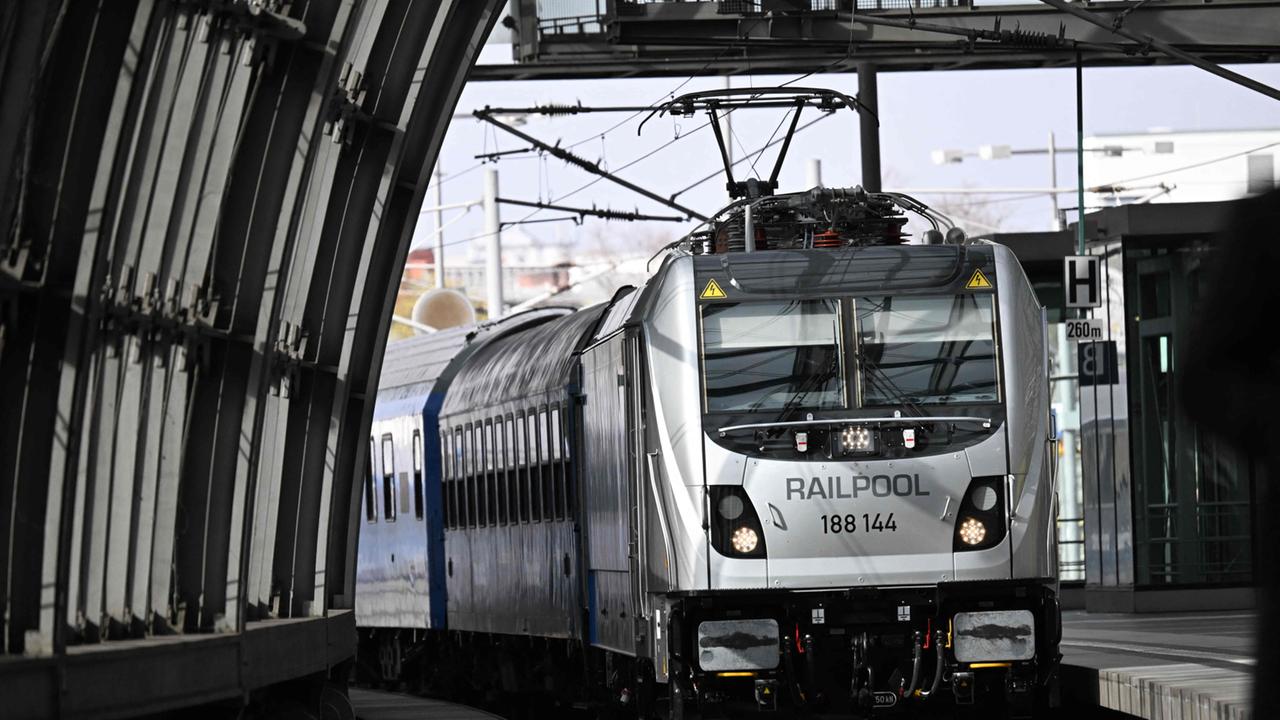
While the framework for these protections is being established, specific organizational details are still under discussion. MEP Lena Schilling of the Greens has proposed the implementation of a standardized form for all problematic situations across the EU, aiming to streamline the claims process for passengers.
Navigating the Challenges: Industry Concerns and Bureaucratic Hurdles
While the overarching goals of the EU’s initiative are widely supported, the practical implementation presents several challenges and has drawn some criticism. Jens Gieseke, transport policy spokesperson for the European People’s Party (EPP) group, which includes the CDU and CSU, acknowledged the importance of increased passenger rights but also highlighted the need for clarity regarding liability and cost-sharing between different rail operators. "The question is: What about liability? Who pays for which part? Do I run the risk of being liable for the total sum, even if I only provide a partial service?" he questioned.
Concerns have also been raised about the potential for increased bureaucracy for rail companies. Christian Böttger, Professor of Transport Engineering at the Berlin University of Applied Sciences, pointed out the significant IT undertaking required to integrate ticketing systems, especially considering the complexity of current systems that often include numerous special offers. "Train ticketing systems today are quite large systems, including all these special offers," he stated. "It would be a tremendous IT effort to connect all of this, and all of that for this little bit of international business." Böttger further questioned the potential for these changes to attract new customers, suggesting that an expansion of international train routes might be a more effective strategy.
A Glimpse into the Future: Timeline and Next Steps
The EU Commission’s proposals are now set to be reviewed by the European Parliament and the Member States. If approved, the new regulations could come into effect approximately one year after their final adoption. This timeline suggests that European travelers may soon experience a significantly streamlined and more secure rail travel experience, marking a pivotal moment in the ongoing effort to promote sustainable and integrated mobility across the continent. The journey towards a truly unified European rail network is underway, promising a future where booking a train ticket is as simple as a few clicks, and passengers can travel with greater confidence and peace of mind.
Summary of Key Proposals:
- "One Journey, One Ticket": A single booking platform for multi-operator rail journeys across the EU.
- Price Transparency: Mandated offering of tickets at the same prices as the originating operator, regardless of booking location.
- Carbon Footprint Information: Passengers will be able to see the CO2 emissions of their train journeys.
- Enhanced Passenger Rights:
- Automatic re-routing on alternative trains in case of missed connections due to delays.
- Provision of hotel accommodation if no further train is available on the same day.
- Streamlined Complaint Process: Potential for a standardized form for all disruption-related claims.
Timeline:
- Current Stage: Proposals submitted to the European Parliament and Member States for review and approval.
- Potential Implementation: Approximately one year after final adoption.
The success of these ambitious plans will hinge on effective collaboration between the European institutions, national governments, and the rail industry to overcome the technical and logistical challenges, ultimately delivering on the promise of a more connected and sustainable European travel experience.