Washington D.C. – Following an unexpectedly strong performance in the 2022 Midterm elections, the Democratic Party finds itself at a pivotal juncture, grappling with an intensified internal debate over its ideological future. While the results defied historical trends and delivered a crucial victory, they simultaneously highlighted the enduring tension between the party’s ascendant progressive wing and its traditional moderate establishment. Top Democratic leaders in Congress, buoyed by electoral success in diverse districts, are signaling a commitment to a pragmatic, centrist course, a strategy many political observers deem essential for navigating a nation often described as "center-right."
The 2022 Midterms were widely anticipated to be a "red wave" election, with Republicans expected to gain significant majorities in both the House of Representatives and the Senate. Instead, Democrats managed to retain control of the Senate and lost the House by a narrow margin, a remarkable achievement for the party in power during a president’s first term. This outcome, however, has not unified the party behind a single vision but rather emboldened competing factions, each claiming the results as validation of their approach.
Main Facts: The Post-Midterm Landscape
The Democratic Party’s internal ideological struggle is not new, but the 2022 Midterm results have sharpened its focus. On one side stands the progressive wing, advocating for bold, transformative policies on issues ranging from climate change and healthcare to economic inequality and social justice. They argue that an energized base, motivated by ambitious proposals, is key to electoral success and that moderation risks alienating core supporters. On the other side, the moderate wing emphasizes electability, appealing to independent voters and disaffected Republicans through incremental policy changes, fiscal responsibility, and bipartisan cooperation. They contend that broad appeal, rather than ideological purity, is the path to sustainable power in a politically diverse nation.
Key figures are at the heart of this debate. In the House, Representative Hakeem Jeffries of New York, poised to take over leadership, represents a more centrist, pragmatic approach. In the Senate, Majority Leader Chuck Schumer of New York, a seasoned legislator, also champions a strategy focused on broad voter appeal. They face pressure from prominent progressives like California Congressman Ro Khanna and figures associated with the "Squad," who believe the party should lean further left to inspire its base and tackle pressing societal issues with urgency. Emerging voices from newly elected Democrats, particularly from traditionally conservative states, also play a crucial role, often advocating for a focus on practical, local concerns over national ideological battles.
Central to the moderate argument is the thesis put forth by political analysts like Elaine Karmack of the Brookings Institution: the United States remains a "center-right country." This perspective suggests that while pockets of liberalism exist, the overall electorate leans conservative, making a moderate stance essential for winning competitive races. Democrats, according to this view, perform best when their candidates are perceived as reasonable, bridging divides rather than exacerbating them.
Chronology of the Internal Debate
The seeds of the current ideological friction were sown long before the 2022 Midterms. Throughout President Joe Biden’s first two years in office, the Democratic Party navigated a delicate balance between fulfilling progressive aspirations and maintaining centrist appeal. Early legislative successes, such as the American Rescue Plan and the Infrastructure Investment and Jobs Act, demonstrated the potential for unity, yet also highlighted divisions. Debates over the expansive Build Back Better agenda, for instance, saw progressive priorities clash with the fiscal concerns of moderate Senators like Joe Manchin, ultimately leading to the bill’s demise in its original form. These legislative battles underscored the narrow margins of Democratic control and the immense power wielded by individual moderate lawmakers.
As the 2022 Midterm elections approached, internal tensions continued to simmer, particularly during primary season. Progressive candidates challenged incumbents or vied for open seats, often running on platforms that diverged significantly from those of their more establishment-backed opponents. The narrative spun by both wings ahead of the general election often reflected their preferred strategy: progressives called for bold messaging to mobilize young voters and minorities, while moderates urged candidates to focus on kitchen-table issues and avoid culture war topics that could alienate swing voters.
Election night 2022 brought unexpected relief and a complex interpretive challenge. While Republicans ultimately secured a slim majority in the House, their anticipated "red wave" failed to materialize. Democrats not only held the Senate but also performed strongly in key gubernatorial and state legislative races. This defiance of historical patterns immediately led to competing claims of validation. Progressives pointed to the strong turnout among younger voters and the success of some candidates who embraced progressive stances as proof that their agenda resonated. Moderates, conversely, highlighted the victories of pragmatic candidates in purple districts and states, arguing that their cautious approach prevented a Republican landslide. The success of candidates who tailored their messages to local electorates, often emphasizing moderation, became a key talking point for the party’s establishment, setting the stage for the current post-election debate over the party’s future direction.
Supporting Data and Context
The argument for a moderate path is often buttressed by demographic and historical voting data. Political scientist Elaine Karmack’s assertion that the U.S. is a "center-right country" is not without empirical basis. Decades of polling consistently show that a significantly larger percentage of Americans identify as conservative compared to those who identify as liberal. While the number of self-identified independents has grown, this group often leans conservative or is wary of extreme ideological positions from either party. This demographic reality profoundly shapes the electoral landscape, particularly in competitive swing districts and states.
Analyzing the 2022 Midterm results in detail reveals the nuanced success of the Democratic strategy. In states like Pennsylvania, where Democrat John Fetterman won a crucial Senate seat, and Michigan, where Governor Gretchen Whitmer secured re-election, candidates successfully blended progressive appeals with moderate pragmatism. Whitmer, for instance, positioned herself as a champion for reproductive rights while also focusing on economic development and bipartisan cooperation, securing a comfortable victory. Her performance, often cited as an example, stood in contrast to some other candidates who leaned further left and faced tougher battles or even defeat.
The success of Democrats in defending seats and even flipping some in historically Republican-leaning areas underscores the effectiveness of candidate-specific tailoring. In traditionally conservative Southern states or rural Midwestern districts, successful Democratic candidates often downplayed national progressive talking points, instead emphasizing local issues, economic stability, and a willingness to work across the aisle. This adaptability was crucial. For example, in North Carolina, Democrat Cheri Beasley, while ultimately unsuccessful in her Senate bid, ran a campaign that was largely seen as moderate and appealing to a broad coalition. Similarly, successful House candidates in diverse districts often showcased a pragmatic approach, focusing on tangible benefits for their constituents rather than broad ideological crusades.
Conversely, the argument from the progressive wing often highlights the importance of energizing the Democratic base, particularly young voters and minority groups, whose turnout is critical for victory. They point to issues like climate change, student debt, and healthcare access as areas where bold, progressive policies are not only morally imperative but also popular among key Democratic constituencies. They argue that while moderation might appeal to some swing voters, it risks dampening enthusiasm among the core base, leading to lower turnout. The challenge for the Democratic Party, therefore, is to find a way to reconcile these two seemingly divergent strategies – inspiring the base with a compelling vision while simultaneously appealing to the broader, often more moderate, electorate.
Official Responses and Future Leadership
The prevailing sentiment from the top echelons of the Democratic Party following the Midterms clearly favors a moderate, pragmatic approach. Senate Majority Leader Chuck Schumer articulated this vision, stating, "The voters did not give us the majority so that we could do what we want. They entrusted us with the majority so that we could do what they want – the American people." He further elaborated that what the American people want is lower living costs, an end to government corruption, and a check on former President Trump. This statement underscores a strategic pivot towards practical governance and away from potentially divisive ideological battles.
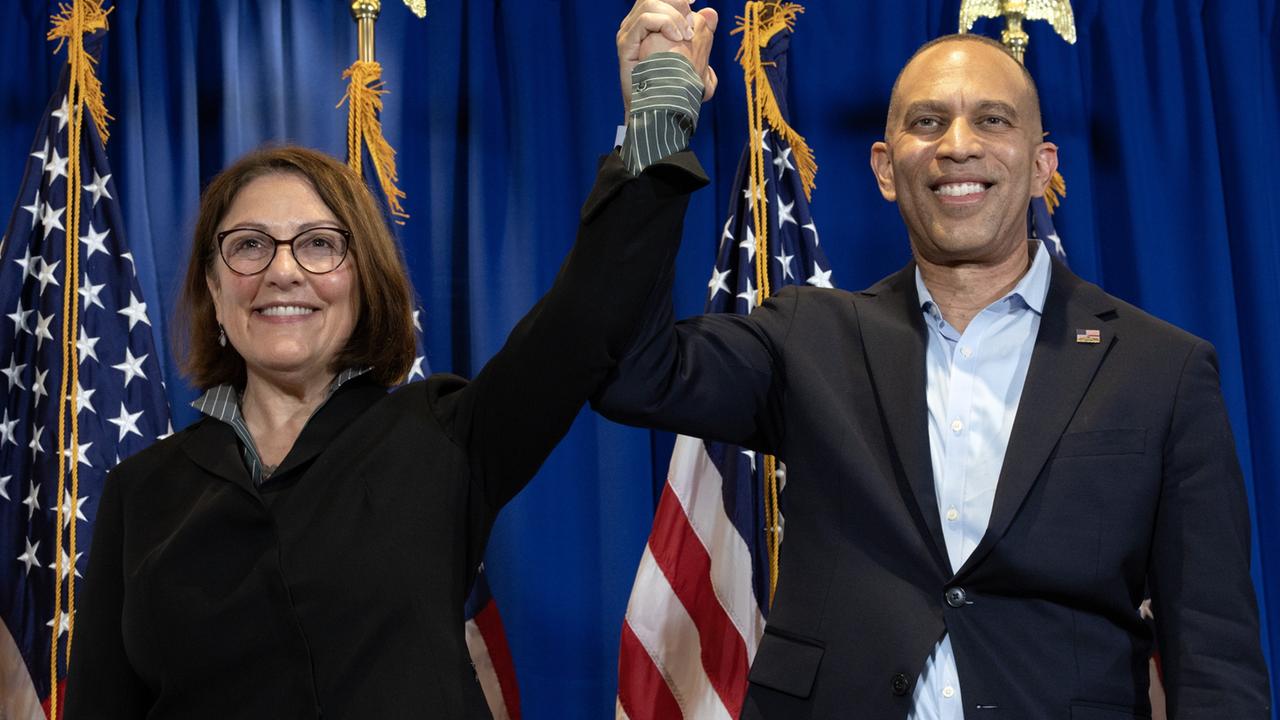
Hakeem Jeffries, poised to become the House Democratic Leader, echoes a similar sentiment. His ascent to leadership is widely seen as a generational shift and a move towards a more disciplined, message-focused party that seeks to appeal to a wider range of voters. Both Jeffries and Schumer are expected to resist significant pressure from the party’s left flank, prioritizing legislative wins achievable through compromise over pushing for policies that lack broad support. Their focus will likely be on defending existing gains, working on bipartisan infrastructure or economic measures where possible, and framing the Democratic agenda in terms of tangible benefits for working families.
However, this moderate stance is not without its internal challenges. While Jeffries and Schumer are likely to secure their leadership positions, they will face continuous scrutiny and potential resistance from the progressive caucus. The left wing of the party often criticizes establishment leaders for being too accommodating to Republicans and not aggressive enough in pursuing transformative change. They argue that compromising too readily dilutes the party’s message and fails to address the root causes of systemic issues.
Adding another layer to this dynamic are the voices of newly elected Democrats, particularly those from competitive or traditionally conservative areas. These "new stars" often represent a desire for a less confrontational, more results-oriented approach. James Talarico, a Senator-elect from Texas, articulated this sentiment clearly: "I’m not going to Washington to represent the Democratic Party, but our beautiful state and everyone who lives here. That’s why I look forward to working in a bipartisan way for all Texans." Similarly, Annie Andrews, a Senator-elect from South Carolina, emphasized cooperation: "The people are yearning so much for decency, bipartisan cooperation, compromise – and for a new generation of leaders – to try something new, and just for a new way of getting things done." These statements highlight a growing desire within the party for leaders who can transcend partisan divides and deliver concrete improvements for their constituents, rather than engaging in ideological warfare.
Implications for the Democratic Party’s Future
The internal ideological struggle within the Democratic Party following the 2022 Midterms carries profound implications for its future trajectory, legislative agenda, and electoral prospects in 2024 and beyond.
For the Democratic Party’s Platform and Messaging: The outcome of this debate will significantly shape the party’s official platform and messaging. A dominant moderate wing will likely lead to a focus on pragmatic solutions, economic stability, and appeals to broad coalitions, potentially downplaying more ambitious progressive proposals. Conversely, if the progressive wing gains more sway, the party might lean into bolder policies, risking alienation of swing voters but potentially energizing its base. The challenge will be to craft a message that can satisfy both factions without appearing contradictory or indecisive. The emphasis on "lower living costs" and "curbing government corruption" as articulated by Schumer suggests a pragmatic, rather than purely ideological, focus.
For the Legislative Agenda: With Republicans holding a narrow majority in the House, the legislative landscape for the next two years will be dominated by gridlock and the need for bipartisan compromise. The moderate inclination of Democratic leadership, coupled with the desire for tangible results expressed by new members from swing districts, could foster more opportunities for bipartisan cooperation on specific issues, such as infrastructure, government funding, or even limited reforms. However, this also means that ambitious progressive legislation will face an even steeper uphill battle, requiring significant strategic maneuvering and potential concessions. The "new way of getting things done" advocated by Andrews and Talarico could translate into a greater willingness to negotiate and find common ground.
For the 2024 Presidential Election: The internal debate will inevitably influence the Democratic Party’s strategy for the 2024 presidential election. If President Biden seeks re-election, his centrist appeal will likely be emphasized. However, if there are primary challenges, they could emerge from either the progressive or moderate flanks, testing the party’s ideological direction. The ability of the eventual nominee to unify these diverse factions will be crucial for electoral success against a potentially energized Republican opponent. The lessons from the 2022 Midterms – particularly the success of candidates who effectively tailored their messages to local electorates – will heavily inform campaign strategies.
Impact on Republican Strategy: Republicans will undoubtedly seek to exploit these internal Democratic divisions. They will likely attempt to paint the entire Democratic Party as beholden to its "radical left wing," even as Democratic leadership attempts to project a moderate image. This strategy aims to deter swing voters and further solidify the perception of the Democratic Party as extreme. Conversely, if Democrats successfully project a united, moderate front, it could diminish the effectiveness of such Republican attacks.
Public Perception and Party Cohesion: While the ideological tug-of-war is real, it is unlikely to "tear the Democrats apart," as the original article noted. The party’s relative strength in the current Congress, particularly in the Senate, allows for some degree of internal dissent without immediately jeopardizing legislative outcomes. However, the perception of a fractured party could undermine public trust and make it harder to present a cohesive vision. The ability of the Democratic Party to manage these internal tensions, foster dialogue, and ultimately present a unified, yet diverse, front will be critical for its long-term viability and success in an increasingly polarized political environment. The balancing act between energizing the base and appealing to the center will define the Democratic Party’s journey in the years to come.