Kyiv/Brussels, 05. November 2026 – Ukrainian President Volodymyr Zelenskyy has expressed significant optimism following the victory of the Democratic Party in the recent US Congressional elections. Speaking from Kyiv, Zelenskyy articulated his hope that the shift in congressional power would translate into an amplified commitment of American support for Ukraine in its ongoing war against the aggressor, Russia. This sentiment was echoed across the Atlantic by EU Foreign Policy Chief Kaja Kallas, who underscored the imperative of sustained transatlantic unity in confronting Moscow.
The Ukrainian leader’s remarks, made during an interview with the German public broadcaster ZDF, highlighted a strategic expectation: that a stronger show of support from the new US Congress, particularly in terms of increased financial aid and advanced weaponry, would exert considerable influence on Russian President Vladimir Putin. For Kyiv, the outcome of the US elections is not merely a domestic political development but a critical factor in the geopolitical equation determining the future trajectory of the conflict.
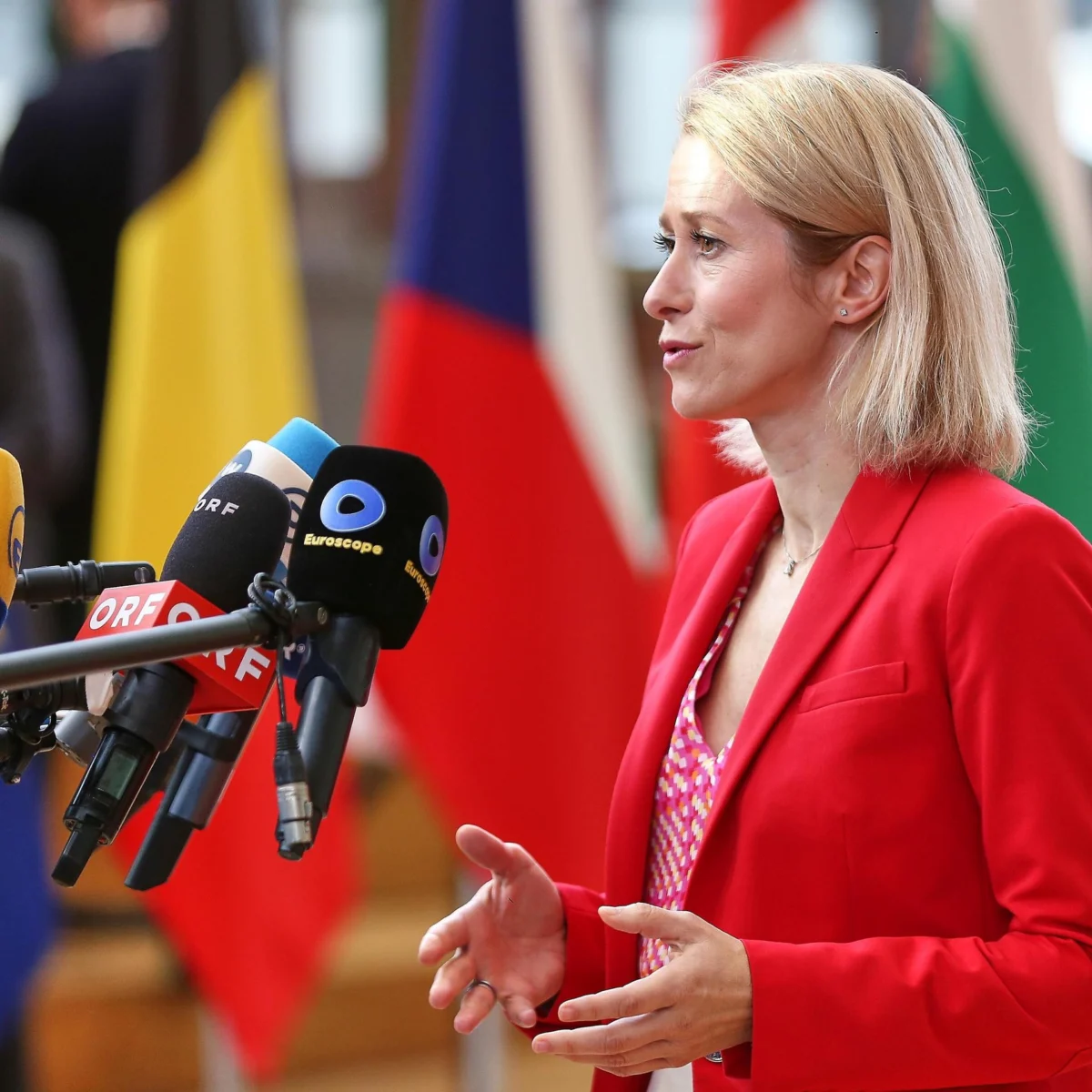
Kallas, speaking in Brussels, reinforced this perspective, stressing the collective strength of Europe and the United States. "Europe and the USA are together much stronger when it comes to pressing Russia to end the war," she stated, adding her hope for continued robust US congressional backing for Ukraine and intensified pressure on Moscow. The convergence of these views from key figures in Kyiv and Brussels signals a shared belief in the decisive role of Western solidarity in challenging Russian aggression.
A Pivotal Congressional Shift: Hopes for Reinforced US Commitment
The results of the US Congressional elections, culminating in a Democratic majority, have sent ripples of anticipation throughout Ukraine and its European allies. For President Zelenskyy, this electoral outcome represents more than just a political realignment; it is a potential turning point in the provision of crucial aid that underpins Ukraine’s defense and resilience. The Ukrainian government has long relied on consistent and substantial backing from Washington, recognizing the United States as its foremost international partner in terms of both military hardware and financial assistance.
Zelenskyy’s explicit linkage between a Democratic-controlled Congress and increased American support reflects a nuanced understanding of US legislative processes and partisan dynamics. While bipartisan consensus on supporting Ukraine has largely held since the full-scale invasion in February 2022, there have been intermittent concerns within Kyiv and European capitals about potential shifts, particularly from certain factions within the Republican Party that have voiced skepticism about the extent or duration of US involvement. The perceived strengthening of the Democratic Party’s hand in Congress is therefore interpreted as a bulwark against any potential erosion of commitment, promising a more predictable and potentially more expansive flow of aid.
The anticipated increase in "money and weapons" is not merely about augmenting existing supplies; it carries a profound psychological and strategic weight. Zelenskyy believes such a clear demonstration of unwavering Western resolve directly impacts the Kremlin’s strategic calculus. It signals to Moscow that the international coalition supporting Ukraine remains steadfast and capable of sustaining its efforts for the long haul, potentially complicating Russia’s plans for a protracted conflict and undermining its hopes of Western fatigue.
Chronology of Support: Navigating Shifting Political Tides
The journey to this point has been marked by a complex interplay of military developments on the ground, evolving geopolitical considerations, and the intricate domestic politics of Ukraine’s allies. The US commitment to Ukraine has been a cornerstone of the international response, evolving significantly since the initial stages of the conflict.
The Road to the 2026 Midterms
Prior to the 2026 US Congressional elections, the landscape of American support for Ukraine, while robust, was not without its complexities. Since the full-scale invasion began, the United States has committed tens of billions of dollars in security assistance, humanitarian aid, and financial support, establishing itself as the largest single donor to Ukraine’s war effort. This aid has been critical in bolstering Ukraine’s defense capabilities, allowing it to withstand relentless Russian assaults and even reclaim significant territories.
However, the run-up to the 2026 elections saw a growing discourse around the sustainability and scope of this aid. While a strong bipartisan majority in both the House and Senate had consistently approved aid packages, voices questioning the cost, the effectiveness, and the long-term strategy of US involvement had become more prominent, particularly within certain conservative circles. These concerns, though not representing a majority, fueled anxieties in Kyiv and Brussels. Ukrainian officials frequently emphasized the need for consistent and predictable support, wary of any potential political shifts in Washington that could disrupt the flow of critical resources. European leaders, too, closely monitored these debates, understanding that a weakening of US resolve would place an even greater burden on their own economies and defense capabilities. The potential for a divided Congress, or one dominated by factions less inclined to robust foreign aid, loomed large as a significant strategic risk for the Ukrainian cause.
Election Outcome and Immediate Reactions
The 2026 US Congressional elections ultimately delivered a victory for the Democratic Party, securing majorities in both chambers. This outcome was met with a collective sigh of relief in Kyiv and many European capitals. The immediate reactions from Ukrainian and European leaders underscored the critical importance they attached to the continuity of US foreign policy regarding the conflict.
President Zelenskyy’s prompt statement on ZDF was among the first and most prominent international responses, clearly articulating the strategic implications of the Democratic win. His swift reaction highlighted the direct correlation Ukraine draws between the composition of the US Congress and its own prospects for receiving vital military and financial backing. Similarly, EU Foreign Policy Chief Kaja Kallas’s statement from Brussels reiterated the European Union’s strong desire for a stable and committed US partner, emphasizing that a united transatlantic front is the most effective deterrent against Russian aggression. The Democratic victory is widely interpreted as cementing, at least for the immediate future, the pro-Ukraine stance in Washington, allowing for greater predictability in planning and resource allocation for the Ukrainian defense. This stability is seen as invaluable in a conflict where strategic foresight and consistent supply chains are paramount.
Supporting Data: The Lifeline of Western Assistance
The war in Ukraine has underscored the indispensable role of international aid, with the United States and the European Union leading the charge in providing comprehensive support. Understanding the scale and mechanisms of this assistance is crucial to appreciating the significance of a favorable US congressional outcome.
Quantifying US Aid to Date
Since the full-scale invasion, the United States has provided unprecedented levels of assistance to Ukraine. While exact cumulative figures for late 2026 are still being compiled, by mid-2026, the total US commitment in security, financial, and humanitarian aid had surpassed an estimated $150 billion. This includes sophisticated weaponry such as advanced air defense systems, long-range artillery, armored vehicles, and drones, which have been pivotal in allowing Ukraine to defend its skies, hold its lines, and conduct counter-offensives. Financial aid has helped stabilize Ukraine’s economy, keep essential government services running, and pay civil servants, preventing a complete collapse amidst the devastation of war. Humanitarian assistance has addressed the urgent needs of millions displaced and affected by the conflict. This monumental effort has not only equipped Ukraine militarily but also sustained its societal fabric under immense pressure.
Congressional Dynamics and Aid Mechanisms
The composition of the US Congress directly influences the speed and scale of aid delivery. Under a unified Democratic control, the process for approving aid packages is generally expected to be more streamlined. Key committees, such as the House Foreign Affairs Committee, Senate Foreign Relations Committee, and the Appropriations Committees in both chambers, would likely be chaired by Democrats who are staunch advocates for Ukraine. This facilitates the swift passage of legislative measures and budget allocations required for large-scale assistance.
Conversely, a divided Congress or one with significant opposition to Ukraine aid could introduce procedural hurdles, delays, and conditions that might slow down or reduce the flow of assistance. Debates over earmarks, oversight mechanisms, and the overall US budget could become more contentious, potentially impacting Ukraine’s ability to plan its defense effectively. The Democratic victory is thus seen as insulating Ukraine aid from such potential political gridlock, ensuring a more consistent and robust pipeline of support.
The European Contribution and Transatlantic Synergy
While the US has been the largest single donor, the European Union and its member states have collectively provided an even greater sum of aid, encompassing military, financial, and humanitarian assistance. By mid-2026, the EU’s total commitment, including contributions from individual member states, had exceeded €200 billion. This includes significant military packages from countries like Germany, France, Poland, and the Baltic states, as well as massive financial support channeled through the EU’s macro-financial assistance programs.
The synergy between US and European aid has been critical. US military technology, combined with European financial stability and logistical support, has created a formidable international support structure. Kaja Kallas’s emphasis on "Europe and the USA together" underscores this vital transatlantic cooperation. It’s not just about the volume of aid, but the coordinated effort, shared intelligence, and unified diplomatic front that amplifies the impact of individual contributions. Any perceived wavering from one side of the Atlantic invariably raises concerns on the other, making the Democratic victory in the US Congress a welcome sign of continued partnership.
Public and Political Sentiment
Public opinion in both the United States and Europe has largely remained supportive of Ukraine, though with varying degrees of intensity and concerns about the duration and cost. In the US, while a majority has consistently favored aiding Ukraine, polls have occasionally shown shifts, with some segments of the population expressing fatigue or prioritizing domestic issues. The Democratic platform generally aligns more closely with sustained international engagement and robust foreign aid, which is reflected in the party’s consistent advocacy for Ukraine.
In Europe, public support has been remarkably resilient, especially in countries bordering Russia or with a strong historical memory of Soviet aggression. However, economic pressures from energy price hikes and inflation have also led to some internal debates about the scale of national contributions. A clear and strong signal from Washington, reinforced by a unified Congress, serves to reassure European populations and political leaders that the burden is shared, thereby strengthening the collective resolve.
Official Responses: Voices from Kyiv, Brussels, and Beyond
The statements from President Zelenskyy and EU Foreign Policy Chief Kaja Kallas are not isolated remarks but rather represent a coordinated messaging effort aimed at leveraging the new political reality in Washington. Their words carry significant weight, both for their allies and for their adversary.
President Zelenskyy’s Strategic Calculus
In his ZDF interview, President Zelenskyy articulated a clear strategic rationale behind his hopes for increased US support. He posited that a robust and unambiguous commitment from the new US Congress, manifested through substantial financial injections and advanced weaponry, would have a direct and discernible impact on Russian President Vladimir Putin. Zelenskyy’s argument is rooted in the belief that Putin’s decision-making is heavily influenced by perceptions of Western unity and resolve. If the Kremlin sees any crack in the armor of international support, it is emboldened to prolong the conflict, hoping for eventual Western fatigue or division.
Conversely, a strengthened, unified front, particularly one led by a confident US Congress, sends an unequivocal message that the West is prepared to support Ukraine for as long as it takes to achieve a just peace. This, Zelenskyy suggests, would force Putin to reassess his objectives, potentially leading him to consider de-escalation or even negotiation on terms more favorable to Ukraine. The psychological impact on Russian military and political leadership, facing a seemingly inexhaustible wellspring of Western aid, could be as significant as the material impact on the battlefield. It undermines the Russian strategy of attrition and tests the limits of their resources against a continually resupplied and supported adversary.
EU’s Call for Sustained Pressure: Kaja Kallas on Transatlantic Unity
Kaja Kallas, as the EU’s top diplomat, echoed Zelenskyy’s sentiments with a particular emphasis on transatlantic unity. Speaking in Brussels, she highlighted the undeniable truth that "Europe and the USA are together much stronger when it comes to pressing Russia to end the war." This statement encapsulates the core tenet of Western strategy: that a coordinated, united front maximizes diplomatic leverage and minimizes Russia’s ability to exploit divisions.
Kallas’s call for the new US Congress to not only continue supporting Ukraine but also to "exert more pressure on Moscow" suggests a desire for an even more assertive and expansive approach. This could include further tightening of sanctions, increased enforcement of existing measures, and a more robust diplomatic offensive to isolate Russia on the international stage. Her comments reflect a shared European understanding that while Europe bears a significant geographical and economic burden of the conflict, the strategic weight and global influence of the United States are irreplaceable in shaping the international response and ultimately compelling Russia to cease its aggression. The continuity of strong US leadership in this coalition is therefore paramount for European security and stability.
Anticipated Reactions from Washington and Moscow
In Washington, the Democratic-led Congress is widely expected to reaffirm and potentially expand its commitment to Ukraine. Statements from the White House and State Department are anticipated to commend the bipartisan (even if led by one party) resolve, underscoring America’s unwavering support for Ukraine’s sovereignty and territorial integrity. Key congressional leaders are likely to prioritize swift action on upcoming aid packages, potentially exploring new mechanisms for long-term security assistance and reconstruction efforts. The Democratic victory also empowers the administration to push forward with its broader foreign policy agenda, which includes strengthening alliances and countering authoritarianism globally.
Conversely, Moscow’s reaction is likely to be a blend of dismissal and condemnation. Russian state media will almost certainly downplay the significance of the US election outcome, portraying it as an internal American affair that will not alter Russia’s strategic objectives. Official statements from the Kremlin might reiterate accusations of Western interference, claim that increased aid only prolongs the conflict, and assert that Russia will achieve its goals regardless of external support. However, behind this public bravado, analysts suggest that Russian strategists will be forced to undertake a serious reassessment. A sustained and potentially increased flow of advanced Western weaponry and financial aid complicates Russia’s war plans, potentially forcing a recalibration of military objectives, resource allocation, and even diplomatic approaches, albeit from a position of defiance.
Implications: A New Chapter in the Conflict?
The outcome of the US Congressional elections and the subsequent reactions from Kyiv and Brussels carry profound implications that could shape the next chapter of the Russia-Ukraine conflict, impacting all key players.
For Ukraine: Renewed Hope and Tangible Advantages
For Ukraine, the Democratic victory injects a vital dose of renewed hope and confidence. The expectation of consistent and potentially increased military aid means that Ukrainian forces can better plan for future operations, secure supply lines, and anticipate the delivery of critical, advanced weaponry. This tangible advantage on the battlefield translates into a stronger defensive posture and potentially more effective offensive capabilities, crucial for reclaiming occupied territories and defending against future attacks. Financially, sustained US assistance is a lifeline, helping to stabilize the national economy, support vital public services, and mitigate the devastating impact of war on its citizens. Beyond the material benefits, the perceived solidification of US support provides an immense morale boost to the Ukrainian people and their armed forces, reinforcing the belief that they are not alone in their struggle and that international solidarity remains robust.
For Russia: Escalated Pressure and Strategic Reassessment
For Russia, the Democratic triumph signals an escalation of pressure and necessitates a strategic reassessment. The prospect of an even more united and resourced Western front directly undermines Moscow’s long-held strategy of outlasting Western resolve. Increased aid to Ukraine means Russia will continue to face a well-equipped and highly motivated adversary, potentially leading to higher casualties, greater economic strain from sanctions, and a prolonged conflict that drains its resources. This scenario could force the Kremlin to reconsider its maximalist war objectives, potentially prompting internal debates about the sustainability of its current strategy. While Russia is unlikely to openly admit to external pressures influencing its decisions, the reality of a continually reinforced Ukraine will undoubtedly complicate its military and geopolitical calculations, potentially leading to a more defensive posture or a search for alternative diplomatic avenues, even if on its own terms.
Strengthening the Transatlantic Alliance
The strong alignment between the US and European leaders in their response to the election outcome reaffirms and strengthens the transatlantic alliance. The shared commitment to supporting Ukraine against Russian aggression underscores a fundamental convergence of values and strategic interests. A unified US Congress, working in concert with European partners, projects an image of cohesion and determination, which is vital for maintaining international stability and deterring future acts of aggression. This reinforced unity not only benefits Ukraine but also bolsters the collective security framework of NATO and the broader democratic world, demonstrating that democracies can effectively unite against common threats. It sends a clear message to other authoritarian regimes that challenges to the international rules-based order will be met with a resolute and coordinated response.
Global Geopolitical Ramifications
Beyond the immediate conflict, the implications extend to the global geopolitical landscape. The perceived solidity of Western support for Ukraine, driven by a unified US Congress and its European partners, sets an important precedent for international security. It reinforces the principle that territorial integrity and national sovereignty are sacrosanct and that aggression will incur severe and sustained consequences. This outcome could influence the behavior of other state actors contemplating similar aggressive actions, acting as a deterrent. Furthermore, it solidifies the position of the United States as a reliable global leader and partner, especially for nations seeking to counter authoritarian influence. The ongoing conflict in Ukraine, now potentially supported by a more unified Western front, continues to redefine international relations, alliances, and the global balance of power for years to come.
Conclusion: A United Front Against Aggression
President Zelenskyy’s hopeful remarks, echoed by EU Foreign Policy Chief Kaja Kallas, following the Democratic victory in the US Congressional elections, mark a moment of heightened optimism for Ukraine and its allies. The expectation of reinforced American support, encompassing both financial assistance and advanced military capabilities, is seen as a critical element in influencing Russia’s strategic calculus and ultimately bringing the devastating war to an end. This outcome not only promises tangible advantages for Ukraine on the battlefield and in its economic stability but also significantly strengthens the transatlantic alliance, projecting a united and resolute front against aggression. As the international community continues to grapple with the complexities of this conflict, the renewed commitment from Washington, in concert with unwavering European solidarity, stands as a testament to the enduring power of collective action in safeguarding democratic values and international peace. The message to Moscow is clear: the West remains steadfast, united, and determined to see Ukraine emerge victorious.