Munich/Berlin – November 5, 2026 – 07:31 AM CET
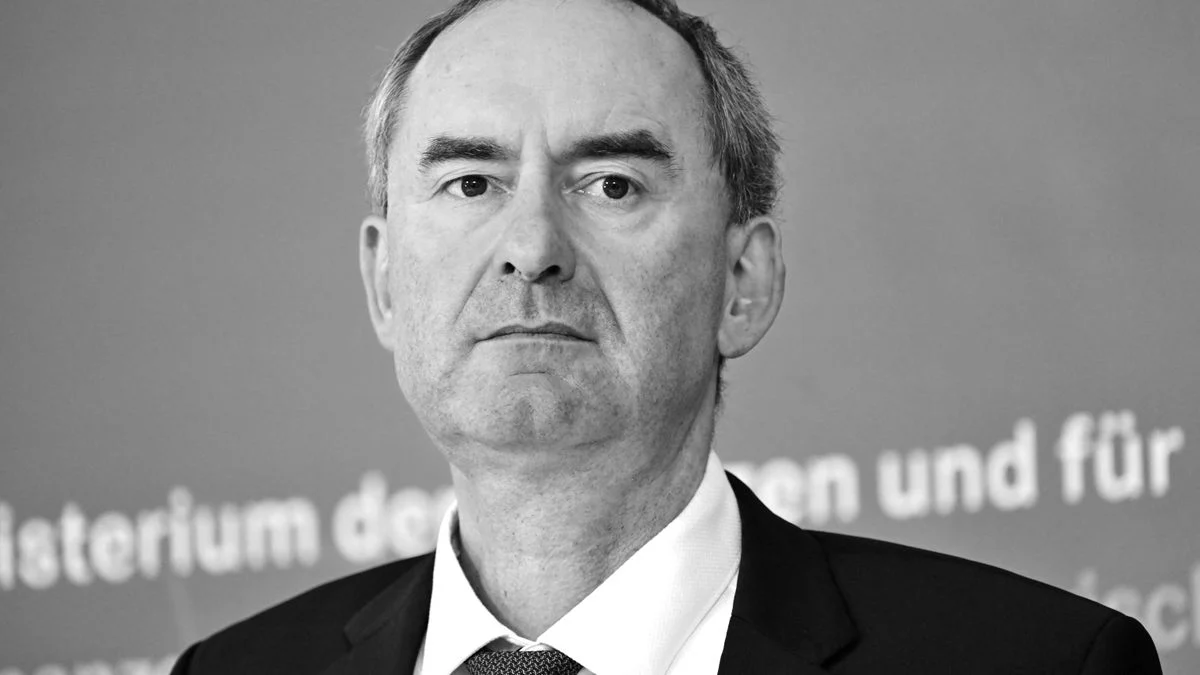
The political landscape of Bavaria and Germany has been plunged into profound shock and sorrow following the unexpected death of Hubert Aiwanger, leader of the Freie Wähler (Free Voters) party, at the age of 55. Aiwanger, a prominent figure in Bavarian politics and the state’s Deputy Minister-President and Minister for Economic Affairs, Regional Development, and Energy, was found lifeless in a Berlin hotel, triggering a wave of tributes and an immediate investigation into the circumstances of his passing. The news has sent reverberations across all political spectrums, with leaders describing his death as an "absolute tragedy" and a "great loss for Bavaria."
Main Facts: A Sudden End to a Vibrant Career
Hubert Aiwanger, a dynamic and often controversial politician, was discovered deceased in his hotel room in the German capital on Wednesday evening. The shocking news was confirmed by authorities and his party on Thursday morning. The 55-year-old had reportedly been absent from a crucial party event earlier in the day due to unspecified health reasons, a detail that now casts a somber light on the events preceding his death.
His sudden departure has elicited an outpouring of grief from colleagues, political rivals, and the public alike. Bavarian Minister-President Markus Söder, Aiwanger’s long-standing coalition partner, was among the first to express his deep dismay, calling it an "absolute tragedy." The Berlin public prosecutor’s office has initiated a death investigation, a standard procedure in such cases, to ascertain the precise cause of death and rule out any third-party involvement.
Aiwanger’s passing leaves a significant void not only within the Free Voters, a party he steered from a municipal movement to a formidable force in state politics, but also within the Bavarian state government, where he served as a crucial partner to the CSU. His unique blend of pragmatic regionalism, strong rural advocacy, and often outspoken style had made him an unmistakable voice in German public discourse.
A Sudden End: The Events Leading to His Death
The circumstances surrounding Hubert Aiwanger’s death are currently the subject of an ongoing investigation, leaving many questions unanswered and adding to the somber mood across Bavaria and beyond.
The Discovery in Berlin
The initial reports of Aiwanger’s death emerged late Wednesday evening, quickly spreading across news outlets and social media. He was found unresponsive in a hotel room in Berlin, where he had presumably been for political engagements. The specific details regarding who found him and when have not been fully disclosed, but the confirmation from his party and the subsequent official statements underscored the gravity of the situation. The location in Berlin, the heart of German national politics, further amplified the shock, as Aiwanger was a figure increasingly recognized on the federal stage.
Initial Health Concerns
Prior to the tragic discovery, there were indications that Aiwanger was not feeling well. According to information released by the German news agency dpa, Aiwanger had been scheduled to attend an important party event on Wednesday afternoon but had to be represented by a colleague due to health concerns. This detail, initially a minor note in his busy schedule, has now taken on tragic significance. It suggests that his health may have deteriorated suddenly, leading to his unavailability later in the day and ultimately to his discovery. The nature of these "health reasons" remains undisclosed, adding to the speculation and the need for a thorough investigation.
Investigative Procedures Underway
In response to the sudden and unexpected death, the Berlin public prosecutor’s office promptly launched a death investigation, known in Germany as a "Todesermittlungsverfahren." This is a standard legal procedure whenever a death occurs under circumstances that are not immediately clear, particularly outside of a hospital or in a sudden manner. The primary objectives of such an investigation are multi-faceted:
- Ascertaining the concrete cause of death: This typically involves forensic examinations and potentially an autopsy to determine the medical reasons behind the individual’s demise.
- Establishing the sequence of events: Investigators will piece together Aiwanger’s movements and activities in the hours and days leading up to his death, including his last known contacts and any reported symptoms.
- Excluding third-party involvement: A critical aspect of any death investigation is to rule out foul play or any form of external culpability. This involves examining the scene, interviewing potential witnesses, and analyzing any evidence that might suggest suspicious circumstances.
While the initiation of such an investigation is routine, it underscores the need for clarity in a case involving a high-profile public figure. The results of this investigation will be crucial in providing closure and understanding the full context of Hubert Aiwanger’s untimely passing.
A Life in Bavarian Politics: Hubert Aiwanger’s Legacy
Hubert Aiwanger’s political career was marked by an unwavering commitment to his Bavarian homeland, a pragmatic approach, and a distinctive, often combative style that resonated deeply with his rural voter base. His journey from local politics to a pivotal role in the state government is a testament to his tenacity and the growing influence of the Free Voters.
From Local Roots to State Power
Born in Ergoldsbach, Lower Bavaria, Aiwanger’s political activism began at the municipal level, a foundational characteristic of the Freie Wähler movement. The Free Voters emerged as a collection of independent local electoral groups, focused on community-specific issues rather than national ideological lines. Aiwanger, with his deep roots in the region, embodied this ethos. His ability to connect with ordinary citizens, often speaking in his distinctive Lower Bavarian dialect, was a key to his success.
He first entered the Bavarian Landtag (state parliament) in 2008, a landmark achievement for the Free Voters, who had long operated outside the traditional party system. Upon his entry, he immediately assumed the role of parliamentary group leader, demonstrating his leadership capabilities and strategic vision from the outset. This marked the beginning of the Free Voters’ transformation from a loosely organized communal force into a recognized political party with significant state-level influence.
The Architect of the Free Voters
Aiwanger was undeniably the driving force behind the Free Voters’ rise. He successfully transitioned the movement from being primarily focused on local concerns to addressing broader state and even federal issues, while still maintaining its unique identity. Under his leadership, the Free Voters cultivated an image as a pragmatic, common-sense alternative to the established parties, particularly appealing to voters in rural areas who felt overlooked by urban-centric policies. He championed issues such as affordable energy, strong local economies, and the preservation of Bavarian cultural identity.
His tenure saw the Free Voters establish themselves as a consistent presence in the Landtag, steadily increasing their vote share in successive elections. This growth culminated in 2018 when the party achieved its best result to date, making it an indispensable coalition partner for the dominant Christian Social Union (CSU).
A Political Persona: Controversies and Resilience
Aiwanger was often described as a "streitbarer Politiker" – a contentious or combative politician – a label he embraced. He was known for his direct communication style, his willingness to challenge established norms, and his fierce advocacy for his constituents. This often led to clashes with political opponents, but also endeared him to his supporters who appreciated his authenticity and perceived lack of political correctness.
His career was not without significant controversy. A notable example was the "antisemitic flyer" scandal that erupted in late summer 2023, just weeks before a crucial state election. Allegations surfaced that Aiwanger had authored and distributed an antisemitic flyer during his high school years in the late 1980s. While Aiwanger vehemently denied authorship, his brother later claimed responsibility, stating Hubert had merely found the flyer. The incident plunged the Bavarian government into crisis, with calls for Aiwanger’s resignation. Minister-President Söder ultimately decided to retain him, citing a lack of conclusive evidence of direct authorship and acknowledging Aiwanger’s subsequent public apologies and disavowal of antisemitism.
Remarkably, Aiwanger not only weathered this storm but emerged stronger. The Free Voters achieved a record result of 15.8% in the subsequent state election, a clear indication of his resilient appeal and the unwavering loyalty of his voter base, who largely viewed the controversy as a politically motivated attack. This episode highlighted his ability to connect with his electorate and mobilize support even in the face of intense scrutiny.
Key Roles and Achievements
Following the 2018 state election, Aiwanger led the Free Voters into a historic coalition government with the CSU, marking the first time the Free Voters had participated in a state government. He assumed the significant roles of Deputy Minister-President and Minister for Economic Affairs, Regional Development, and Energy.
In these capacities, Aiwanger focused on strengthening Bavaria’s economy, particularly its small and medium-sized enterprises (SMEs), which form the backbone of the state’s prosperity. He advocated for reducing bureaucratic hurdles, supporting rural businesses, and investing in regional development initiatives. In the energy sector, he navigated the complex transition towards renewable energies while also championing the continued use of traditional energy sources where deemed necessary for economic stability, often taking a more cautious stance than the Green Party. His tenure was characterized by a pragmatic, pro-business approach aimed at ensuring Bavaria’s continued economic strength and high quality of life.
Widespread Grief and Tributes
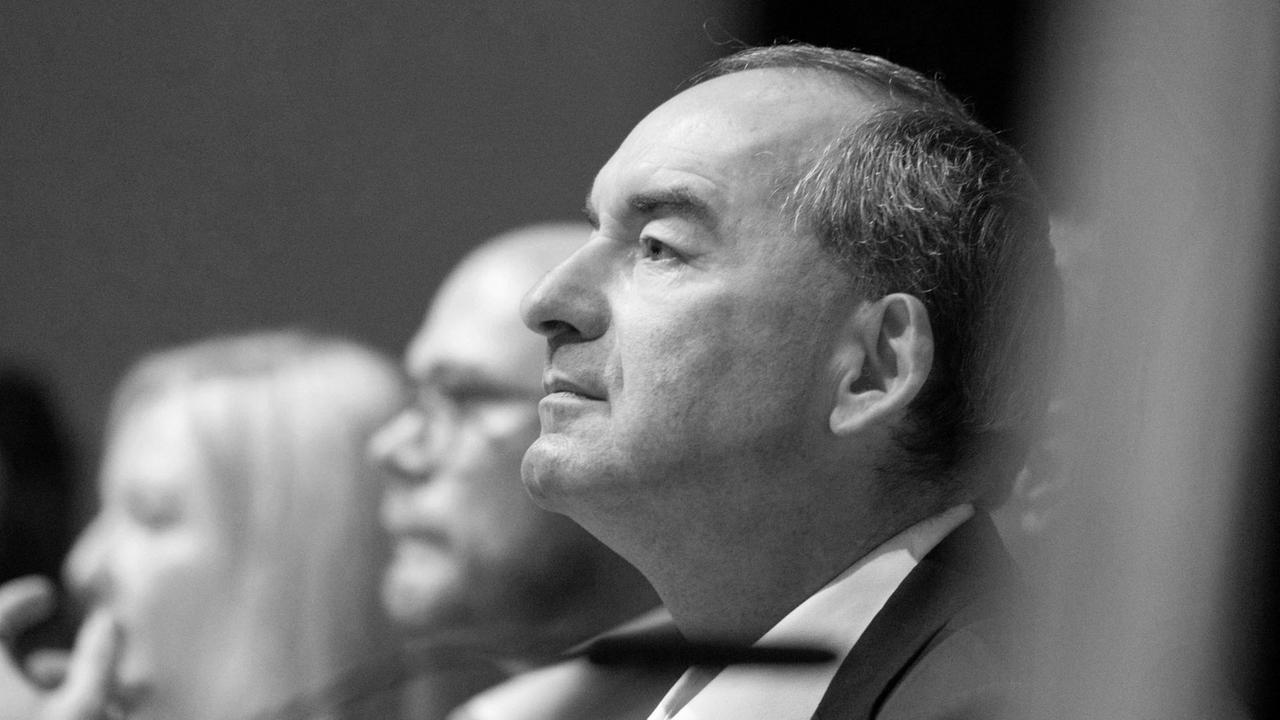
The news of Hubert Aiwanger’s death has elicited a wave of condolences and heartfelt tributes from across the political spectrum, underscoring his significant presence and the deep impact he had on public life.
Bavarian Leaders Express Shock
Bavaria’s political establishment was united in its expression of shock and sorrow.
Markus Söder, Minister-President of Bavaria and CSU Leader, was among the first to react, sharing his dismay on social media platform X (formerly Twitter). "We are all deeply shocked," Söder wrote, describing Aiwanger’s sudden passing as an "absolute tragedy." His words reflected not only a political partnership but also a personal one, given their years of working closely together in the state government. The loss of his deputy leaves a significant void at the heart of the Bavarian cabinet.
Ilse Aigner, President of the Bavarian Landtag (State Parliament), also shared her profound sadness on X, stating that Aiwanger was "torn from life too early." She lamented, "A great loss for Bavaria," acknowledging his tireless dedication to the state and its people. Aigner, a veteran politician herself, highlighted Aiwanger’s active role in shaping parliamentary debates and policy.
Katharina Schulze, parliamentary group leader of the Greens in the Landtag, despite often being a political opponent, expressed her sincere condolences. "My deepest sympathy goes to his family, his relatives, and all those close to him," she posted on X, demonstrating that even across ideological divides, human compassion transcends political differences in moments of tragedy.
National Figures Acknowledge His Impact
Aiwanger’s influence extended beyond Bavaria’s borders, and national political figures also paid their respects.
Hendrik Wüst, Minister-President of North Rhine-Westphalia (CDU), honored Aiwanger as a "combative politician for whom his Bavarian homeland was always at the center." Wüst’s tribute underscored Aiwanger’s unwavering commitment to regional interests, a quality that resonated with state leaders across Germany.
Cem Özdemir, Germany’s Federal Minister of Food and Agriculture (Greens), also characterized Aiwanger as a "contentious politician with rough edges, who fought for his convictions." Özdemir’s statement highlighted Aiwanger’s distinct personality and his readiness to stand firm on his principles, regardless of the opposition. These cross-party tributes attest to Aiwanger’s recognition as a formidable political personality whose voice carried weight beyond his immediate political base.
The Free Voters’ Vow to Continue His Vision
The Free Voters party, now grappling with the loss of its undisputed leader, emphasized its commitment to continuing Aiwanger’s political legacy.
Armin Kroder, Deputy State Chairman of the Free Voters in Bavaria, stressed Aiwanger’s crucial role in transforming the party from a local force into a major player in Bavarian state politics. "We Free Voters in Bavaria will continue his conviction for fact-oriented politics, which exclusively serves the people, with full strength and stand closely together for it," Kroder declared, signaling a determination to maintain unity and purpose in the wake of the tragedy.
Florian Streibl, parliamentary group leader of the Free Voters in the Landtag, articulated the profound sense of loss with a poignant statement: "Bavaria will be different without him." This sentiment encapsulates the understanding that Aiwanger’s unique contributions, his political style, and his deep connection to the state left an indelible mark that will be difficult to replicate. The party’s immediate focus will be on honoring his memory by upholding the principles he championed.
The Road Ahead: Implications for Bavarian Politics
Hubert Aiwanger’s sudden death creates a significant vacuum that will have profound implications for the Free Voters party, the Bavarian state government, and potentially the broader political landscape in Germany.
A Void in Leadership for the Free Voters
Aiwanger was not merely the leader of the Free Voters; he was its face, its voice, and its strategic architect. He was the charismatic figure who elevated the party from a collection of local initiatives to a potent force in state and even national politics. His ability to connect with voters, particularly in rural Bavaria, was unparalleled, and his personal popularity often outstripped that of the party itself.
His passing means the Free Voters now face the daunting task of identifying a successor who can command similar authority and maintain the party’s cohesion and electoral appeal. Aiwanger had only been re-elected as state chairman a year ago, and was scheduled to seek re-election as federal chairman at a party conference just two weekends away, on November 14th. The immediate future of this federal party conference is now uncertain.
Potential successors within the party will need to step up quickly. Names like Florian Streibl (current parliamentary group leader), Armin Kroder (deputy state chairman), or other prominent Free Voters figures may emerge, but none currently possess Aiwanger’s unique profile or broad public recognition. The challenge for the Free Voters will be to project a unified front, articulate a clear vision without their long-standing leader, and ensure that the party does not fragment or lose its distinct identity. This leadership transition will be critical for the party’s stability and its future electoral performance.
Stability of the CSU-Free Voters Coalition
Aiwanger’s death also poses immediate questions for the stability and future direction of the governing coalition in Bavaria, comprised of the CSU and the Free Voters. This coalition, formed in 2018 and reaffirmed after the 2023 state election, has been a cornerstone of Bavarian politics, providing a stable majority and a pragmatic approach to governance.
Hubert Aiwanger, as Deputy Minister-President and Minister for Economic Affairs, was a key figure in this alliance, often serving as a balancing force and a vocal advocate for Free Voters’ priorities within the government. His absence will undoubtedly necessitate a cabinet reshuffle, with a new individual appointed to his ministerial portfolios and the deputy minister-presidency. This change in personnel could subtly alter the dynamics within the coalition.
While both parties have strong incentives to maintain the coalition – it provides stability and avoids the need for snap elections – the loss of such a central figure could test its resilience. The new Free Voters leader will need to establish a strong working relationship with Minister-President Söder and the CSU, ensuring continuity in policy and governance. The initial statements from both CSU and Free Voters leaders emphasize unity and a commitment to continuing the government’s work, but the true test will come as the new leadership takes shape.
Broader Political Landscape in Bavaria and Beyond
Beyond the immediate impact on the Free Voters and the state government, Aiwanger’s death could have broader repercussions for the political landscape in Bavaria and, to a lesser extent, across Germany.
In Bavaria, the Free Voters have consistently been the third strongest political force, behind the CSU and often ahead of the Greens and SPD. A weakening of the Free Voters due to a difficult leadership transition could shift the balance of power. It might create opportunities for other parties to gain ground, or conversely, consolidate the CSU’s position if the Free Voters struggle to maintain their voter base. Future elections, both state and federal, could see a re-alignment of voter allegiances.
On the national stage, the Free Voters, under Aiwanger, had been slowly building their profile, aiming for a federal presence. While they have yet to enter the Bundestag (federal parliament), Aiwanger’s recognition and distinctive political positions gave them a voice in national debates. His death might temporarily set back these federal ambitions, as the party focuses on internal consolidation. The long-term impact will depend on the new leadership’s ability to articulate a compelling national agenda and maintain the party’s distinct appeal.
Conclusion
Hubert Aiwanger’s unexpected death marks the end of a significant chapter in Bavarian politics. He was a politician who, with his unique blend of local conviction and state-level ambition, left an undeniable imprint on his party and his homeland. From his humble beginnings in municipal politics to his influential role as Deputy Minister-President, Aiwanger embodied a distinct form of pragmatic, regionalist politics that resonated deeply with a substantial portion of the Bavarian electorate.
The widespread outpouring of grief and respect from across the political spectrum underscores his stature, even among those who disagreed with his views. As Bavaria mourns, the Free Voters now face the immense challenge of navigating a future without their charismatic leader, while the state government grapples with the loss of a pivotal figure. His legacy, characterized by a fierce dedication to Bavaria, a contentious but authentic political style, and an unwavering commitment to the people he served, will undoubtedly continue to shape discussions and decisions in the state for years to come. "Bavaria will be different without him" – a sentiment that encapsulates the profound and lasting void left by Hubert Aiwanger’s untimely departure.