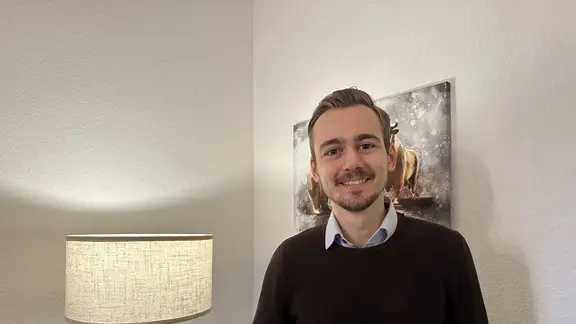
In an era defined by hyper-connectivity through social media, a paradoxical crisis is deepening: record levels of social isolation. While digital platforms have made it easier than ever to track the lives of acquaintances, the depth of meaningful, in-person human connection has often eroded. Addressing this modern epidemic, a new digital initiative hailing from Chemnitz, Germany, is making waves. The "Groopia" app, founded by 33-year-old Boran Bogdanow, has emerged not as another superficial dating platform, but as a deliberate tool designed to bridge the gap between digital interaction and real-world friendship.
As of November 2026, the platform has gained traction among hundreds of users in Chemnitz, offering a beacon of hope for those struggling to find their place in a new city or simply seeking to expand their social circle.
The Core Concept: Moving Beyond the "Swipe"
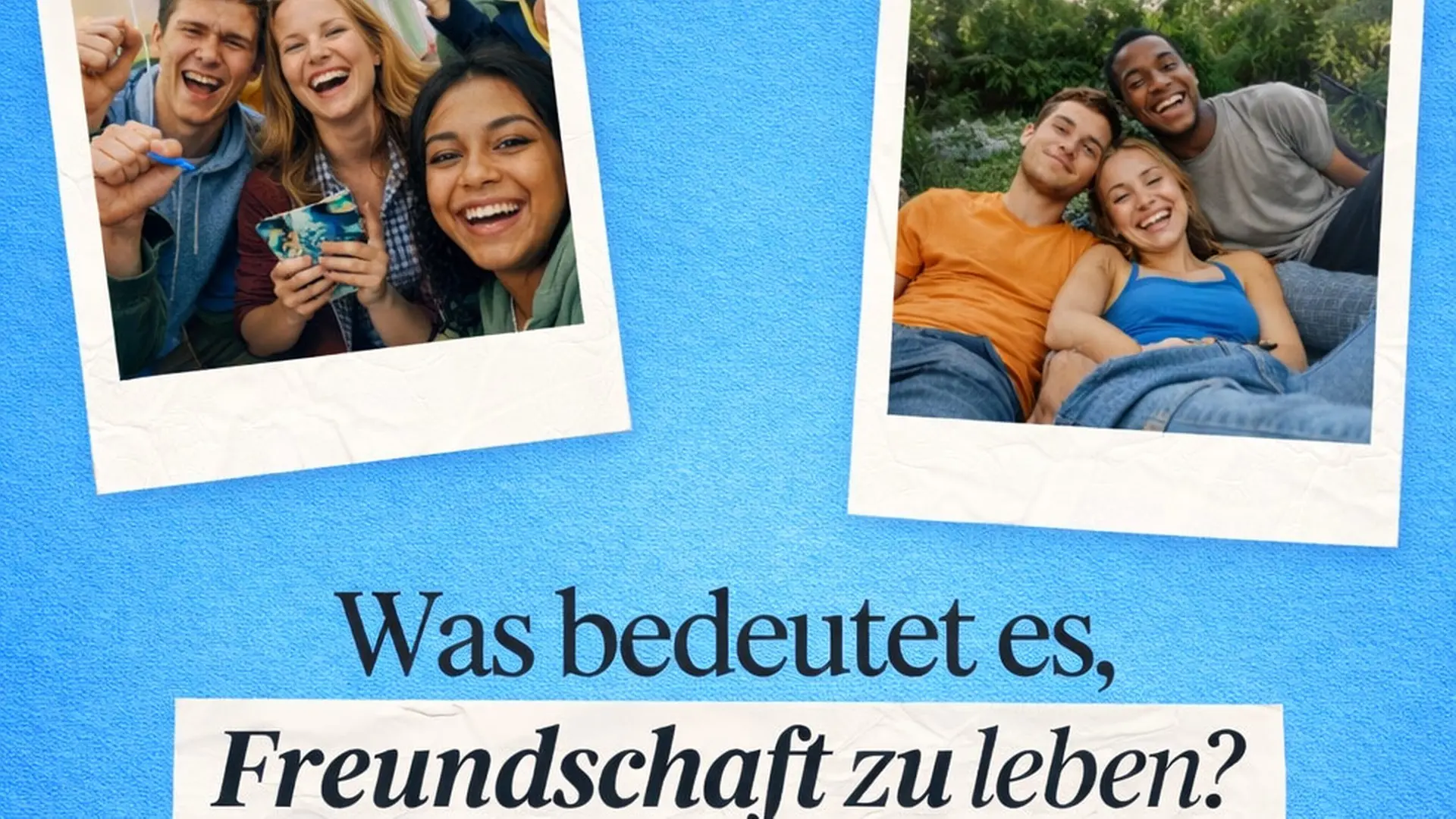
Unlike conventional social apps that often rely on algorithmic matchmaking based on romantic interest or "swiping" culture, Groopia operates on a different philosophy: lowering the barrier to entry for genuine social interaction. The application is built around the fundamental idea of shared activities rather than aesthetic or romantic attraction.
When a user joins the platform, they do so without the requirement of specifying their gender, a conscious design choice by the developers to minimize the "dating app" stigma. The core functionality centers on common interests—ranging from casual walks and sports to board games and intellectual discourse. By shifting the focus from "Who do I want to date?" to "What do I want to do?", Groopia fosters an environment where the conversation flows naturally from a shared activity.
A Personal Origin Story: From Student Struggle to Founder
The inception of Groopia is rooted in the personal experience of its founder, Boran Bogdanow. During his university years, Bogdanow found himself navigating the common, yet deeply isolating, challenge of moving to a new city where he lacked a pre-existing social network.
"During my studies, I had periods where it was genuinely difficult to find a connection in a foreign city," Bogdanow shared. This period of personal solitude provided the impetus for the application. He realized that for many, the initial hurdle—the "first step" out of the house and into a social setting—is the most daunting. By creating an interface that highlights current, local opportunities for connection, Bogdanow sought to solve the very problem that once hindered his own integration into the community.

The Growing Crisis: Why Young People are Most Affected
The rise of Groopia comes at a critical time. According to the "Einsamkeitsbarometer 2024" (Loneliness Barometer) published by the German Federal Ministry for Family Affairs, the demographic most severely affected by loneliness is the 18 to 29-year-old age group.
Bogdanow views this not as an anomaly, but as a byproduct of shifting social habits. "In the past, children went outside to play, and social skills were honed through physical interaction," he explains. "Today, that dynamic has changed. Young generations are increasingly spending their formative social time behind screens. Consequently, they often lack the established pathways to find a place in the real world."
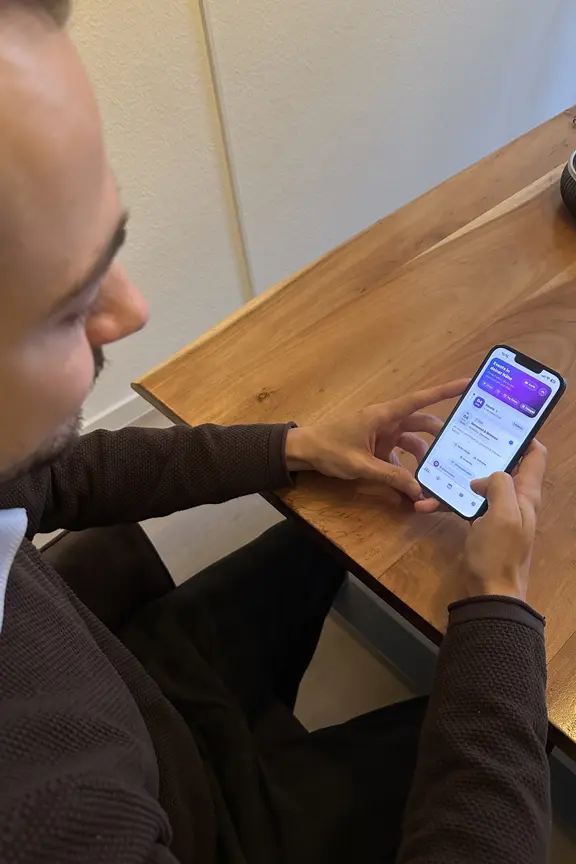
Groopia serves as a bridge, utilizing technology to reverse the very isolation that technology has, in part, exacerbated. By facilitating real-world meetups, the app aims to reintegrate younger adults into physical social spaces.
Chronology and Development: A Steady Climb
The development and growth of the app have been measured and organic.
- October 2025: Official launch of the Groopia application.
- Late 2025 – Early 2026: Initial testing phase with a small user base, primarily focused on refining the user interface to ensure it did not feel like a dating site.
- May 2026: Launch of the Android version, significantly expanding the user base.
- Autumn 2026: A notable surge in users coinciding with the start of the semester at the Technical University (TU) of Chemnitz, as students sought new avenues for social integration.
- Current Status (November 2026): The platform maintains a dedicated user base of approximately 600 active members, with a small percentage opting for premium features.
Evidence of Success: User Testimonials
While the app’s internal metrics provide data on usage, the true measure of its success lies in the anecdotes of its users. Johannes Wittig, a 27-year-old finance professional living in Chemnitz, is one such success story. Having moved to the city in 2019, he initially found the social landscape difficult to navigate.
"I found exactly what I was looking for," Wittig says. "It’s a platform to meet people who share similar interests—whether that’s gaming, board games, or a game of Skat." Through the app, Wittig has successfully expanded his core social circle by four to five close friends.

Interestingly, while the app is not a dating platform, the social networks formed through Groopia have had a "spillover" effect. Wittig reports that he even met his current partner through the wider community fostered by the app. "It wasn’t a direct match on the app," he clarifies, "but it was part of a larger, organic network that simply wouldn’t have existed without this platform."
Implications for Future Digital Health
The success of Groopia poses an interesting question for the tech industry: Is there a market shift away from "engagement-at-all-costs" apps toward "utility-for-wellbeing" apps?
Currently, Groopia faces the classic startup hurdle: monetization. With only about one percent of users opting for premium subscriptions, the app currently functions more as a social enterprise than a high-revenue commercial entity. However, Bogdanow remains undeterred. The focus for the remainder of 2026 is on refining the software—which was developed without the use of Artificial Intelligence—and scaling the impact through targeted marketing.
The platform’s success suggests that local, interest-based social networking is a viable solution to the urban loneliness epidemic. By transforming the smartphone from a tool of passive consumption into a facilitator of active participation, Groopia is helping to redefine how cities can support the mental and social well-being of their inhabitants.

Official and Societal Context
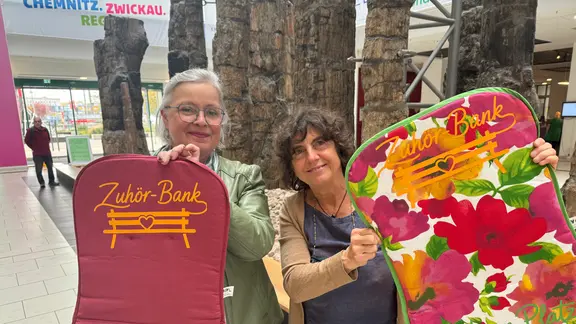
The emergence of such apps is part of a broader trend in Germany to combat loneliness as a public health issue. In recent years, local initiatives such as "Plauderbänke" (chat benches) in public spaces have been introduced in cities like Chemnitz to encourage strangers to interact.
When placed alongside these physical initiatives, Groopia represents the digital arm of a larger movement. It acknowledges that while physical infrastructure (like benches) is necessary, the digital infrastructure (like apps) is equally vital for a generation that is "digitally native."

Conclusion: The Path Forward
As the year draws to a close, the story of Groopia is one of cautious optimism. It proves that there is a significant, unmet demand for authentic, low-pressure social interaction. Whether the app can scale to other cities remains to be seen, but its impact in Chemnitz provides a blueprint for how technology can be used to foster, rather than replace, human community.
For those interested in the future of social technology, Groopia is a name to watch. It suggests that the future of the "social web" may not be about bigger networks, but about smaller, deeper, and more purposeful connections. As Bogdanow prepares for the next phase of development, the users in Chemnitz continue to meet, walk, play, and connect—proving that even in a digital world, the most important human connections still happen face-to-face.