


London, UK – May 15, 2026 – The political landscape of Great Britain is bracing for a seismic shift as Andy Burnham, the charismatic Mayor of Manchester, has signaled his intent to re-enter the national political arena, setting his sights on a parliamentary seat and potentially, the premiership. This move has sent shockwaves through the Labour Party and beyond, positioning Burnham as a formidable challenger to the current leadership of Prime Minister Keir Starmer and igniting speculation about the future direction of the nation.
Burnham’s announcement, confirming his intention to contest a by-election for a seat in the House of Commons, has been met with a mixture of enthusiasm and trepidation. For many within the Labour Party, it represents a potential lifeline, a chance to rally behind a popular figure seen as capable of galvanizing public support and challenging the ascendant right-wing populism embodied by Reform UK. However, the path ahead is fraught with peril, demanding a victory in a constituency that has recently seen a significant surge in support for the far-right.
The Rise of a Potential Contender: Burnham’s Political Trajectory
Andy Burnham’s name has been a constant presence in discussions about potential successors to Keir Starmer for some time. His tenure as Mayor of Greater Manchester has been marked by a proactive and often vocal approach to regional development and public services, earning him a reputation as a pragmatic and determined leader. His willingness to engage directly with the public and his adeptness at media appearances have cultivated a broad appeal, transcending traditional party lines in some quarters.
His entry into the national parliamentary fray is not merely a personal ambition; it is perceived by many as a strategic maneuver to directly confront the challenges facing the Labour Party and, by extension, the country. The by-election he is set to contest is in the constituency of Makerfield, a seat previously held by a Labour MP who has announced his resignation specifically to facilitate Burnham’s candidacy. This orchestrated return signals a calculated effort to place Burnham in a position of influence at the heart of British politics.
The endorsement from fellow Labour parliamentarians, such as Simon Opher, underscores the optimism surrounding Burnham’s potential. Opher’s statement, hailing Burnham as "currently the most popular politician in Great Britain," highlights the deep well of support he commands within the party. The sentiment is clear: Burnham offers a compelling alternative, a beacon of hope for those disillusioned with the current political climate and seeking a leader with demonstrable public appeal.
A High-Stakes Gambit: The Makerfield By-Election
The upcoming by-election in Makerfield presents a stark test for Andy Burnham’s political prowess. The constituency, historically a Labour stronghold, has recently witnessed a significant electoral shift. The local elections held just last week saw a considerable surge in support for Reform UK, a right-wing populist party gaining traction on a platform of nationalistic policies and anti-establishment rhetoric. This electoral trend poses a substantial challenge for Burnham, transforming what might have been a straightforward victory into a fiercely contested battle.
The leader of Reform UK, Nigel Farage, a figure synonymous with populist appeal and Brexit advocacy, has explicitly stated his party’s commitment to securing victory in Makerfield. Farage’s involvement signals the high stakes of this by-election, framing it not just as a local contest but as a national barometer of political sentiment. The prospect of Reform UK unseating a Labour candidate in a formerly safe seat would be a significant propaganda victory for the party and a clear indication of the shifting political tides.
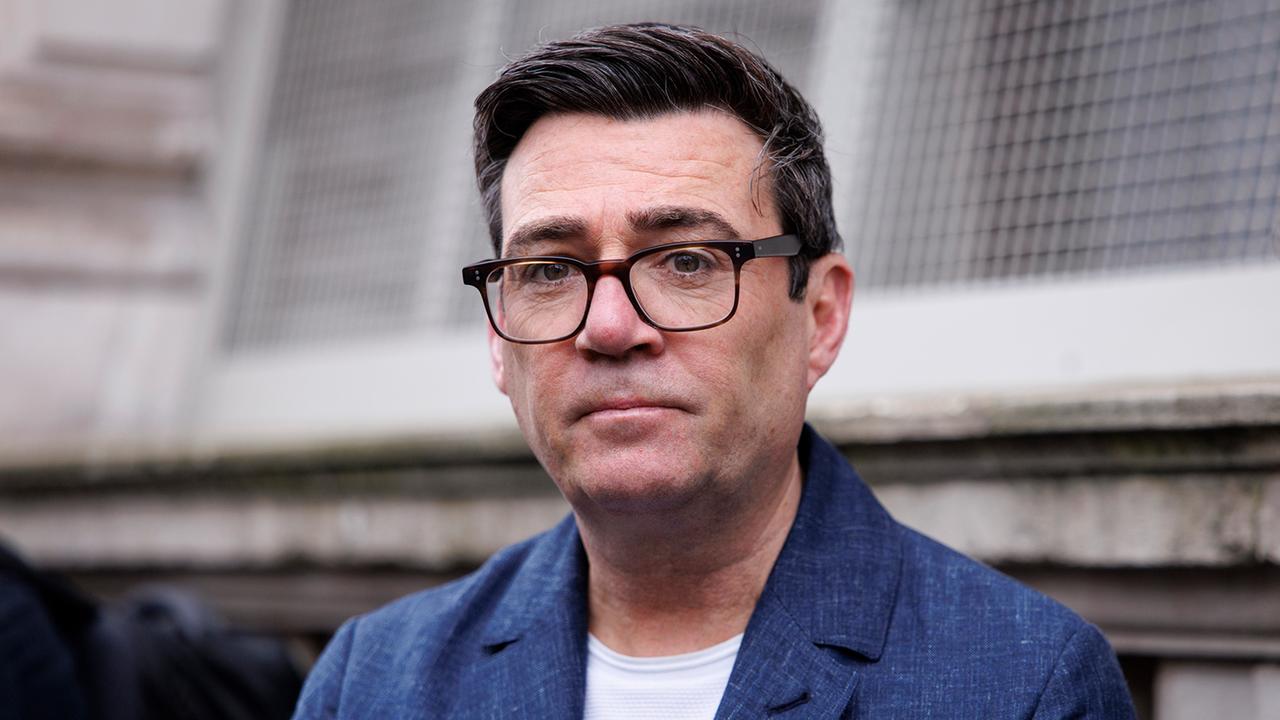
Political journalist Rachel Sylvester, writing for The Observer, astutely observes that Burnham is "betting everything on being able to beat Reform UK." Her analysis suggests that a victory in Makerfield would provide Burnham with an unassailable argument: that he is the leader capable of effectively countering the populist threat posed by Nigel Farage. This narrative, if successful, would significantly bolster his claim to the Labour leadership, presenting him as the unifying force needed to unite the party and challenge the Conservatives. However, Sylvester also acknowledges the inherent risk in this strategy; a loss, however narrow, could be a devastating blow to his aspirations.
The Shadow of Leadership: Starmer’s Precarious Position
The implications of Andy Burnham’s move extend far beyond his own political future. His potential ascent casts a long shadow over the leadership of Prime Minister Keir Starmer. Starmer, who has faced persistent criticism regarding his leadership style and the Labour Party’s perceived lack of clear direction, now finds himself under immense pressure. The emergence of a strong, popular contender within his own party creates a volatile situation that could quickly erode his authority.
Adding to the internal turmoil within the Labour Party is the recent resignation of Wes Streeting, the former Health Secretary. Streeting’s departure, while framed as a personal decision, has been interpreted by many as a strategic move, positioning him as a potential candidate for party leadership should Starmer falter. While Streeting has, thus far, adopted a strategy of waiting for Burnham to make his move, his presence adds another layer of complexity to the unfolding leadership contest.
Political commentator Sylvester remains skeptical of Starmer’s ability to weather this storm. Her assertion that "now that these big personalities are openly saying they want to take over the party leadership, I don’t think Starmer can survive this" underscores the growing sentiment that Starmer’s premiership is nearing its end. She argues that he lacks the necessary party support to win a leadership contest and, crucially, to maintain his position in Downing Street. The power of persuasion and the ability to command loyalty within the party are paramount, and Sylvester suggests Starmer is losing both.
The Unanswered Question: Starmer’s Response and the Public’s Verdict
Despite the mounting pressure and the clear signs of internal dissent, Keir Starmer has thus far given no indication of a planned resignation. His public appearances have been characterized by a deliberate avoidance of direct engagement with journalists on the topic of leadership challenges. His recent visit to a police station in London, where he declined to answer questions, exemplifies this strategy of deflection.
However, the political realities of Great Britain are such that prolonged silence on such critical matters is rarely sustainable. The British public is acutely aware of the internal power struggles within the Labour Party and is increasingly questioning the efficacy of a Prime Minister perceived to lack authority within his own ranks. The question on many minds is: can a leader without the full backing of their party, and facing credible challenges from within, effectively govern the nation?
The coming weeks are poised to be a period of intense political maneuvering and uncertainty. The outcome of the Makerfield by-election will undoubtedly be a pivotal moment, potentially solidifying Burnham’s position as the de facto leader of the Labour opposition or, conversely, creating a significant setback. Regardless of the immediate result, the political landscape has been irrevocably altered. The whispers of a leadership challenge have grown into a roar, and the question of who will ultimately lead Great Britain, and from which party, remains a pressing and deeply uncertain one. The political earthquake has begun, and its aftershocks will be felt across the nation.





Leave a Reply