


Brussels, Belgium – May 13, 2026 – The European Commission has unveiled a landmark legislative proposal aimed at transforming cross-border rail travel, envisioning a future where a single ticket grants seamless access to journeys across the continent. This ambitious initiative seeks to simplify international train travel, bolster passenger rights, and position rail as a compelling and sustainable alternative to air travel. The proposal, if enacted, would mandate that major rail operators offer tickets for other national rail companies, creating a more integrated and user-friendly experience for travelers.
The core of the proposal centers on dismantling the current fragmentation of European rail ticketing and passenger protection. For too long, navigating international train journeys has been a labyrinthine process, often requiring multiple tickets from different providers and leaving passengers vulnerable in the event of disruptions. This new framework promises to rectify these shortcomings, ensuring that a missed connection due to a delayed train does not result in a cascade of unforeseen expenses and inconvenience.
The Current Landscape: A Fragmented and Frustrating Experience
Currently, international rail travel in Europe can be a complex undertaking. Passengers frequently find themselves needing to purchase separate tickets from various national railway companies to complete a single journey. This patchwork approach not only complicates the booking process but also creates significant gaps in passenger rights and protections.
A prime example of this inadequacy is the issue of missed connections. When a traveler holds multiple tickets from different operators and their initial train is delayed, they often face a frustrating reality: no single entity is responsible for rebooking them on a subsequent service, arranging accommodation for an overnight delay, or providing compensation. The burden of these unforeseen circumstances typically falls squarely on the passenger, leading to significant financial and logistical headaches. This lack of a unified system discourages many from choosing the train for long-distance international travel, pushing them towards more convenient, albeit less sustainable, alternatives like flying.
The EU’s proposed legislation directly addresses this critical pain point. The core principle is to foster greater interoperability and data sharing among rail operators. This includes the mandatory sharing of timetable information, real-time delay data, and pricing structures. By making this information readily accessible, the Commission aims to empower both large rail operators and independent booking platforms to offer comprehensive journey planning and ticketing solutions under a single booking.
A Vision for Seamless Travel: The Commission’s Proposed Solution
The European Commission’s legislative proposal lays out a clear roadmap for a more integrated European rail network. At its heart is the principle of mutual recognition and cooperation between national rail operators. The key provisions of the proposal include:
- Unified Ticketing Systems: The proposal mandates that major rail operators must facilitate the sale of tickets for other rail companies. This means that a passenger booking a ticket with, for example, Deutsche Bahn could potentially purchase a ticket for a connecting French SNCF service or a Spanish RENFE train through the same platform. This aims to eliminate the need for multiple bookings and simplify the purchasing process.
- Strengthened Passenger Rights: A cornerstone of the proposal is the establishment of a unified compensation mechanism for delays and cancellations. Under the new rules, if a disruption occurs, the company responsible for causing the delay will be liable for compensation. This eliminates the current ambiguity and the "passing the buck" scenario where no operator takes responsibility. Passengers will have clear recourse for missed connections, delays, and cancellations, regardless of which national operator is involved.
- Data Sharing and Interoperability: To enable unified ticketing and effective disruption management, the proposal requires rail operators to share crucial operational data, including real-time train status, delays, and pricing information. This data sharing is crucial for both large railway companies and independent online travel agencies (OTAs) to develop integrated booking platforms and provide passengers with accurate, up-to-the-minute information.
- Accessibility and Affordability: By streamlining the booking process and strengthening passenger rights, the Commission aims to make international rail travel more accessible and appealing to a wider range of travelers, including those who may have been deterred by the complexity and uncertainty of current systems. The goal is to foster a competitive market where innovative booking solutions can emerge, potentially leading to more competitive pricing.
A Chronology of Progress Towards a United Rail Network
The European Commission’s current proposal is not an isolated initiative but rather the culmination of years of discussions and incremental steps towards a more connected European rail landscape.
- Early 2000s: The initial "liberalization" packages for rail transport aimed to open up national rail markets to competition. While this spurred some improvements, the fragmentation of ticketing and passenger rights remained a significant hurdle for international travel.
- 2007: The first EU Passenger Rights Regulation (EC) No 1371/2007 was introduced, providing a baseline of rights for passengers on national and international rail journeys. However, its application to international journeys was often inconsistent due to the complexities of different national implementations and the lack of unified ticketing.
- 2010s: Various initiatives and pilot projects explored the potential for integrated ticketing and data sharing. These efforts highlighted the technical feasibility but also the reluctance of some incumbent operators to fully embrace open data and cross-border cooperation. The Commission began to emphasize the need for stronger legislative measures.
- 2020s: The European Green Deal and the Sustainable and Smart Mobility Strategy placed a renewed focus on shifting transport modes towards more sustainable options, with rail identified as a key pillar. This increased the urgency for the Commission to address the barriers to international rail travel.
- 2023-2024: The Commission engaged in extensive consultations with stakeholders, including rail operators, passenger associations, and national governments, to gauge the challenges and potential solutions. These discussions informed the development of the current legislative proposal.
- May 13, 2026: The European Commission formally presented its legislative proposal for a unified European ticketing system and strengthened passenger rights, marking a significant milestone in the pursuit of a truly integrated and attractive continental rail network.
The proposal now enters a crucial phase of negotiation and approval, requiring the consent of the European Parliament and the Member States.
Supporting Data: The Growing Demand for International Rail Travel
The impetus behind the EU’s initiative is not merely theoretical; it is underpinned by a clear and growing demand for international rail travel. As environmental consciousness rises and the desire for more sustainable travel options intensifies, more travelers are turning to trains for their cross-border journeys.
According to the EU’s statistical office, Eurostat, the number of international rail passengers has seen a consistent upward trend. In 2024 alone, approximately 150 million passengers traveled internationally by train across Europe. This figure underscores the existing market and highlights the immense potential for further growth if the barriers to entry are effectively removed.
Key indicators of this growing demand include:
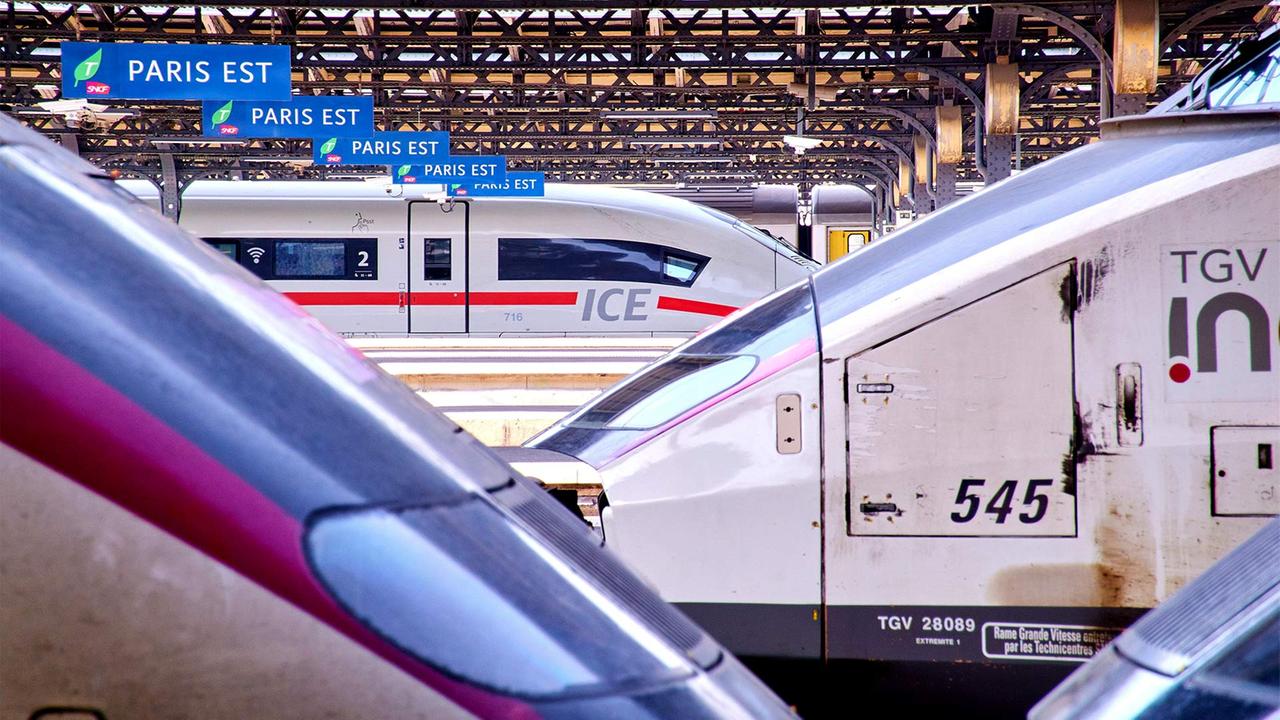
- Increased Connectivity: Major rail operators are recognizing this trend and are actively expanding their international networks. Deutsche Bahn, for instance, has announced plans to launch a direct service from Berlin to Oslo starting in the summer of 2028, in addition to strengthening several existing international routes.
- Popular Routes: Germany, a central hub for European rail travel, offers numerous international connections. Cities like Cologne and Frankfurt provide direct access to Brussels and Paris, while Berlin serves as a gateway to Copenhagen, Prague, and Budapest. Swiss, Austrian, and Dutch cities are also well-connected to many German urban centers, and direct services to northern Italy are available from Frankfurt and Munich.
- Operator Investments: The commitment from major players like Deutsche Bahn to expand their international offerings signals a belief in the future of cross-border rail. This investment in new routes and enhanced services further validates the increasing demand.
The proposed legislation aims to capitalize on this burgeoning demand by making the experience of international rail travel as straightforward and reliable as domestic journeys.
Official Responses: A Mixed Reaction from Stakeholders
The European Commission’s ambitious proposal has been met with a range of reactions from key stakeholders, reflecting the complex interests involved in the European rail sector.
Industry Concerns:
The Association of European Railway Operators (AEC) has expressed reservations about certain aspects of the proposal. Alberto Mazzola, the head of the AEC, articulated a common concern: "There is no other case where someone is obliged to sell the product of the competition." This sentiment highlights the industry’s perspective that forcing operators to sell competing services could distort the market and undermine their business models. While acknowledging the need for greater integration, some operators feel that the proposed mandate goes too far.
However, it’s important to note that several major railway companies, including Deutsche Bahn, ÖBB (Austrian Federal Railways), SNCF (French National Railway Company), and Eurostar, have already established bilateral agreements to facilitate passenger transfers in case of delays on their respective routes. These agreements, while a positive step, are not legally binding under EU law and do not cover all cross-border journeys or provide the comprehensive rights envisioned by the Commission.
Support from Passenger Advocates:
Passenger rights organizations and consumer advocacy groups have largely welcomed the proposal, hailing it as a significant step forward in improving the travel experience. They emphasize that the current system is not only inconvenient but also unfair to travelers who bear the brunt of disruptions. The prospect of a unified compensation system and simplified booking process is seen as a major win for consumers.
Political Scrutiny:
The legislative proposal will now undergo a rigorous review process by the European Parliament and the Council of the European Union (representing the Member States). This stage will involve detailed discussions, amendments, and negotiations. The outcome will depend on the ability of the Commission to garner sufficient support from both legislative bodies and a qualified majority of Member States.
Implications for the Future of European Travel
The successful implementation of the EU Commission’s proposal would have profound implications for the future of European travel, extending far beyond the railway tracks.
- Environmental Impact: By making rail travel a more attractive and viable option for international journeys, the initiative has the potential to significantly reduce carbon emissions from the transport sector. Shifting passengers from short-haul flights to trains is a key objective of the European Green Deal, and this proposal could be a powerful catalyst for achieving that goal.
- Economic Benefits: A more integrated and efficient rail network could stimulate economic activity by facilitating business travel and tourism. It could also lead to the creation of new jobs in areas such as ticketing platforms, customer service, and rail infrastructure development.
- Enhanced Passenger Experience: The most immediate and tangible benefit will be for travelers. The convenience of a single ticket, coupled with the assurance of robust passenger rights, will transform the experience of navigating Europe by train. This could foster a greater sense of a unified Europe, where borders are less of a barrier to seamless movement.
- Competition and Innovation: The requirement for data sharing and the encouragement of independent booking platforms could spur innovation in the travel tech sector. Companies will be incentivized to develop user-friendly and competitive solutions for international rail bookings, potentially leading to more personalized travel planning and booking experiences.
- A Shift in Travel Culture: Ultimately, this proposal aims to foster a cultural shift, encouraging more Europeans to view train travel not just as a means of getting from point A to point B, but as a comfortable, sustainable, and enjoyable way to explore the continent. It represents a significant investment in the future of sustainable mobility and a commitment to building a more connected and environmentally conscious Europe.
The road ahead involves navigating the legislative process and addressing the concerns of the industry, but the European Commission’s proposal marks a bold and necessary step towards a future where traveling by train across Europe is as simple and reliable as a domestic journey.






Leave a Reply