

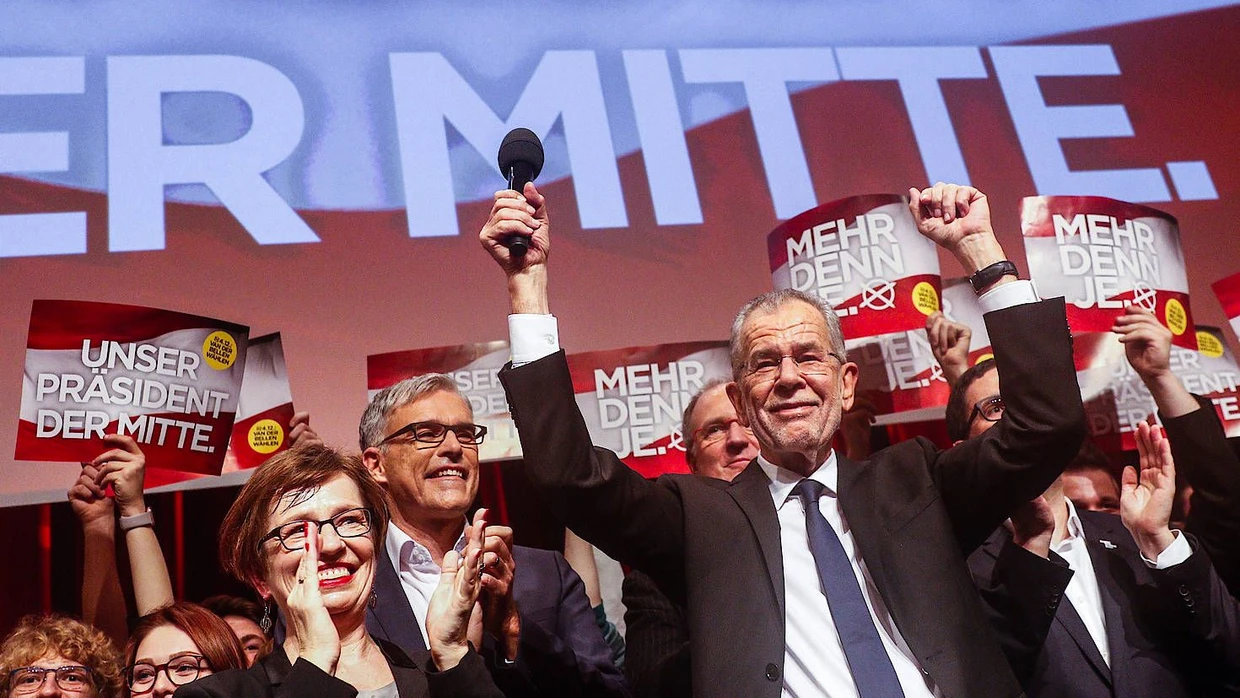
Vienna, Austria – December 6, 2016 – Following a closely watched and at times acrimonious presidential election, Alexander Van der Bellen has emerged victorious in the Austrian runoff. Preliminary results, after the meticulous counting of all postal ballots, show the independent candidate, supported by the Green Party, with a significant lead over his opponent, Norbert Hofer of the Freedom Party of Austria (FPÖ). The outcome marks a crucial moment for Austria, averting a potential shift towards nationalist populism at the highest level of state.
Van der Bellen’s triumph, with an estimated lead of nearly 350,000 votes, signifies a clear mandate from the Austrian electorate, who have opted for continuity and a more European-oriented path. The election, which was a rerun of a previous contest in May that was annulled due to irregularities, has been a barometer of the political climate not only in Austria but also across Europe, reflecting broader trends of disillusionment with established political elites and the rise of populist movements.
While the FPÖ has the right to contest the official final results, party officials have indicated that they will likely forgo such a challenge. This decision, if confirmed, would allow for a smoother transition of power and bring an end to the protracted electoral process that has gripped the nation for months.
A Marathon Election: Key Milestones and Tense Moments
The path to this decisive victory was anything but straightforward. The initial election in May saw Van der Bellen narrowly defeat Hofer, but the margin was so slim that the FPÖ lodged a complaint alleging procedural errors. The Constitutional Court agreed, ordering a fresh vote. This led to a highly publicized and often emotionally charged campaign leading up to the December rerun.
The annulment of the May election had already sent ripples across Europe, with many observers viewing it as a potential harbinger of nationalist successes. The FPÖ, led by Heinz-Christian Strache, has a history of populist rhetoric and anti-immigration stances. Hofer, as the party’s candidate, presented a more moderate image, but his platform resonated with voters concerned about immigration, economic stagnation, and the perceived overreach of the European Union.
Van der Bellen, a former professor and long-time politician, campaigned on a platform of stability, pro-European integration, and a rejection of xenophobia. His support base, largely comprising urban, educated, and environmentally conscious voters, saw him as a bulwark against the rising tide of right-wing populism. The Green Party, which officially backed him, played a crucial role in mobilizing his voters, particularly younger demographics.
The campaign leading up to the December runoff was characterized by intense debates, often focusing on immigration, Austria’s role in the EU, and the economy. Hofer sought to capitalize on public anxieties, while Van der Bellen emphasized the importance of international cooperation and a tolerant society. The close nature of the polls throughout the campaign kept the nation on edge, underscoring the deep divisions within Austrian society.
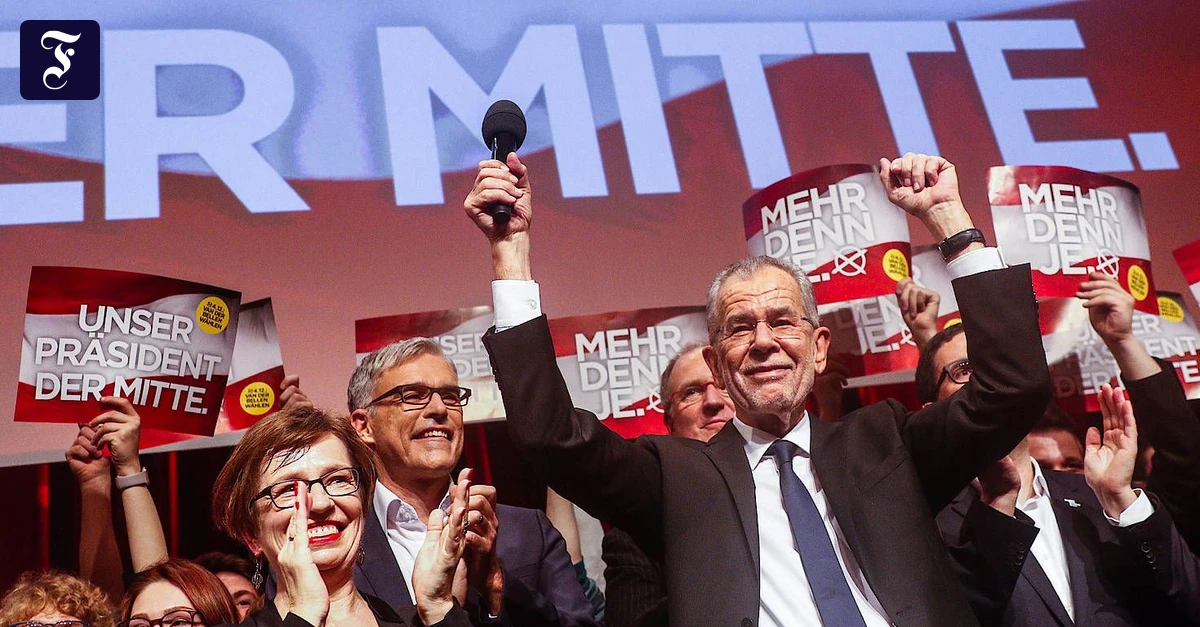
The final count, meticulously conducted, included the postal ballots, which are often crucial in close elections. The significant lead secured by Van der Bellen in this final tally has provided a decisive conclusion to a highly contested race.
The Numbers Game: Unpacking the Electoral Data
The preliminary results offer a clear picture of the electorate’s decision. Alexander Van der Bellen secured a substantial portion of the vote, with the nearly 350,000-vote lead over Norbert Hofer being a testament to his broad appeal. While the exact final percentages will be officially certified, the trend is undeniable.
The significance of the postal vote cannot be overstated. In many democracies, postal ballots are cast by individuals who may be abroad, have mobility issues, or simply prefer the convenience. Their inclusion in the final count often serves to bring the results closer to the actual will of the entire electorate, as opposed to only those who could vote in person on election day. In this instance, the postal ballots appear to have reinforced Van der Bellen’s advantage, suggesting that his message resonated strongly with a segment of the population that may have been less inclined to vote in person or had made their decision later in the campaign.
Analysis of voting patterns is expected to reveal further insights into the demographic and regional divides that shaped this election. Van der Bellen’s strong performance in urban centers, particularly Vienna, is likely to have been a key factor. Conversely, Hofer’s support base may have been more concentrated in rural areas and certain regions of the country, reflecting a common trend in many Western democracies where populist movements often find fertile ground outside of major metropolitan areas.
The FPÖ’s ability to secure a significant portion of the vote, even in defeat, underscores the continued strength of right-wing populism in Austria. The party has successfully tapped into a vein of public discontent and has established itself as a major political force. The outcome of this election does not erase the underlying concerns that fueled Hofer’s campaign, and these issues will undoubtedly continue to shape the political landscape.
Official Responses and International Reactions
Following the announcement of the preliminary results, both candidates addressed their supporters and the nation. Alexander Van der Bellen expressed his gratitude and relief, emphasizing his commitment to serving all Austrians and working towards a united and forward-looking country. He acknowledged the deeply divided nature of the electorate and pledged to be a president for everyone, regardless of their political affiliation.
Norbert Hofer, while disappointed, acknowledged the preliminary outcome and thanked his supporters. The FPÖ’s leadership is expected to issue a more detailed statement regarding their decision on whether to contest the results. However, initial indications suggest a move away from a formal challenge, which would be a pragmatic decision aimed at avoiding further political instability and focusing on future electoral contests.
Internationally, the news of Van der Bellen’s victory was met with a sense of relief by many European leaders. The election had been closely watched as a potential indicator of the trajectory of European politics. A Hofer victory could have emboldened other populist movements across the continent and further strained the European Union’s cohesion.
Leaders from major EU member states, including Germany and France, have congratulated Van der Bellen, highlighting the importance of Austria’s continued commitment to European values and integration. The outcome is seen as a victory for a more liberal and outward-looking political vision, offering a counterpoint to the nationalist sentiments that have gained traction in other parts of the world.
Implications for Austria and Europe
The re-election of Alexander Van der Bellen carries significant implications for Austria and the broader European political landscape. Domestically, it signifies a rejection of the more radical elements of the FPÖ’s platform and a desire for political stability. Van der Bellen’s presidency is expected to uphold Austria’s democratic traditions and its commitment to the rule of law.
His victory also provides a much-needed boost to the pro-European camp. In an era of increasing Euroscepticism and nationalist resurgence, Austria’s decision to elect a candidate who champions European integration sends a powerful message. It suggests that there remains a strong desire among significant portions of the European electorate to remain within the European Union and to work collaboratively on shared challenges.
However, the FPÖ’s substantial support base cannot be ignored. The party’s ability to mobilize voters around issues of immigration and national identity highlights the persistent challenges that mainstream political parties face in addressing the concerns of a significant segment of the population. The issues that propelled Hofer’s candidacy will continue to be a central theme in Austrian politics.
Looking ahead, Van der Bellen’s presidency will be tasked with bridging the divides that have become apparent during this protracted election. His ability to foster dialogue and find common ground will be crucial in navigating the complex political and social landscape of Austria.
For Europe, the outcome offers a moment of respite. It demonstrates that the tide of populism, while strong, is not insurmountable. The election of a pro-European candidate in Austria provides a positive signal to those who advocate for greater European cooperation and integration. However, the underlying forces that fueled the FPÖ’s rise remain, and the challenges of addressing voter concerns about immigration, economic security, and national identity will continue to be a defining feature of the European political agenda for years to come. The election of Van der Bellen is not an end to these debates, but rather a crucial turning point in how they will be addressed.





Leave a Reply