The German aviation landscape is facing a period of profound uncertainty as a convergence of geopolitical instability and supply chain vulnerabilities threatens the operational stability of the nation’s airports. The Arbeitsgemeinschaft Deutscher Verkehrsflughäfen (ADV), representing the interests of German airports, has issued a stark warning regarding potential flight cancellations and surging ticket prices. At the heart of this anxiety lies the volatile Kerosine market, which has been severely disrupted by the ongoing conflict in Iran and the subsequent logistical bottlenecks in the Strait of Hormuz.
The Core Conflict: Fuel Scarcity and Economic Fallout
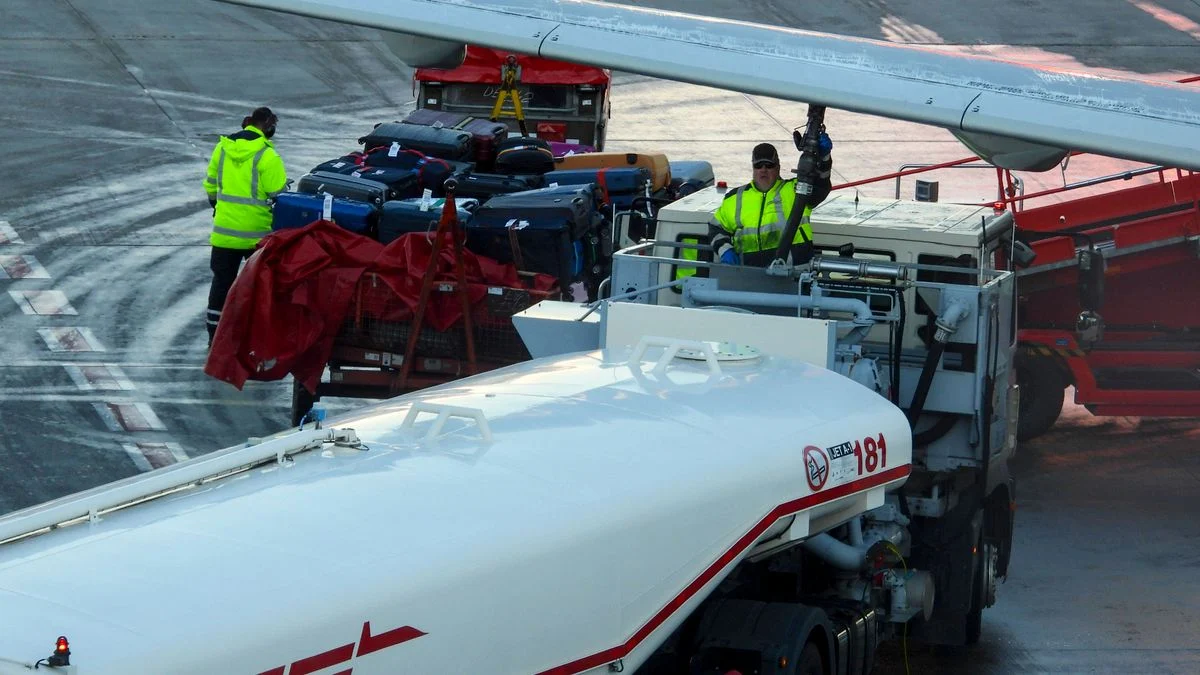
As the conflict in the Middle East continues to escalate, the global energy markets have reacted with characteristic volatility. The Strait of Hormuz, a critical maritime chokepoint through which a significant percentage of the world’s oil supply passes, has become the epicenter of a logistical crisis. The resulting disruption in oil shipments has sent the price of jet fuel—kerosine—skyrocketing.
Ralph Beisel, the Chief Executive Officer of the ADV, articulated the gravity of the situation in a recent interview with Welt am Sonntag. According to Beisel, the industry is entering a phase of forced consolidation and contraction. "It is to be feared that, particularly among low-cost carriers and destinations of lesser tourist significance, further flights will be canceled," Beisel stated.
The economic implications are far-reaching. For the average traveler, this suggests a future of reduced connectivity, where regional destinations may disappear from flight schedules entirely, and remaining routes experience a sharp increase in fares to offset the astronomical costs of aviation fuel.
Chronology of the Crisis: From Geopolitical Tension to Operational Strain
The path to the current state of apprehension was marked by a series of cascading events that have strained the global aviation infrastructure.
- Early 2026: The Spark: The intensification of hostilities involving Iran creates immediate concern regarding maritime safety in the Persian Gulf.
- March 2026: Supply Chain Compression: Shipping companies begin to reroute or pause tankers traversing the Strait of Hormuz due to heightened security risks, leading to an immediate tightening of global oil reserves.
- April 2026: The Price Surge: Kerosine spot prices reach multi-year highs. Airlines begin to adjust fuel surcharges, and the first wave of minor flight cancellations is reported by smaller regional carriers unable to absorb the cost.
- May 2026: The Industry Warning: The ADV publishes its assessment, predicting a dire outlook for the summer season. The debate shifts from mere price hikes to the existential threat of absolute fuel shortages at German hubs.
- June 2026: The Threshold of Uncertainty: Major carriers like Lufthansa confirm that current fuel inventories are secured only through the middle of the month, leaving the second half of the summer season in a state of operational limbo.
Supporting Data: Modeling the Worst-Case Scenario
The ADV’s projections for 2026 serve as a sobering reminder of how vulnerable the aviation sector is to external shocks. Beisel outlined two distinct trajectories for the industry:
- The Best-Case Scenario: The industry experiences a period of stagnation in passenger numbers. Growth halts, but the existing infrastructure remains largely functional, provided that fuel supplies stabilize.
- The Worst-Case Scenario: Some airports face a catastrophic capacity collapse of up to ten percent. When extrapolated across the entire German airport network, this represents a potential impact on approximately 20 million passengers.
These figures underscore a structural fragility. Aviation is a business of thin margins, and when the cost of the primary variable input—fuel—spikes by double-digit percentages, the entire business model for low-cost, high-frequency routes becomes unsustainable. Airlines are essentially forced to perform triage, abandoning routes that cannot sustain higher ticket prices, which inevitably leads to the "aviation deserts" that the ADV is currently warning against.
Official Responses: Between Pragmatism and Denial
The response from the German government has been one of measured calm, standing in stark contrast to the alarmism emanating from the airport associations. Transport Minister Patrick Schnieder (CDU) has attempted to decouple the concept of high prices from the concept of physical scarcity.
"We have a price problem, but no problem with the supply," Schnieder stated in an interview with the Redaktionsnetzwerk Deutschland. The government’s stance is that while the market is undeniably painful for both airlines and consumers, there is no immediate danger of German airports running dry. The government relies on strategic reserves and the diversification of supply chains to argue that the infrastructure remains resilient.
However, industry leaders offer a more cautious perspective. Lufthansa, the national flag carrier, has maintained a position of strategic silence regarding the post-June outlook. CEO Carsten Spohr has been clear: Lufthansa’s inventories are sufficient for the immediate future, providing a buffer for the coming weeks. Yet, by consciously leaving the period beyond mid-June unaddressed, Spohr has signaled that the airline industry is operating with little visibility, relying on a week-to-week assessment of global shipping logistics.
Implications: The Future of European Air Travel
The current crisis forces a long-overdue conversation about the resilience of European aviation. For decades, the industry operated under the assumption of cheap, abundant fuel and uninterrupted supply chains. The events of 2026 are dismantling that assumption.
1. The Rise of the "Price-Sensitive" Traveler
As airlines pass on fuel costs, the "democratization of flight"—a hallmark of the last twenty years—may be entering a period of decline. If the cost of fuel remains elevated, flying will inevitably become a premium service once more, potentially reversing years of growth in the tourism sector.
2. Operational Consolidation
Smaller, secondary airports are at the highest risk. These hubs often rely on a few low-cost carriers for the bulk of their traffic. If those carriers pull out to focus on more lucrative, high-density routes, these regional airports may face severe financial crises, leading to reduced connectivity for smaller cities and towns.
3. The Geopolitical Lesson
The aviation industry is a captive consumer of the oil market. This crisis highlights the strategic necessity of transitioning toward Sustainable Aviation Fuels (SAF) and alternative propulsion technologies. While these technologies are not yet ready for mass-market adoption, the current volatility acts as a catalyst for investment in energy independence.
4. Passenger Rights and Expectations
As cancellations become more likely, passengers face a summer of uncertainty. The legal framework surrounding compensation for flight cancellations—which usually hinges on whether the cause is "extraordinary"—will be tested in courts. If the lack of fuel is deemed a result of broader geopolitical issues rather than an airline-specific operational failure, passengers may find their rights to compensation significantly curtailed.
Conclusion
As the summer of 2026 progresses, the German aviation industry remains on a knife-edge. While the government maintains that the supply chain is robust enough to prevent a total standstill, the warnings from the ADV and the reticence of airline CEOs suggest that the risks are far from mitigated. Whether this period is remembered as a temporary price fluctuation or the beginning of a structural decline in European aviation connectivity depends largely on the resolution of the conflict in the Middle East and the ability of the logistics sector to adapt to a world where the Strait of Hormuz is no longer a guaranteed thoroughfare. For now, travelers should prepare for higher costs, fewer choices, and the distinct possibility of last-minute disruption.