Main Facts
BERLIN, Germany – As Germany braces for a nationwide day of student protests tomorrow, October 31, 2026, a prominent youth researcher forecasts a stark divergence from the often-turbulent demonstrations recently witnessed in France. Kilian Hampel, co-author of the influential "Jugend in Deutschland" (Youth in Germany) trend study, anticipates that while thousands of young people will take to the streets, major confrontations and widespread violence are highly unlikely. This assessment offers a crucial perspective on the evolving landscape of youth activism in Central Europe, highlighting distinct national protest cultures and governmental structures.
The planned demonstrations, organized under the banner "Gen Z regelt" (Gen Z Rules), aim to channel growing youth discontent into a powerful, unified voice. Students and young people across numerous German cities are expected to protest a range of critical issues, including significant cuts in education funding, the reintroduction of conscription, escalating living costs, and insufficient governmental action on climate change. The movement represents a generational plea for greater political consideration and investment in their future.
Unlike the recent French protests, which have frequently escalated into violent clashes with authorities and widespread property damage, Hampel posits that Germany’s decentralized political system and a historically less confrontational protest culture will lead to a more restrained outcome. This view is echoed by city officials, even as they prepare for large gatherings. The "Gen Z regelt" initiative itself has explicitly disavowed violence, seeking to maintain a peaceful and constructive dialogue with political decision-makers. However, a segment of official student representative bodies has distanced itself from the movement, citing concerns over transparency and potential political instrumentalization, indicating a complex internal dynamic within the broader student community.
Chronology
The current wave of student activism in Germany has not emerged in a vacuum but is the culmination of several simmering grievances and a growing sense of political disenfranchisement among the younger generation. The seeds of discontent were sown over months, if not years, as a series of policy decisions and economic trends directly impacted the prospects and daily lives of young Germans.
The Genesis of Discontent: Policy Shifts and Economic Pressures
The debate surrounding the reintroduction of conscription has been particularly contentious. Driven by evolving geopolitical realities and national security concerns, the German government’s consideration of mandatory military service for young adults sparked immediate and widespread opposition. For many, this proposal represents an unwelcome infringement on personal autonomy, a disruption to educational and career paths, and a relic of a bygone era. The discussion, often perceived as top-down and dismissive of youth perspectives, fueled a sense of being unheard and undervalued by the political establishment.
Simultaneously, educational institutions across several federal states have faced mounting budgetary pressures, leading to visible cuts in funding. These reductions manifest in various ways: fewer teaching staff, outdated infrastructure, limited resources for digitalization, and a general decline in the quality of learning environments. For a generation acutely aware of the importance of education in a competitive global landscape, these austerity measures are seen as a direct attack on their future opportunities. Local media reports have consistently highlighted overcrowded classrooms, underfunded libraries, and a lack of innovative learning tools, contributing to a palpable frustration among students and educators alike.
Adding to these specific policy grievances is the broader economic strain caused by persistently rising living costs. Inflation, particularly in energy and housing sectors, has disproportionately affected young people, many of whom are either students relying on limited budgets or just entering the workforce with precarious financial standing. The dream of affordable housing and financial independence feels increasingly distant, fostering a sense of anxiety about their economic future.
Influence from Abroad: The French Catalyst
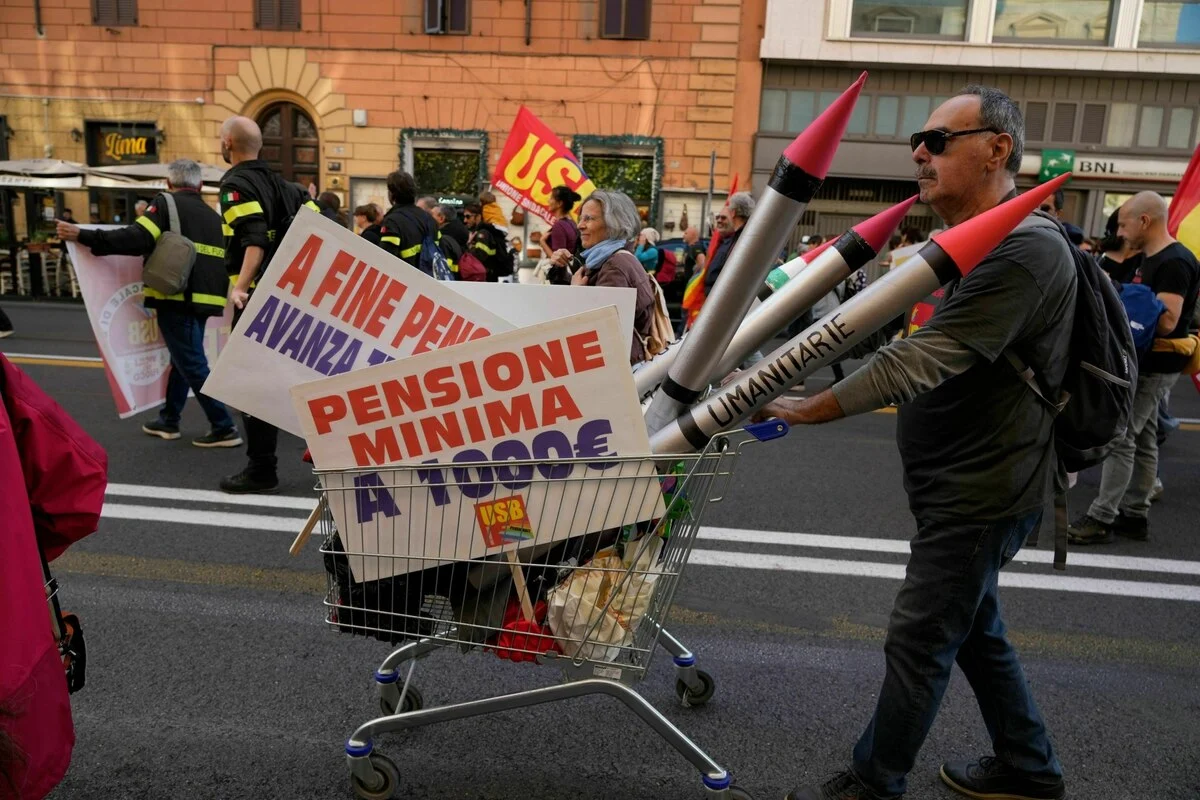
While distinct in their nature, the significant and often violent youth protests in France over issues such as pension reform served as a potent, albeit cautionary, example. The French demonstrations, characterized by their intensity and direct confrontation with central government authority, showcased the power of collective youth action to disrupt and demand attention. German youth, observing these events through traditional and social media, recognized the potential for widespread mobilization, even if they sought to adopt a different methodology. The image of students blocking university entrances in Paris, or clashing with riot police, undoubtedly resonated, providing a backdrop against which German students began to organize their own responses.
The Rise of "Gen Z regelt"
The "Gen Z regelt" movement itself appears to be largely decentralized, leveraging the power of social media platforms to disseminate its message and coordinate actions. Initial calls for action gained traction on platforms like TikTok, Instagram, and encrypted messaging apps, bypassing traditional student union structures. This grassroots approach allowed for rapid mobilization and resonated with a generation accustomed to digital networking.
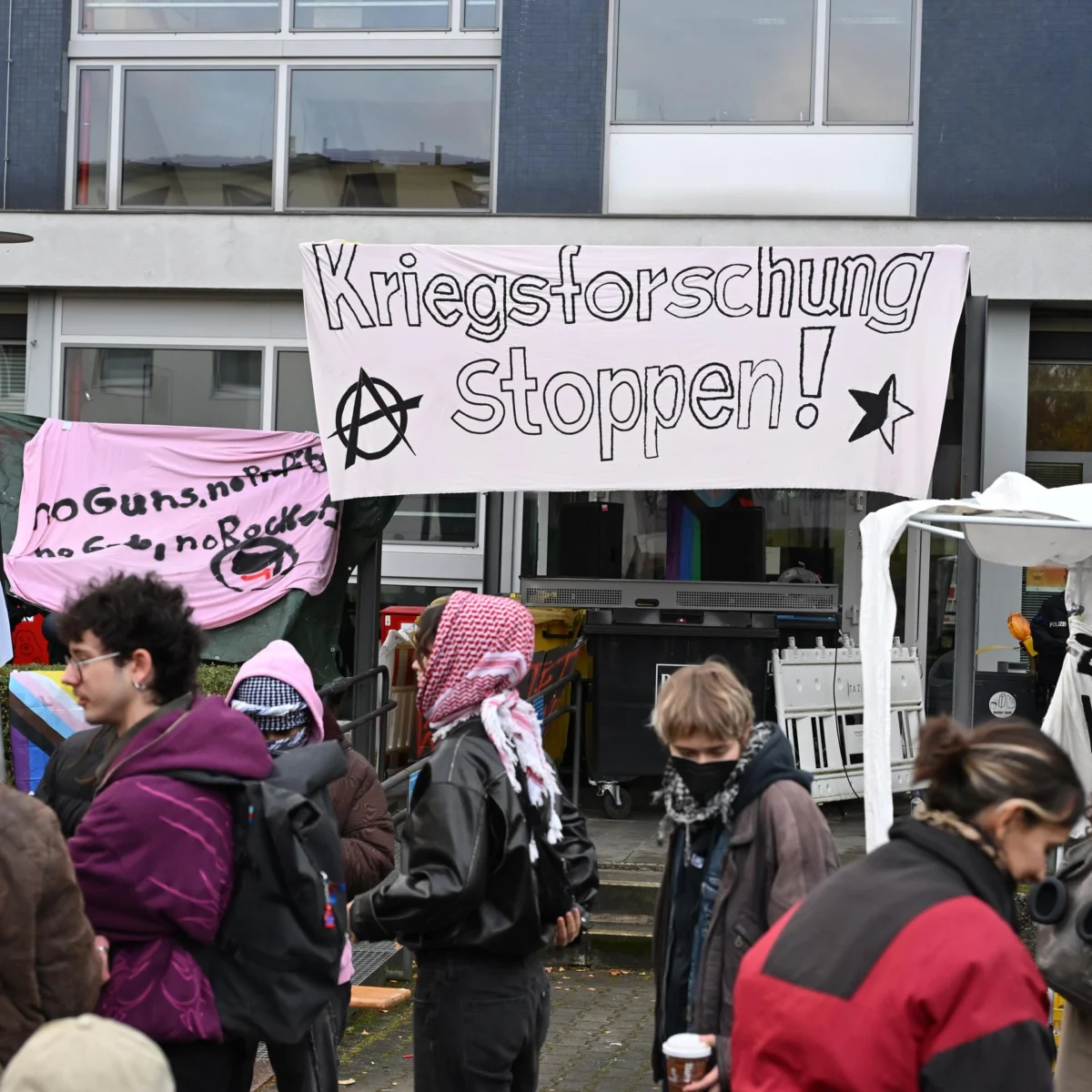
A pivotal moment leading up to the nationwide protests was the blockade of the Otto-Suhr-Institute at the Freie Universität Berlin on October 28, 2026. This action, captured in widely circulated images, saw students physically obstructing access to the university, drawing immediate media attention. The protestors articulated clear demands against education cuts and the reintroduction of conscription, explicitly linking their local action to the broader youth protests observed in France. This Berlin event served as a practical blueprint and an inspiration for the planned nationwide day of action, solidifying the "Gen Z regelt" brand and its agenda.
Over the subsequent days, similar, albeit smaller, actions were reported in other university towns, indicating a growing momentum. The call for a unified national protest day on October 31st was then amplified across various digital channels, urging students from all federal states to participate in demonstrations in major cities, transforming localized grievances into a collective national movement.
Supporting Data
Kilian Hampel’s nuanced forecast is not merely an intuitive guess but is rooted in rigorous sociological research, particularly the insights gleaned from the "Jugend in Deutschland" study, which he co-authored. This comprehensive analysis provides a statistical backbone to his assertions about the nature of German youth concerns and their likely modes of expression.
Insights from "Jugend in Deutschland"
The "Jugend in Deutschland" study consistently highlights a generation that is deeply concerned about its future, facing a complex interplay of environmental anxieties, economic precarity, and a perceived lack of political representation. Data from the study indicates:
- High levels of concern for climate change: A significant majority of young people rank climate action as a top political priority, often feeling that governmental responses are too slow or insufficient. This forms a strong ideological underpinning for their activism.
- Economic insecurity: Despite high educational attainment, many young Germans express anxiety about job security, the rising cost of living, and the ability to achieve financial independence. The concept of the "Generationenvertrag" (generational contract) – the implicit agreement between generations regarding social security and welfare – is increasingly viewed as unsustainable and unfair to younger cohorts, leading to demands for greater social justice.
- Desire for political participation: While some may feel disconnected from traditional political parties, the study reveals a strong desire among youth to have their voices heard and to actively participate in political decision-making. The recent conscription debate, where many felt "übergangen" (overlooked or ignored), particularly exacerbated this feeling of disenfranchisement. They seek genuine engagement, not merely symbolic gestures.
- Value for education: Despite frustrations with the system, young Germans highly value education as a pathway to personal and professional fulfillment. Consequently, any perceived degradation of educational standards or funding cuts is met with strong opposition.
Distinct Protest Cultures: Germany vs. France
Hampel elaborated on the fundamental differences between German and French protest cultures during his interview with Deutschlandfunk. These distinctions are crucial to understanding why similar triggers might lead to vastly different outcomes:
- Tradition of Protest: France has a long and deeply ingrained tradition of confrontational public protest, often involving general strikes and direct action against the state, particularly the central government. Mass demonstrations, sometimes accompanied by property damage and clashes, are an accepted, if not expected, part of the political process in France, dating back to historical revolutions.
- Federalism vs. Centralism: Germany’s federal system means that education policy, a key driver of the current protests, is primarily the responsibility of the individual federal states (Bundesländer). This decentralization inherently fragments protest efforts. Instead of a single, unifying target like the central government in Paris, German protestors must address 16 different state governments, each with its own budget, priorities, and political landscape. This diffusion of power tends to lead to more localized and less uniformly intense demonstrations.
- Police Doctrine and Public Order: German police forces generally operate under a doctrine that prioritizes de-escalation and the protection of fundamental rights, including the right to peaceful assembly. While incidents of police force occur, the societal expectation and legal framework tend to favor maintaining public order through negotiation and containment rather than immediate, forceful suppression of demonstrations, which can often provoke further violence. In contrast, French police tactics are often perceived as more robust and direct, sometimes contributing to escalatory cycles.
- Organizer’s Stance: The explicit rejection of violence by the "Gen Z regelt" organizers is a critical factor. Their public statements and internal communications emphasize peaceful assembly and constructive dialogue. While Hampel acknowledges the inherent risk of violent fringe groups attempting to co-opt any large protest, the core movement’s commitment to non-violence sets a clear tone and provides a basis for self-policing within the ranks of demonstrators.
Socio-Economic Undercurrents:
Beyond specific policy issues, the broader socio-economic context fuels the youth movement.
- Inflation and Cost of Living: The European Central Bank’s efforts to combat inflation have had mixed results, and while overall inflation might be moderating, specific sectors crucial for young people, like housing and energy, have seen persistent price increases. Rent prices in major German cities have continued their upward trajectory, making it increasingly difficult for students and young professionals to afford independent living. Energy costs, still recovering from recent geopolitical crises, remain a significant burden.
- Education Funding Realities: While exact figures vary by state, reports from educational unions and student bodies point to a cumulative shortfall in education spending across Germany. This includes a deficit in digitalization infrastructure, a shortage of qualified teachers, and neglected school buildings. For a generation that grew up with technology, the disparities in digital learning resources, particularly exacerbated by the pandemic, are a constant source of frustration.
These data points collectively underscore that the "Gen Z regelt" protests are not an isolated phenomenon but a genuine expression of deeply felt anxieties and aspirations among German youth, articulated through a distinct national cultural lens.
Official Responses
The impending protests have elicited a range of responses from political figures and institutions, reflecting both an understanding of youth concerns and a degree of caution regarding the potential for disruption.
Städtetagspräsident Jung: Support for Democratic Expression
Burkhard Jung, President of the Association of German Cities (Städtetag) and the SPD Mayor of Leipzig, has emerged as a significant voice of support for the protesting youth. Speaking to Funke-Medien, Jung unequivocally stated that "protest belongs to a vibrant democracy." His remarks underline a crucial aspect of German political culture: the recognition of public demonstration as a legitimate and essential mechanism for civic participation and expression.
Jung urged political leaders to "take the concerns of young people seriously," emphasizing that fears of potential unrest should not overshadow the substantive issues being raised. He articulated the sentiment that young people who are worried about education, social security, affordable housing, or their future "rightly expect politics to act." As a senior SPD politician, his stance also subtly aligns with his party’s traditional emphasis on social justice and youth engagement, although the SPD is also part of the current federal government facing some of these criticisms. His support signals that city administrations are prepared to facilitate peaceful protests and engage in dialogue rather than viewing them solely as a security threat. This involves strategic planning for designated protest routes, managing traffic flow, and ensuring adequate police presence focused on maintaining order and protecting participants’ rights.
Governmental Acknowledgment and Defense
While no federal minister has yet issued a direct, comprehensive statement on the "Gen Z regelt" protests, various ministries have responded to the underlying issues.
- Federal Ministry of Education and Research: Officials from the federal ministry have acknowledged the importance of education funding but often defer to the states, reiterating that education is primarily a state matter. They might point to federal initiatives aimed at supporting digitalization in schools or providing research grants, while subtly deflecting direct responsibility for state-level budget cuts.
- Federal Ministry of Defence: Regarding conscription, the Ministry of Defence has consistently highlighted the strategic necessity of reviewing national defense capabilities in the current geopolitical climate. They might argue that any reintroduction of conscription would be carefully designed to minimize disruption to education and careers, emphasizing civic duty and national security, often contrasting sharply with youth perspectives on individual freedom.
- Federal Government Spokesperson: A general statement from the federal government spokesperson might acknowledge the right to protest and the importance of youth engagement, while simultaneously urging peaceful conduct and adherence to legal regulations.
Student Representative Bodies: Distancing and Alternative Approaches
Perhaps one of the most intriguing developments is the distancing of established student representative bodies from the "Gen Z regelt" movement. This highlights a generational and perhaps methodological schism within student activism.
- Lower Saxony State Student Council: This body explicitly stated concerns about a "lack of transparency regarding those responsible" for the protests and a "fear of political instrumentalization." This suggests apprehension about the movement’s leadership, funding, and potential susceptibility to being co-opted by external political agendas or extremist groups. The inability to ascertain "who was organizing the demonstration in Hanover" (and presumably other cities) indicates a perceived lack of accountability and clear communication channels, which are typically central to established student organizations.
- Federal Student Conference (Bundesschülerinnenkonferenz): This national body has also distanced itself, signaling a preference for a more structured and perhaps institutionally integrated approach to advocacy. Their announcement of "own actions in November" suggests an alternative strategy. These actions could involve organized dialogues with politicians, expert hearings, the development of detailed policy proposals, or targeted campaigns within educational institutions. This approach reflects a desire for more controlled, policy-oriented engagement, contrasting with the spontaneous, broad-based street protest model of "Gen Z regelt." The concerns might also stem from a desire to protect the legitimacy and long-term effectiveness of student representation by avoiding association with movements that might be perceived as lacking clear leadership or prone to unforeseen disruptions.
These varied official responses underscore the complexity of the situation: a recognition of legitimate youth grievances, a commitment to democratic protest rights, but also a cautious approach to movements lacking traditional organizational structures.
Implications
The outcome of tomorrow’s "Gen Z regelt" protests, regardless of their scale or immediate impact, will carry significant implications for German politics, youth engagement, and the ongoing national discourse.
Impact on Policy and Political Agenda:
If the protests are large, sustained, and overwhelmingly peaceful, they could significantly elevate the issues championed by "Gen Z regelt" onto the national political agenda.
- Education Funding: While education is a state matter, a unified national outcry could pressure federal and state governments to re-evaluate their budgetary priorities. It might spark renewed debates on a national education pact or increased federal support for state education budgets, even if indirectly.
- Climate Protection: The protests could reinforce the existing political pressure for more ambitious climate policies, potentially influencing upcoming legislative decisions or accelerating the implementation of existing targets.
- Cost of Living: A strong showing could compel politicians to explore new measures to alleviate financial burdens on young people, such as housing subsidies, student loan reforms, or targeted economic support programs.
- Conscription: The protests could make the reintroduction of conscription politically more difficult, potentially pushing the government to reconsider or significantly modify its proposals, perhaps opting for voluntary service models or alternative civic duties.
However, if the protests are smaller than anticipated, or if isolated incidents of violence overshadow the peaceful majority, their policy impact could be diminished. Politicians might then be less inclined to engage with the movement’s demands, potentially dismissing them as marginal or irresponsible.
Shaping Youth Political Engagement:
The "Gen Z regelt" movement could serve as a crucial touchstone for youth political engagement in Germany.
- Mobilization and Empowerment: A successful day of action, marked by high participation and positive media coverage, could empower a new generation of activists, demonstrating that their collective voice has power. It could foster a greater sense of civic responsibility and encourage further participation in democratic processes, both conventional and unconventional.
- Risk of Disillusionment: Conversely, if the protests fail to achieve visible results or are marred by internal divisions or negative portrayals, it could lead to widespread disillusionment among young people. This could result in a retreat from political activism, a feeling that their efforts are futile, and a deepening distrust in political institutions.
- Evolution of Activism: The contrast between "Gen Z regelt" and the established student representative bodies also highlights an ongoing evolution in youth activism. "Gen Z regelt’s" decentralized, social media-driven approach might represent a new paradigm, challenging traditional organizational structures. The success or failure of this model will influence future youth movements, potentially encouraging more grassroots, less formal activism.
The Future of German Protest Culture:
Kilian Hampel’s prediction of peaceful protests underscores a fundamental aspect of German political culture. Should this prediction hold true, it would reaffirm Germany’s distinct approach to public demonstration, emphasizing dialogue and order over confrontation, particularly when compared to its French neighbor.
- Reinforcing Norms: A peaceful outcome would reinforce the societal norm that effective protest in Germany is primarily non-violent and respectful of democratic institutions. It could further solidify the idea that grievances can be aired and addressed within established frameworks, even if those frameworks are being challenged.
- Intergenerational Dialogue: The protests, and the official responses to them, could also foster a more robust intergenerational dialogue. Städtetagspräsident Jung’s support for youth concerns suggests a willingness from parts of the older political establishment to listen. The challenge will be to translate this listening into concrete policy changes that address the legitimate anxieties of younger generations regarding their future.
- Long-term Social Cohesion: The underlying issues – education, climate, cost of living, generational contract – are not fleeting. How Germany manages this burgeoning youth activism will have long-term implications for social cohesion and the perceived legitimacy of its democratic processes. A failure to address these concerns risks alienating a significant demographic, potentially leading to more radical forms of protest in the future or a withdrawal from civic life altogether.
The "Gen Z regelt" protests on October 31, 2026, therefore, are more than just a single day of demonstrations. They are a barometer of youth sentiment, a test of Germany’s protest culture, and a critical moment for the nation to engage with the aspirations and anxieties of its youngest citizens. The path forward will depend not only on the actions of the protestors but equally on the responsiveness and foresight of Germany’s political leadership.
This news was broadcast on Deutschlandfunk on October 30, 2026.