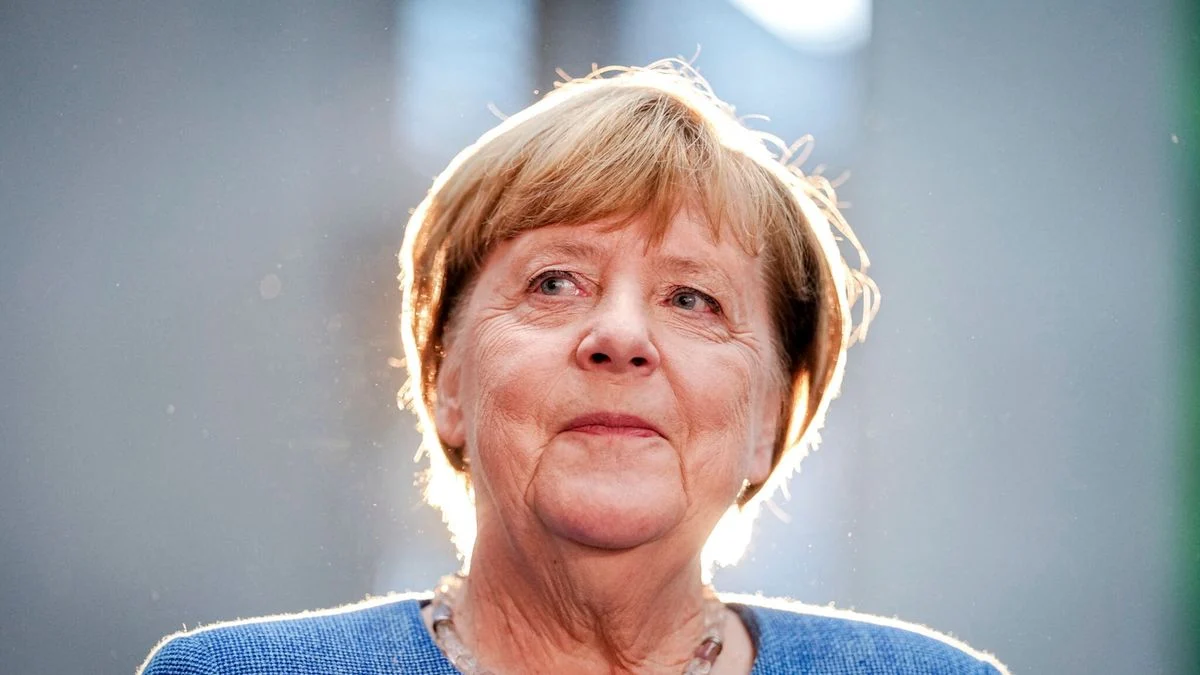
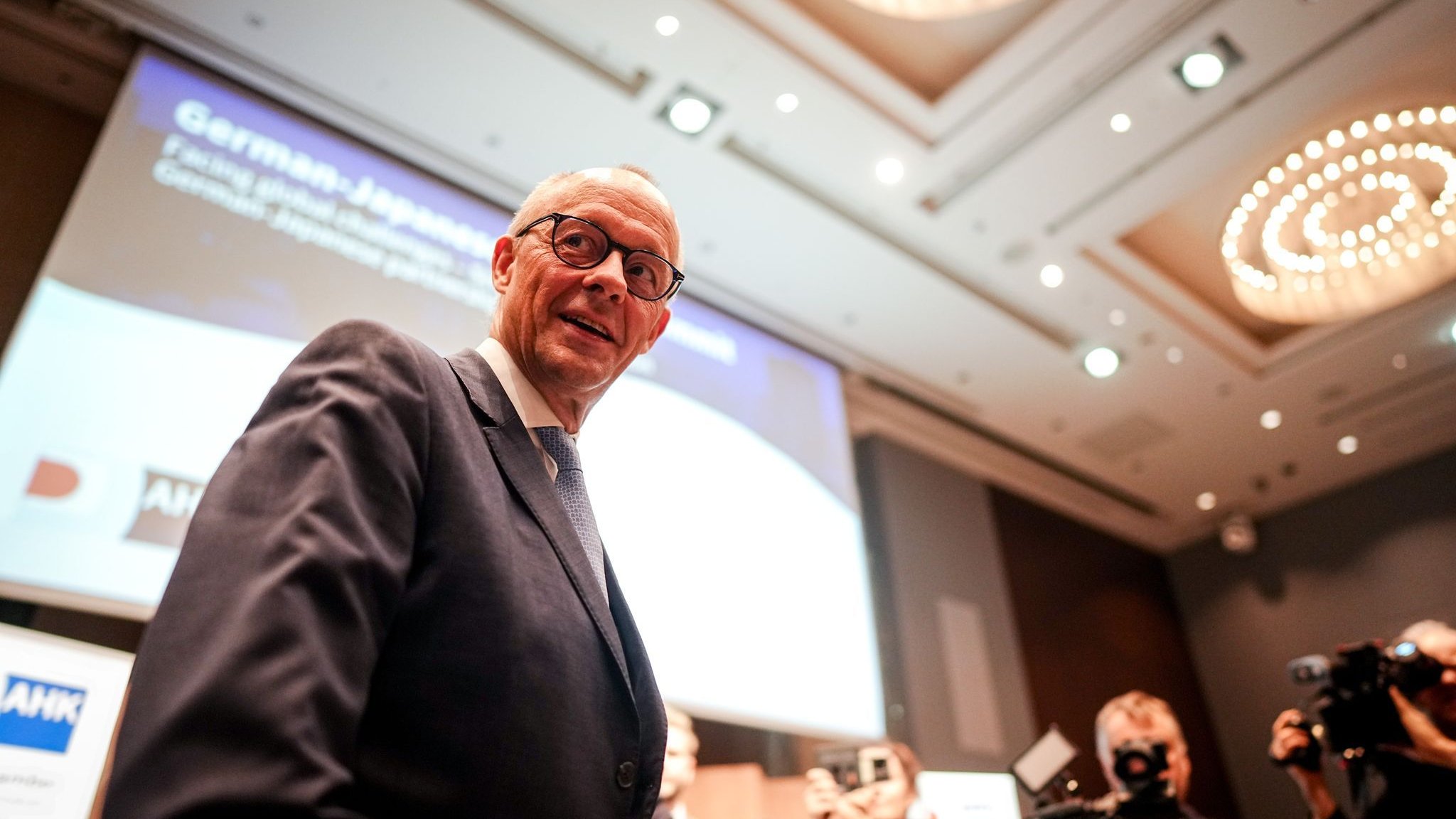
SEOUL/BRUSSELS – German Chancellor Friedrich Merz (CDU) concluded a pivotal tour of Asia on Friday, expressing palpable surprise at the vehemence of criticism from key trade partners regarding the European Union’s proposed "Made in EU" regulations for automobiles. The new rules, designed to prioritize European production in the allocation of state subsidies and purchase premiums, have ignited fears of protectionism across a continent vital to global trade and Germany’s export-driven economy.
Speaking in Seoul at the culmination of his diplomatic engagements, Merz admitted he was "somewhat surprised" by the intensity of the concerns voiced by heads of state and government in Japan, South Korea, and Singapore. These nations, crucial partners in a global economy navigating increasing geopolitical tensions and trade fragmentation, conveyed deep anxieties that the EU’s burgeoning industrial policy could trigger a new wave of protectionism, potentially walling off European markets from foreign competitors. Merz, representing Europe’s largest economy, now faces the delicate task of balancing domestic industrial interests with the imperative of maintaining open, rules-based international trade relations.
The Core of the Contention: EU’s Automotive Policy Shift
At the heart of the controversy is a recently forged Franco-German agreement that paves the way for stricter "Made in EU" criteria within the automotive sector. This pact, spearheaded by Chancellor Merz and French President Emmanuel Macron in Brussels just two weeks prior, on October 16, represents a significant policy pivot for the European bloc. While Merz secured concessions on delaying the ban on internal combustion engines, he concurrently assented to France’s demand for more stringent local content rules for vehicles. The stated objective of these measures is to safeguard and create jobs within Europe’s strategically important automotive industry, a sector facing immense competitive pressure, particularly from Asian electric vehicle manufacturers.
Under the new proposed framework, state-backed incentives, such as purchase premiums for new vehicles, would exclusively be granted to cars that are assembled within the European Union and comprise at least 70 percent European value creation in their components. This ambitious local content requirement is intended to bolster the entire European automotive supply chain, from raw materials and battery production to final assembly.

A notable exception to this rule is envisaged for Great Britain. However, this preferential treatment is contingent on London aligning its trade protection and investment regulations with those of the EU. This condition aims to prevent third-country manufacturers, especially from China, from circumventing the EU’s local content rules by routing their products through the UK to access European subsidies. For major automotive exporting nations like Japan and South Korea, which do not currently meet these stringent European production and value-chain thresholds, their vehicles would largely be excluded from these crucial EU subsidies, placing them at a significant competitive disadvantage in the European market.
The EU’s move echoes similar protectionist tendencies observed globally, particularly the "Inflation Reduction Act" (IRA) in the United States, which offers substantial tax credits and incentives for electric vehicles and renewable energy components produced in North America. While the EU maintains that its measures are distinct and WTO-compliant, the parallels are unmistakable, and the fear among Asian partners is that the world’s major economic blocs are increasingly turning inwards, jeopardizing the principles of free and fair trade.

A Diplomatic Tightrope: Merz’s Asia Tour and the Asian Backlash
Chancellor Merz’s multi-country Asian tour was intended to foster closer economic ties and strengthen strategic alliances with "like-minded countries" in the face of growing global uncertainties, particularly American protectionism under figures like former President Donald Trump and China’s expanding economic influence. However, the discussions were largely overshadowed by the fallout from Brussels’ new automotive proposals.
Merz found himself in the unenviable position of defending a policy that directly contradicts the open trade principles he was simultaneously advocating for in Asia. "I contradicted everywhere and tried to dispel these concerns," Merz stated, emphasizing the necessity of maintaining open markets and fostering competition. He underscored that continued access to Asian markets was paramount for German companies to successfully sell their products abroad. This internal conflict highlights the dilemma facing Germany and the EU: how to bolster domestic industry and secure strategic autonomy without alienating crucial international trade partners.

Chronology of Concerns:
The Asian apprehension was not unforeseen, yet its intensity caught the German Chancellor off guard. The concerns mounted steadily even before Merz’s arrival:

- October 16, 2026 (Post-Franco-German Agreement): Immediately following the announcement of the Franco-German "autopact," Japanese automotive giant Toyota was among the first to react. The company publicly called for the special provisions granted to Great Britain to be extended to other close trading partners, specifically naming Japan and Turkey. This early demand signaled the deep-seated concern within the Japanese industry about potential market access restrictions.
- Tuesday, October 29, 2026 (Pre-Merz Arrival in Tokyo): Ahead of Merz’s arrival in Tokyo, Japan’s Economy Minister issued a clear warning, announcing his intention to explicitly caution the German delegation against any measures that would disadvantage Japanese electric vehicles in the European market. This public statement set a confrontational tone for the impending high-level discussions.
- Wednesday, October 30, 2026 (Tokyo): During his visit to Tokyo, Chancellor Merz met with Japanese Prime Minister Sanae Takaichi. The Prime Minister personally conveyed her government’s significant reservations regarding the EU’s proposed "Industrial Accelerator Act" – the broader legislative initiative under which the "Made in EU" automotive rules would fall. This direct engagement at the highest political level underscored the seriousness of Japan’s concerns.
- Thursday, October 31, 2026 (Seoul): The diplomatic pressure continued in South Korea. Following his meeting with Merz in Seoul, South Korean President Lee Jae-myung publicly announced that he had explicitly requested the Chancellor’s support to ensure South Korea receives treatment equivalent to EU member states under the forthcoming EU legislation. This plea highlights the desire of Asian economies, often deeply integrated into global supply chains and strong exporters, to avoid discriminatory practices.
Supporting Data and Broader Context
The economic stakes in this trade dispute are substantial. The EU, Japan, and South Korea are major players in the global automotive industry, and their trade relations extend far beyond cars.
- Trade Volume: The EU has comprehensive free trade agreements (FTAs) with Japan, South Korea, and Singapore. These agreements underpin significant bilateral trade flows. For instance, in 2022, EU-Japan trade in goods amounted to over €140 billion, while EU-South Korea trade exceeded €110 billion. Germany, as the EU’s economic powerhouse, is a crucial trading partner for all three, with its machinery, chemical products, and, critically, automobiles being highly sought after in Asian markets.
- Automotive Sector Importance: The automotive industry is a cornerstone of both European and Asian economies, supporting millions of jobs directly and indirectly. For Japan and South Korea, leading global car manufacturers, access to the lucrative European market is vital for their growth strategies, especially as they pivot towards electric vehicles. Conversely, European manufacturers rely heavily on components and technologies from these Asian partners, making an abrupt decoupling or punitive measures highly disruptive.
- Supply Chain Integration: The global automotive industry operates on highly integrated and complex supply chains. A "70 percent European value creation" rule would necessitate a radical restructuring of these chains, potentially leading to increased costs, reduced efficiency, and significant investment challenges for non-EU manufacturers operating within or exporting to the bloc. This level of localization is often difficult to achieve rapidly and could be seen as an insurmountable barrier by many.
- Geopolitical Alignment: Beyond economics, Japan, South Korea, and Singapore are considered strategic partners for the EU and Germany. Merz himself, in Singapore, advocated for a "global alliance of like-minded countries" to bolster rule-based trade in an increasingly fractured world, explicitly referencing the protectionist policies of the US and the economic weight of China. Alienating these partners with protectionist trade policies could undermine efforts to build a united front against challenges to the multilateral trading system. The irony of seeking to strengthen trade alliances while simultaneously implementing restrictive trade measures was not lost on Merz’s Asian hosts.
Official Responses and Merz’s Commitment
Throughout his tour, Merz was unequivocal in his public commitment to convey the Asian partners’ concerns to Brussels. "I will, of course, address this at the next European Council, that I have received these concerns very intensely here," he affirmed, adding, "I take it seriously, and I take it with me." This pledge suggests a potential for internal debate within the EU regarding the implementation and scope of the "Made in EU" provisions.

However, Merz did not explicitly announce any intention to alter the Franco-German position on automotive subsidies. This highlights the delicate balancing act he faces: acknowledging external criticism without immediately undermining a hard-won agreement with a key EU partner like France, which is a strong proponent of industrial protectionism.
The Chancellor did offer a slight clarification in Tokyo, stating that the European preference for local content would, for now, primarily apply to the automotive industry and public procurement. This distinction is crucial because the European Commission’s broader "Industrial Accelerator Act" (sometimes referred to as the Net-Zero Industry Act) envisions similar local content rules for a wider array of industrial sectors, including critical technologies like heat pumps and wind turbines. In these broader areas, Berlin is reportedly pushing for equal treatment of partner countries, meaning that, for example, heat pumps from Asia could still qualify for European purchase premiums, provided they meet other criteria. This suggests a nuanced approach from Germany, potentially seeking to limit the protectionist scope to specific, highly sensitive sectors like automotive, while striving for more openness in others.

Implications and the Path Forward
The standoff over the "Made in EU" auto rules carries significant implications for global trade, EU-Asia relations, and the future direction of European industrial policy.
- Risk of Retaliation: The most immediate risk is the potential for retaliatory measures from Asian partners. If Japanese and South Korean carmakers are effectively locked out of EU subsidies, their governments could consider imposing their own trade barriers or incentives to disadvantage European products in their markets. Such a scenario would lead to a downward spiral of protectionism, detrimental to all parties involved and the global economy.
- Impact on FDI and Supply Chains: The stringent local content rules could deter foreign direct investment (FDI) into the EU from Asian manufacturers. Why invest in European production if the incentives are primarily geared towards existing EU players or if the threshold for "European content" is too high to realistically achieve? This could also force a costly and potentially inefficient restructuring of global automotive supply chains, fragmenting an already complex system.
- Challenge to Multilateralism: The EU’s move, coming after the US IRA, challenges the spirit and potentially the letter of multilateral trade rules under the World Trade Organization (WTO). While countries often try to frame such policies as "industrial development" rather than "protectionism," the line is often blurred. A proliferation of such measures could weaken the WTO and undermine the global trading system that has historically benefited export-oriented economies like Germany.
- Internal EU Cohesion: Merz’s commitment to bring Asian concerns to the European Council will undoubtedly fuel internal debates within the EU. While countries like France are strong advocates for strategic autonomy and industrial protection, others, particularly Germany with its massive export industry, have traditionally championed open markets. The outcome of these discussions will determine whether the EU leans further into a protectionist stance or finds a way to reconcile its industrial ambitions with its commitment to global trade.
- Strategic Autonomy vs. Openness: The core dilemma for the EU is how to achieve "strategic autonomy" – reducing dependence on external actors for critical goods and technologies – without resorting to isolating protectionism. The current automotive policy suggests a leaning towards the latter, but Merz’s recent remarks indicate a recognition of the need for balance. The future will likely see the EU attempting to refine its industrial policy tools to achieve resilience without sacrificing its long-standing economic partnerships.
In conclusion, Chancellor Merz’s Asian tour has brought into sharp focus the growing tension between the European Union’s aspiration for industrial sovereignty and the imperative of maintaining robust, open trade relations with its critical Asian partners. His diplomatic efforts to assuage fears while upholding the Franco-German agreement underscore the complex tightrope walk facing European leaders. The coming months will reveal whether the EU can navigate these turbulent waters, adjust its "Made in EU" policies to address legitimate concerns, and prevent a wider trade conflict that no economy can truly afford.