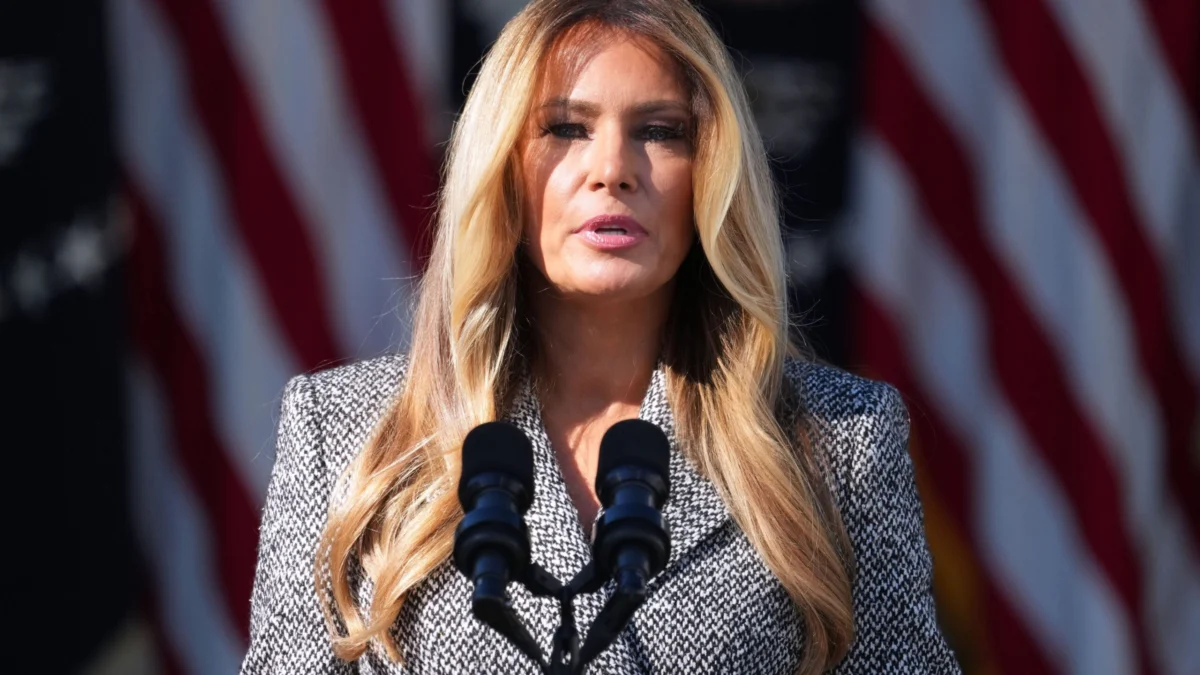
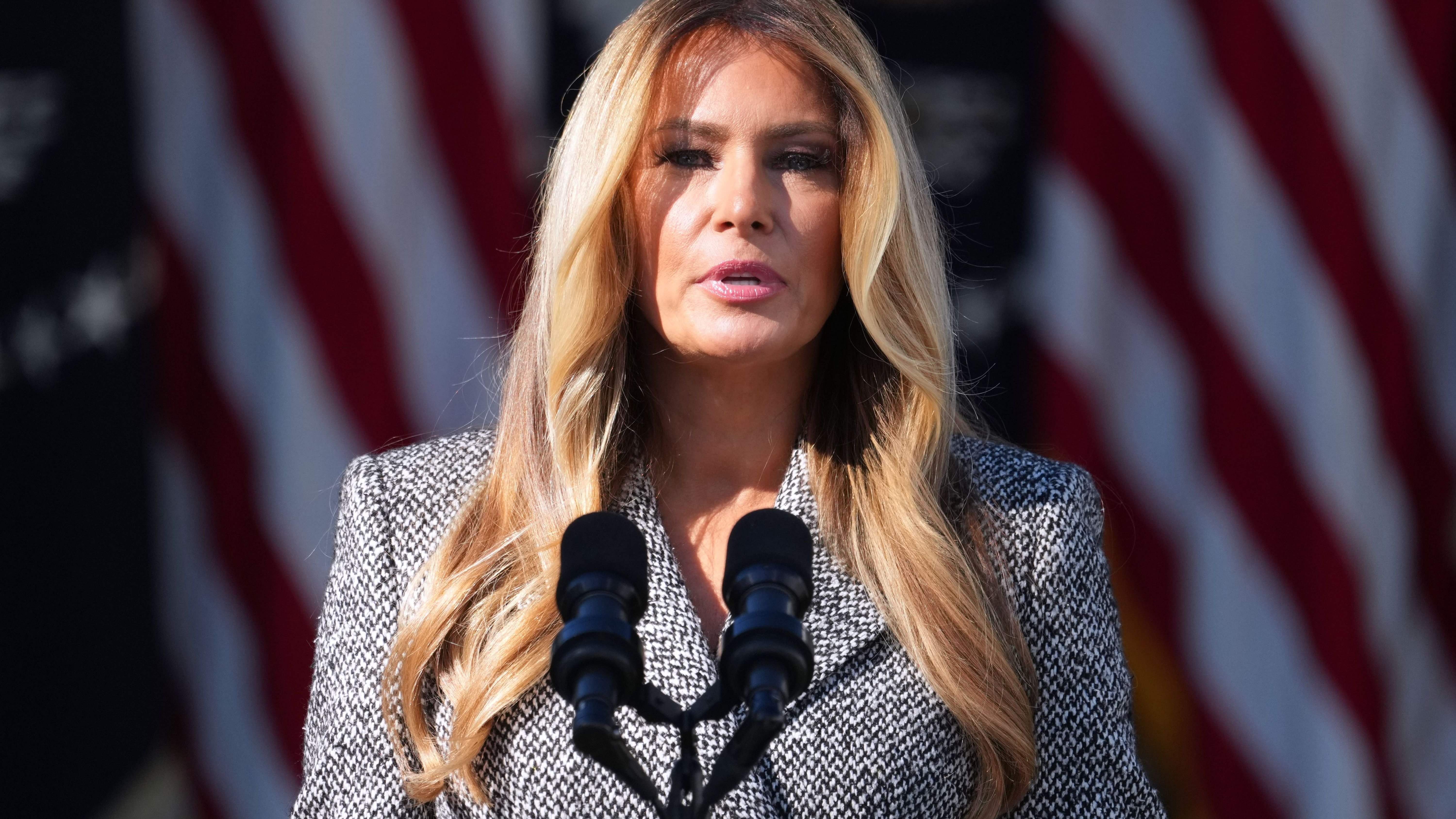
KYIV, UKRAINE – In a surprising diplomatic turn, the White House has announced that First Lady Melania Trump has successfully mediated a localized ceasefire between Russia and Ukraine in the embattled city of Oleshky. This development, slated to begin on October 29, aims to facilitate humanitarian aid and civilian evacuation, injecting a new, unexpected dimension into the ongoing conflict. The announcement comes amidst a flurry of significant events, including a substantial prisoner exchange, escalating cyberattacks on Ukraine’s digital infrastructure, and persistent controversies surrounding Starlink satellite communication services.
The ceasefire in Oleshky, a city under Russian control in the Kherson region, marks a rare instance of direct mediation outside traditional diplomatic channels. This humanitarian initiative unfolds as both sides grapple with intensified military pressure, critical infrastructure vulnerabilities, and a complex web of peace negotiations involving multiple international actors.
Main Facts
The latest developments in the Ukraine conflict paint a picture of simultaneous humanitarian efforts, relentless digital warfare, and a fragile diplomatic dance:
- Melania Trump’s Ceasefire Initiative: The First Lady has reportedly brokered a local ceasefire in Oleshky, Kherson region, set to commence on October 29. The agreement, confirmed by both Russian and Ukrainian officials, is intended to allow for the delivery of humanitarian aid and the creation of safe corridors for civilian evacuation.
- Significant Prisoner Exchange: In a positive humanitarian step, Russia and Ukraine conducted an exchange of 270 prisoners of war, with each side returning 135 soldiers.
- Escalating Digital and Energy Attacks: Ukraine reports a systematic increase in Russian attacks targeting its digital infrastructure, with ten data centers in Kyiv hit last month alone. Concurrently, new heavy assaults on energy infrastructure have left over half a million Ukrainians without power, prompting emergency measures and planned blackouts.
- Starlink Controversy Continues: Despite assurances from US President Donald Trump, Ukrainian officials maintain that Starlink satellite internet services remain throttled, hindering critical military operations. This issue highlights the complex interplay between private tech companies, geopolitical interests, and battlefield realities.
- Diplomatic Engagements Intensify: Preparations are underway for technical peace talks involving Ukraine, Russia, and the United States in Abu Dhabi in mid-November. However, disagreements persist regarding the format of broader peace negotiations, with Europe advocating for direct participation and Lithuania warning against excluding Ukraine from any top-level summits.
- Shifting US Policy and Sanctions: The US decision to allow a Russian diesel tanker to head for New York, coupled with the suspension of some sanctions, underscores President Trump’s efforts to influence fuel prices ahead of the upcoming US midterm elections, drawing criticism from Ukrainian President Volodymyr Zelenskyy.
These multifaceted developments underscore the dynamic and unpredictable nature of the conflict, where humanitarian overtures, technological battles, and high-stakes diplomacy are constantly intertwined.

Chronology of Key Events
The past weeks have seen a rapid succession of events, illustrating the fluid nature of the conflict and its international repercussions:
Earlier Developments (Unspecified Dates):

- Starlink Restrictions Emerge: Reports from the Wall Street Journal indicated that US President Donald Trump had personally contacted SpaceX CEO Elon Musk, urging him to lift restrictions on Starlink satellite internet services in Ukraine. These restrictions, which limited speeds for military applications at higher velocities, had reportedly hampered Ukraine’s defense capabilities.
- Zelenskyy Addresses Starlink Issues: Ukrainian President Volodymyr Zelenskyy publicly expressed his concerns about the throttling of Starlink services, acknowledging the critical role it plays for his country’s military communications. He also indicated openness to peace discussions mediated by President Trump and other international partners, emphasizing the goal of compelling Russia to end the war.
Recent Weeks and Days:
- Persistent Energy Infrastructure Attacks (October 11 onwards): Russia has significantly intensified its attacks on Ukraine’s critical energy infrastructure, with over 170 strikes reported since October 11. These sustained assaults have led to widespread power outages across multiple regions.
- Escalating Digital Warfare (Last Month): Ukrainian Prime Minister Sergiy Koretskyy revealed that Russia systematically targeted Ukraine’s digital infrastructure, mirroring its attacks on the energy sector. Ten data centers in Kyiv were hit within the last month, raising alarms about the increasing sophistication of cyber warfare, including AI-supported attacks. Koretskyy urged government agencies to bolster their cybersecurity teams.
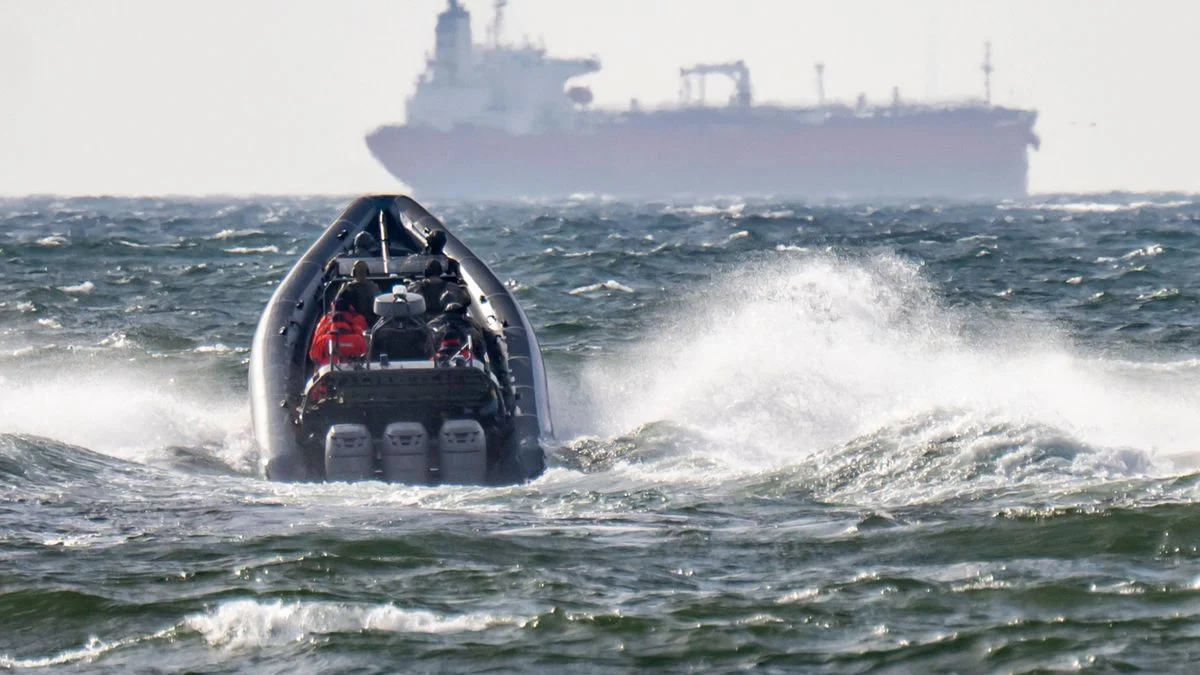
- Russian Diesel Deal Takes Shape (October 22 – Present): On October 22, a tanker named "Agioi Fanendes," loaded with 40,000 tons of Russian low-sulfur diesel, departed from the Russian Baltic Sea port of Primorsk. This shipment is part of an agreement between US President Donald Trump and Russian President Vladimir Putin, aimed at reducing US diesel prices ahead of the November 3 US midterm elections, and involved the suspension of certain sanctions against Russia. The tanker is expected to arrive in New York on November 7.
- Intensified Russian Military Strikes (Recent Thursday): Russian forces launched a series of heavy attacks across Ukraine. In Kharkiv and its vicinity, one person was killed and at least 13 injured. Kyiv experienced a barrage of 21 ballistic missiles, which struck residential buildings, energy facilities, a railway station, the metro system, and commercial centers, resulting in one fatality. President Zelenskyy specifically noted the use of three ballistic missiles equipped with internationally condemned cluster munitions, designed to cause indiscriminate damage over a 400-meter radius, with one impact near the historic Kyiv-Pechersk Lavra. Ukraine made urgent pleas for more Patriot air defense systems, while US officials acknowledged dwindling stockpiles.
- Ukrainian Drone Attacks and Russian Responses (Recent Thursday): Ukrainian drone attacks targeted Russian-controlled territories and even the Russian capital. In the Luhansk region, Russian-appointed governor Leonid Pasetschnik reported two civilian deaths and four injuries from Ukrainian drone strikes, including a fatal hit on a truck driver and an occupant of a car. Moscow’s Sheremetyevo Airport issued warnings for passengers to seek shelter due to drone threats, and the Russian aviation authority, Rosaviatsia, temporarily suspended flights at three major Moscow airports – a common practice during Ukrainian drone incursions. Moscow Mayor Sergei Sobyanin claimed the city was targeted by an astonishing 630 drones overnight.
- Black Sea Merchant Vessel Incident (Recent Unspecified Date): A merchant vessel sailing under the Comoros flag was reportedly struck by a drone off the Romanian Black Sea coast, near the Ukrainian border. The incident resulted in one sailor’s death, nine rescues, and three missing crew members, with the ship reportedly at risk of sinking. Romanian President Nicusor Dan condemned the event as "another escalation attempt by Russia."
- Widespread Power Outages in Ukraine (Recent Unspecified Date): Following relentless Russian attacks on energy infrastructure, the Ukrainian Energy Ministry confirmed that over 500,000 people in Zhytomyr, Volhynia, Mykolaiv, Poltava, Khmelnytskyi, and Rivne regions were without electricity. Emergency and restoration efforts were underway but hampered by ongoing hostilities, leading to plans for hourly power cuts and industrial load restrictions to stabilize the grid.
- Prisoner Exchange (Recent Unspecified Date): Russia and Ukraine successfully exchanged prisoners of war, with each side returning 135 captured soldiers to their respective countries, as reported by the state-run Russian news agency Tass.
- Austrian Diplomat Expulsions (Recent Unspecified Date): Austria announced the expulsion of four Russian diplomats, citing "activities incompatible with their diplomatic status." Three were members of the Russian Embassy in Vienna, and one was part of the Russian delegation to the OSCE. The expulsions followed intelligence from Austrian security authorities, with reports suggesting alleged Russian agent contact attempts with Austrian army personnel. Russia vowed to retaliate.
- Danish Rearmament (Recent Unspecified Date): Denmark, a NATO member, announced its acquisition of long-range precision missiles – "Anthem" from US firm Covenant and "Joint Strike Missiles" from Norwegian manufacturer Kongsberg – for its F-35 fighter jets. Defense Minister Jeppe Bruus stated these systems would enable strikes "behind enemy lines." The Russian Embassy in Copenhagen condemned the move, warning of "unavoidable catastrophic consequences."
- Ukraine Seeks Inland Grain Customs (Recent Unspecified Date): The Financial Times reported that Ukraine is negotiating with Poland and Slovakia to relocate grain customs controls inland within the two EU states. This measure aims to protect grain shipments from Russian drone attacks at the border, a strategy already implemented with Moldova. Ukrainian Foreign Ministry spokesman Heorhiy Tychyi highlighted the "new security environment" necessitating such moves.
- Melania Trump-Mediated Ceasefire (October 29): The White House announced that First Lady Melania Trump has successfully mediated a local ceasefire in Oleshky, Ukraine, between Russian and Ukrainian forces. The ceasefire, set to begin on October 29, is designed to enable humanitarian aid deliveries and the safe evacuation of civilians. The First Lady’s representatives reportedly worked directly with both Russian and Ukrainian leadership, with an independent US media organization slated to document the implementation. Russia, through General Staff Chief Valery Gerasimov, confirmed its participation, stating that forces would cease fire in the Kherson direction from 4:00 AM Moscow time (2:00 AM CET) on Tuesday as part of a humanitarian operation, though the duration was not specified. Ukrainian Human Rights Commissioner Dmytro Lubinets welcomed the agreement, affirming humanitarian aid delivery and free movement for residents.
- Upcoming Peace Talks in Abu Dhabi (Mid-November): Ukrainian President Volodymyr Zelenskyy confirmed that technical talks between Ukraine, Russia, and the US are scheduled for the first half of November in Abu Dhabi. He expressed hope that these technical discussions would pave the way for a summit of heads of state.
- Broader Peace Negotiation Debates (Mid-November): The Kremlin, via spokesman Dmitry Peskov, confirmed preparations for a mid-November meeting in the UAE, emphasizing a trilateral format (Russia, USA, Ukraine) in the initial stages, with Europeans potentially joining later. President Vladimir Putin stated the primary focus would be on the security of both Russia and Ukraine following a peaceful resolution. Meanwhile, Lithuanian President Gitanas Nauseda cautioned against excluding Ukraine from any high-level discussions, specifically referencing Moscow’s reported aim for a China-USA-Russia summit at the APEC meeting in Shenzhen in November. German Chancellor Friedrich Merz reiterated that Europe must have a direct seat at any negotiation table, asserting that "there will be no lasting peace in Ukraine without Europe." An EU Commission spokesperson also confirmed the EU’s intention to participate in future multilateral talks at a senior official level.
Supporting Data and Context
The various incidents and diplomatic efforts are underpinned by critical contexts:
Oleshky Ceasefire: Oleshky is strategically located in the Russian-occupied Kherson region, a key area of ongoing conflict. Its isolation has led to severe humanitarian challenges. The involvement of Melania Trump, a figure not typically associated with high-stakes international mediation, adds an unusual element to this humanitarian initiative. Her direct engagement, as described by the White House, bypasses traditional diplomatic channels and underscores the urgency of humanitarian needs on the ground. The agreement’s success hinges on the willingness of both sides to adhere to the terms, as well as the efficacy of independent monitoring.
Starlink and Digital Infrastructure: Starlink, provided by Elon Musk’s SpaceX, has been a lifeline for Ukraine’s military, enabling crucial battlefield communication and drone operations. The alleged throttling, and the subsequent "restoration" announced by Trump, expose the vulnerability of modern warfare to private technology providers and their owners’ political leanings. The ongoing cyberattacks on Ukraine’s digital backbone, from data centers to government systems, represent a parallel front in the war, aimed at disrupting governance, public services, and military coordination. The reported use of AI to enhance these attacks signifies an evolving threat landscape, demanding robust cybersecurity defenses.
Energy Infrastructure Attacks: Russia’s targeting of energy infrastructure is a deliberate strategy to degrade Ukraine’s ability to sustain its population and economy, especially as winter approaches. The scale of the damage, leaving hundreds of thousands without power, highlights a severe humanitarian crisis. Ukraine’s response, involving emergency repairs and planned blackouts, reflects a desperate effort to maintain grid stability under relentless assault.
Cluster Munitions: Zelenskyy’s accusation that Russia is using cluster munitions against civilian areas in Kyiv is particularly alarming. These weapons, which disperse numerous smaller submunitions, are widely condemned internationally due to their indiscriminate nature and high rate of duds, which pose a long-term threat to civilian populations as unexploded ordnance, effectively acting as landmines. The 2010 Convention on Cluster Munitions prohibits their use, though neither Russia nor Ukraine are signatories.

Peace Talks and Diplomatic Formats: The proposed technical talks in Abu Dhabi and the broader discussions about a future peace summit reflect a growing international desire for a resolution. However, significant hurdles remain. Putin’s insistence on discussing the "security of both countries" and his claim that Eastern Ukraine is "historically Russian land" signal a continued maximalist position on territorial integrity. The debate over who should be at the negotiating table – the US-Russia-Ukraine trilateral format versus broader European inclusion – highlights deep divisions within the international community regarding post-conflict security architecture and influence.
Russian Diesel to the US: The deal to import Russian diesel into the US, facilitated by a temporary suspension of sanctions, is a controversial move. While presented by Trump as a measure to lower domestic fuel prices ahead of the midterms, it directly contradicts broader Western efforts to isolate Russia economically and limit its war funding. This decision has sparked criticism from Ukraine, which views any easing of sanctions as empowering Russia.

International Reactions to Military Buildup: Denmark’s decision to acquire long-range precision missiles signals a proactive shift in its defense posture, driven by regional security concerns in the wake of Russia’s aggression. This rearmament, while bolstering NATO’s capabilities, is predictably met with strong condemnation from Moscow, which views such moves as escalatory and destabilizing.
Official Responses
United States:

- White House (on Oleshky ceasefire): Announced Melania Trump’s successful mediation, detailing its humanitarian objectives and the direct engagement with Russian and Ukrainian leadership.
- President Trump (on Starlink): Claimed Elon Musk had restored Ukraine’s Starlink access but declined to specify if he had discussed the matter with Musk.
- President Trump (on Russian diesel): Justified the import of Russian diesel as a measure to lower US fuel prices before the midterm elections, involving a partial suspension of sanctions.
Ukraine:
- President Volodymyr Zelenskyy (on Starlink): Lamented that Starlink services remained throttled despite Trump’s statements, expressing hope for discussions with the US Secretary of State.
- President Volodymyr Zelenskyy (on peace talks): Confirmed upcoming technical talks in Abu Dhabi, outlining his conditions for a peace agreement, including security guarantees and ten-year funding for the Ukrainian army. He expressed readiness for peace talks mediated by Trump but warned against lifting sanctions on Russia.
- President Volodymyr Zelenskyy (on Russian attacks): Stated Russia used three ballistic missiles with cluster munitions on Kyiv and highlighted over 170 attacks on energy infrastructure since October 11. He emphasized that these attacks show "no real change" in Moscow’s stance.
- Human Rights Commissioner Dmytro Lubinets (on Oleshky ceasefire): Welcomed the agreement, confirming provisions for humanitarian aid and free movement for residents.
- Prime Minister Sergiy Korezkyj (on digital infrastructure): Warned of intensified Russian attacks on digital infrastructure, comparing it to assaults on the energy sector, and called for urgent cybersecurity measures.
- Presidential Advisor Serhij Beskrestnow (on Starlink): Noted only isolated instances of faster Starlink performance, attributing it to SpaceX algorithms rather than a general lifting of restrictions.
Russia:
- General Staff Chief Valery Gerasimov (on Oleshky ceasefire): Confirmed Russian forces would cease fire in the Kherson direction for a humanitarian operation in Oleshky, starting at 4:00 AM Moscow time on Tuesday, but did not