The specter of intensified Russian aggression looms large over Ukraine, particularly its major urban centers, as recent developments signal a troubling shift in international dynamics. Against a backdrop of escalating combat and a perceived recalibration of U.S. foreign policy towards Moscow, Ukrainians are steeling themselves for an even more brutal phase of the conflict. The recent discussions between Russian President Vladimir Putin and figures like Steve Witkoff are being watched with apprehension, fueling fears that a potential easing of Western pressure could embolden the Kremlin further. This precarious environment underscores Ukraine’s urgent need to bolster its defenses, especially against the pervasive threat of drone warfare, and highlights the profound disappointment felt by those who once viewed the United States as an unwavering guarantor of their sovereignty.
Main Facts: Ukraine Prepares for Escalation
Ukrainian forces and civilians are bracing for a significant intensification of Russian attacks across the country. This grim expectation is fueled by a confluence of factors: a noticeable uptick in combat activity along the front lines, an increase in missile and drone strikes on cities far from the conflict zone, and, critically, a perceived shift in U.S. policy that many Ukrainians fear could undermine their defensive capabilities and diplomatic standing.
Recent reports indicate that Russian guided bombs, once primarily a threat to frontline towns, are now striking major urban centers like Dnipro, causing widespread destruction. Kyiv, the capital, has endured a barrage of ballistic missile attacks, with critical intelligence support from the U.S. reportedly diminished, shortening warning times for residents.
In response, Ukraine is not only reinforcing its traditional air defenses but also rapidly innovating in drone countermeasures. Special units are training with domestically produced drone detectors and net launchers, recognizing that this conflict has largely become a "drone war." These efforts extend beyond the military, with affordable, easy-to-use net launchers being made available to civilians, acknowledging the expanding "killing zones" that now engulf agricultural areas and supply routes.
The most profound concern stems from the perceived deterioration of relations with the U.S., particularly following a decision by former President Donald Trump to potentially ease sanctions against Russia. This, coupled with reports of reduced U.S. reconnaissance data sharing, has left Ukrainian soldiers feeling abandoned and shocked. They view America’s actions as a betrayal of long-standing alliances and a fundamental challenge to the principles enshrined in agreements like the Budapest Memorandum, which saw Ukraine surrender its nuclear arsenal in exchange for security assurances. The overall sentiment is one of deep apprehension, as the nation prepares to face an increasingly aggressive Russia with potentially dwindling external support.
Chronology of Escalation and Shifting Tides
The past month has witnessed a marked and alarming increase in the intensity of both frontline engagements and indiscriminate Russian bombardments across Ukraine. This escalation is not merely a quantitative increase in attacks but represents a qualitative shift in the conflict, pushing the boundaries of warfare further into civilian areas and testing Ukraine’s resilience.
The Growing Shadow of Russian Airpower
On October 19, the city of Dnipro, a major industrial hub in central Ukraine, experienced devastating strikes by Russian guided bombs. These sophisticated munitions, often launched from fighter jets operating beyond the range of Ukrainian air defenses, typically target military installations or critical infrastructure near the front. However, their deployment against residential buildings in Dnipro signaled a dangerous expansion of Russia’s targeting strategy, extending the reach of destruction deeper into Ukrainian territory and directly threatening civilian lives.
Just two days prior, on October 17, President Volodymyr Zelenskyy addressed journalists online, expressing grave concerns that Russia was likely to intensify its attacks on Western Ukraine. This region, traditionally less impacted by the direct hostilities than the east or south, would signify a complete nationwide assault, aimed at terrorizing the populace and crippling the country’s logistical and economic lifelines. In response, Ukraine has been forced to divert precious air defense assets to bolster protection in these western areas, further stretching its already strained resources.
Kyiv, the nation’s capital, has been under relentless assault. Within a mere 35-day period, the city was struck four times by various ballistic missiles, weapons designed for rapid, high-impact strikes that offer minimal warning time. The psychological toll of these frequent, unpredictable attacks is immense, forcing millions into shelters and disrupting daily life.
The Disquieting Shift in US-Ukraine-Russia Relations
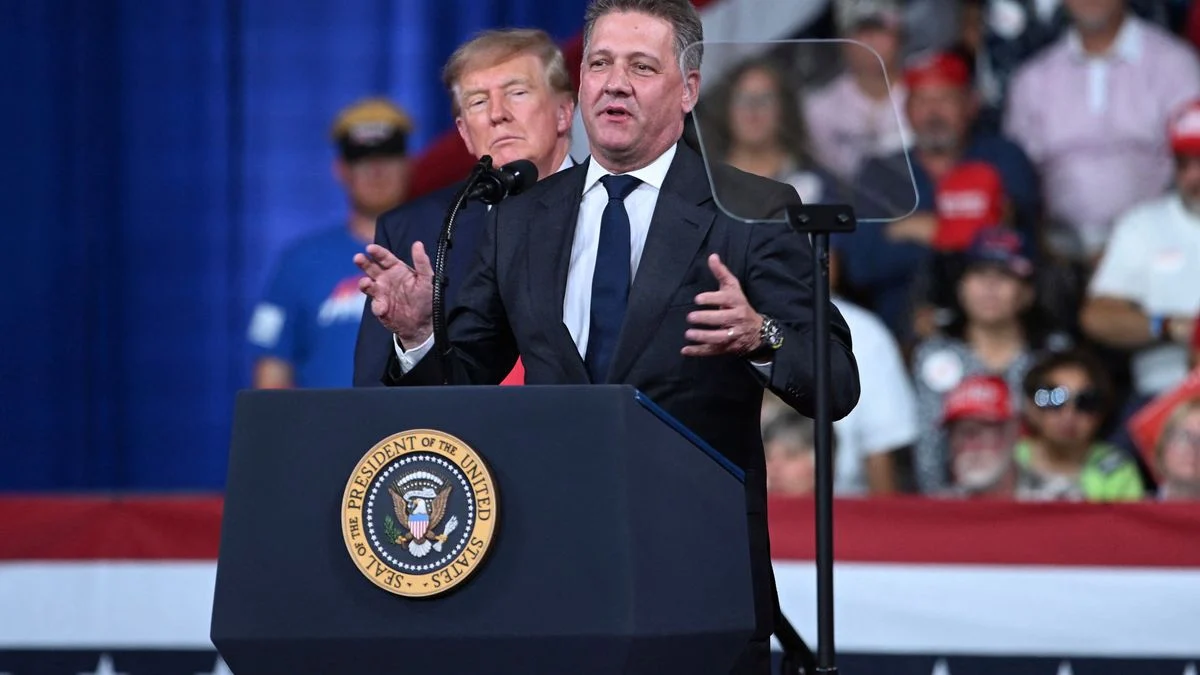
Compounding the military escalation are significant shifts in the geopolitical landscape, particularly concerning the United States’ stance. The original article’s lead mentions discussions between Vladimir Putin and Steve Witkoff, a detail that, while not explicitly elaborated upon in the body, points to a broader narrative of potential economic and political rapprochement between Moscow and Washington. This context becomes critical when considering the decision by former President Donald Trump to ease sanctions against Russia – a move that could provide Moscow with significant economic relief and, consequently, greater resources to fuel its war machine.
More immediately, a tangible impact has been felt on the ground. Soldier Vitalij Ovcharenko, currently fighting in the Donetsk region, relayed a harrowing detail to taz: "My friend in Kyiv can no longer reach the shelter in the three minutes between the air raid alarm and the Russian attack. This is because our American partners have stopped transmitting reconnaissance data to us before the latest attacks on Kyiv." This alleged reduction in critical intelligence sharing—a cornerstone of modern warfare and a vital component of Ukraine’s early warning system—has direct and potentially fatal consequences for civilians. It dramatically shortens the time available to seek cover, effectively nullifying some of Ukraine’s air defense capabilities by removing the element of proactive response.
This perceived withdrawal of support, both in terms of sanctions policy and practical intelligence, has sent shockwaves through the Ukrainian military. Ovcharenko articulates a widespread sentiment: "Here on the front, morale remains very high, the front is holding, but I worry that our cities in the hinterland will not hold out." The implication is clear: while soldiers are resolute in direct combat, the vulnerability of their families and homes due to external policy shifts creates a profound sense of anxiety and betrayal. The idea that the U.S. might be "forcing Ukraine into an unjust peace" or "allying with Russia, the dark, totalitarian evil" represents a fundamental fracture in a relationship once seen as sacrosanct.
Supporting Data: The Evolving Face of War and Diplomatic Challenges
The current phase of the conflict in Ukraine is characterized by an evolving threat landscape and complex diplomatic challenges. Understanding these elements requires delving into the technical aspects of modern warfare, the historical context of international agreements, and the human cost of geopolitical maneuvering.

The Drone War: Innovation in Defense
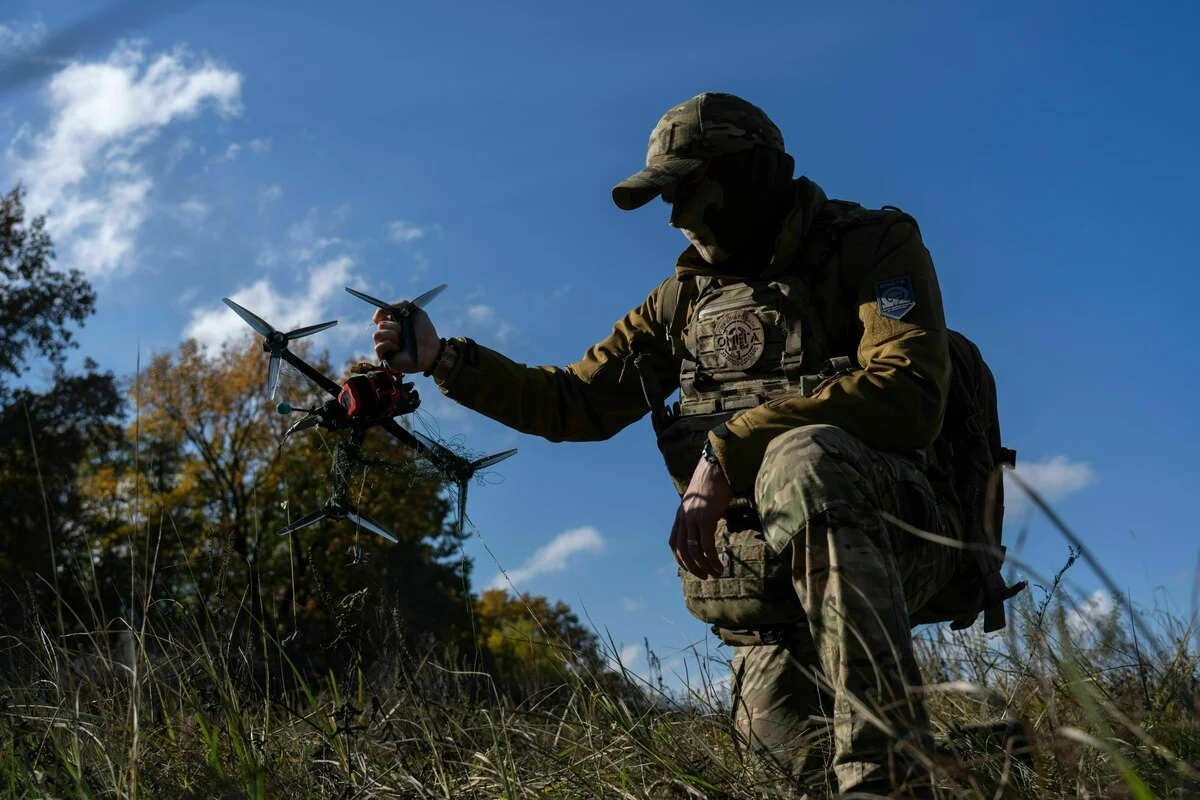
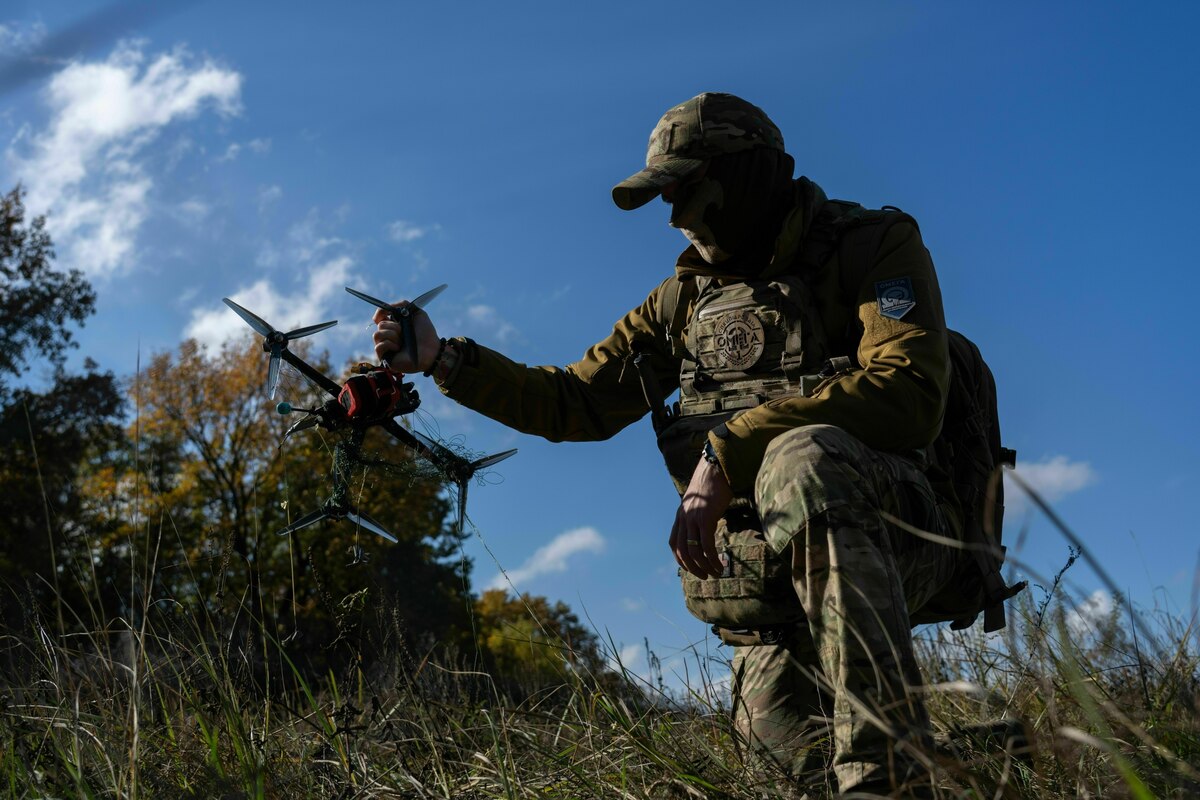
"This war is a drone war," states "Poljak," a 32-year-old soldier with the special unit "Omega," underscoring the omnipresence and strategic importance of unmanned aerial vehicles (UAVs). Both sides heavily deploy drones for reconnaissance, targeting, and direct attacks, making effective counter-drone measures paramount. Ukrainian forces are constantly seeking "new technical solutions," moving beyond traditional anti-aircraft artillery and electronic warfare (EW) systems.
The net launcher demonstrated by "Poljak" is a prime example of this innovation. Resembling a pistol, this black, disposable device uses pyropatrons to launch a net designed to entangle the rotors of Russian FPV (First-Person View) drones. These FPV drones, often adapted commercial models, are fast, agile, and frequently used for kamikaze attacks, posing a significant threat to ground troops and vehicles. The net launcher allows soldiers to intercept these threats at a safe distance, minimizing direct exposure to danger.
Manufactured by the Ukrainian company BlueBird, these devices are not officially classified as weapons but as "personal protection devices," according to Ukrainian certification. This crucial distinction allows civilians to legally purchase and use them, at an affordable cost of approximately 60 Euros. "Poljak" emphasizes the broad applicability: "Everyone can use these devices: farmers in the Kherson region, volunteers, and all those transporting food to the front. So, almost everyone in the vicinity of the death zones, the so-called ‘Killing zones.’ And these zones are getting bigger, the drones are flying further and further in." This civilian deployment strategy reflects the pervasive nature of the drone threat, turning ordinary citizens into potential first responders in their own defense. BlueBird aims to scale up production and even develop larger versions capable of neutralizing heavier bomber drones, indicating a long-term vision for this type of defense.
Beyond net launchers, Ukrainian drone defense encompasses a multi-layered approach including:
- Electronic Warfare (EW): Jammers that disrupt drone control signals and GPS navigation, causing them to crash or lose direction.
- Drone Detectors: Acoustic, optical, and radio frequency detectors that provide early warning of incoming UAVs.
- Anti-drone Guns: Devices that emit electromagnetic pulses to disable drones.
- Traditional Air Defense: Surface-to-air missile systems and anti-aircraft guns, adapted to target slower, smaller drone threats.
The Strategic Impact of US Policy Shifts
The reported decision by Donald Trump to ease sanctions against Russia carries profound strategic implications. Sanctions have been a cornerstone of Western pressure on Russia, designed to cripple its economy and limit its ability to fund the war. Any significant relaxation could provide Russia with access to international markets, technology, and finance that have been restricted, potentially revitalizing its war economy and bolstering its military capabilities. The talks between Putin and Witkoff, a prominent American businessman, could be interpreted as a signal of a willingness within certain U.S. circles to re-engage economically with Russia, a move that would be seen as a major victory for the Kremlin and a devastating blow to Ukraine.
The alleged withholding of U.S. reconnaissance data is equally, if not more, critical in the immediate term. Real-time intelligence on Russian missile and drone launches is vital for Ukraine’s air defense systems, providing precious minutes for interception, civilian evacuation, and shelter-seeking. A reduction in this data sharing directly undermines Ukraine’s ability to protect its cities and people, making them more vulnerable to devastating attacks. It also erodes trust and cooperation between key allies at a time when Ukraine is fighting for its very survival.
The Weight of the Budapest Memorandum
The sense of betrayal expressed by Ukrainian soldiers like Ovcharenko is deeply rooted in history, specifically the 1994 Budapest Memorandum on Security Assurances. In this landmark agreement, Ukraine, then the world’s third-largest nuclear power, voluntarily relinquished its vast Soviet-era nuclear arsenal (estimated to be around 1,700 warheads) in exchange for security assurances from Russia, the United States, and the United Kingdom. These assurances included respect for Ukraine’s independence, sovereignty, and existing borders, and a commitment to refrain from the threat or use of force against Ukraine.

For Ukraine, giving up its nuclear weapons was an act of profound trust in international security mechanisms. The current situation, with Russia having invaded and annexed Ukrainian territory, and the U.S. potentially stepping back from its commitments, is perceived as a catastrophic breach of this memorandum. It sends a chilling message globally: that promises made by nuclear powers, particularly concerning disarmament, might not be reliable. This undermines the very foundation of non-proliferation efforts and leaves Ukraine feeling that its strategic decision for peace has been catastrophically exploited. The moral and psychological impact on a nation that traded ultimate deterrence for international guarantees, only to find those guarantees faltering, is immense.
Official Responses and International Repercussions
The escalating situation has elicited strong reactions from Ukrainian officials and exposed fault lines in international alliances. While Ukraine continues to appeal for robust support, the perceived shifts in U.S. policy have cast a long shadow over these efforts.
Ukraine’s Urgent Appeals
President Zelenskyy and other Ukrainian officials have consistently called for increased military aid, advanced air defense systems, and unwavering diplomatic support from international partners. His public statements, such as those regarding the expected intensification of attacks on Western Ukraine, are not just intelligence assessments but also urgent pleas for a comprehensive response. The deployment of domestically produced drone defense systems and the empowerment of civilians to use them underscore Ukraine’s commitment to self-reliance, even as it reiterates the need for external assistance. Ukrainian military commanders, while maintaining high morale among their troops on the front, have voiced increasing concern over the protection of their hinterland cities, directly linking this vulnerability to the reduction in intelligence sharing.
The Disappointment with US Policy
The most poignant official and unofficial responses from Ukraine concern the United States. The sentiment expressed by soldier Vitalij Ovcharenko – that America, once a "symbol of freedom," is now forcing Ukraine into "unjust peace" and potentially "allying with Russia" – is widely echoed across Ukrainian society and among its leadership. This profound disappointment stems from the perception that the U.S. is reneging on its moral and historical commitments, particularly those linked to the Budapest Memorandum.
While the current U.S. administration maintains its commitment to Ukraine’s sovereignty, the prospect of a future administration easing sanctions or withdrawing critical support creates immense uncertainty. This creates a challenging diplomatic environment for Kyiv, as it must navigate its relationship with a key ally whose future policy direction appears increasingly volatile. The alleged reduction in reconnaissance data sharing, if confirmed as a deliberate policy, would represent a critical departure from established cooperation and a severe blow to Ukraine’s operational capabilities.
International Silence and Concerns
Beyond the direct U.S.-Ukraine relationship, the broader international community faces a critical moment. While European allies like Germany, France, and the UK have largely maintained their support for Ukraine, any significant shift in U.S. policy risks creating a domino effect, potentially fracturing the united front against Russian aggression. The prospect of Russia gaining economic leverage through eased sanctions, coupled with a diminished sense of accountability, could embolden other revisionist powers globally. The silence or muted reactions from some international bodies regarding the alleged reduction in U.S. intelligence sharing is also a concern, as it could be interpreted as a tacit acceptance of a policy that directly endangers civilian lives.
Implications: A Bleaker Horizon for Ukraine and Global Security
The convergence of intensified Russian attacks, Ukraine’s adaptive but strained defense strategies, and a perceived erosion of international support, particularly from the U.S., paints a significantly bleaker picture for the future of the conflict and global security.

Escalation of Human Suffering
The most immediate and tragic implication is the likely escalation of human suffering. With "killing zones" expanding and Russian long-range weapons reaching deeper into Ukrainian territory, more civilians will be exposed to direct harm. The reduction in early warning times due to diminished intelligence sharing means less opportunity for shelter, translating directly into more casualties and greater psychological trauma for the population. Cities like Kyiv, Dnipro, and those in Western Ukraine face an increasingly terrifying reality, where daily life is overshadowed by the constant threat of aerial bombardment. This will exacerbate the humanitarian crisis, increase displacement, and place immense strain on Ukraine’s already stretched social and medical infrastructure.
Strain on Ukrainian Resilience
While the morale on the front lines remains high, as Vitalij Ovcharenko noted, the sustained pressure on civilian areas and the sense of international abandonment will severely test Ukraine’s overall resilience. The war is not just fought by soldiers but sustained by the unwavering spirit of the entire nation. If civilians feel increasingly unprotected and betrayed by allies, it could undermine the societal cohesion crucial for long-term resistance. The economic costs of defending a wider swathe of territory, rebuilding damaged infrastructure, and supporting a war-weary populace will become immense, potentially overwhelming Ukraine’s resources without sustained external aid.
Geopolitical Realignments and Trust Erosion
The perceived shift in U.S. policy, particularly the prospect of easing sanctions on Russia and reducing intelligence cooperation, has profound geopolitical implications. It signals a potential weakening of the transatlantic alliance and a re-evaluation of security commitments. For other nations, especially those bordering aggressive powers, this could erode trust in international security assurances and lead to a more fragmented global order. The precedent set by the perceived abandonment of the Budapest Memorandum could destabilize non-proliferation efforts, as non-nuclear states might question the wisdom of relinquishing their deterrents in exchange for potentially unreliable promises.
The prospect of a U.S.-Russia economic rapprochement, even if limited, would be a significant diplomatic victory for Moscow, validating its aggression and potentially empowering it to pursue further destabilizing actions. This could fundamentally alter the balance of power in Europe and beyond, challenging the rules-based international order that has largely prevailed since the Cold War.
The Future of the Conflict
In the short term, Ukraine is likely to double down on its innovative, decentralized defense strategies, as seen with the civilian-deployable net launchers. However, these tactical innovations cannot fully compensate for a strategic deficit in air defense or a significant reduction in critical intelligence. The war is expected to become even more brutal, with Russia attempting to exploit any perceived weakness or division among Ukraine’s allies. The long-term implications point towards a protracted conflict, with Ukraine fighting not only for its territory but also for the very principle of international law and the reliability of security guarantees. The coming months will be crucial in determining whether Ukraine can withstand this multifaceted assault, and whether the international community can reaffirm its commitment to a sovereign and free Ukraine.