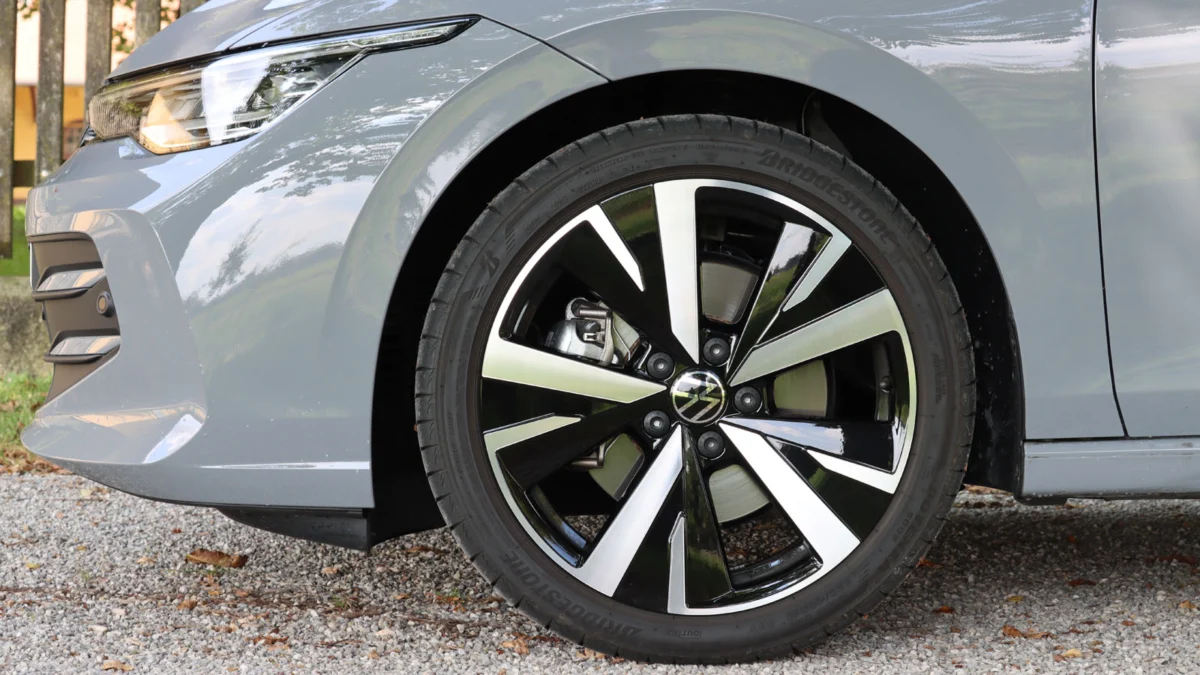
The automotive landscape has undergone a seismic shift over the last two decades. Once the bedrock of personal mobility—offering accessible, fuel-efficient, and easy-to-park solutions for city dwellers and students alike—the small car segment is rapidly eroding. Today, the "entry-level" vehicle is no longer a rite of passage; it is becoming a luxury item that many households are increasingly priced out of.
Main Facts: The End of the "Economy" Car
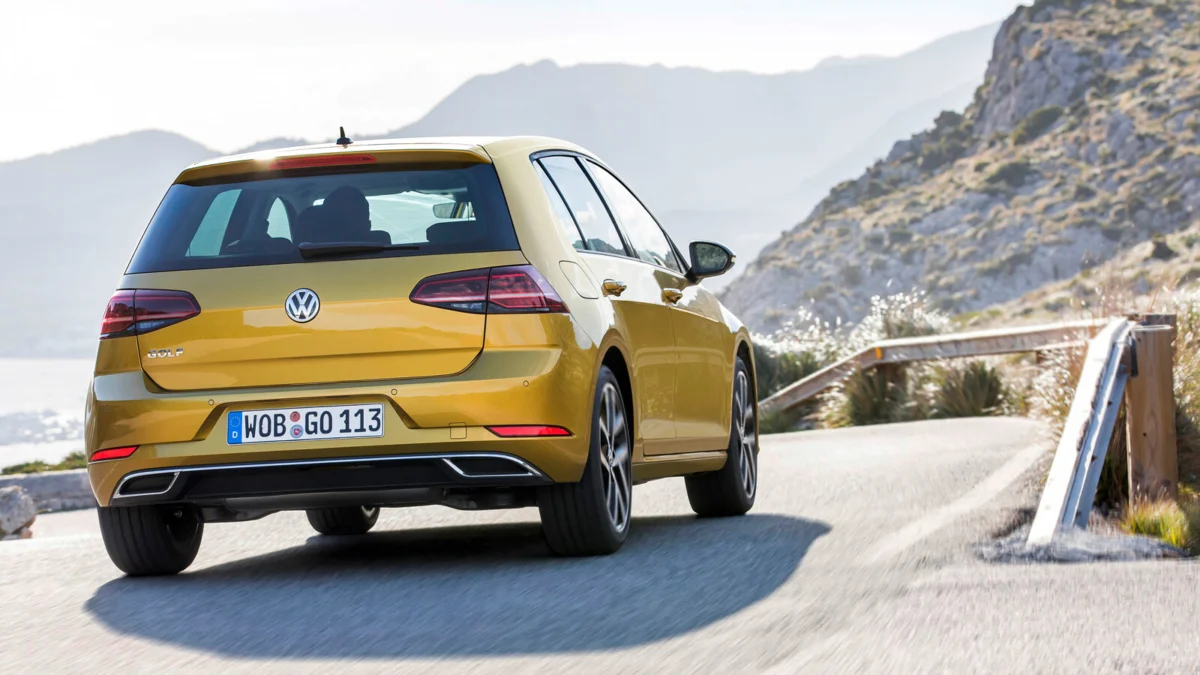
The era of the truly affordable small car is effectively over. Vehicles like the VW up!, which once stood as a symbol of accessible German engineering, have been phased out, and their successors—if they exist at all—carry price tags that would have seemed astronomical twenty years ago.
According to recent data from the ADAC (Allgemeiner Deutscher Automobil-Club), the cost of entry-level passenger cars with internal combustion engines has surged by approximately 76 percent since 2019. This is not merely a result of standard inflation. It represents a fundamental restructuring of the automotive market, where the profit margins on small, budget-friendly cars have become so razor-thin that manufacturers are pivoting toward higher-margin SUVs and premium crossovers.
Chronology: From Utility to Regulatory Compliance
To understand how we arrived at this point, one must look at the convergence of technology, regulation, and consumer behavior over the past twenty years.
- The Early 2000s: Small cars were the industry standard for urban transport. Simple, mechanical, and relatively unregulated, they were cheap to build and cheap to buy.
- The Mid-2010s: The implementation of stricter Euro 6 emissions standards began to pressure manufacturers. The cost of complex exhaust gas treatment systems became a significant portion of the total build cost for a small vehicle.
- The Post-2020 Pivot: The combination of global supply chain disruptions, the transition to electric mobility, and the introduction of mandatory safety features (such as advanced driver-assistance systems) rendered the traditional "budget" platform obsolete.
- Present Day: The automotive industry is grappling with the "M1E" vehicle class debate in Brussels—a new category that experts fear will lead to further price hikes rather than relief for the consumer.
Supporting Data: Why Costs Are Ballooning
The price hike is driven by a "perfect storm" of three primary factors:

1. The Burden of Regulatory Compliance
Safety and environmental regulations are essentially "flat-rate" costs. A pedestrian protection system or a suite of digital safety sensors costs roughly the same to install in a small hatchback as it does in a large luxury SUV. However, in a small car, this technology represents a significantly higher percentage of the total vehicle price. Consequently, manufacturers have found it mathematically impossible to remain profitable in the sub-€15,000 category while adhering to modern European safety and emission mandates.
2. Platform Obsolescence
The longevity of vehicle platforms is now being cut short by regulatory shifts. In the past, a manufacturer could keep a platform in production for over a decade. Today, new cybersecurity regulations, software update requirements, and safety standards mean that platforms must be updated or replaced far more frequently, leading to massive R&D costs that must be amortized over fewer units.
3. The Socio-Economic Shift
While regulators and manufacturers play a role, consumer demand has also evolved. Increasing general prosperity in the West has led to a shift in preference toward larger, more feature-rich vehicles. As consumers gravitated toward SUVs, the economy of scale required to keep small cars cheap evaporated, creating a self-reinforcing cycle of rising prices.
Official Responses and the Brussels "M1E" Conundrum
The European Union is currently discussing the creation of the "M1E" vehicle class, which aims to address the challenges of smaller electric vehicles. However, industry analysts are skeptical. Rather than lowering the barrier to entry, the proposed framework appears to be setting up a system that favors established, local manufacturers through "Made in EU" requirements.
By tethering potential benefits and subsidies to European manufacturing, the EU is effectively creating a protectionist moat. While this may support domestic jobs in the short term, it creates significant hurdles for non-European manufacturers—specifically those from Asia who have successfully mastered the production of affordable, compact EVs. The result, according to current projections, is likely to be a higher price floor for the average consumer, further distancing the "dream of mobility" from the average household.

Implications: The Future of Personal Mobility
The implications of this trend are profound. If personal mobility is reserved only for those who can afford luxury-priced vehicles, society faces a potential "mobility divide."
The American Perspective: A Different Kind of Excess
In the most recent episode of the Die Hupe podcast, host Sebastian Bauer provided a poignant contrast to the European experience. While reflecting on his time in the United States, he discussed the Toyota Tacoma—a vehicle that, by American standards, is a mid-sized truck, but by European standards, is a gargantuan piece of machinery.
The appeal of such vehicles, particularly for "overlanding" and camping, highlights a divergence in consumer values. While Europe is shrinking its vehicle options due to regulation and space constraints, the US market is doubling down on utility and rugged capability. Yet, even there, the concept of the "compact" is relative; a 5.4-meter-long truck is considered "compact" in the US, whereas in a European city, it would be a logistical nightmare.
The Middle Ground: The Peugeot e-5008
Clemens Gleich, also appearing on Die Hupe, offered a glimmer of hope with his assessment of the Peugeot e-5008 Long Range. While the vehicle is a large, seven-seater family SUV, it highlights the potential for efficiency in modern, larger platforms. With a 97 kWh battery and surprisingly good range, it proves that technology can overcome the limitations of size—provided the consumer is willing to pay the premium.
The takeaway for families is clear: the market is currently catering to those who can afford to "size up." The Peugeot serves as a testament to the fact that while the industry has mastered the large, high-tech vehicle, it has largely abandoned the segment that made the automotive industry the engine of the middle class.

Conclusion: The Path Ahead
As we look toward the future, the decline of the small car is not merely a footnote in automotive history; it is a signal of a broader societal shift. If policy makers in Brussels continue to prioritize restrictive, protectionist, and high-tech mandates without considering the cost-impact on the entry-level segment, the car will eventually transition from a tool of individual freedom to a luxury asset.
For now, the advice for those seeking a small, affordable vehicle is grim: the secondary market remains the only sanctuary. As manufacturers continue to chase higher margins and regulatory compliance, the "cheap and cheerful" car is destined to become a collector’s item—a relic of a time when mobility was accessible to all. The challenge for the next decade will be to reconcile the need for green, safe, and connected transport with the fundamental human right to affordable movement. Until then, the "small car" will remain an endangered species, pushed to the brink by the very forces intended to "improve" it.