


Berlin, Germany – Germany’s political landscape is currently characterized by a maelstrom of internal party conflicts, inter-coalition disputes, and the unsettling rise of far-right influence in regional parliaments. At the heart of this storm stands Chancellor Friedrich Merz (CDU), whose leadership is being sharply questioned even from within his own conservative ranks, while his government grapples with crucial reforms, a fragile economic recovery, and complex international relations. The confluence of these challenges paints a picture of a nation striving for stability amidst profound political and economic uncertainties.
Main Facts: A Political Quagmire
The political week has been dominated by a series of contentious developments, highlighting deep divisions and challenging the ruling coalition’s cohesion. Former CSU leader Horst Seehofer delivered a stinging rebuke to Chancellor Friedrich Merz, accusing him of a "massive loss of credibility" stemming from unfulfilled election pledges and insensitive public remarks regarding the German workforce. This internal critique underscores the pressure Merz faces as his government navigates a complex legislative agenda, including critical reforms in pension, healthcare, and tax policy, alongside the upcoming 2027 budget.

Simultaneously, the political center is alarmed by events in Saxony-Anhalt, where the Alliance Sahra Wagenknecht (BSW) has controversially aligned with the far-right Alternative for Germany (AfD) to push a joint motion on Ukraine policy, and an AfD politician secured the state parliament presidency, reportedly with support from CDU members. This development has triggered outrage and calls for party expulsions within the CDU, signaling a dangerous erosion of the traditional "cordon sanitaire" against the far-right.
Adding to the domestic tensions, the federal government has reiterated its unwavering commitment to sanctions against Russia, even as US President Donald Trump announced a contentious diesel deal with Moscow. Economically, while the government projects a modest recovery, officials caution that growth remains "fragile," susceptible to external crises. These multifaceted challenges collectively present a formidable test for Merz’s leadership and the stability of Germany’s political system.

Chronology of Key Political Developments
The past weeks have unfolded a series of interconnected events, revealing the intricate dynamics of German federal and regional politics.
Early October: Merz Under Fire and Coalition Cracks
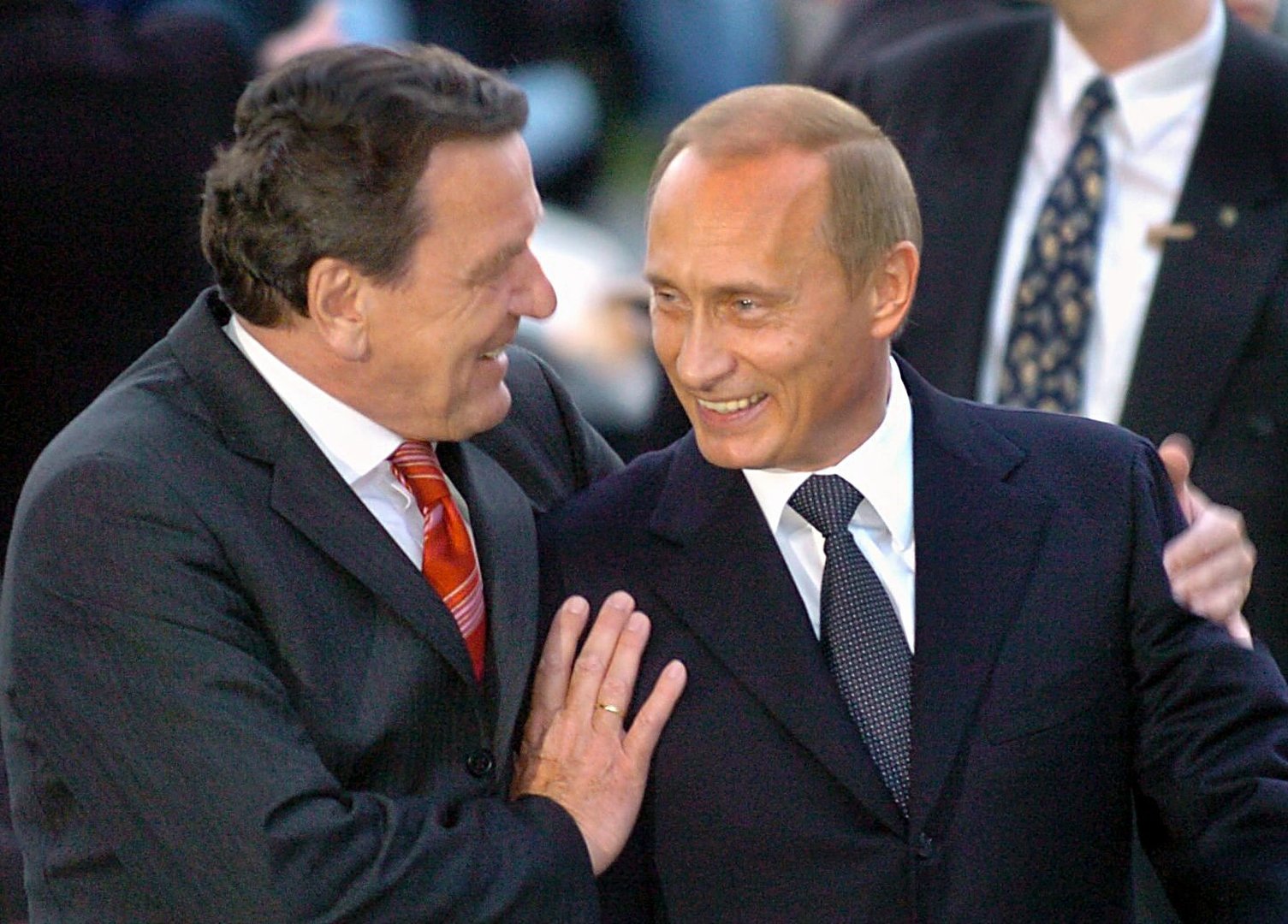
- Horst Seehofer’s Scathing Critique of Merz: The former CSU leader and long-time political heavyweight, Horst Seehofer, launched a direct attack on Chancellor Friedrich Merz. Speaking to "Bild am Sonntag," Seehofer accused Merz of a "massive loss of credibility" by breaking key election promises, specifically citing the unfulfilled pledge to reduce electricity taxes for all citizens. Seehofer further criticized Merz’s remarks about Germans working too little and taking too many sick days, calling them insulting to dedicated workers, such as nurses, and out of touch with realities faced by employees, like those at Audi, who desire more work but are offered severance packages. "This sweeping language completely misses reality," Seehofer asserted, highlighting a growing disconnect between the CDU leadership and parts of its traditional voter base.
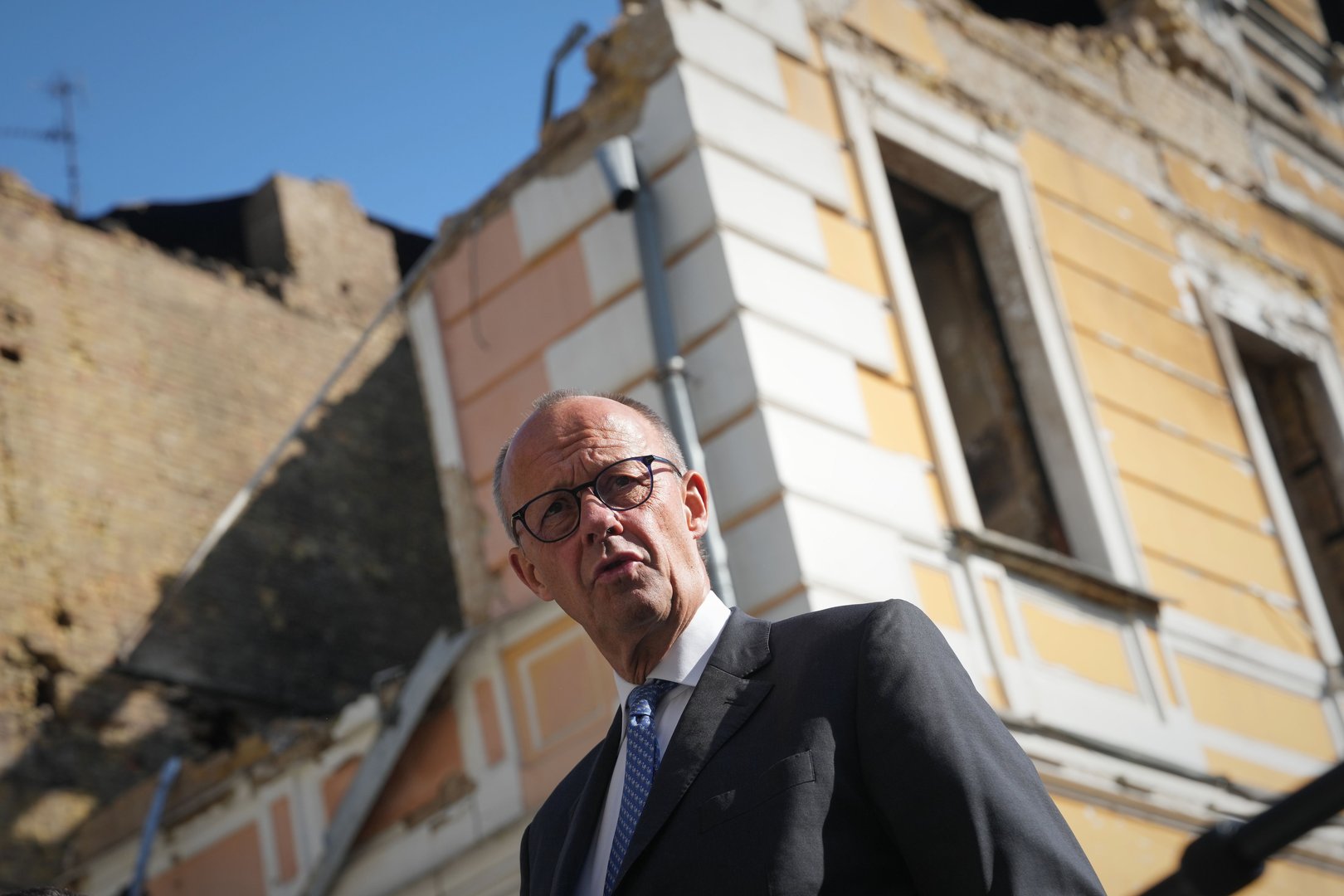
- Merz’s Warning from Kyiv: During a press conference with Ukrainian President Volodymyr Zelenskyy in Kyiv, Chancellor Merz took an unusual step to address domestic political instability. He acknowledged "many questions regarding the stability of the German government" and warned that a failure of his administration to meet its challenges would have "immeasurable consequences for all of Europe." This statement, widely interpreted as a direct appeal to his critics and coalition partners, underscored the high stakes involved in resolving internal disputes and pushing through critical reforms concerning care, pensions, taxes, and the 2027 budget.
- Koalitionsausschuss Concludes Without Details: The coalition committee, comprising leaders from CDU, CSU, and SPD, held extensive discussions lasting over four and a half hours. While participants reported a "good atmosphere" and discussions included the outcomes of recent state elections and timelines for agreed reforms, no specific new resolutions were announced. This lack of concrete outcomes left observers questioning the extent of progress made in resolving underlying tensions.
Mid-October: Saxony-Anhalt Becomes a Flashpoint for Far-Right Alignment
- AfD’s Tobias Rausch Elected Landtag President: In a deeply controversial move, AfD politician Tobias Rausch was elected President of the Saxony-Anhalt state parliament. Rausch himself claimed that he received votes from CDU members, stating "Yes" when asked if CDU deputies supported him. He further indicated that similar cross-party support might be expected for an AfD state premier candidate in December, pending the CDU’s state party conference. This revelation ignited a fierce debate within the CDU about adherence to its "no cooperation with AfD" policy.
- CDU’s Karin Prien Calls for Expulsions: Deputy CDU leader and Federal Family and Education Minister Karin Prien reacted strongly to the Saxony-Anhalt vote, demanding the expulsion of any CDU members who may have voted for the AfD’s Rausch. In an interview with Reuters, Prien reiterated that the AfD is a "right-wing extremist party" aiming to destroy the CDU, and any support for them must have consequences. She extended this warning to the anticipated election of an AfD state premier in December.
- BSW and AfD Form Alliance on Ukraine Policy: The Bündnis Sahra Wagenknecht (BSW) and the AfD in Saxony-Anhalt announced plans for their first joint parliamentary motion. The draft resolution, obtained by Deutsche Presse-Agentur, calls for the state parliament to declare that the current policy of sanctions against Russia, arms deliveries, and financial aid to Ukraine has "failed." It demands that the state government advocate for a "peace-making policy" focused on diplomacy, an immediate ceasefire, and peace negotiations with Russia, with the ultimate goal of normalizing economic relations and lifting sanctions. BSW parliamentary group leader Thomas Schulze stated this fulfills a pre-election promise, aiming to send a "peace policy signal to Berlin." While symbolic, this alliance underscores a growing convergence of populist and far-right factions on key foreign policy issues.
- Greens’ Banaszak Condemns BSW: Felix Banaszak, co-chairman of the Green Party, sharply criticized the BSW for its support of the AfD in Saxony-Anhalt. He accused BSW of transforming from an "election alternative to the AfD" into an "election initiative for the AfD." Banaszak announced his intention to participate in a demonstration in Magdeburg, emphasizing that "our homeland we will not give up, not give to the fascists."
- SPD Ends "All-Party Government" Initiative: Following the election of Rausch, the SPD in Saxony-Anhalt officially withdrew its invitation for talks on a cross-party government. SPD state leader Juliane Kleemann stated that the events since the constitutive session had "removed the basis" for such an attempt. She criticized the CDU for refusing to participate in initial talks and for its apparent inability to control its own faction, thereby failing to block the path of right-wing extremists to high state offices, while also lambasting BSW for "organizing majorities with the AfD."
Late September/Early October: Economic Signals and Energy Debates
- Fragile Economic Growth: Federal Economics Minister Katherina Reiche (CDU) reported "first successes" in stimulating the German economy, noting that economic institutes had more than doubled their growth forecasts for 2026 to 1.3 percent, and the Ifo Business Climate Index had risen for the fifth consecutive month. However, Reiche cautioned against "excessive euphoria," emphasizing that growth remains "on shaky legs" and is burdened by external crises. She highlighted the fragility of the recovery and the ongoing need for prudent economic management.
- Bund Provides Financial Aid for Care Insurance: The Bundestag’s budget committee approved an additional loan of up to 700 million euros to stabilize the long-term care insurance system until the end of the year. This emergency funding addresses acute financial shortfalls, as earlier federal loans of 3.2 billion euros for 2026 proved insufficient. The government plans further legislative steps to stabilize finances for 2027 and establish a commission for a second major structural reform.
- Reiche Defends Gas Storage Intervention: Economics Minister Reiche defended the government’s directive to the state-owned energy company Sefe to procure additional gas for storage. She explained that market incentives were insufficient, as current gas prices were higher than those projected for the next quarter, deterring commercial storage. Despite storage facilities being over 80% pre-booked, these reservations were not being filled, necessitating state intervention to ensure winter supply security.
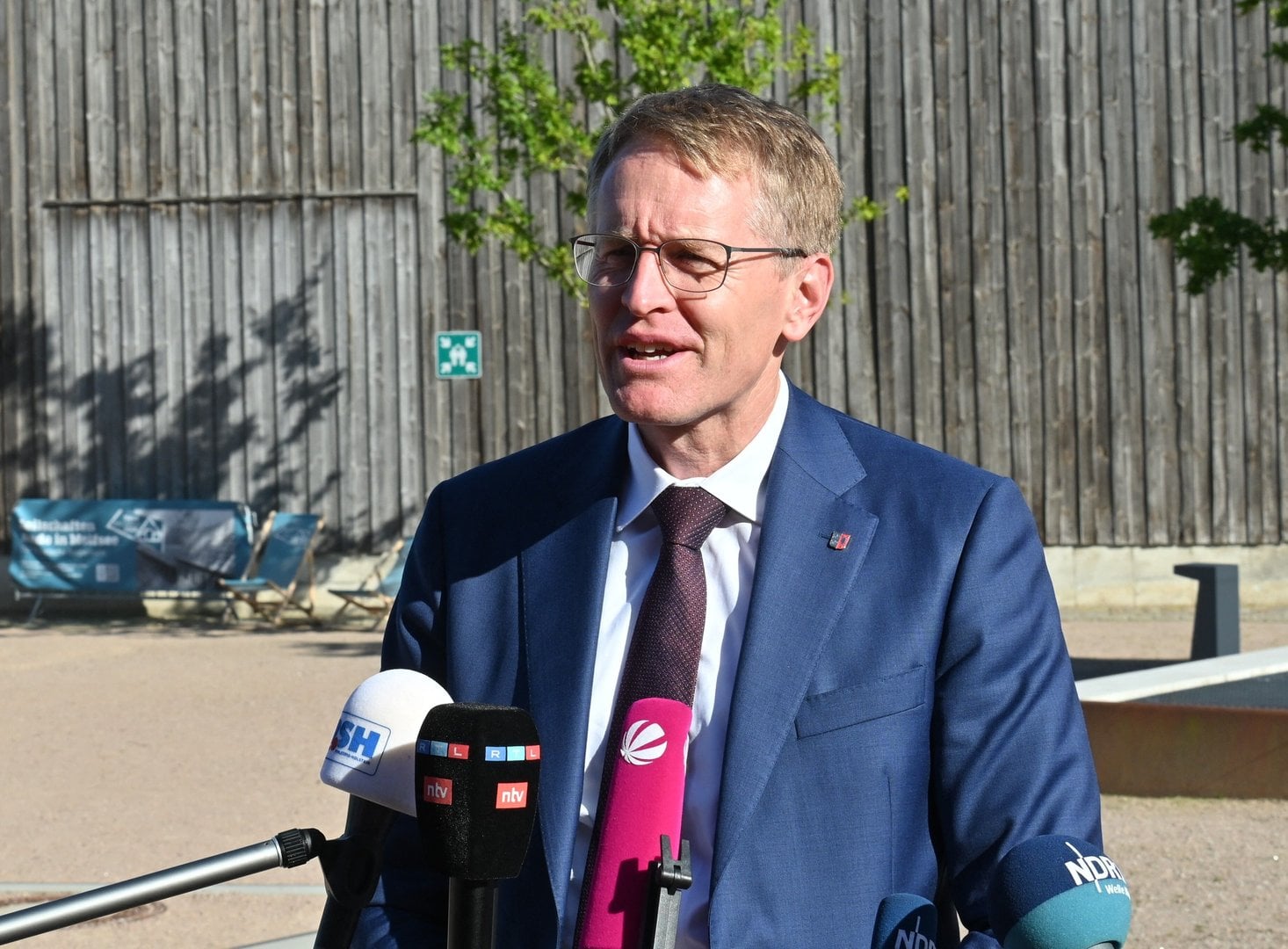
- CDU State Premier Günther Criticizes Federal Energy Policy: Schleswig-Holstein’s Minister President Daniel Günther (CDU) voiced "greatest concern" regarding Economics Minister Reiche’s energy policies, specifically the EEG amendment and the "grid package." In a letter to Chancellor Merz, Günther argued that these plans would "harm the potential of the Federal Republic and my state." He criticized the lack of low-threshold opportunities for citizens to participate in the energy transition and deemed the tender volumes for new onshore wind farms "far too low." Crucially, he opposed the plan to cease full compensation for curtailed wind and solar power in grid bottleneck areas, calling it a "devastating signal" for project developers, financiers, and municipalities in a state heavily reliant on wind energy.
Ongoing Concerns: Bureaucracy, Social Service, and Security
- Bureaucracy Reduction Initiative: Federal Digital Minister Karsten Wildberger (CDU) announced plans to reduce reporting obligations for businesses by 30%. A "Reporting Relief Act" is expected in December, aiming to alleviate the burden on companies, which average 200 contacts with authorities annually.
- Prien Advances Social Service Legislation: Federal Family Minister Karin Prien (CDU) confirmed that her ministry would soon introduce a draft law for a new "Gesellschaftsdienst" (social service). The aim is to create a legal entitlement for anyone wishing to perform social service and to make it financially more attractive than existing voluntary services, ensuring it is not dependent on parental income.
- Stricter Rules for Security Officials Demanded: Following the arrest of former BND President August Hanning on espionage suspicion, Andy Grote, chairman of the Conference of Interior Ministers, called for stricter rules for high-ranking security personnel after they leave office. Grote emphasized that the duty of loyalty extends beyond official service and that commercializing officially acquired knowledge poses an unacceptable security risk.
Foreign Policy and Geopolitical Warnings
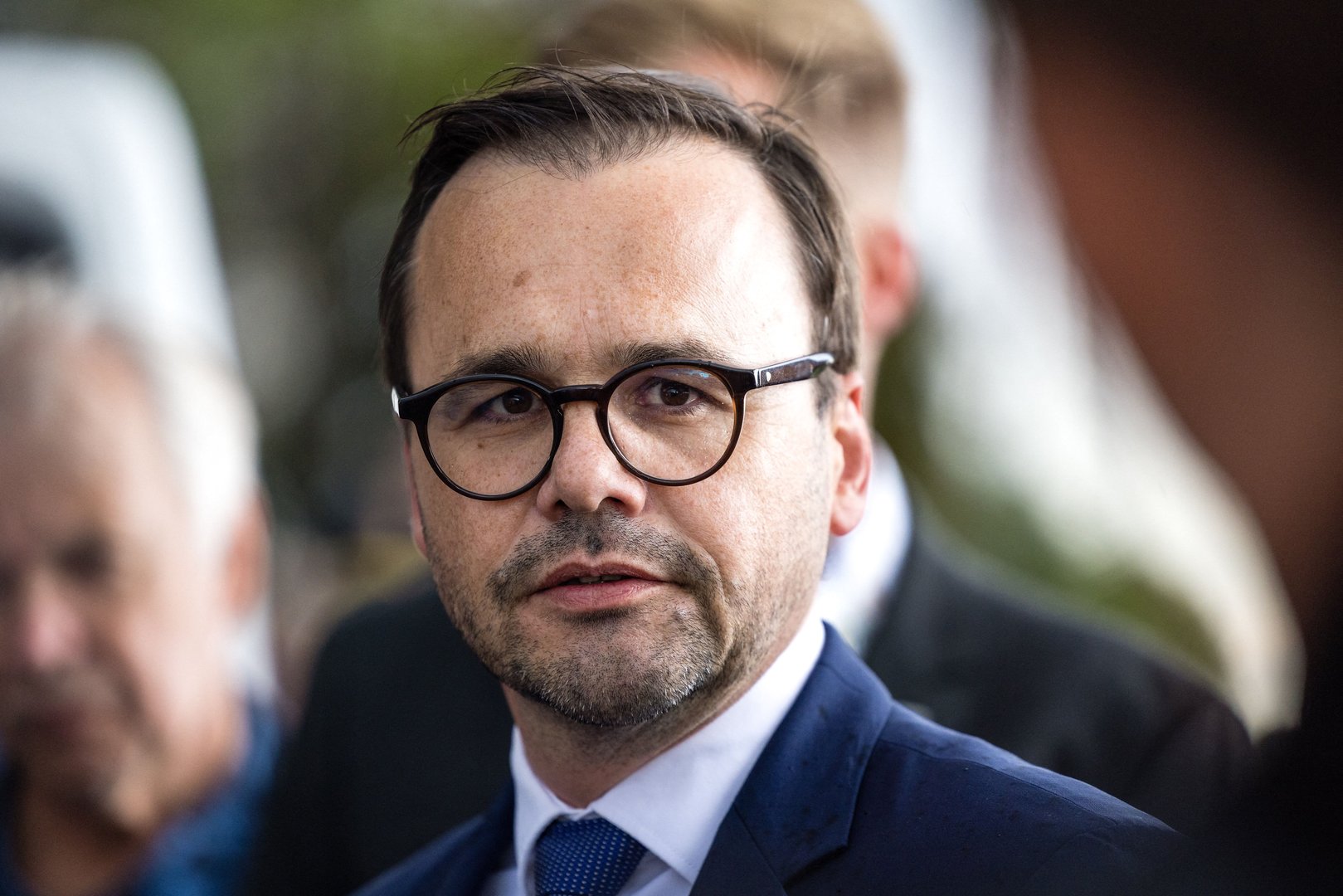
- Wadephul on Russia’s Broader Ambitions: CDU foreign policy expert Johann Wadephul expressed concern that Russia harbors plans extending beyond the war in Ukraine. In an ntv interview, Wadephul referenced President Vladimir Putin’s past lamentations over the collapse of the Soviet Union, suggesting Russia aims to "repair" this perceived catastrophe. This, he warned, could encompass Ukraine, Georgia, Moldova, and the Baltic states, which are now EU and NATO members, directly implicating Germany under Article 5 collective defense obligations.
Supporting Data and Context
The numerous developments highlight several critical data points and contextual factors:
- Economic Forecasts: The upward revision of Germany’s 2026 growth forecast to 1.3% by economic institutes, and the consistent rise of the Ifo Business Climate Index, offer a glimmer of hope. However, Minister Reiche’s qualifier of "fragile" growth underscores persistent global uncertainties (e.g., supply chain issues, geopolitical conflicts) that could easily derail recovery.
- Care Insurance Funding: The additional 700 million euro loan for the care insurance system, on top of an already allocated 3.2 billion euros for 2026, reveals the deep structural financial problems within Germany’s social security system. This points to an urgent need for sustainable long-term solutions beyond stop-gap measures.
- EU Budget Dispute: Chancellor Merz’s firm rejection of the new EU long-term budget proposal emphasizes Germany’s role as a net contributor and its demand for fiscal responsibility and shared burden-sharing within the Union. This stance is crucial for Germany’s credibility in ongoing European negotiations.
- Bureaucracy Burden: The target of reducing reporting obligations for businesses by 30% speaks to a widespread complaint from the German Mittelstand (SMEs) about excessive red tape. The average of 200 authority contacts per company per year illustrates the scale of the problem and the potential for efficiency gains.
- Political Fragmentation: The events in Saxony-Anhalt, particularly the AfD-BSW cooperation and alleged CDU votes for an AfD candidate, highlight the increasing fragmentation of the German party system. The AfD’s electoral success in the east, combined with the emergence of BSW, challenges established political norms and the ability of traditional parties to form stable majorities. The Greens’ estimate of over 20 billion euros in potential revenue from closing "justice gaps" in tax law provides a concrete figure for a key area of policy contention.
Official Responses and Political Reactions
The various political maneuvers and statements have elicited strong reactions across the spectrum:
- Merz’s Government: The Chancellor’s warning from Kyiv was a rare public acknowledgement of internal strife, aimed at rallying support and emphasizing the national and European importance of government stability. Economics Minister Reiche, despite facing criticism from within her own party (Günther), maintained a resolute stance on economic recovery and energy security measures, underscoring the government’s commitment to strategic planning. Regierungssprecher Stefan Kornelius and a spokeswoman for the Economics Ministry firmly reiterated Germany’s unwavering commitment to Russia sanctions, directly countering any implications from Trump’s proposed diesel deal.
- SPD: General Secretary Tim Klüssendorf’s expressed reservations about a Red-Green-Red coalition in Berlin demonstrate the SPD’s cautious approach to forming alliances, particularly when ideological differences (like the Left party’s stance on Israel) could undermine fundamental democratic values. SPD parliamentary group leader Matthias Miersch’s call for broader engagement on pension reform signals a desire for consensus-building, acknowledging the complexity and broad societal impact of such legislation. The SPD’s withdrawal from the Saxony-Anhalt "all-party government" initiative reflected its frustration with the CDU’s non-participation and the BSW’s alignment with the AfD, emphasizing the party’s commitment to democratic principles over political expediency.
- CDU/CSU Internal Dynamics: Horst Seehofer’s critique represents a voice from the more traditional, socially conservative wing of the CSU, signaling dissatisfaction with Merz’s current direction. Conversely, Hesse’s Minister President Boris Rhein’s argument for granting the AfD committee chairmanships in the Bundestag, while maintaining "red lines," illustrates a pragmatic (or controversial) approach to dealing with an elected, albeit extremist, party within parliamentary structures. Brandenburg’s CDU state leader Jan Redmann echoed calls for the federal government to accelerate reforms, indicating impatience within the party base following recent electoral setbacks. The strong condemnation from Karin Prien regarding CDU votes for the AfD in Saxony-Anhalt highlights the party leadership’s struggle to enforce its "no cooperation" stance at the state level.
- Green Party: Co-chairman Felix Banaszak’s vehement condemnation of BSW’s alignment with the AfD in Saxony-Anhalt underscores the Greens’ principled opposition to the far-right and their concern about the normalization of such alliances. Their parliamentary initiative to force named votes on tax reforms demonstrates a strategic effort to pressure the ruling coalition and highlight potential revenue streams for social and environmental policies.
- BSW and AfD: The BSW and AfD’s joint initiative in Saxony-Anhalt marks a significant step towards formal cooperation between these two parties at the regional level, particularly on contentious foreign policy issues like Ukraine. This move signals a willingness to leverage their combined strength to challenge federal policy, even if the direct impact from a state parliament is symbolic. AfD’s Tobias Rausch’s public claim of CDU votes for his presidency further inflames political tensions and tests the resolve of the CDU to enforce its principles.
Implications: A Shifting Political Landscape
The array of political developments points to several significant implications for Germany’s future:
- Erosion of Trust in Traditional Parties: Seehofer’s criticism of Merz’s credibility, coupled with the slow progress on key reforms and the perceived insensitivity of some political statements, risks further eroding public trust in established parties and leaders. This distrust can fuel support for populist and extremist alternatives.
- The Normalization of the Far-Right: The events in Saxony-Anhalt are particularly alarming. The election of an AfD state parliament president, especially with alleged CDU votes, and the explicit cooperation between AfD and BSW on a highly sensitive foreign policy issue, represent a worrying step towards the normalization of far-right parties in German politics. This could embolden the AfD and challenge the long-standing democratic consensus against cooperating with extremist groups. The "cordon sanitaire" is under severe strain, particularly in eastern German states.
- Coalition Stability Under Strain: The ongoing debates over pension reform, tax policy, and energy strategy, alongside the critical assessment of Merz’s leadership, highlight significant fault lines within the ruling coalition. While the Koalitionsausschuss aimed to foster dialogue, the absence of concrete resolutions suggests that deep disagreements persist. Merz’s warning from Kyiv underscores the existential threat these internal squabbles pose to the government’s ability to govern effectively and maintain Germany’s standing in Europe.
- Economic Vulnerability: While there are signs of economic recovery, the "fragile" nature of this growth means Germany remains susceptible to external shocks. The ongoing debate over energy policy, particularly regarding the incentives for renewable energy and grid stability, will be crucial for securing Germany’s industrial base and achieving its climate targets. The financial strain on the care insurance system also points to broader demographic challenges and the need for fundamental structural reforms to ensure long-term sustainability.
- Germany’s Role in Europe and Beyond: The federal government’s firm stance on Russia sanctions, despite external pressures like Trump’s proposed deal, reaffirms Germany’s commitment to international law and its solidarity with Ukraine. However, the BSW-AfD initiative in Saxony-Anhalt, calling for an end to sanctions and peace negotiations with Russia, introduces a dissonant voice that, while symbolic at the state level, could resonate with a segment of the population and complicate Germany’s unified foreign policy narrative. Johann Wadephul’s warning about Russia’s broader geopolitical ambitions serves as a stark reminder of the ongoing security challenges facing Europe and the critical importance of NATO solidarity.
- Policy Implementation Challenges: From bureaucracy reduction to the introduction of a new social service, the government has ambitious plans. However, the ability to translate these intentions into effective legislation and tangible improvements for citizens and businesses will depend heavily on overcoming political deadlocks and ensuring stable governance. The Greens’ push for tax justice highlights a potential area for revenue generation that could ease budgetary pressures but also indicates ideological clashes over wealth distribution.
In conclusion, Germany finds itself at a pivotal juncture. Chancellor Merz’s government faces a multitude of pressures, both internal and external, demanding decisive leadership and a clear strategic vision. The rising influence of the far-right, the fragility of the economic recovery, and complex international security dynamics combine to create an environment where political stability and the ability to forge consensus are more critical, yet seemingly more elusive, than ever before. The coming months will be crucial in determining whether Germany can navigate these turbulent waters and reinforce its position as a pillar of democratic stability in Europe.


















