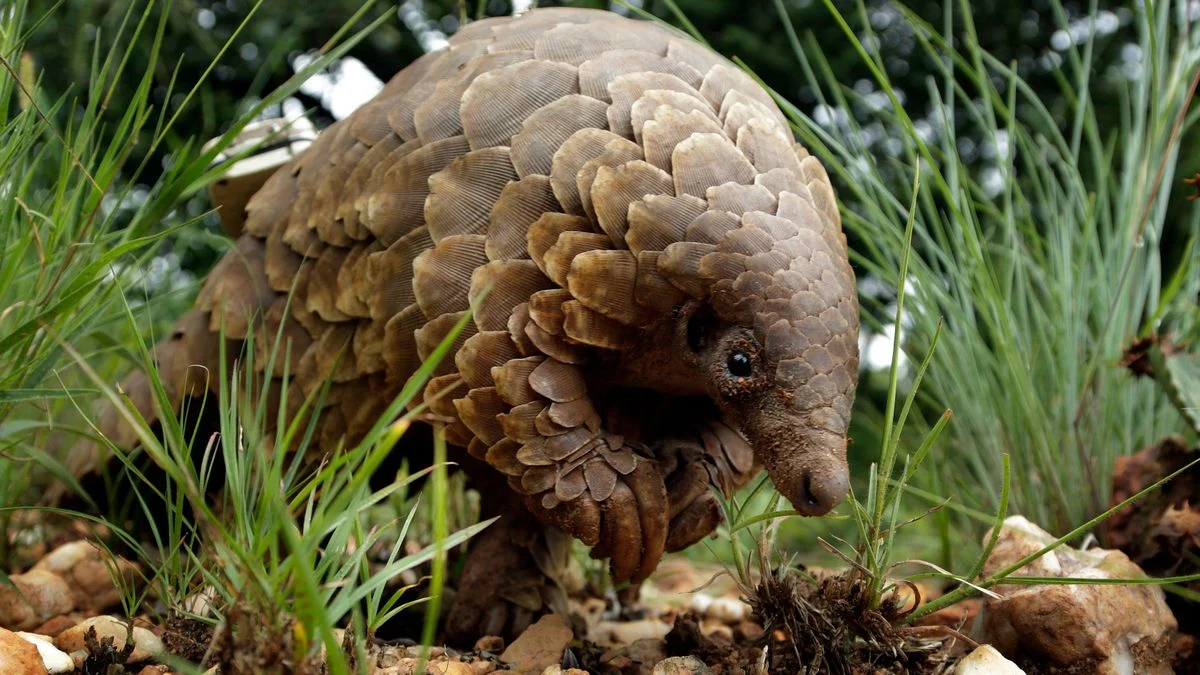
A groundbreaking study published in the journal Science Advances has upended our understanding of the global wildlife trade. Scientists now estimate that over 107,000 species are involved in international commerce—double the previous estimates—exposing a massive, under-regulated, and ecologically devastating industry.
The trade in wild animals, plants, and fungi is a multi-billion-dollar enterprise that touches every corner of the globe. From the medicinal roots of the Arnika plant in European meadows to the illicit trafficking of pangolins in Asia and the massive industrial extraction of tropical timber in the Amazon, the human appetite for nature is far more voracious than previously assumed.
Under the leadership of the University of Melbourne, a team of researchers has conducted the most comprehensive analysis to date, revealing that the global footprint of this trade is not merely a niche concern for conservationists, but a systemic issue that threatens the very fabric of global biodiversity.
Main Facts: The Numbers Behind the Crisis
For years, the scientific community and international bodies like the Intergovernmental Science-Policy Platform on Biodiversity and Ecosystem Services (IPBES) operated under the assumption that approximately 50,000 species were actively traded globally. The new findings, however, suggest a much grimmer reality.

The researchers identified that at least 107,356 wild species are currently circulating in international markets. This figure includes:
- Over 47,000 animal species.
- Nearly 50,000 plant species.
- A vast, uncounted number of fungal species.
"When we think about the trade in wild species, we often focus on the illegal trafficking of high-profile animals like elephants, tigers, or pangolins," says lead researcher Alice Hughes. "But the reality is that the scope is exponentially larger. It permeates food, medicine, construction, luxury goods, and the pet trade."
The financial weight of this industry is staggering. Legal, regulated trade—governed by various international standards for health, biosecurity, and conservation—is estimated to be worth between $220 billion and $300 billion annually. The illicit trade, which operates in the shadows, accounts for an additional $28.4 billion to $39.5 billion.
Chronology: A History of Oversight and Neglect
The struggle to monitor the wildlife trade has historically been hampered by fragmented data and a lack of international standardization.

- Pre-2000s: Global efforts were largely reactive, focusing on specific "charismatic" megafauna under the threat of extinction.
- The CITES Era: The Convention on International Trade in Endangered Species of Wild Fauna and Flora (CITES) became the primary mechanism for oversight. However, CITES primarily tracks species that are already on the brink, leaving the vast majority of "non-threatened" species to be traded without rigorous oversight.
- The Digital Turning Point (2000–Present): The United States pioneered a more robust monitoring system with the Law Enforcement Management Information System (LEMIS). Since 2000, LEMIS has documented the trade of over 21,000 wild species, providing a rare window into the scale of imports and exports.
- The Current Study (2026): By aggregating disparate databases—from fisheries and timber registries to customs and veterinary records—the team at the University of Melbourne has finally synthesized a global picture, revealing that previous estimations were significantly underpowered.
Supporting Data: Why the "Unknown" is Dangerous
The most alarming aspect of the research is the "dark figure" of unreported trade. In many parts of the world, data on the extraction and movement of biological resources simply does not exist or is not digitized.
The study highlighted a massive geographic bias in reporting. For instance, 25% of all bird species identified in the study as being traded were found exclusively in US-based databases. For mammals, that number jumped to 54%. This suggests that the US is not necessarily the world’s largest consumer, but rather the most transparent one.
"The problem is that we are effectively flying blind," notes Hughes. "If we cannot track what is leaving the forest or the ocean, we cannot possibly manage it sustainably. In Europe and many parts of the Global South, the trade volume could be equivalent to or even higher than that of the US, but the data is locked away in siloed, non-public, or incompatible national systems."
The researchers found that for species where reliable data is available, the impact of commercial exploitation is devastating. Populations that are subject to trade are, on average, 50% to 60% smaller than their non-traded counterparts. This massive decline in biomass has cascading effects on ecosystem health, carbon sequestration, and local food security.

Official Responses and Ecological Implications
The implications of this study are profound. The research explicitly links the commercial trade to the global extinction of 294 species. Another 25 species have vanished from the wild entirely, existing now only in zoos, botanical gardens, or private collections.
Regional disappearances are even more common, with 192 recorded instances of local populations being completely wiped out due to over-extraction.
The Path Forward: Transparency and Standardization
The scientific community is calling for a radical overhaul of how nations track their biological assets. The researchers propose:
- Unified Documentation: Utilizing existing customs and veterinary infrastructure to log trade data in a standardized, international format.
- Public Access: Moving away from proprietary or "hidden" government data sets toward an open-access global registry.
- Holistic Conservation: Shifting the focus from protecting single, endangered species to managing entire ecosystems under threat from mass commercial harvesting.
"If we are serious about halting the loss of biological diversity, we need a transparent, globally coordinated documentation system," says Hughes. "We are currently treating nature like an infinite warehouse. We are finding out, far too late, that the shelves are emptying."

Conclusion: A Wake-Up Call for Global Policy
The findings published in Science Advances represent more than just a statistical update; they are a diagnostic report on the health of our planet. The sheer scale of the 107,000 species involved suggests that the trade in wild species is a foundational component of the modern global economy, yet it remains one of the least scrutinized sectors.
As the world grapples with climate change and the ongoing extinction crisis, the unregulated or poorly managed extraction of wild species acts as a force multiplier for ecological collapse. Without a shift toward rigorous, transparent, and internationalized tracking, the global community risks losing thousands of species before we even realize they were being traded.
The era of "not knowing" must come to an end. Whether it is the endangered pangolin or the over-harvested Arnika, the evidence is clear: the market is vast, the impact is severe, and the time for a global, coordinated response is now.
Note to the Reader: Previous reporting on this topic often conflated the status of individual animals with species status. This article adheres to the distinction that while pangolins are an example of an endangered group, the crisis extends to tens of thousands of other species, including plants and fungi that are equally vital to our global ecosystem.