Introduction: A New Era for German Athletics
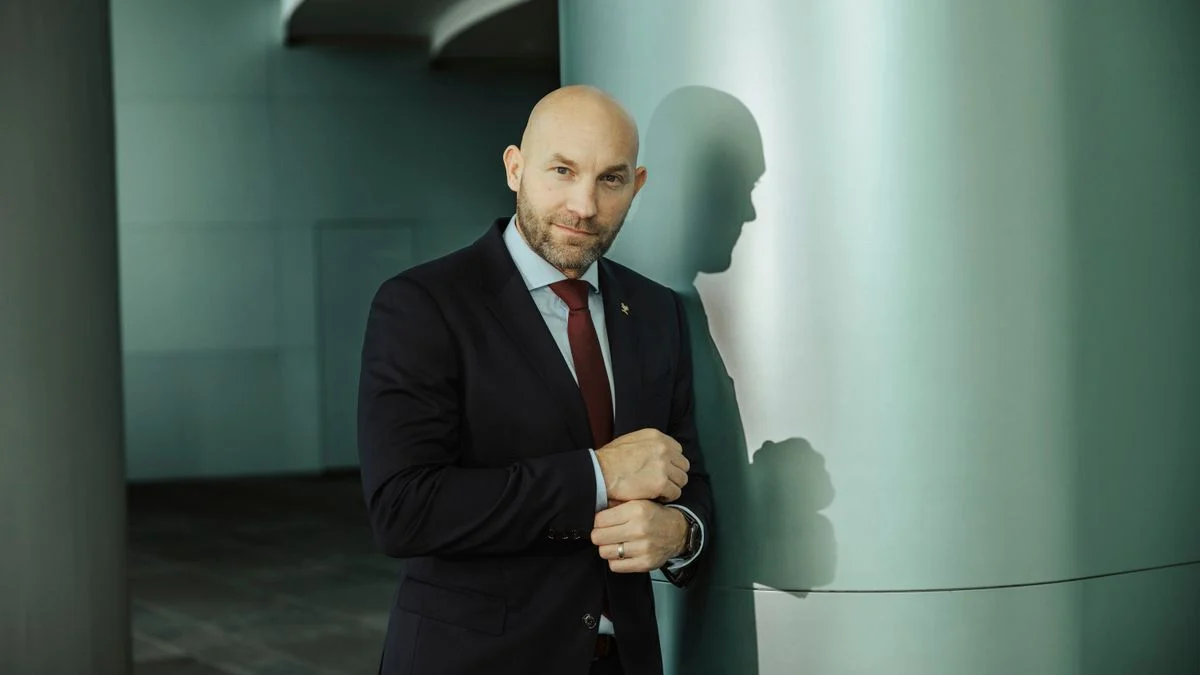
The landscape of German sports is undergoing a tectonic shift. As the nation grapples with declining performance on the international stage, stagnant grassroots participation, and the need for structural modernization, the appointment of Ronald Rauhe as the new State Minister for Sports has signaled a departure from the status quo. A decorated Olympic legend himself, Rauhe brings an insider’s perspective to the highest echelons of government.
For years, critics have argued that the German sports system—a complex web of federations, state-funded programs, and commercial interests—has become sclerotic. Rauhe’s mandate is clear: to dismantle the bureaucratic bottlenecks that stifle talent and to revitalize the competitive spirit that once made Germany a global powerhouse. This article examines the core pillars of his reform agenda, the historical context of these challenges, and what they mean for the future of the Olympic movement in Germany.
Main Facts: The Rauhe Reform Agenda
At the heart of the proposed reforms is a pivot toward "Lean Governance." Rauhe has identified three primary areas of concern:
- Centralization of Funding: Currently, funding is dispersed across hundreds of small, regional, and sport-specific bodies. Rauhe proposes a "Performance-First" funding model, where financial support is tethered strictly to objective metrics of progress and athlete development rather than legacy administrative costs.
- Digital Integration: The implementation of a nationwide data-tracking system for junior athletes is intended to identify talent gaps earlier, moving away from the "trial and error" methods of the past.
- Modernizing Athlete Welfare: Rauhe has emphasized that elite performance cannot come at the expense of human health. He is pushing for mandatory mental health support and academic integration programs for all athletes receiving federal funding.
The core objective is to shift the focus from the administrative survival of federations to the actual well-being and performance of the athletes.
Chronology: From the Canoe to the Cabinet
To understand why Ronald Rauhe is uniquely positioned for this role, one must look at his trajectory:
- 1990s – 2000s: The Athlete’s Perspective. Rauhe established himself as a dominant force in sprint canoeing. His multiple Olympic gold medals provided him with a firsthand education in the strengths and weaknesses of the German sports system.
- 2010s: The Transition to Leadership. After retiring from professional competition, Rauhe remained deeply embedded in the sports community, serving in various advisory roles within the German Olympic Sports Confederation (DOSB).
- 2023: The Catalyst. Following a lackluster performance by German athletes at major international events, public discourse regarding a "systemic crisis" reached a fever pitch.
- 2024: The Appointment. Amidst political pressure to modernize, the government tapped Rauhe to lead the federal oversight of sports. His appointment was widely viewed as a move to bring a "practitioner’s pragmatism" to a political role that had historically been held by career bureaucrats.
Supporting Data: Why Reform is Essential
The necessity for reform is backed by sobering statistics. Over the last decade, Germany’s medal count at the Summer and Winter Olympics has shown a steady decline in key disciplines.
- Participation Trends: Grassroots membership in local sports clubs (Vereine) has dropped by nearly 12% since 2015.
- Funding Efficiency: Independent audits suggest that nearly 30% of federal sports funding is consumed by administrative overhead within federations rather than reaching training centers or coaching staff.
- Comparative Analysis: When benchmarking against peer nations such as Australia or Great Britain, Germany spends significantly more per athlete but yields fewer podium finishes, pointing to a lack of strategic investment rather than a lack of financial resources.
These figures illustrate a system that is "funding the structure, not the sport." Rauhe’s task is to reorient these resources to ensure that the tax Euro reaches the track, the pool, and the pitch.
Official Responses and Stakeholder Perspectives
The reception to Rauhe’s agenda has been polarized, reflecting the diverse interests at play.
The Federations’ Resistance
Many traditional sports federations have expressed skepticism. The heads of several influential bodies argue that rapid centralization could threaten the autonomy of specialized sports. "We risk throwing out the baby with the bathwater," noted one high-ranking federation official, fearing that a performance-focused model might marginalize niche sports that do not promise immediate medal returns.
Athlete Support
Conversely, active athletes have largely welcomed the proposal. The Athleten Deutschland collective, which represents elite competitors, issued a statement praising the focus on "transparency and welfare." They argue that for too long, the interests of federations were prioritized over the health and career stability of the individuals who represent the country.
The Political Consensus
In the Bundestag, the reaction has been cautiously optimistic. While the opposition has questioned the feasibility of such a massive overhaul within a single legislative period, the coalition government has thrown its weight behind Rauhe, viewing his success as a barometer for their broader public sector reform goals.
Implications: The Future of German Athletics
What does this mean for the average sports fan, the club athlete, and the future of Germany’s Olympic bid?
The Shift Toward Professionalism
Rauhe’s reforms are likely to professionalize the administration of sports. This means that sports federations will have to operate more like businesses—accountable to stakeholders and measured by output. While this might lead to the consolidation of smaller, inefficient bodies, the potential for a more streamlined, competitive, and sustainable system is significant.
The Cultural Impact
Beyond medals, the reform targets the culture of sports in Germany. By emphasizing mental health and educational support, Rauhe is signaling that being a top-tier athlete should not be a "dead-end" career path. This is vital for maintaining a healthy pipeline of talent, as young people are increasingly deterred by the risks associated with elite sport.
The Olympic Outlook
Looking toward the next Olympic cycle, the pressure on Rauhe is immense. If the "Rauhe Doctrine" results in a tangible turnaround in performance, it will likely serve as a blueprint for other European nations struggling with similar bureaucratic inertia. If it fails, it may lead to a permanent loss of prestige for German sports on the global stage.
Conclusion: A High-Stakes Transformation
Ronald Rauhe is attempting to do what few have dared: reorganize a system that has been built on decades of tradition and entrenched interest. The shift from a sprawling, fragmented bureaucracy to a focused, high-performance model is not merely a logistical challenge—it is a fundamental change in the national philosophy of sport.
As the new State Minister, Rauhe has the credibility of a champion and the grit of a reformer. The road ahead is fraught with political friction and institutional inertia, but the potential rewards are clear. For German sports to regain its competitive edge, the "Rauhe Era" must succeed in bridging the gap between historical legacy and future necessity. The starting blocks are set; the race, quite literally, has begun.
(Note: This article provides an analytical overview of the current political discourse surrounding German sports policy. As the situation evolves, we will continue to track the implementation of these reforms and their impact on the ground.)