A recent comprehensive study suggests that the rise of digital ride-hailing services has had a profound, albeit indirect, impact on urban crime rates. By analyzing data across 479 American cities, researchers have uncovered a surprising correlation: the integration of platforms like Uber and Lyft is linked to a reduction in both violent crime and alcohol-related traffic incidents.
The Evolution of Urban Mobility
Since the debut of Uber in 2009, the landscape of urban transportation in the United States has undergone a seismic shift. Moving away from the traditional, regulated taxi model—which often relied on metered pricing and street hails—ride-hailing apps introduced a digital-first approach. By providing upfront pricing, real-time tracking, and a cashless payment system, these services fundamentally altered how people navigate their cities.
However, the rapid expansion of these platforms has not been without controversy. Uber and its competitors, such as Lyft, have frequently faced intense scrutiny regarding the employment status of their drivers, allegations of labor exploitation, and the often-aggressive methods used to bypass local municipal regulations. Despite these ongoing debates, a new study published in the academic journal Economic Inquiry shifts the focus toward a different metric: the impact of these services on public safety.
The Study: A Decade of Data
Researchers conducted an extensive analysis of crime statistics spanning the years 2005 to 2019. By tracking the gradual rollout of ride-hailing services across 479 U.S. cities, the study provides a longitudinal look at how the presence of these apps correlates with shifting crime patterns.
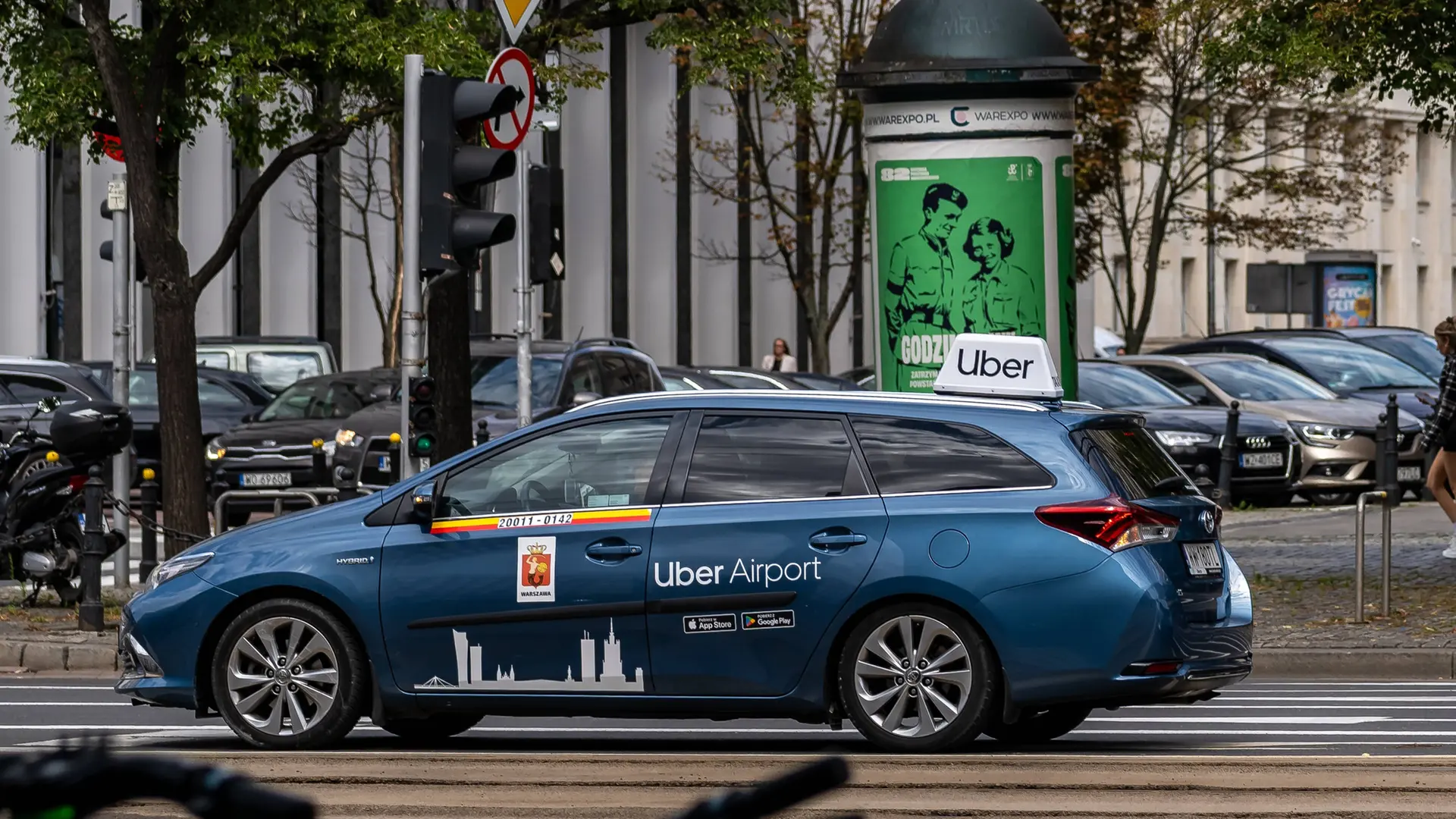
The findings suggest that the arrival of ride-hailing services was not merely a convenience for commuters but a catalyst for measurable changes in public order. The data indicates that in cities where these services were widely adopted, there was a consistent, statistically significant decline in several key categories of criminal activity.
Key Statistical Findings
- Violent Crime: Cities with active ride-hailing platforms saw an average reduction of 4.6% in violent crime rates.
- Demographic Sensitivity: The decline in violent crime was notably more pronounced in cities with higher percentages of female residents, suggesting that the availability of reliable, trackable transport provides a critical safety net for vulnerable populations.
- Property Crime: Burglary and theft rates also showed a downward trend, though these effects were more gradual, manifesting over several years as the services became deeply integrated into the fabric of urban life.
Chronology of the Ride-Hailing Shift
To understand these results, it is helpful to look at the timeline of the "gig economy" transformation:
- 2009–2012 (The Early Adopters): Uber launches in major hubs like San Francisco and New York. During this period, the services were premium alternatives to taxis, limited to affluent, tech-savvy demographics.
- 2013–2016 (Mass Adoption): Prices dropped as competition between Uber and Lyft intensified. Ride-hailing became an accessible alternative to owning a vehicle or relying on erratic public transit for many middle-class Americans.
- 2017–2019 (Infrastructure Integration): Ride-hailing became a standard component of urban planning. Cities began to see the services as a "last-mile" solution, often bridging the gap between public transit stations and residential areas.
The study highlights that the positive impacts on crime did not occur immediately. Instead, they emerged as a cumulative effect, tracking with the normalization of these apps in daily life.
Understanding the "Why": Indirect Benefits
One of the most intriguing aspects of the study is the explanation for why crime decreased. It is a common misconception that the decline is simply because there are fewer people walking alone at night. While increased mobility plays a role, the researchers argue the impact is largely indirect.
1. Economic Empowerment
The study points to the creation of low-barrier employment opportunities. By allowing individuals to earn income through driving, these platforms provided a financial buffer in cities struggling with high unemployment. When economic instability is reduced, the necessity for financially motivated crimes—such as robbery or burglary—often follows suit.
2. Alcohol-Related Safety
Perhaps the most direct benefit identified by researchers is the impact on alcohol-related traffic incidents. Despite data showing that the total volume of "out-of-home" drinking increased in many cities following the arrival of ride-hailing, the number of DUI-related accidents did not rise proportionally. Instead, the availability of an easy, app-based ride home acted as a substitute for drunk driving.
3. Resource Allocation
The research also suggests a secondary, bureaucratic benefit: when the rate of traffic-related incidents and minor disturbances decreases, police departments may be able to shift their limited resources. By reducing the time and personnel required for traffic stops and DUI processing, law enforcement can pivot toward more effective crime prevention and proactive community policing.
Official and Academic Responses
Emtiaz Hossain Hritan, a PhD researcher at the University of California, Irvine, and the lead author of the study, emphasized that these findings carry significant weight for urban policymakers.

"The results indicate that digital platforms can generate public safety benefits that extend well beyond their primary commercial purpose," Hritan noted. The academic community has largely reacted with interest, though many caution that correlation does not strictly imply causation. Critics of the platforms point out that while crime may drop, the social cost—including traffic congestion and the erosion of stable, unionized labor—remains a major point of contention that must be weighed against these safety gains.
The European Context: Can It Be Replicated?
A critical question remains: are these findings applicable to global cities, particularly in Europe?
The landscape in Europe differs sharply from that of the United States. In many European cities, public transportation infrastructure is robust, with extensive night bus and train networks that are often absent or underfunded in American cities. Furthermore, the reliance on private vehicles is significantly lower in European urban centers.
Because the U.S. study identifies the primary benefit as an alternative to the car-centric lifestyle, it is unclear if the same "safety" gains would manifest in cities where residents already have access to safe, efficient, and frequent public transit. In Europe, the introduction of ride-hailing might even be viewed as a threat to existing public transit usage, rather than a necessary supplement.
Broader Implications for Urban Planning
The implications of this study are vast. It challenges the traditional view that technology-driven transit is merely a commercial venture. Instead, it suggests that when designing the cities of the future, officials should consider the "safety dividend" of various transport modalities.
Policy Recommendations
- Integrated Mobility: Rather than viewing ride-hailing as a competitor to public transit, cities might consider public-private partnerships that utilize these apps to increase the safety of transit-deprived neighborhoods.
- Labor Reform: If the reduction in crime is partially linked to the availability of jobs, regulators must balance the desire for public safety with the need to protect drivers from the "precarity" that has long dogged the gig economy.
- Infrastructure Investment: The study underscores that the primary driver of crime reduction in the U.S. was the mitigation of car-dependent behaviors. This suggests that cities should continue to invest in walkability and alternative transit, as these are the ultimate tools for reducing traffic-related crime.
Conclusion: A Nuanced Path Forward
The findings from the Economic Inquiry study offer a compelling argument that the "gig economy" is not just a technological disruption—it is a socio-economic one. While the debate regarding the ethics of platforms like Uber continues, the evidence suggests that they have fundamentally changed the urban landscape in ways that have made, at least statistically, American streets safer.
As cities continue to evolve, the challenge for policymakers will be to harness these safety benefits while addressing the systemic issues that continue to plague the gig-work model. We are in the midst of a mobility revolution; understanding the hidden ripples of this change is the first step toward building more secure and equitable urban environments for everyone.