In a move that could redefine the global industrial landscape, tech mogul Elon Musk has confirmed that his two flagship companies, Tesla and SpaceX, are exploring a potential merger. This unprecedented consolidation of an automotive giant and a private space exploration powerhouse would create a conglomerate of such magnitude that it would effectively dwarf any other corporate entity in history. The announcement, delivered during a SpaceX quarterly earnings conference, has sent shockwaves through global markets, prompting both intense speculation and rigorous debate regarding the regulatory, financial, and strategic implications of such a deal.
Main Facts: The Anatomy of a Trillion-Dollar Union
The proposal for a merger between Tesla, currently valued at approximately $1.48 trillion, and SpaceX, boasting a valuation of over $1.9 trillion, represents a tectonic shift in corporate structure. Should the deal proceed, the combined entity would command a market capitalization exceeding $3.4 trillion, a figure that defies traditional valuation metrics.
Elon Musk, the architect of this potential union, holds a dominant position as the majority shareholder in both companies. His personal wealth, estimated at roughly $920 billion, is primarily tethered to these two ventures. During the video conference, Musk was careful to distance himself from the immediate decision-making process, noting that special committees have been formed at the behest of shareholders to investigate the viability and fairness of the merger. Musk explicitly stated he is recusing himself from these committees to mitigate concerns regarding conflicts of interest.
The feasibility of the deal remains a subject of intense scrutiny. While Musk has expressed personal support for the idea, he emphasized that a merger is far from guaranteed. Success hinges on a complex array of conditions, not least the requirement for approval from at least 50% of Tesla’s independent shareholders.
A Chronological Context: From Speculation to Strategy
For years, the prospect of a Tesla-SpaceX merger lived in the realm of industry rumor and investor "what-if" scenarios. Musk’s previous commentary on the matter was deliberately opaque, often characterized by evasive responses that neither confirmed nor denied the possibility.
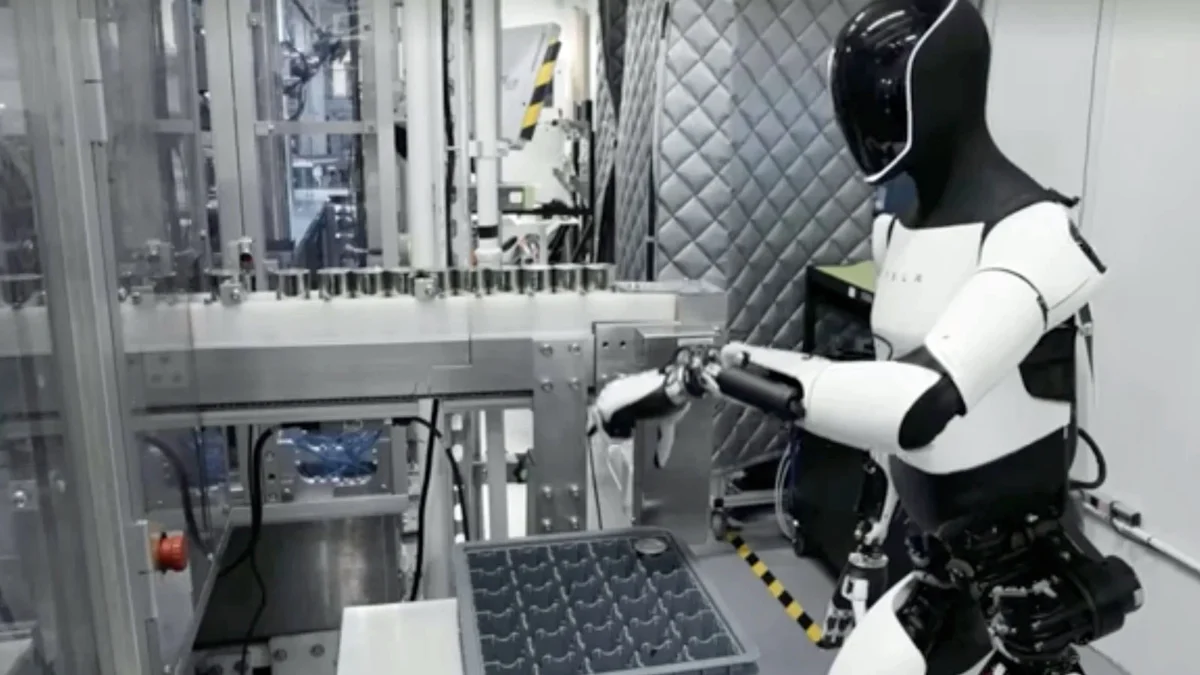
The shift from speculation to formal exploration follows a period of rapid development for both entities. Tesla has been aggressively pivoting from a traditional electric vehicle (EV) manufacturer toward an AI-centric company focused on autonomous robotaxis and humanoid robotics. Simultaneously, SpaceX has transitioned from a launch provider to a telecommunications and data infrastructure juggernaut via its Starlink satellite network and specialized AI data centers.
The formation of the independent committees marks the first concrete step in a long-term strategic evolution. This move follows a year of significant volatility for both companies, characterized by high-stakes battles for control, shifting political alliances, and a series of ambitious, albeit sometimes delayed, technological milestones.
Supporting Data: Economic Logic and Market Realities
The economic rationale behind the merger, as articulated by analysts like Gene Munster, centers on the unique synergy between AI and physical world interaction. Tesla provides the platform for mass-scale AI deployment through its fleet of vehicles and robotics, while SpaceX provides the backbone for global connectivity and high-performance computing.
Financial Performance and Market Valuation
The recent quarterly results for SpaceX highlight the company’s newfound profitability. Posting a net profit of $4.4 billion on $14.58 billion in revenue, the company has shattered analyst expectations. This performance follows a period of heavy capital expenditure and, until recently, net losses. The growth is largely attributed to the scaling of Starlink and the integration of orbital AI infrastructure.
Conversely, Tesla’s market position is a bet on the long-term viability of Musk’s vision. The company’s stock price has shown resilience, despite facing stiff competition in the EV sector and skepticism regarding the timeline for its "Optimus" humanoid robot and fully autonomous driving systems.
The "Unique Company" Thesis
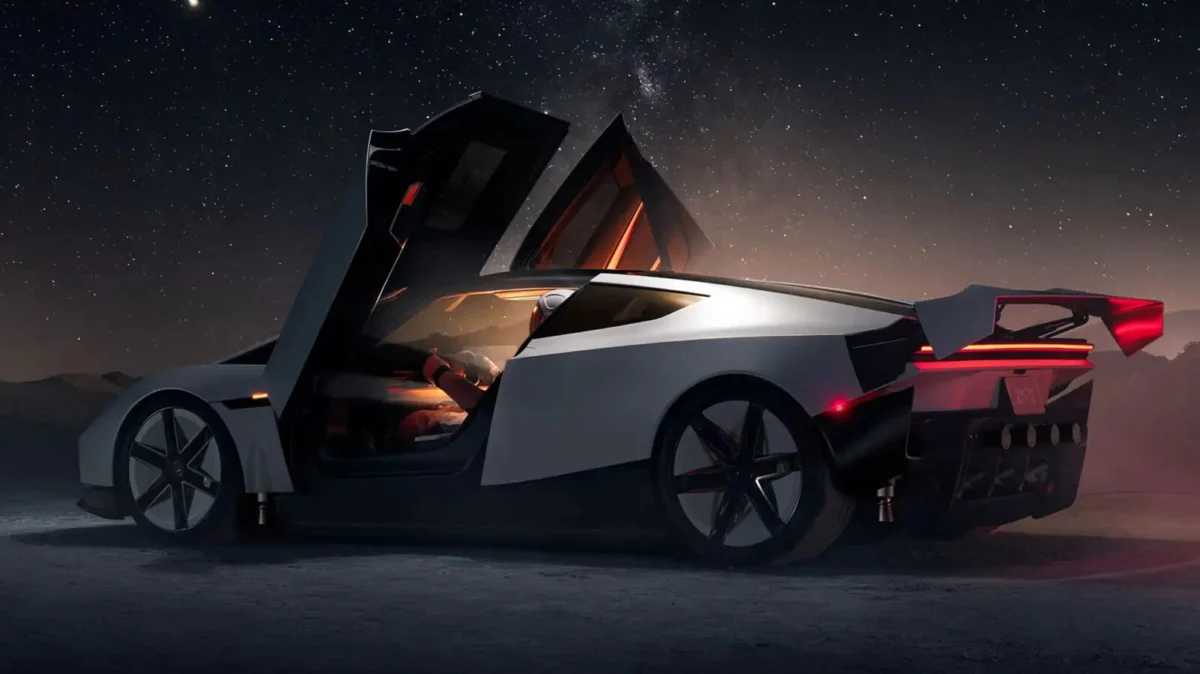
Analysts argue that the combined entity would represent the most unique corporation in history. By pooling the engineering talent of SpaceX—renowned for its rapid iteration of rocket hardware—with Tesla’s manufacturing prowess and AI software stack, the merged firm could effectively monopolize the "physical AI" sector. This is evidenced by ongoing collaborations, such as the development of the "Terafab" chip manufacturing facility and the integration of SpaceX’s cold-gas thruster technology into upcoming Tesla Roadster models.
Official Responses and Governance Hurdles
The governance of such a merger poses significant challenges. At SpaceX, Musk holds firm control through shares with enhanced voting rights. At Tesla, however, Musk’s control is more tenuous. He has long sought to solidify his authority, once infamously remarking that he felt uncomfortable building a "robot army" at Tesla while his leadership could be challenged by shareholders.
The Shareholder Dilemma
The path to this merger is paved with legal and ethical obstacles. Last year, Tesla shareholders approved a massive, incentive-laden pay package for Musk, contingent on meeting aggressive performance milestones. A merger would fundamentally alter the structure of these requirements, potentially bypassing the current, increasingly unlikely, performance targets and granting Musk the absolute control he has long coveted.
The Regulatory Landscape
Regulators, particularly in the United States, will likely view this merger with extreme caution. Given the critical role both companies play in US national security, the consolidation would be subject to intense antitrust review. SpaceX’s current indispensability to the US space program and military satellite operations, combined with Starlink’s role in global geopolitical conflicts, makes this a matter of national interest, not just corporate finance.
Implications: A New Era of Influence
The implications of a Tesla-SpaceX merger extend far beyond the stock market. Musk’s increasing political visibility—highlighted by his substantial financial backing of the Republican party and his advisory roles within the US government—adds a layer of complexity to the deal.
Political and Military Power
The combined entity would arguably become the most influential private company in Washington. SpaceX’s Starlink is already a cornerstone of modern defense strategy, particularly in the conflict in Ukraine. Furthermore, Musk’s involvement in "Project Meridian," a Pentagon advisory body focusing on future warfare, suggests that the integration of Tesla’s robotics and SpaceX’s orbital infrastructure is not merely a commercial strategy but a key component of future US military doctrine.
The Risks of Oversimplification
Despite the grand vision, critics point to a pattern of over-promising. Musk has historically struggled to meet the timelines set for his more radical projects. His claim that the Starship rocket will achieve a cadence of two launches per week by the end of next year is viewed with skepticism, given the current frequency of test flights. Similar doubts persist regarding the scalability of his satellite constellations and the immediate productivity of his humanoid robotics projects.
The Future of Innovation
If the merger succeeds, the new entity will possess a resource pool that is arguably unmatched in the private sector. It would control the means of transport on Earth, the means of communication from orbit, and the means of robotic automation in factories and homes. However, the consolidation of such power carries inherent risks. The "Musk-ification" of these technologies creates a single point of failure and a concentration of decision-making power that may worry proponents of democratic oversight and market competition.
Conclusion
The potential union of Tesla and SpaceX is a move that defies conventional corporate logic. It is a bold, high-risk, and high-reward endeavor that seeks to marry the hardware of the future with the infrastructure of the present. As the independent committees begin their work, the eyes of the world remain fixed on the man who would be the king of this new industrial empire. Whether this merger serves as a catalyst for a new age of human advancement or as a cautionary tale of corporate overreach remains to be seen. What is certain, however, is that the outcome will shape the economic and technological trajectory of the 21st century.