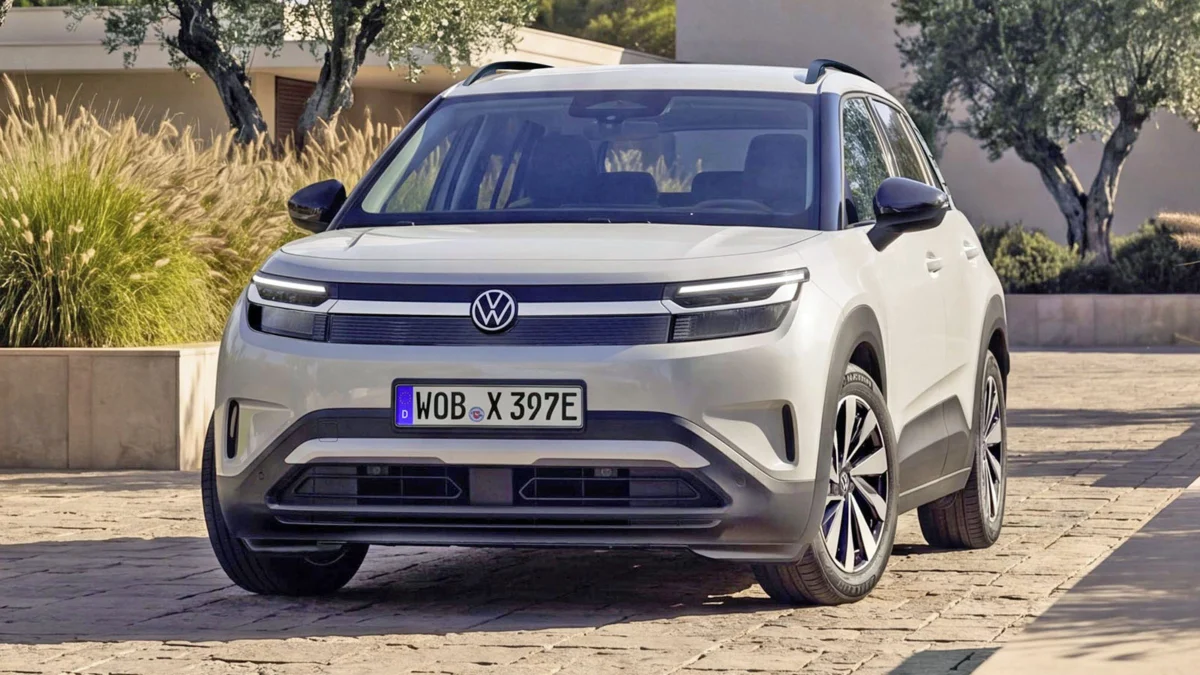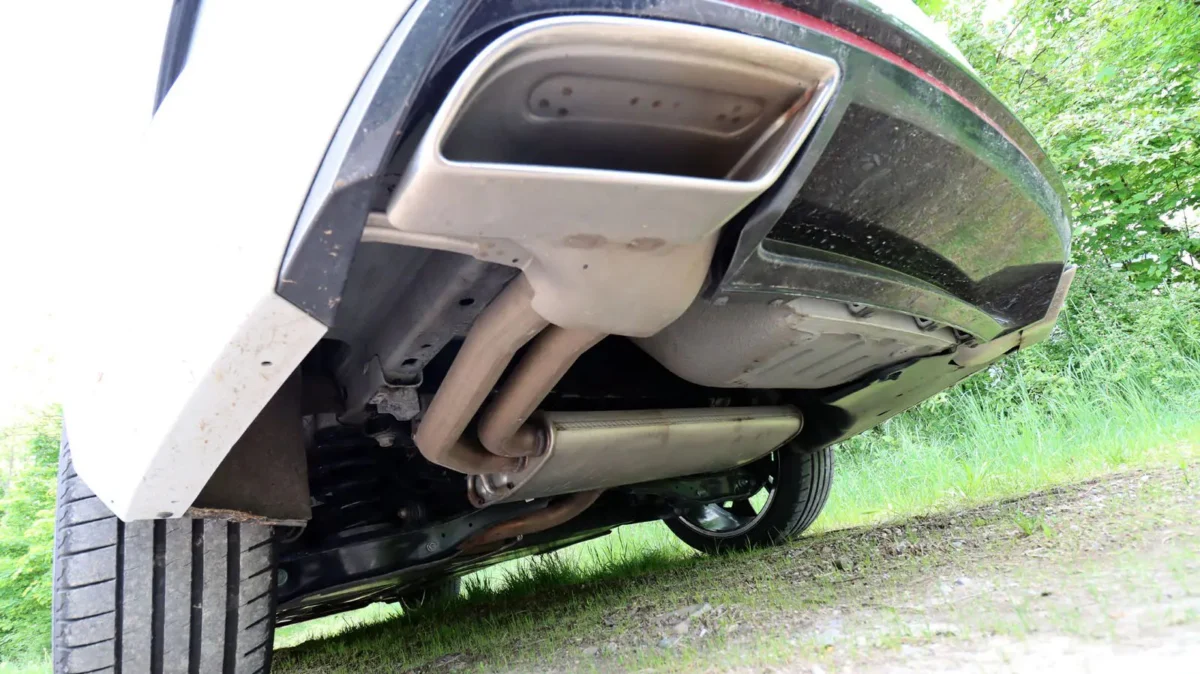
In a move that promises to redefine the trajectory of the European automotive sector, Germany and France appear to be closing in on a landmark compromise regarding the future of the internal combustion engine (ICE). According to reports from the Handelsblatt, Chancellor Friedrich Merz and President Emmanuel Macron are preparing to champion a significant relaxation of fleet emission limits, effectively providing a lifeline for combustion-engine vehicles well beyond the previously anticipated 2034 phase-out.
This potential policy shift represents a tectonic move within the European Union, signaling a departure from the strict, electrification-first mandate that has defined Brussels’ climate agenda for years. By loosening the regulatory grip on traditional drivetrains, Berlin and Paris are attempting to strike a delicate balance between ambitious climate neutrality goals and the preservation of Europe’s industrial manufacturing base.
The Core Compromise: A Shift in Strategy
At the heart of the proposed agreement lies a recalibration of the fleet-wide CO2 emission standards. Under current EU trajectories, the transition toward a zero-emission future was set to become nearly absolute by 2035. However, the emerging Franco-German consensus suggests a more pragmatic, albeit controversial, path forward.
The proposal would see manufacturers required to reduce their average fleet emissions by 90 percent starting in 2035, rather than the more stringent targets previously discussed. Crucially, the remaining 10 percent would not necessarily require compensation via e-fuels or renewable energy offsets, effectively creating a "legal corridor" for the continued sale of new gasoline and diesel-powered vehicles.
While this is being framed as a victory for "technological openness," critics argue that the economic viability of these vehicles remains questionable. Without the economies of scale that mass production provides, the cost-per-unit for these remaining combustion models is likely to remain prohibitively high, potentially relegating them to niche status.
A Chronology of Policy Flux
The road to this potential agreement has been marked by years of intense lobbying and shifting political winds within the European Council.
- Late 2024/Early 2025: Intense pressure from the German automotive lobby and conservative political factions began to mount, questioning the socio-economic impact of a hard ban on combustion engines.
- December 2025: The European Commission floated a proposal suggesting that, while climate neutrality remained the goal, the regulatory framework could allow for the registration of ICE vehicles beyond 2034, provided they adhered to strict emission ceilings (11g CO2/km).
- June 2026: A coalition of seven EU member states, led by France, voiced strong opposition to any further dilution of the standards, labeling such moves a "strategic error" that would undermine the European transition to green mobility.
- Present Day: Following internal political shifts and renewed bilateral talks, France has moved from a position of resistance to one of pragmatic cooperation. The current proposal—a four-page policy paper—now serves as the blueprint for a potential majority in the European Council.
Supporting Data and Economic Realities
The debate is fueled by divergent economic projections. On one hand, proponents of the "technological neutrality" approach argue that the market, not the regulator, should decide the pace of the transition. They point to the fact that the battery-electric vehicle (BEV) remains the most cost-effective path to compliance, but warn that forcing a rapid exit could leave European manufacturers vulnerable to competition from nations that have not tethered themselves to such strict timelines.
However, the data on market trends suggests a more complex picture. While BEV adoption has seen significant momentum, the infrastructure gap—specifically regarding charging networks and energy grid readiness—remains a persistent hurdle. The German government’s push for a relaxed regulation is, in part, an attempt to safeguard the thousands of jobs tied to traditional engine manufacturing, which remain a cornerstone of the German and Central European industrial ecosystem.
Conversely, the "90 percent reduction" model presents a mathematical challenge. By allowing a 10 percent margin for combustion, the EU is essentially betting that manufacturers will focus their engineering prowess on high-efficiency, low-volume ICE models while simultaneously scaling up their EV fleets. Whether this "dual-track" strategy is economically sustainable remains a point of deep contention among industry analysts.
Geopolitical Bargaining: The Industrial Subsidy Exchange
The compromise extends beyond environmental policy, venturing into the sensitive realm of industrial subsidies. In exchange for French flexibility on emission standards, Germany has signaled a willingness to prioritize European-made products in future industrial funding schemes.
This represents a significant pivot for Berlin. Previously, the German government had advocated for a more open approach, seeking to include a broader range of international trade partners in the supply chain. Under the new proposal, state purchasing premiums and other incentives would be largely restricted to vehicles manufactured within the 27 EU member states. There is a potential carve-out for the United Kingdom, allowing British-made vehicles to qualify for these incentives, which would maintain a vital link in the European automotive value chain.
Official Responses: A Divided Europe
The reaction to the proposed deal has been swift and deeply polarized.
The Critics: "A Historic Mistake"
Environmental advocacy groups have been the most vocal in their opposition. Susanne Goetz, a mobility expert at T&E (Transport & Environment) Germany, did not mince words, characterizing the agreement as a "historic mistake." She argued that by prioritizing the retention of legacy technology, Europe risks "sealing the decline of the European automotive industry." According to Goetz, the focus should remain squarely on energy independence—reducing reliance on imported oil—and fostering a competitive, home-grown battery supply chain.
Michael Bloss, a prominent Green Party member of the European Parliament, echoed these sentiments. He described the deal as a "brake block" on the electrification boom, warning that Europe’s future competitiveness depends on the ability to produce "good and affordable electric cars," not in preserving the past.
The Supporters: "Flexibility and Pragmatism"
In contrast, supporters of the deal view it as a necessary correction. Jan-Christoph Oetjen, transport policy spokesman for the FDP in the European Parliament, lauded the proposal as a vital signal of support for the industry. "Flexibility for manufacturers and technological openness in achieving our climate goals helps not just the carmakers, but also the supply chain partners," Oetjen noted. For the FDP and other pro-business factions, this is a victory for the "market-driven" approach to climate protection.
Long-Term Implications for the EU
The implications of this agreement, should it be ratified, are profound. First, it marks a rare instance where the Franco-German axis has successfully overridden the initial objections of the European Commission’s stricter climate hawks. It suggests that, in the face of rising global competition—particularly from Chinese EV manufacturers—European leaders are becoming more protective of their domestic industrial base.
Second, it raises questions about the future of the European Green Deal. If the core of the automotive transition is subject to renegotiation, it could trigger a "domino effect," where other sectors lobby for similar flexibility in their own decarbonization timelines.
Finally, for the average consumer, this potential policy shift offers a glimpse into a more varied automotive market. While the 2035 target date for the "end of the combustion engine" will likely remain a symbolic milestone in policy documents, the reality on the road will be more nuanced. New gasoline and diesel cars may continue to populate European showrooms for years to come, provided they meet the high-efficiency standards that the 90 percent target will inevitably demand.
Conclusion
As the European Parliament and the Council of the EU continue to debate the finer points of this proposal, the message from Berlin and Paris is clear: the path to climate neutrality is not a straight line, but a complex negotiation between environmental necessity and economic survival. Whether this compromise succeeds in securing the future of the European automotive industry or serves to delay an inevitable technological transition remains the central question of the decade. One thing is certain: the era of the combustion engine has proven far more resilient than its detractors predicted, and it is not ready to exit the stage just yet.