It is a melody that stirs the soul of a region, a rhythmic cadence that transcends the boundaries of history, geography, and social status. When the first notes of "Glück auf, der Steiger kommt" ("Good luck, the foreman is coming") ring out, thousands of voices across Germany join in, echoing the grit, the danger, and the profound solidarity of the mining profession. From the historic, torch-lit Bergparaden (miner parades) of the Ore Mountains (Erzgebirge) in Saxony to the roaring football stadiums of the Ruhr region and the concert halls where stars like Herbert Grönemeyer perform, the Steigerlied has evolved from a local miners’ work song into a powerful, officially recognized piece of German cultural heritage.

As of 2023, the Steigerlied is formally inscribed as an item of intangible cultural heritage in Germany, a testament to its enduring role in shaping the identity of generations. Yet, to understand its true weight, one must look back to the dark, narrow shafts of the 16th century, where the song first emerged as a prayer for safe passage and a symbol of camaraderie.

The Roots of Resilience: A Chronology of the Steigerlied
The history of the Steigerlied is as deep and complex as the mines that birthed it. While the exact origins are lost to the mists of the early modern period, scholars have traced its earliest printed incarnation to 1531, housed today in the Ratsschulbibliothek in Zwickau. This document serves as the "genetic code" for what would become the anthem of the German mining industry.

16th to 17th Century: The Birth of a Tradition
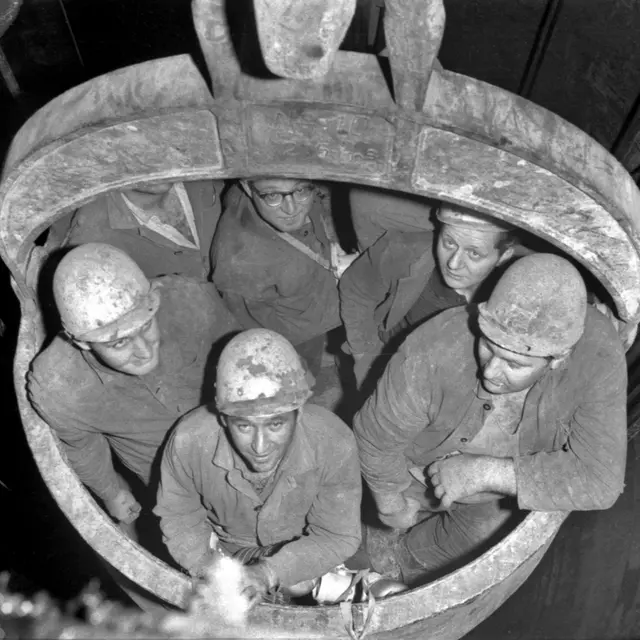
During the 16th century, the Ore Mountains—spanning the region between Zwickau, Schneeberg, and Freiberg—were the industrial heartbeat of Europe. The extraction of silver and other ores was a grueling, life-threatening endeavor. The song emerged as a daily ritual: a "Glück auf" (the traditional miner’s greeting) was not merely a salutation but a plea for the "luck" required to return to the surface safely. By 1678, the song had achieved enough significance to be part of a formal celebration in Schneeberg in honor of the Saxon Elector, Johann Georg II, signaling its transition from a private worker’s chant to a cultural emblem of the state.

19th to 20th Century: The Industrial Migration
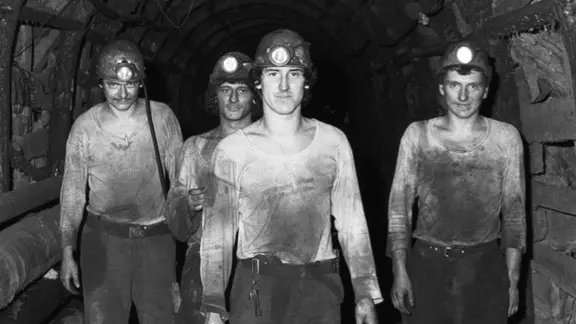
The mid-19th century marked a pivotal shift. As the easy-to-reach silver deposits in the Ore Mountains began to deplete, miners from Saxony migrated westward to the burgeoning coal fields of the Ruhr region. These workers carried more than just their tools; they brought their customs, their dialect, and, crucially, their music. As the Ruhrgebiet became the industrial powerhouse of the German Empire, the Steigerlied migrated with them, acting as a cultural bridge between the East and the West.
Post-1990: Modern Resurgence
Following the reunification of Germany and the subsequent decline of large-scale coal mining, many feared the Steigerlied might fade into obscurity. Instead, the opposite occurred. As mining communities sought to preserve their history, the song saw a massive revival. According to researcher Heino Neuber, who has authored extensive studies on the anthem, the post-1990 era transformed the song from a fading relic into a vibrant, living expression of regional pride, bolstered by the resurgence of traditional mining associations and local cultural initiatives.
The Anatomy of an Anthem: Supporting Data and Variations
One of the most fascinating aspects of the Steigerlied is its fluidity. Because it was an oral tradition for centuries before widespread literacy and standardized songbooks, the lyrics and even the tempo shifted depending on the region.

Regional Differences
- The Saxon Variant: In its birthplace, the song remains deeply tied to the family and the "homecoming." It often concludes with a poignant, tender greeting from the miner to his wife and children waiting above ground, emphasizing the relief of surviving another shift.
- The Ruhrpott Variant: By contrast, the version commonly heard in the Ruhr area is typically two stanzas longer. It often incorporates a celebratory, sometimes raucous, tribute to schnapps and the camaraderie found in the tavern after a long, exhausting shift—a reflection of the different social structures of the industrial coal pits.
Linguistic and Musical Evolution
There are over 100 documented variations of the melody, though the core structure remains unmistakably recognizable. Experts note that while the "text" might vary by a few lines or a specific regional metaphor, the "spirit" remains identical. The song is not a static piece of classical music; it is a living, breathing entity that adapts to the community that sings it.

Official Responses and the Quest for Heritage Status
The formal recognition of the Steigerlied as intangible cultural heritage did not happen in a vacuum. It was the culmination of years of advocacy by organizations like Ruhrkohle Musik e.V., which argued that the song was essential to the social fabric of Germany’s post-industrial landscape.
Lutz Eßbach, the Landesbergchordirektor (State Mining Choir Director) in Saxony, has been one of the most vocal proponents of this recognition. "The Steigerlied is not just a song; it is the glue that holds these communities together," Eßbach explains. "It represents a shared history of labor, risk, and pride. Whether you are in the Ore Mountains or the Saarland, when you sing it, you are acknowledging the sacrifices of your ancestors."

The German Commission for UNESCO, in granting the status, highlighted that it is not just the text that is protected, but the act of communal singing itself. It is this active participation—the gathering of people to sing the verses—that keeps the tradition alive.

Implications: A Symbol Beyond the Mine
The Steigerlied has transcended its original purpose to become a symbol of broader social identity. Its contemporary relevance can be observed in several distinct spheres:

1. The Sporting Arena
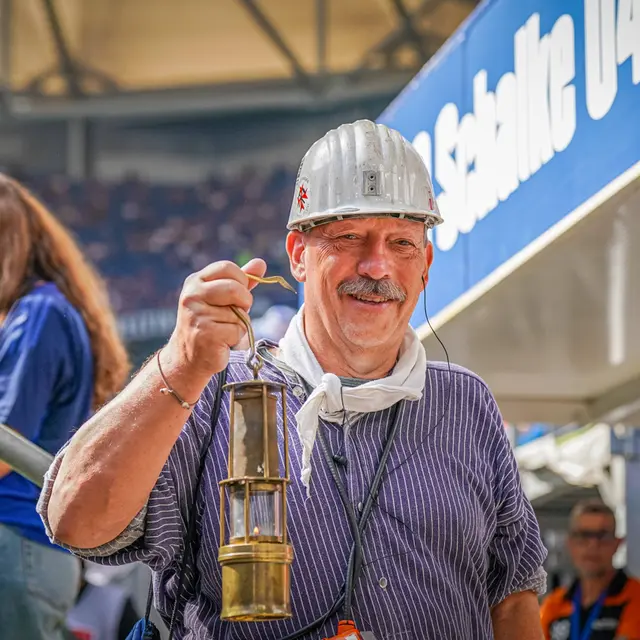
Perhaps no other setting demonstrates the song’s power like the football stadium. Before matches at clubs like FC Schalke 04 or Erzgebirge Aue, the song is played. In these moments, the Steigerlied acts as a secular hymn, unifying tens of thousands of fans from all walks of life. It connects the current generation of fans to the history of the region’s industrial foundation, proving that the identity of the "Bergmann" (miner) is still deeply embedded in the modern German psyche.
2. The Cultural Landscape
Beyond sports, the song has been embraced by pop and rock artists. Herbert Grönemeyer, whose music often deals with the life and labor of the Ruhr region, famously uses the Steigerlied to frame his live performances of "Bochum." This serves to contextualize his modern lyrics within a deeper, historical framework of struggle and survival. Even the late singer-songwriter Gerhard Gundermann, a former excavator driver in the lignite fields, used the imagery of the Steigerlied to discuss the environmental and social costs of the mining industry, showing that the song can be used for both celebration and critical reflection.

3. Preserving Regional Identity
In an era of globalization, the Steigerlied provides a sense of place. For the communities of the Ore Mountains, it is a marker of their unique cultural heritage, which includes the famous woodcarving traditions and the Christmas customs for which the region is known. For the industrial towns of the West, it serves as a reminder of the wealth and development that the mines provided, even after the last shaft has been closed.

Conclusion: The Echo Continues
The Steigerlied is more than just a melody of the past. It is a profound testament to the human capacity to create meaning, community, and beauty in the face of backbreaking, often dangerous work. As we look to the future, the song remains a vital link to Germany’s industrial history. It reminds us that behind every statistic of coal production or iron output, there were individuals—mothers, fathers, sons, and daughters—who looked toward the surface and hoped for "Glück."
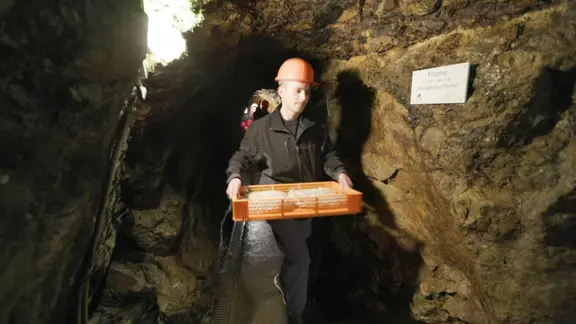
Today, the anthem is protected, celebrated, and, most importantly, still sung. Whether echoing through the stone arches of a mine, the rafters of a concert hall, or the open-air stands of a stadium, the "Steiger" continues to come, and the people continue to answer. In the simple, repeated chorus of "Glück auf," Germany preserves a legacy of solidarity that proves that even when the mines close, the music—and the identity it sustains—endures.