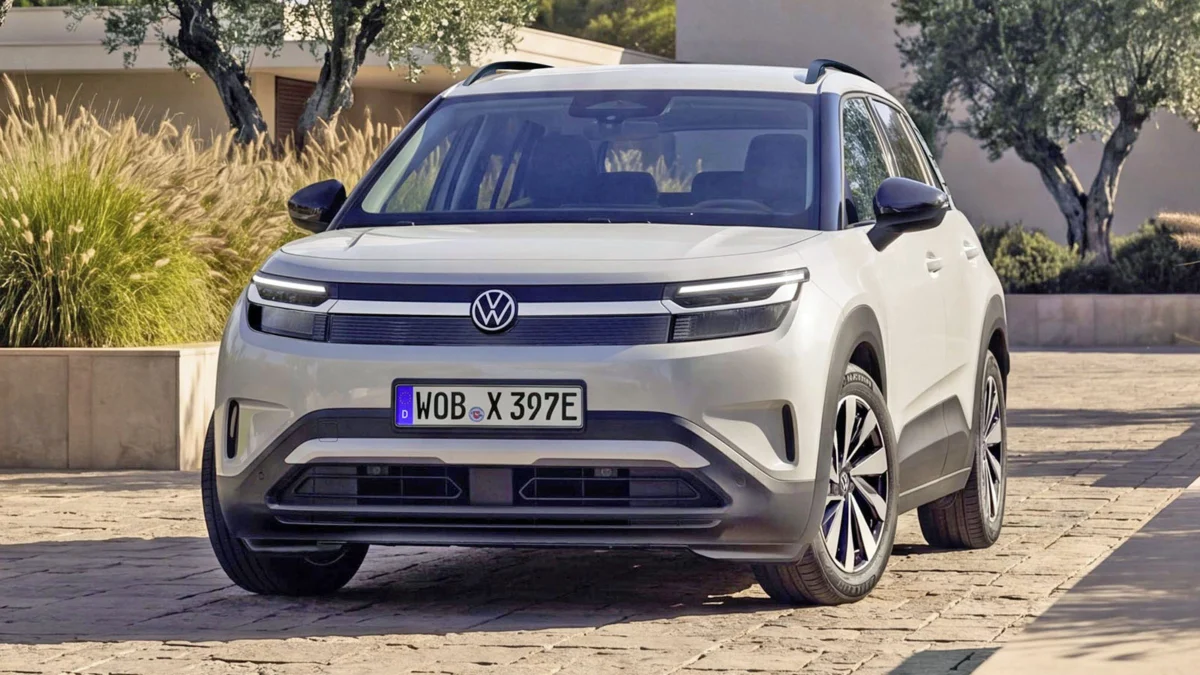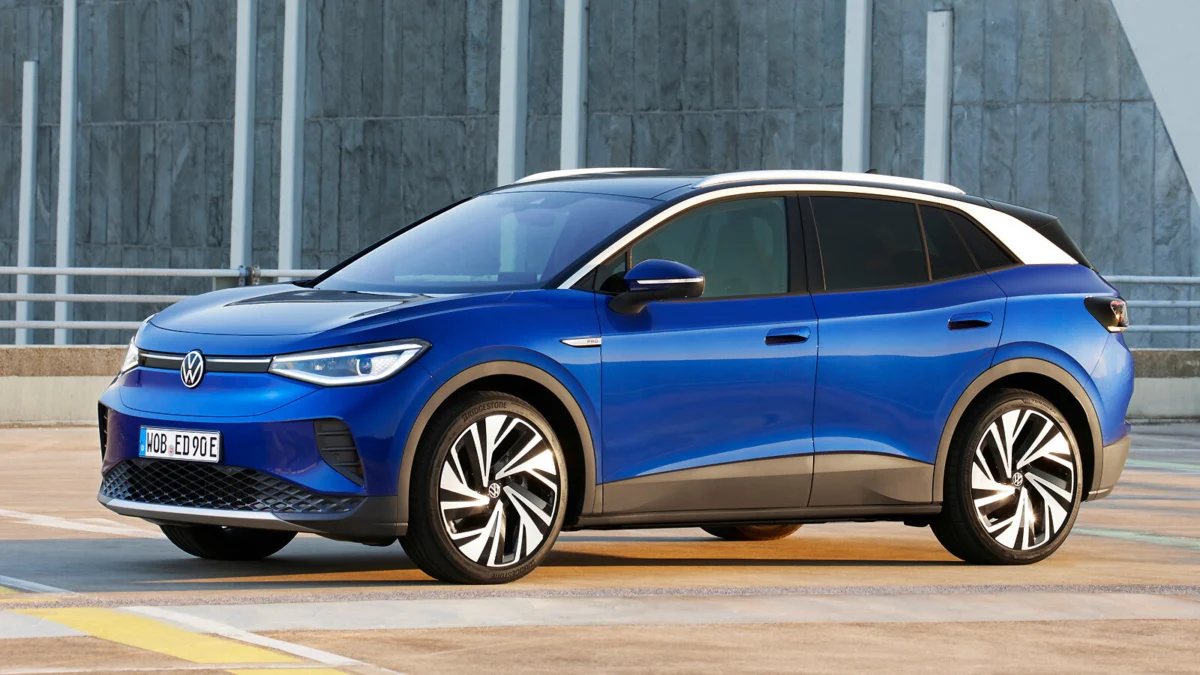
Volkswagen is facing a significant quality control challenge as reports emerge of a looming recall affecting its electric vehicle (EV) lineup. Due to manufacturing defects in specific battery cells sourced from an external supplier, the automaker is grappling with a safety risk that could, in extreme cases, lead to thermal runaway and vehicle fires. As the company works toward a permanent resolution, it has initiated interim safety protocols, including a forced cap on charging capacity, to mitigate risks for owners of its modular electric drive matrix (MEB) platform vehicles.
Main Facts: A Technical Flaw with Global Implications
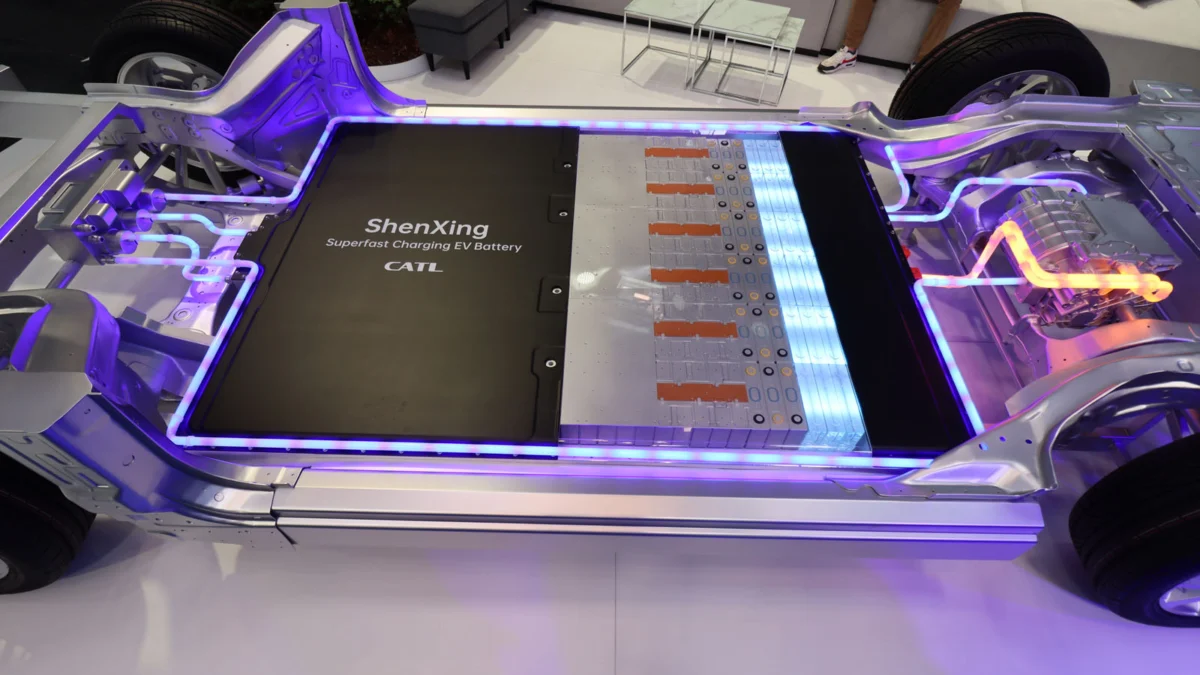
The core of the issue lies within the chemistry and structural integrity of battery cells supplied to Volkswagen. According to reports from auto motor und sport and Handelsblatt, manufacturing inconsistencies in these cells can lead to localized temperature spikes. If these temperatures exceed critical thresholds, the risk of a battery fire increases significantly.
The affected vehicles primarily include the popular ID.3 and ID.4 models, as well as the Cupra Born—a performance-oriented sibling built on the same architecture. While Volkswagen has not yet released a definitive list of all impacted vehicles, industry analysts suggest that because the MEB platform is modular and shared across several Volkswagen Group brands, the scope of the potential recall could expand.
Internally, the project addressing this safety concern is referred to by the code "93MF." While the company has confirmed it is coordinating with the German Federal Motor Transport Authority (Kraftfahrt-Bundesamt, or KBA) to formalize a recall, a specific technical remedy—such as a battery module replacement or a comprehensive software-based diagnostic fix—has yet to be finalized.
Chronology: From Early Warnings to Mandatory Constraints
The timeline of this safety crisis reflects the cautious approach manufacturers must take when dealing with lithium-ion battery stability.
- Initial Discovery: Volkswagen’s quality assurance teams identified irregularities in batch-specific battery cells supplied by a third-party vendor. Laboratory testing confirmed that the defect could lead to internal short-circuiting under certain conditions.
- International Precedent: The issue first manifested in international markets. In the United States, Volkswagen has already initiated a recall involving approximately 22,000 ID.4 units. Similarly, the company has begun preparing documentation for regulatory bodies in the United Kingdom to initiate a parallel safety campaign.
- Implementation of Interim Protocols: Recognizing that a physical recall takes time to organize, Volkswagen began deploying remote software updates to the affected fleet. This move effectively forces the "Battery-Care Mode" to remain permanently active.
- Customer Notification: Owners of affected vehicles began receiving notifications via the VW app, explicitly advising them to limit their State of Charge (SoC) to 80 percent until further notice.
The Battery-Care Mode: A Digital Safeguard
The most immediate impact on the end-user is the mandatory activation of the "Battery-Care Mode." Under normal conditions, this feature is designed to prolong the longevity of the lithium-ion battery by preventing the stress associated with high-voltage charging (the final 20% of the charge cycle).
Previously, this mode was a user-selectable preference. However, the current software patch overrides the driver’s ability to disable this feature. By limiting the charge to 80 percent, Volkswagen aims to reduce the chemical stress on the affected cells, thereby lowering the probability of the cells reaching temperatures that could trigger a fire.
For the average EV owner, this means a temporary reduction in range. While inconvenient, it is a standard industry practice when dealing with potential fire risks in high-voltage systems. The restriction will remain in place until the company provides a definitive technical solution, likely involving a detailed inspection of the battery packs at authorized service centers.
Official Responses and Corporate Strategy
Volkswagen has maintained a transparent but measured stance regarding the situation. The company acknowledges that the defect is localized to specific batches of cells provided by an external supplier rather than a fundamental design flaw in the MEB platform itself.
In its communications, Volkswagen emphasizes that not all vehicles of the ID.3, ID.4, and Cupra Born model years are affected. The company is currently utilizing its diagnostic databases to isolate the specific vehicle identification numbers (VINs) that contain the faulty cell batches. By doing so, the manufacturer hopes to avoid a "blanket" recall that would overwhelm its service network and cause unnecessary panic among the broader EV-owning community.
However, the coordination with the KBA indicates that the matter has escalated beyond internal repair protocols. When the KBA becomes involved, a formal recall is mandatory, ensuring that all owners are officially notified and that the repair, once identified, is documented as a safety-critical intervention.
Implications for Volkswagen and the EV Industry
The implications of the 93MF project extend far beyond the immediate repair of a few thousand cars.
Supply Chain Fragility
This situation highlights the extreme dependency automakers have on their battery suppliers. As Volkswagen transitions from traditional internal combustion engine manufacturing to an EV-first strategy, the quality of third-party battery cells becomes the most critical success factor. A single manufacturing oversight at a supplier’s facility can translate into massive financial liabilities and brand damage for the vehicle manufacturer.
Regulatory Scrutiny
With the surge in EV adoption, regulators like the KBA and the U.S. National Highway Traffic Safety Administration (NHTSA) are becoming increasingly stringent regarding battery safety. Volkswagen’s proactive move to address the fire risk—even before a catastrophic incident occurs—is likely an attempt to manage regulatory relationships and demonstrate a commitment to safety that could prevent more severe fines or public relations backlashes.
Consumer Confidence
The broader challenge for Volkswagen is maintaining the trust of its growing EV customer base. The ID-series is intended to be the backbone of the company’s transition to carbon neutrality. Any news involving battery fires is inherently sensitive, as it touches upon the primary fear that potential EV buyers have: the safety of lithium-ion technology. By communicating the 80 percent charge limit clearly and explaining the reason for it, Volkswagen is attempting to reframe the issue from "dangerous batteries" to "proactive safety management."
Technical Uncertainty
The question remains: What happens after the 80 percent limit? If the defect is indeed a manufacturing flaw within the cell, software cannot fix the physical issue. It is highly probable that the ultimate resolution will require the physical replacement of battery modules or packs in the most affected vehicles. Such an operation is labor-intensive and expensive, potentially impacting the company’s quarterly earnings and placing strain on its service centers.
Conclusion: A Test of Resilience
As the automotive world watches the 93MF recall unfold, the focus will remain on how efficiently Volkswagen can transition from this "stop-gap" software measure to a permanent physical fix. The incident serves as a stark reminder of the complexities inherent in the electrification of transport. While the technology is advancing rapidly, the marriage of complex software and high-density chemistry remains a delicate balance.
For now, affected drivers are urged to monitor their VW applications and official communication channels for updates. While the restriction on charging is an inconvenience, it is a necessary step to ensure that the transition to electric mobility remains as safe as it is innovative. As Volkswagen navigates this hurdle, the lessons learned will undoubtedly influence future quality control standards for the entire automotive supply chain.