In an era defined by rapid technological disruption, fluctuating demand for electric vehicles (EVs), and the relentless pace of innovation from Asian competitors, Mercedes-Benz is reportedly preparing for a seismic shift in how it designs and builds its automobiles. According to reports from the Handelsblatt, citing sources close to the company’s supervisory board, the Stuttgart-based automaker is developing a new modular construction system—internally dubbed "Tech-Stacks"—slated for the 2030s.
This transition marks a departure from traditional platform-based manufacturing, moving instead toward a highly granular "Lego-style" approach where vehicle sections are treated as interchangeable, independent modules.
The Core Concept: Deconstructing the Automobile
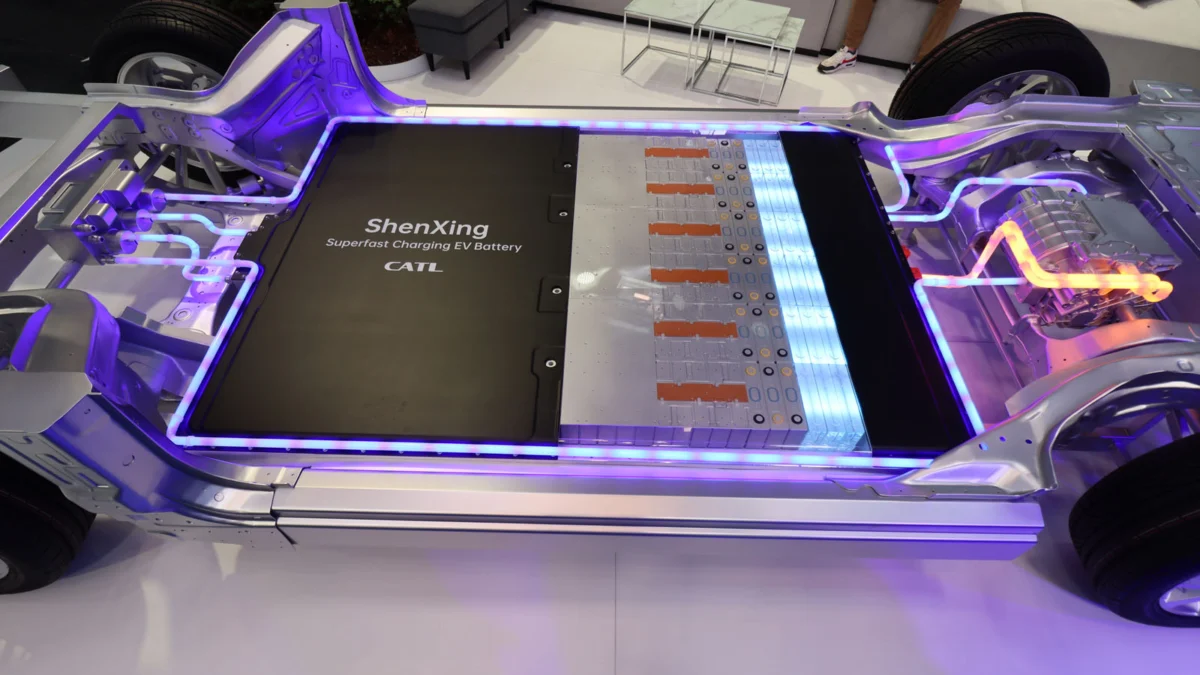
At the heart of the "Tech-Stacks" initiative is the idea of decoupling the vehicle into distinct, standardized components. Rather than relying on a single, monolithic platform that dictates the architecture of an entire car, Mercedes-Benz aims to segment the vehicle into four primary zones: the front, the rear, the side structures, and the underbody (floor).
By standardizing these modules, engineers could theoretically mix and match components to create diverse vehicle sizes and types with minimal reconfiguration. This is not merely an aesthetic or assembly-line change; it is a fundamental shift in engineering philosophy.
Platform vs. Modular Construction
To understand the significance, one must distinguish between the current industry standard—the "platform"—and this proposed modular approach.
- The Platform Model: Currently, a platform defines the fixed technical DNA of a vehicle: the battery placement, axle positioning, powertrain integration, and central electronics. While scalable, changing a platform is an expensive, multi-year endeavor.
- The Modular Model: The Tech-Stack approach treats the vehicle as an assembly of independent blocks. If Mercedes wishes to launch a new SUV, it could potentially pull a standardized front-end module, a high-capacity battery floor, and a specific rear structure, significantly reducing the R&D cycle.
This scalability is expected to yield three primary benefits: lower unit costs, increased production efficiency, and, crucially, a much faster time-to-market.
A Strategic Response to Global Competition
Mercedes-Benz’s move comes at a time when the "speed of innovation" has become the industry’s most critical currency. Chinese manufacturers, in particular, have disrupted the traditional European automotive rhythm. While legacy automakers typically operate on seven-year product cycles with mid-cycle facelifts, companies like BYD, NIO, and Xpeng are iterating at a pace that often leaves European giants struggling to catch up.
By adopting Tech-Stacks, Mercedes hopes to mirror the agility of these tech-forward competitors. Standardized modules mean that software updates and hardware improvements can be integrated into specific "stacks" without requiring an overhaul of the entire vehicle’s architecture. This flexibility allows for rapid responses to changing market trends—such as a sudden surge in demand for larger SUVs or a pivot toward more affordable compact EVs—without the logistical nightmare of retooling entire production lines from scratch.
Current Architectural Landscape: The Transition Phase
Before the industry reaches the "Tech-Stack" era of the 2030s, Mercedes-Benz is currently navigating a complex transition defined by its existing, highly specialized architectures. The company is currently managing a multi-pronged strategy:
- MMA (Mercedes-Benz Modular Architecture): Designed for compact entry-level models, such as the new CLA, featuring a "first-electric" philosophy that also supports 48-volt hybrid technology.
- MB.EA: The backbone for the brand’s medium-to-large luxury electric vehicles.
- AMG.EA: A performance-oriented architecture dedicated specifically to the high-output requirements of the AMG sub-brand.
- VAN.EA: The specialized technical foundation for the company’s commercial and luxury transporter segments.
The challenge, as identified by industry analysts, is that these platforms, while sophisticated, create a fragmented manufacturing landscape. Maintaining separate lines for different platforms limits the "economies of scale" that companies like Tesla have successfully exploited.

The Challenge of Mixed-Production
One of the most significant technical hurdles for the Tech-Stack vision is the integration of diverse powertrain technologies. As seen in the Bremen plant, where the electric GLC is manufactured alongside internal combustion and hybrid variants on the same line, the physical demands of these vehicles are vastly different.
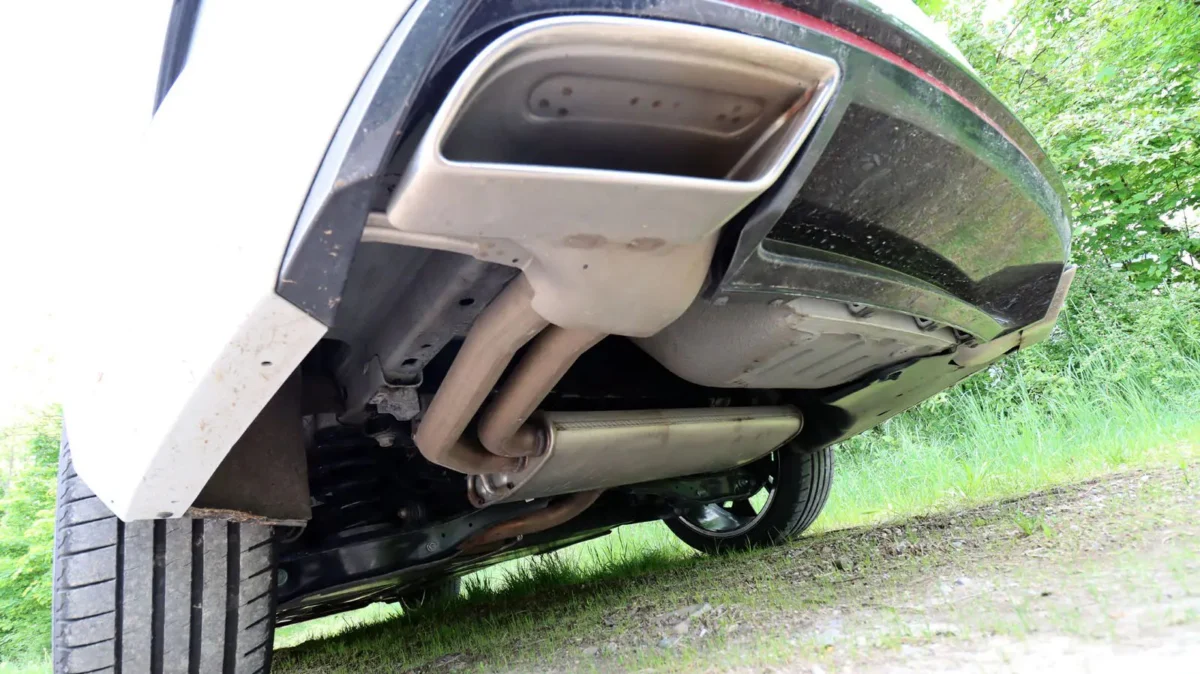
An EV requires a massive, rigid floor structure to house the battery, while a combustion vehicle requires a transmission tunnel and exhaust routing. If Mercedes can successfully create a "universal floor module" that accommodates both batteries and fuel-based powertrains without compromising safety, crash-test ratings, or interior space, it will have achieved a milestone in automotive engineering. This "flexibility in production" is the ultimate goal of the Tech-Stack initiative.
Official Responses and Corporate Stance
When approached by the Handelsblatt regarding the leaked plans, Mercedes-Benz provided a characteristically concise statement: "We are working on a very ambitious future plan."
While the company has not provided a technical deep-dive into the specifications of these stacks, the acknowledgment confirms that the board is actively steering the brand toward a more streamlined, software-defined, and modular future. The lack of specific timelines for "shorter development cycles" or "faster model changes" suggests that the company is currently in the conceptualization and feasibility phase, ensuring that the brand’s reputation for quality is not sacrificed for the sake of speed.
Implications for the Industry
The shift toward modular manufacturing is part of a broader, global trend. In the United States, Tesla pioneered the "gigacasting" and integrated platform approach, drastically reducing the number of individual parts in a vehicle. In Europe, the Stellantis group has already demonstrated that common platforms can serve a diverse portfolio of brands, from Peugeot to Jeep, reducing costs across the board.
For Mercedes-Benz, the stakes are existential. The brand is currently in the midst of the most extensive product offensive in its history, with over 40 new models scheduled to launch by 2028. Having invested over two billion euros into its European production facilities to prepare for this rollout, the company is effectively "locked in" to its current strategy for the next few years. The Tech-Stack project is, therefore, a visionary roadmap for the next generation of vehicles—the ones that will define the brand in the 2030s.
The Road Ahead: 2030 and Beyond
The transition to Tech-Stacks will likely involve a massive organizational restructuring. It requires a move away from the traditional "vehicle project" mindset, where a car is designed as a single entity, toward a "component lifecycle" mindset. This will necessitate closer collaboration with suppliers, as modularity only works if the supply chain is as standardized as the manufacturing process itself.
Furthermore, the integration of software will be paramount. A modular car is only as good as the digital architecture connecting the modules. If Mercedes can ensure that a new "side-impact module" or "infotainment module" communicates seamlessly with the legacy systems of the chassis, they will have created a future-proof vehicle that can be upgraded and customized in ways previously impossible.
Conclusion
The report of Mercedes-Benz’s "Tech-Stack" initiative confirms that the luxury automaker is not content to rest on its laurels. By looking toward a modular, flexible, and cost-efficient future, the company is attempting to bridge the gap between its legacy as a premium manufacturer and the requirements of a fast-paced, software-driven future.
While the 2030s may seem distant, the engineering work begins now. If successful, Mercedes-Benz will not only lower its production costs but will also regain the agility necessary to dictate the terms of the market, rather than merely reacting to the innovations of its competitors. The "Lego-ization" of the Mercedes lineup could be the most significant turning point for the brand in the 21st century, ensuring that the Silver Star remains relevant in an increasingly electrified and digitized world.