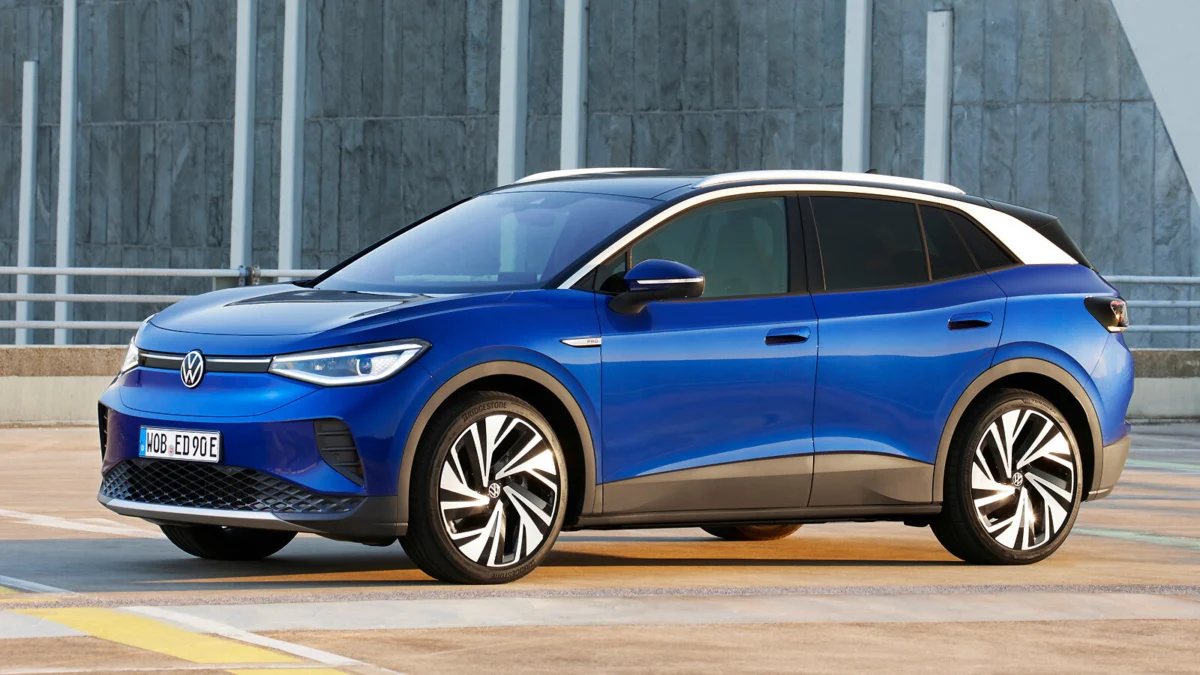
Nearly 15 years after the nationwide rollout of E10 fuel in Germany—a transition that was initially met with public skepticism and technical anxiety—the European automotive landscape is bracing for a potential new chapter. As the debate over the future of the internal combustion engine (ICE) intensifies, German Transport Minister Steffen Bilger has proposed a significant shift toward higher biofuel blends, specifically E20, as a cornerstone of a more flexible climate protection strategy.
This move is not merely a technical adjustment at the fuel pump; it is a calculated political maneuver by Berlin and Paris to dismantle the strict "ICE ban" originally slated for 2035. As Chancellor Friedrich Merz recently declared, the era of a total ban on internal combustion engines appears to be fading into history, replaced by a push for technological openness and renewable energy integration.
Main Facts: What is E20 and Why Does It Matter?
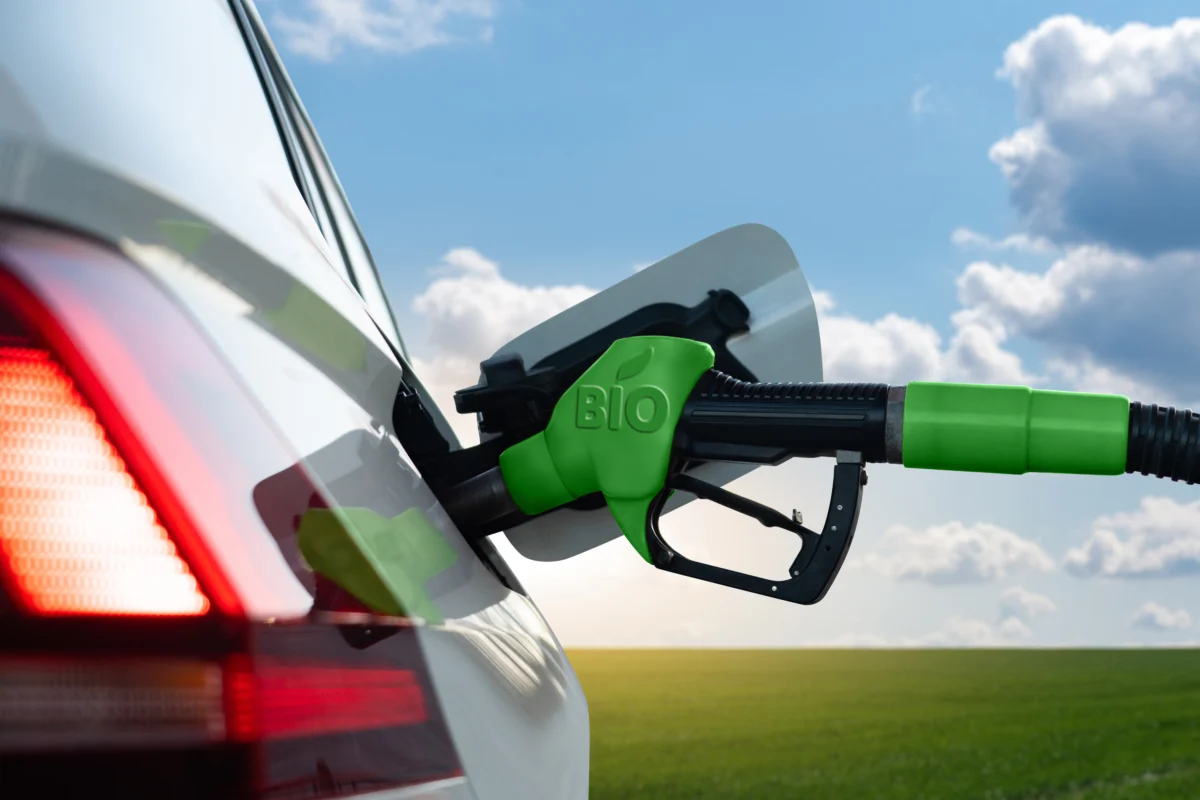
At its core, the E20 proposal involves increasing the bioethanol content in standard gasoline to 20 percent, doubling the current 10 percent limit found in E10 fuel. The "E" designation refers to the maximum percentage of ethanol derived from biomass added to fossil fuel.
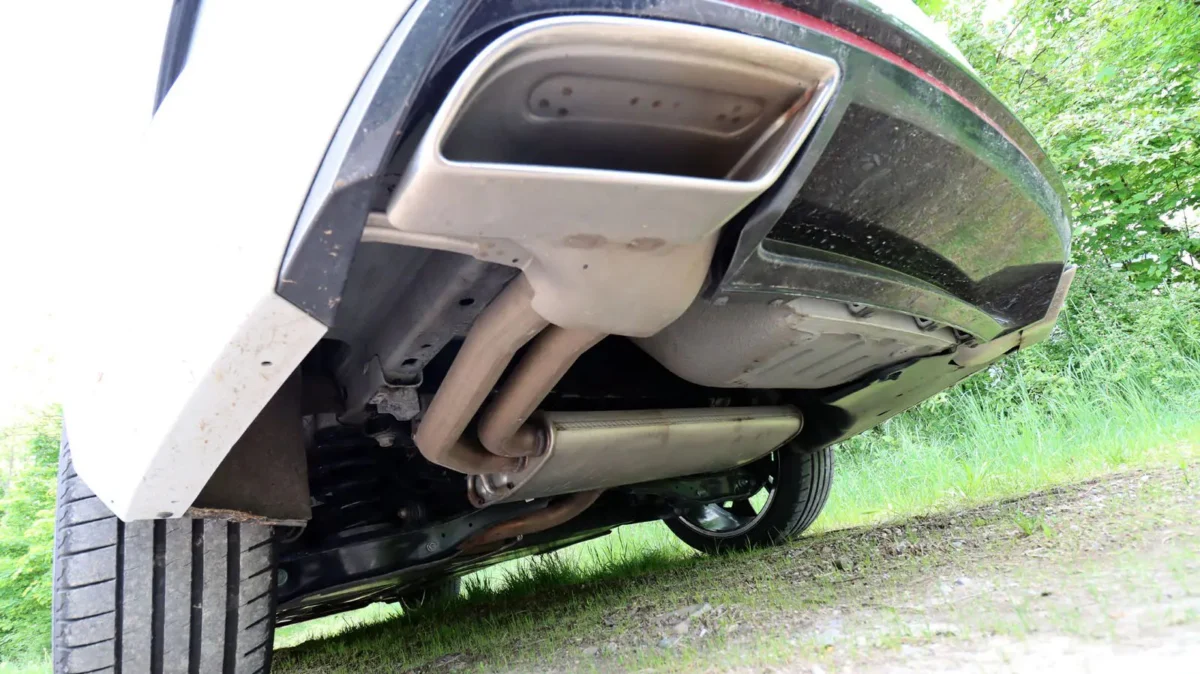
The primary motivation behind this shift is the decarbonization of the existing vehicle fleet. While the automotive industry has poured billions into electric vehicle (EV) development, the vast majority of cars currently on European roads run on internal combustion engines. By introducing higher blends of renewable biofuels, policymakers aim to reduce the net carbon footprint of these millions of vehicles without requiring drivers to replace their cars prematurely.
Technically, the shift faces a regulatory hurdle. The current European quality standard for petrol, DIN EN 228, limits ethanol content to 10 percent. Modifying this standard would be a prerequisite for E20 to appear at public filling stations. While industry experts at the AvD (Automobilclub von Deutschland) suggest that modern vehicles designed for E10 compatibility could handle E20 without significant technical distress, the question remains whether older, legacy vehicles can safely accommodate the higher alcohol content, which can be corrosive to certain seals and fuel system components.
Chronology: A Decade of Policy Shifts
The trajectory of European transport policy has been marked by a constant tug-of-war between aggressive climate targets and the economic realities of the automotive manufacturing sector.
- 2010/2011: Germany introduces E10 fuel amid public resistance and concerns over engine compatibility.
- 2022: EU member states and the European Parliament reach a landmark agreement to effectively ban the sale of new passenger cars with internal combustion engines by 2035, aiming for zero CO2 emissions from new vehicle exhaust pipes.
- December 2025: The European Commission proposes a framework to allow the continued registration of new combustion engines, provided they are powered exclusively by renewable fuels. This marks the beginning of the current intense lobbying phase.
- Present Day: Berlin and Paris formalize a joint position, arguing that a blanket ban is economically and technically shortsighted. The proposal advocates for "technology openness," allowing ICE vehicles to remain in production if they can operate on climate-neutral fuels.
Supporting Data: Testing the Waters
E20 is not a theoretical fantasy. Practical applications are already underway in Germany. In Mannheim, closed fleet testing has been used to gather data on the real-world performance of E20 fuel. These tests are vital for assessing engine longevity and emissions profiles over extended periods.
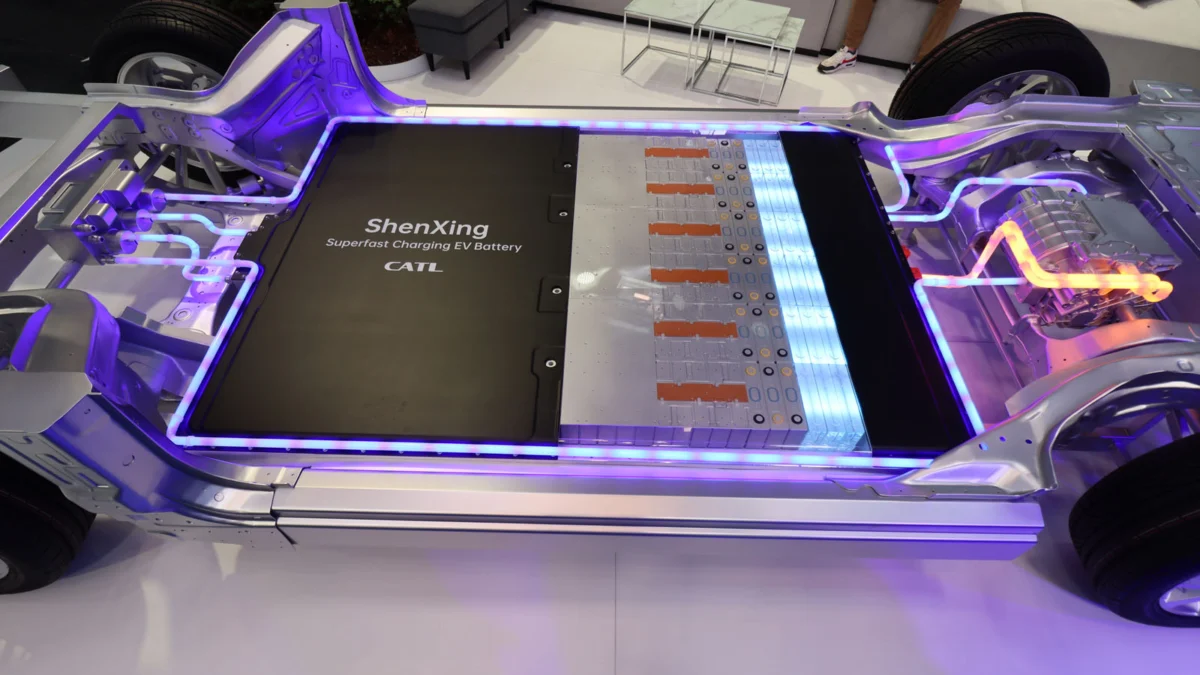
According to data from the German Federal Network Agency (Bundesnetzagentur), the infrastructure for the alternative—electric mobility—is growing, but unevenly. As of September 1, 2026, Germany reported approximately 157,762 normal charging points and 56,572 fast-charging points. While this represents a robust network, Minister Bilger has pointedly noted that other European nations lag significantly behind. For the 2035 ban to be equitable, he argues, the charging infrastructure must be uniform across the continent, a reality that remains distant.
Official Responses: A Divided Industry and Political Landscape
The push to loosen the 2035 ban has elicited a spectrum of reactions from the highest levels of industry and government.
The Government View
Steffen Bilger has framed the original ban as a "mistake" that ignored the potential of renewable fuels. "The Federal Government is delivering what it promised: a correction of the previous course and more technology openness," Bilger stated. He emphasizes that even after 2034, there must be a market for combustion engines that utilize renewable alternatives, which he believes can make a significant contribution to climate goals.
The Automotive Giants
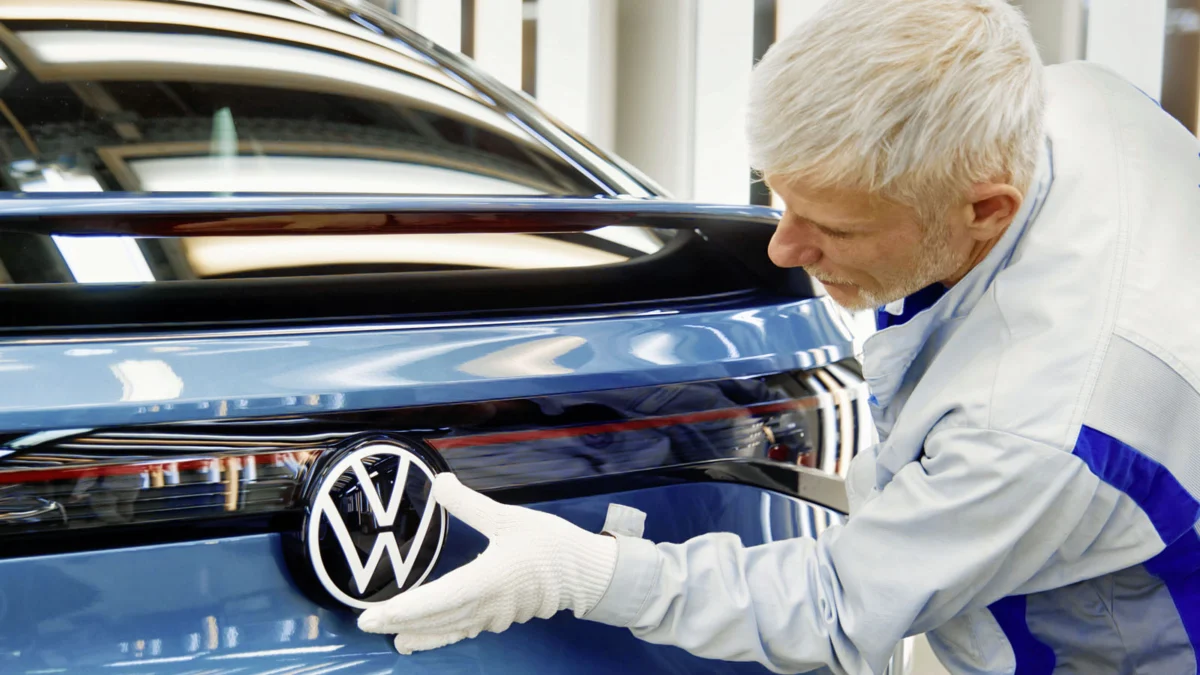
Volkswagen has publicly embraced the Franco-German initiative. A spokesperson for the group described the proposal as a "big success," noting that the flexibility suggested in the CO2 fleet regulation is exactly what the industry needs to maintain stability during the transition to electric mobility. The company views the proposal as a signal that Europe remains a competitive and pragmatic place to do business.
The Industry Critics
Not all industry voices are satisfied. Hildegard Müller, President of the German Association of the Automotive Industry (VDA), expressed caution. While acknowledging the progress, she argues that the current proposal does not go far enough. Müller highlights the specific needs of the commercial vehicle sector, which requires different technical solutions than passenger cars. She warned that further negotiations in the EU Council and Parliament are essential to avoid unintended economic consequences.
The Regional Perspective
Olaf Lies, the Minister-President of Lower Saxony and a member of the Volkswagen supervisory board, offers a nuanced view. He asserts that there is no doubt about the long-term move toward e-mobility. However, he emphasizes the "social and economic imperative" to ensure the industry remains profitable. "The automotive industry must earn money to finance the transformation," Lies noted. He warns that the transition must be managed in a way that ensures job stability, a critical concern for Germany’s industrial heartland.
Implications: What This Means for the Consumer
The move toward E20 and the softening of the 2035 ban have profound implications for the average driver.
- Extended Lifespan for ICE Vehicles: The most immediate impact is the potential to extend the life of combustion engine vehicles. If E20 becomes the new standard, consumers who have invested in relatively new petrol cars will not be forced to switch to electric vehicles as early as previously feared.
- Market Diversity: The focus on "technology openness" suggests that the future market will be hybrid-heavy. Manufacturers may continue to develop highly efficient combustion engines that are optimized for high-ethanol or synthetic fuels, alongside their EV lineups.
- Price and Availability: If the EU adopts the Franco-German proposal, the cost of compliance for automakers will decrease, potentially mitigating some of the price pressure on new car sales. However, the price of fuel itself remains a variable, dependent on the mass production and supply chain scaling of bioethanol.
- Infrastructure Challenges: While the debate centers on the engine, the transition to E20 requires an overhaul of fuel station logistics. Ensuring that all existing cars can handle the blend is a logistical challenge that will likely involve a phased rollout, similar to the introduction of E10.
Conclusion
The German government’s pivot, in tandem with French support, represents a significant recalibration of European climate policy. By moving away from a "one-size-fits-all" ban and toward a strategy that includes high-blend biofuels like E20, policymakers are attempting to reconcile the urgent need for carbon reduction with the industrial and social realities of the European automotive sector.
The road ahead remains complex. With ongoing negotiations in the EU Council and Parliament, the final shape of the 2035 regulations is yet to be determined. However, the message from Berlin is clear: the combustion engine is not yet dead, and the next decade of automotive policy will be defined by the search for a balance between electrification and the continued utilization of renewable liquid fuels. For consumers, this likely means a future characterized by a wider array of technology choices, provided the infrastructure and regulatory frameworks can keep pace with the political ambition.