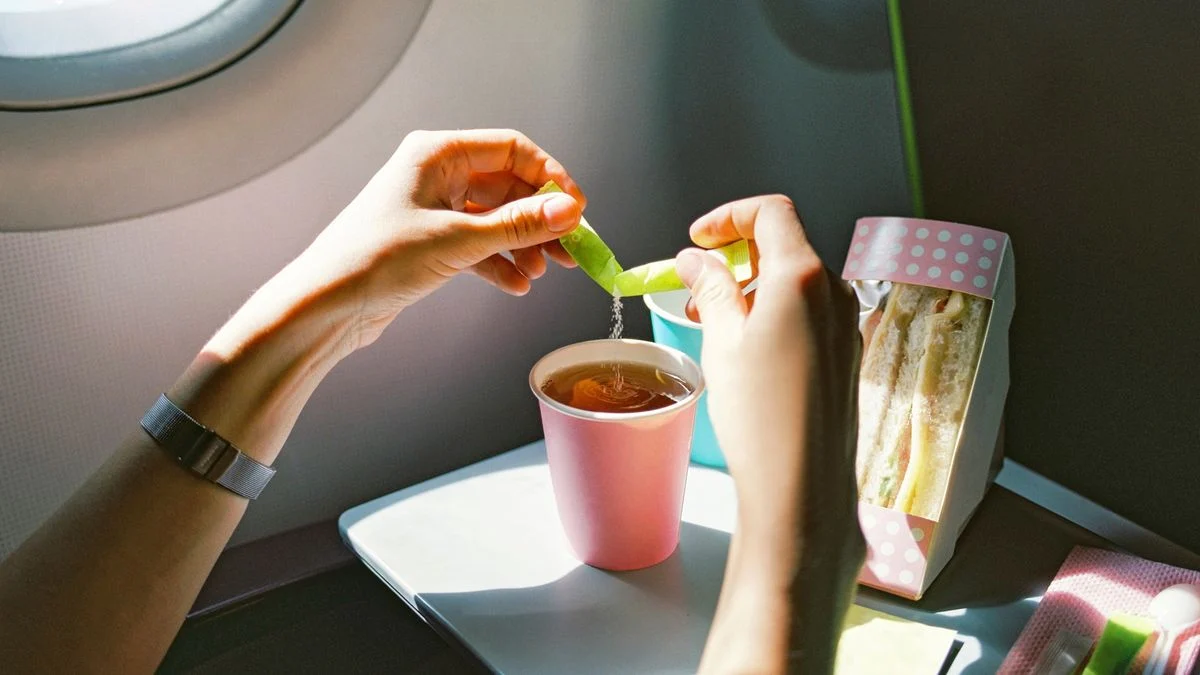
The modern aircraft cabin is a marvel of engineering, designed to transport hundreds of people across continents in a matter of hours. Yet, beneath the recycled air and the hum of jet engines lies a complex ecosystem of microscopic organisms. As air travel has surged to pre-pandemic levels, the question of cabin hygiene has moved from a niche concern of germaphobes to a mainstream public health discussion. From the tray table to the air filtration system, understanding how to protect yourself from bacteria and viruses at 35,000 feet is essential for the modern traveler.
Main Facts: The Reality of the Cabin Environment
It is a common misconception that the air inside an airplane is "stale" or inherently dirty. In reality, modern commercial aircraft utilize High-Efficiency Particulate Air (HEPA) filters, which are capable of capturing 99.97% of airborne particles, including bacteria and viruses. These systems typically refresh the entire cabin air supply every two to three minutes, circulating a mixture of fresh air from outside and filtered air.
However, the primary risk for passengers is not necessarily the air itself, but the surfaces. Aircraft cabins are high-traffic environments where cleaning crews are often under intense pressure to turn over flights in under an hour. Consequently, surfaces that are frequently touched—such as tray tables, seatbelt buckles, armrests, and the latch to the overhead bin—become hotspots for microbial accumulation.
Research suggests that common pathogens, including influenza, norovirus, and various strains of Staphylococcus, can persist on non-porous surfaces like plastic and metal for several days. In the confined space of a cabin, where air humidity is kept low to prevent structural corrosion, respiratory droplets may remain suspended longer than they would in a traditional office environment.
A Chronology of Cabin Hygiene Evolution
The history of cabin hygiene is intrinsically linked to the evolution of aviation technology and global health crises.
- The Early Jet Age (1960s–1980s): During this era, cabin air quality was largely unregulated. Smoking was permitted, and ventilation systems were rudimentary, leading to significant concerns regarding secondhand smoke and general air circulation.
- The HEPA Revolution (1990s): Following increased scrutiny from health organizations and flight attendant unions, airlines began the systematic installation of HEPA filters. This marked the most significant shift in aircraft air quality, effectively neutralizing many airborne contaminants.
- The Post-SARS Era (2003): The SARS outbreak forced the aviation industry to develop formal protocols for managing symptomatic passengers and disinfecting cabins after international flights from affected regions.
- The COVID-19 Pandemic (2020–2022): This period represented the most drastic change in hygiene practices. Airlines implemented "deep cleaning" procedures, including electrostatic spraying of disinfectant, the removal of non-essential amenities like seatback magazines, and, for a time, strict mandates regarding masks and boarding procedures.
- The Modern Era (2023–Present): Today, many airlines have retained elevated hygiene standards, though the industry has largely shifted the responsibility of health protection back onto the individual passenger, emphasizing personal hygiene measures alongside improved aircraft maintenance.
Supporting Data: Understanding Microbial Persistence
Scientific studies have consistently highlighted that the most contaminated areas of an airplane are not where one might expect. A study conducted by the Journal of Environmental Health Research identified the tray table as the single most contaminated surface in the cabin. Because these tables are used for eating, working, and changing diapers, they represent a significant vector for pathogen transmission.
Data from the International Air Transport Association (IATA) indicates that while the risk of infectious disease transmission on an aircraft is statistically lower than in other crowded indoor environments (due to the HEPA filtration and the airflow pattern which directs air from ceiling to floor rather than side-to-side), it is not zero. The risk profile increases significantly during the boarding and deplaning phases, when the ventilation system is often operating at a reduced capacity and passengers are in close proximity.
Furthermore, studies on the survival rate of viruses on aircraft surfaces show:
- Influenza viruses: Can remain infectious on plastic and metal surfaces for up to 48 hours.
- Norovirus: Highly resistant and can survive on surfaces for several days, requiring specific disinfectants for eradication.
- Respiratory droplets: In low-humidity environments (typical of cabins, where humidity is often below 20%), these droplets evaporate faster, leaving behind smaller particles that may travel further.
Official Responses and Industry Standards
Regulatory bodies, including the Federal Aviation Administration (FAA) and the European Union Aviation Safety Agency (EASA), set the standards for cabin air quality. These agencies mandate that aircraft must provide a minimum amount of fresh air per passenger. However, they do not dictate the frequency of "deep cleans" beyond standard regulatory requirements for sanitation.
Airlines have responded by diversifying their hygiene strategies. Major carriers now provide disinfectant wipes upon boarding, encourage digital menu viewing to minimize physical contact with shared materials, and have implemented "touchless" lavatory technology. Most airlines have also updated their crew training to better recognize the symptoms of communicable diseases and manage the isolation of symptomatic passengers if necessary.
Despite these efforts, industry groups emphasize that the primary responsibility for hygiene remains with the passenger. The consensus among medical professionals is that a "layered defense" approach is the most effective strategy for the individual traveler.
Practical Implications: How to Protect Yourself
Protecting one’s health during air travel requires a proactive, evidence-based approach. The following strategies are recommended by infectious disease experts:
1. The Power of Personal Disinfection
Upon reaching your seat, use a high-quality disinfectant wipe (containing at least 70% alcohol) to clean the tray table, armrests, seatbelt buckle, and the seatback entertainment screen. Do not rely on the assumption that the cabin was thoroughly sanitized before your arrival.
2. Strategic Airflow Management
When you reach your seat, open the overhead air nozzle. Aim the flow of air slightly in front of your face. This creates a "curtain" of filtered air that helps push away any contaminated droplets that might be exhaled by a passenger in an adjacent seat, effectively creating a micro-environment of cleaner air.
3. Hydration and Mucosal Health
The low humidity of the cabin dries out the mucous membranes in the nose and throat, which are the body’s first line of defense against pathogens. Staying hydrated is not just for comfort; it ensures these membranes remain functional. Consider using a saline nasal spray periodically during long-haul flights to keep the nasal passages moist.
4. Hand Hygiene
The "touch-your-face" reflex is the most common way viruses enter the system. Carry a travel-sized hand sanitizer with at least 60% alcohol and use it frequently—especially before eating or touching your face. While the temptation to wash hands in the lavatory is high, note that lavatories are high-touch areas; use a paper towel to operate the door handle and faucet whenever possible.
5. Masking in High-Risk Scenarios
While mask mandates have largely been lifted, wearing a high-quality respirator (such as an N95 or FFP2) during boarding and deplaning—when the ventilation systems are often not at full power and passengers are crowded together—remains one of the most effective ways to reduce the risk of inhaling airborne pathogens.
Conclusion: The New Normal of Air Travel
The aviation industry has undoubtedly improved its hygiene standards over the last decade, particularly in the wake of global health challenges. However, the nature of air travel—bringing people from diverse locations into a confined space—will always present inherent health risks.
By understanding the mechanics of cabin air, the persistence of bacteria on surfaces, and the effectiveness of simple, individual protective measures, passengers can significantly reduce their risk. The goal is not to live in fear of the microscopic, but to adopt a pragmatic, "informed traveler" mindset. In the modern age of global mobility, your health is a variable you have the power to control—one wipe, one mask, and one air vent at a time. As the skies remain as busy as ever, a little extra attention to hygiene is the best ticket to a stress-free and healthy arrival.