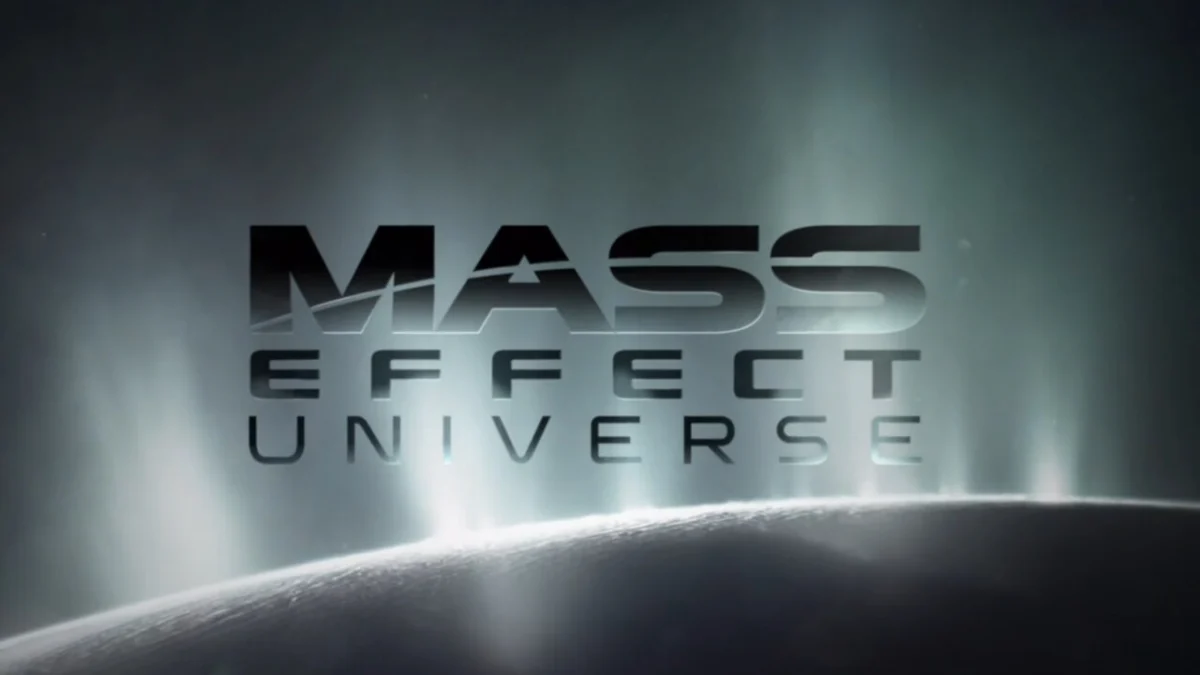
The gaming industry is currently reeling from one of the most significant studio closures in recent history. Following the shock announcement that Electronic Arts (EA) has shuttered BioWare—the legendary studio behind Baldur’s Gate, Dragon Age, and Mass Effect—the future of one of science fiction’s most beloved franchises appeared to have been abruptly erased. However, the emergence of a leaked, authentic trailer for a project titled Mass Effect: Universe has transformed mourning into a fervent, global campaign to save the series.
The Catalyst: A Glimpse into a Lost Future
The trailer, which first surfaced on Reddit, has since been verified as genuine by multiple industry experts, including prominent journalist Jason Schreier and major gaming outlets like IGN. The footage provides a tantalizing look at what was intended to be the next major installment in the saga, internally referred to as Mass Effect 5.
The footage opens with a disclaimer: "The following is in-engine footage from our small team. It is based on our pre-production assets." This humble introduction belies the high-stakes narrative potential contained within the video. The trailer depicts a gritty, atmospheric scene set in a bustling bar, where a new, grizzled veteran protagonist encounters a significantly aged Liara T’Soni.
The sequence quickly escalates into a combat showcase, highlighting a seamless blend of tactical weaponry and the series’ iconic biotics. Beyond the action, the trailer retains the narrative DNA that defined the original trilogy, including a brief, intimate sequence that underscores the franchise’s commitment to character-driven storytelling and romance. For a community that had braced for the permanent end of the Commander Shepard legacy, this trailer served as a visceral reminder of what has been lost.
Chronology of the Collapse
To understand the weight of this leak, one must look at the timeline of BioWare’s final months:
- Pre-Development: Sources close to the project have indicated that Mass Effect: Universe was in the early stages of production, with the team aiming to push the boundaries of player agency and narrative branching.
- The Announcement: EA officially announced the closure of BioWare, citing a restructuring process and a shift in corporate strategy. The news sent shockwaves through the industry, as the studio was widely regarded as the cornerstone of Western RPG development.
- The Leak: Within days of the closure, the Mass Effect: Universe trailer appeared online. Initially met with skepticism, it was quickly validated by insiders, proving that a substantial vision for the game existed behind closed doors.
- The Reaction: Fans transitioned from the initial shock of the studio’s death to a state of collective grief and anger, as the leaked footage demonstrated that the team had been working on a project that many considered "promising" and "high-quality."
Behind the Scenes: The "What Could Have Been"
The frustration of the fanbase is mirrored by the sentiments of former BioWare developers. In the wake of the closure, several staff members broke their silence, describing the project as a labor of love that was poised to redefine the genre.
Speaking to industry outlets, former writers and designers noted that Mass Effect: Universe was intended to be "something special." The project aimed to offer a level of player autonomy and decision-making complexity that no other title had achieved to date. While these statements are inherently subjective, they highlight a disconnect between the creative team’s passion and the corporate mandates that ultimately led to the studio’s demise.
The developers expressed a profound sense of injustice, arguing that the project was not just another sequel, but a sophisticated evolution of the Mass Effect universe. For these developers, the cancellation was not merely a loss of employment, but the premature burial of a narrative achievement that was years in the making.
The Battle for the Franchise: A Global Petition
The response from the community has been both rapid and organized. A petition, titled "Save Mass Effect," has gained significant traction on Change.org, serving as the focal point for the collective outcry of the fanbase.
The petition’s manifesto is clear:
"The potential discontinuation of new developments in this universe is a devastating prospect—not just for the fans, but for the diversity of narrative-driven games as a whole. We are urgently appealing to EA to act decisively and commit to the continued development of Mass Effect."
At the time of writing, the petition has surpassed 17,000 signatures. While online petitions are often dismissed as symbolic gestures, the sheer volume of support in such a short window underscores the cultural capital still held by the Mass Effect brand. It is a testament to the emotional bond players formed with the series over the last two decades.
Implications for the Gaming Industry
The closure of BioWare and the subsequent leak of Mass Effect: Universe raises critical questions about the current state of the gaming industry. It highlights a recurring pattern where AAA studios—the architects of our most beloved digital worlds—are dismantled in favor of short-term financial gains or corporate consolidation.
The Erosion of Narrative-Driven RPGs
The loss of a project that prioritized "player agency" is a blow to the RPG genre. As the industry shifts toward live-service models and multiplayer-focused experiences, the single-player, narrative-heavy RPG is increasingly treated as a risky investment. The Mass Effect series was a pioneer in this space, demonstrating that deep, branching storytelling could be a global, multi-million dollar success. Its potential death marks a decline in the variety of experiences available to consumers.
Corporate Transparency and "Leaked" Assets
The release of the trailer also speaks to the growing trend of "leaks" as a form of protest. By releasing internal assets, developers and stakeholders are effectively bypassing corporate PR channels to show the world the quality of the work that was discarded. This creates a PR crisis for EA, as they must now contend with a community that has seen the proof of a project’s viability, making the decision to cancel it seem even more egregious.
The Power of the Fanbase
While it is unlikely that EA will reverse its decision based on a petition alone, the movement signifies a turning point in fan engagement. Communities are no longer passive consumers; they are archivists and advocates. When a franchise with the history of Mass Effect is threatened, the community’s ability to mobilize and demand accountability is a force that major publishers can no longer ignore.
Conclusion: A Universe in Limbo
As of now, EA remains silent on the specific future of the Mass Effect IP, leaving the status of the Universe project in a state of suspended animation. The trailer has provided a fleeting, beautiful, and ultimately heartbreaking look at what could have been the next chapter for Liara T’Soni and the galaxy at large.
Whether the pressure from the Save Mass Effect movement will force a pivot in EA’s strategy remains to be seen. However, one thing is certain: the legacy of BioWare and the Mass Effect universe is too significant to be relegated to the history books without a fight. For now, the fans wait—not just for a game, but for a sign that the stories they cherished for years still have a place in the future of the industry. The "Universe" that was promised may be trapped in a pre-production vacuum, but the demand for its completion is louder than ever.