The delicate relationship between open-source emulator developers and hardware manufacturers has hit a critical breaking point. The development team behind Azahar, a prominent Nintendo 3DS emulator, has officially announced that it will cease all support for hardware manufactured by the Chinese retro-gaming specialist Anbernic. This decision, effective immediately, stems from the manufacturer’s unauthorized use of a modified, piracy-centric fork of the emulator, marketed under the name "Azahar Plus," to showcase its upcoming dual-screen handheld, the RG DDS.
For the emulation community, this move represents more than a mere technical disagreement; it highlights the escalating tension between the legitimate pursuit of software preservation and the commercialization of copyright-infringing hardware.
The Trigger: Unauthorized Forking and "Azahar Plus"
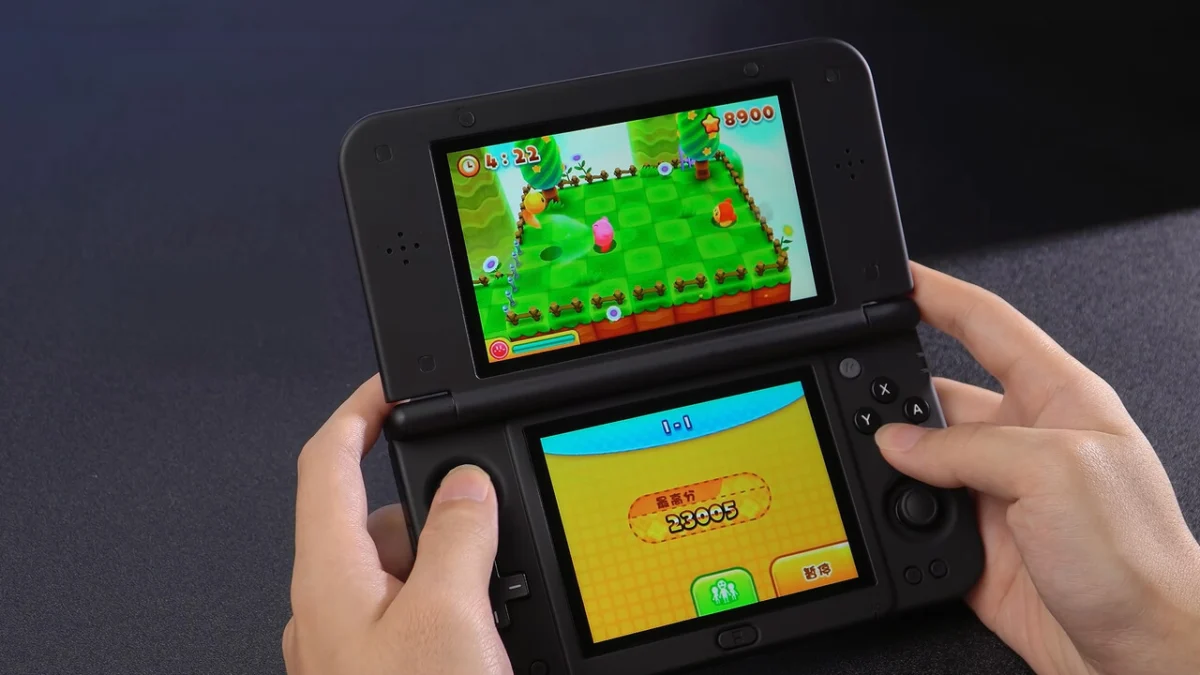
The conflict was ignited by a promotional video released by Anbernic ahead of the December 10 launch of the RG DDS. The device, which draws heavy design inspiration from the Nintendo 3DS, was shown running 3DS software using an unofficial modification of the Azahar engine.
The Azahar developers were quick to respond, explicitly distancing themselves from the software version displayed in the trailer. They characterized "Azahar Plus" as an unauthorized derivative designed specifically to facilitate piracy, rather than a contribution to the open-source community. For the original creators, this is a matter of integrity. By bundling a modified version of the code, Anbernic risks associating the legitimate Azahar project with the legal vulnerabilities often inherent in piracy-focused software suites.
As a direct consequence, the Azahar team has implemented a "blacklist" policy. Not only will the RG DDS receive no optimization or support, but the team has also declared that it will no longer investigate or patch issues related to any hardware manufactured by Anbernic. They have advised users who prioritize stable, official software support to look toward alternative manufacturers.
A Chronology of Conflict
The roots of this fallout extend beyond a single marketing video. To understand the gravity of the situation, one must look at the recent history of 3DS emulation:
- Early 2024: Nintendo’s legal machinery successfully forced the discontinuation of Citra, the industry-standard 3DS emulator. The closure sent shockwaves through the scene, leading to the emergence of successor projects like Azahar.
- Late 2024: As the market for dual-screen retro handhelds surged, manufacturers like Anbernic began looking for software solutions to support their hardware.
- December 2024: Anbernic unveiled the RG DDS. In their marketing materials, the company showcased the device running 3DS titles. It was soon discovered that the underlying software was a proprietary, pirated fork of Azahar.
- Post-Announcement: The Azahar team conducted internal deliberations, ultimately deciding that the risk of association with "Azahar Plus" was too great. The official announcement of the support cut-off followed shortly thereafter.
The Shadow of Legal Precedent
The sensitivity of the Azahar team is understandable given the legal climate surrounding Nintendo-related emulation. Nintendo has established a zero-tolerance policy toward the replication of its proprietary systems. The developers behind Azahar are acutely aware that their project exists in a precarious legal gray area.
If the public—or, more importantly, Nintendo’s legal counsel—perceives that Azahar is collaborating with hardware manufacturers to distribute piracy-ready software, the project could become the next target for a cease-and-desist order. By publicly cutting ties with Anbernic, the Azahar team is engaging in a defensive maneuver, attempting to decouple their open-source mission from the commercial practices of hardware distributors.
Anbernic Under Scrutiny: The ESA and the "Notorious Markets" List
The timing of this fallout is catastrophic for Anbernic. Beyond the spat with the emulation community, the manufacturer is currently facing formal accusations of intellectual property theft on a global scale.
The Entertainment Software Association (ESA), the trade body representing the US video game industry, has petitioned the Office of the United States Trade Representative (USTR) to include Anbernic on the "Notorious Markets List." This list identifies entities that engage in or facilitate substantial copyright piracy and trademark counterfeiting.

Key Points of the ESA Complaint:
- Bundled Piracy: The ESA points to the common practice of shipping Anbernic handhelds with SD cards pre-loaded with thousands of copyrighted titles.
- Commercial Scale: The association argues that these devices are not "blank hardware" but are marketed specifically for their ability to run pirated software out of the box, constituting large-scale commercial infringement.
- Market Distortion: The ESA contends that such devices undermine legitimate digital storefronts and game developers, justifying potential import bans or stricter customs enforcement in the United States.
While the USTR has yet to finalize sanctions, the inclusion of Anbernic in this dialogue marks a significant escalation in regulatory pressure. Similar pressures have previously resulted in widespread seizures, such as the 12,000 units confiscated by Italian authorities in previous years.
Implications for the Handheld Market
The fallout between Azahar and Anbernic carries profound implications for the future of the retro-gaming market.
1. The Death of "Pre-loaded" Hardware
For years, the "value add" of many Chinese handhelds has been the inclusion of massive, pre-loaded game libraries. As regulatory bodies like the ESA ramp up their efforts, manufacturers may be forced to pivot to a "blank hardware" model, where devices are sold without any pre-installed software. While this benefits legal compliance, it creates a steep barrier to entry for casual users who relied on these "all-in-one" packages.
2. Fragmentation of Emulation Projects
We are likely to see an increase in "forking." As legitimate developers distance themselves from hardware makers, the manufacturers will likely continue to hire independent developers to modify existing open-source code for their hardware. This creates a fragmented ecosystem where "Official" builds (supported by developers) and "Factory" builds (pre-installed on devices) diverge, leading to confusion for end-users and security risks for those running unvetted, modified code.
3. The Chilling Effect on Innovation
The fear of litigation is driving developers to be increasingly restrictive. The Azahar team’s decision to ban support for an entire brand is a defensive mechanism that, while logical, limits the utility of their software for legitimate users who happen to own Anbernic hardware. This could lead to a decline in community-driven support for specific hardware platforms, forcing manufacturers to develop their own software stacks from scratch—a costly and often inefficient process.
Official Responses and Future Outlook
To date, Anbernic has remained largely silent regarding the specific accusations of "piracy-oriented software" and the loss of Azahar support. On their official channels, the focus remains on the hardware specifications of the RG DDS.
For the consumer, the situation serves as a stark reminder of the complexities of the retro-gaming hobby. Purchasing hardware from manufacturers that rely on unauthorized software modifications carries inherent risks—not only regarding the legality of the included content but also the longevity of software support.
As the industry moves toward 2025, the relationship between hardware manufacturers and software developers will remain a point of friction. The Azahar team has set a clear boundary: they are stewards of an emulation project, not accomplices to commercial piracy. Whether Anbernic will adjust its business model to align with these community standards or continue down its current path remains to be seen. However, one thing is certain: the era of "no-questions-asked" pre-loaded handhelds is facing its most significant challenge to date.
Conclusion: A Turning Point for Preservation
The resignation of the Azahar team from the Anbernic ecosystem is a microcosm of a larger battle for the soul of game preservation. The goal of emulation is to ensure that software remains accessible long after the original hardware has failed. By polluting this ecosystem with unauthorized, piracy-focused forks, manufacturers jeopardize the very community they depend on to make their hardware functional.
Moving forward, both consumers and manufacturers must grapple with the reality that software developers are no longer willing to turn a blind eye to commercial exploitation. The "Azahar incident" is likely the first of many, as the industry moves toward a more regulated and contentious future. For those interested in the preservation of classic titles, the message is clear: legitimate software support requires a commitment to ethical standards that manufacturers like Anbernic have yet to prove they possess.