The Volkswagen Group, one of the world’s largest automotive manufacturers, is currently navigating a significant logistical challenge following a massive global recall affecting millions of its vehicles. The recall, which stems from a potential safety risk involving the steering assembly, has highlighted the complexities of modern automotive supply chains. Owners of various models across the VW, Audi, and Seat brands may now be required to visit their workshops twice due to an acute shortage of specific replacement components.
The Core Issue: Corrosion Compromising Steering Integrity
At the heart of the recall is a technical defect involving the steering assembly. According to internal reports from the Volkswagen Group, a specific fastening bolt used to secure the steering mechanism is susceptible to corrosion over time.
The degradation process is accelerated by environmental factors, most notably the prolonged exposure to road salt, which is commonly used in colder climates during winter months. As the corrosion progresses, it can potentially weaken the structural integrity of the steering attachment. While the manufacturer maintains that the issue is primarily a preventative measure, the implications of a failing steering component are severe, potentially leading to a loss of vehicle control.
Volkswagen has confirmed that, to date, there have been no reports of accidents, personal injuries, or significant property damage related to this specific technical defect. The recall is categorized as a safety-related preventive measure aimed at mitigating risks before they manifest in real-world driving scenarios.
Logistical Challenges: The "Two-Visit" Dilemma
Perhaps the most frustrating aspect for consumers is the manufacturer’s admission that the supply of the "correct" replacement bolt is currently insufficient to meet the massive demand triggered by the recall. To prevent thousands of vehicles from sitting idle at repair centers or being turned away, Volkswagen has authorized a "pragmatic approach."
Internal documents leaked to the German press reveal that dealerships have been instructed to use an interim, alternative bolt to ensure that vehicles can be returned to their owners safely and quickly. However, this is not a permanent fix. Because the interim bolt does not meet the exact long-term specifications required to fully resolve the corrosion risk, these vehicles will have to be brought back into the workshop a second time once the adequate supply of the standard-compliant bolts becomes available.
A Volkswagen spokesperson defended this strategy, labeling it a "sensible approach." By installing the interim part, the company prevents a complete stoppage of the repair process and ensures that owners are not left without transportation. Nevertheless, the situation has sparked criticism regarding the manufacturer’s supply chain planning, as a recall of this magnitude requires precise coordination between production, inventory management, and dealership capacity.
The Scope of the Recall: A Global Impact
The scale of the operation is vast. According to the German Federal Motor Transport Authority (KBA), the recall affects approximately 950,000 vehicles in Germany alone. On a global scale, the numbers are even more staggering, with the Volkswagen Group estimating that roughly 2.1 million vehicles are affected across its various brands.
Affected Brands and Models
The recall spans multiple popular models manufactured over the last decade, reflecting the breadth of the affected production batches.
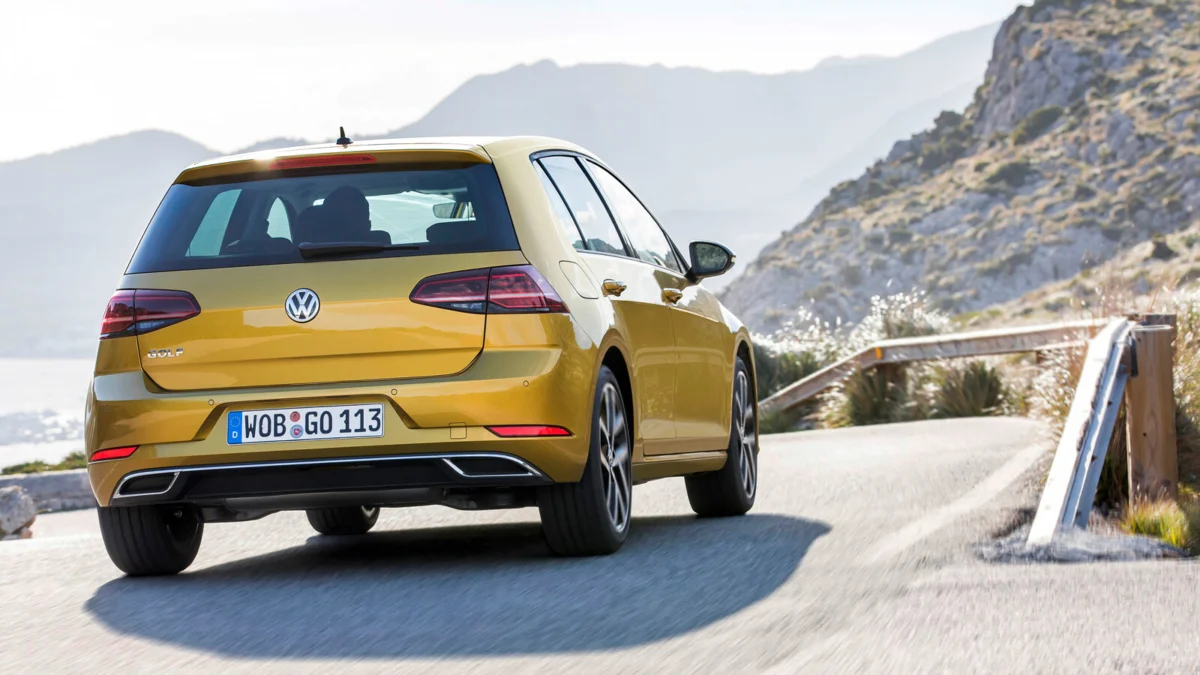
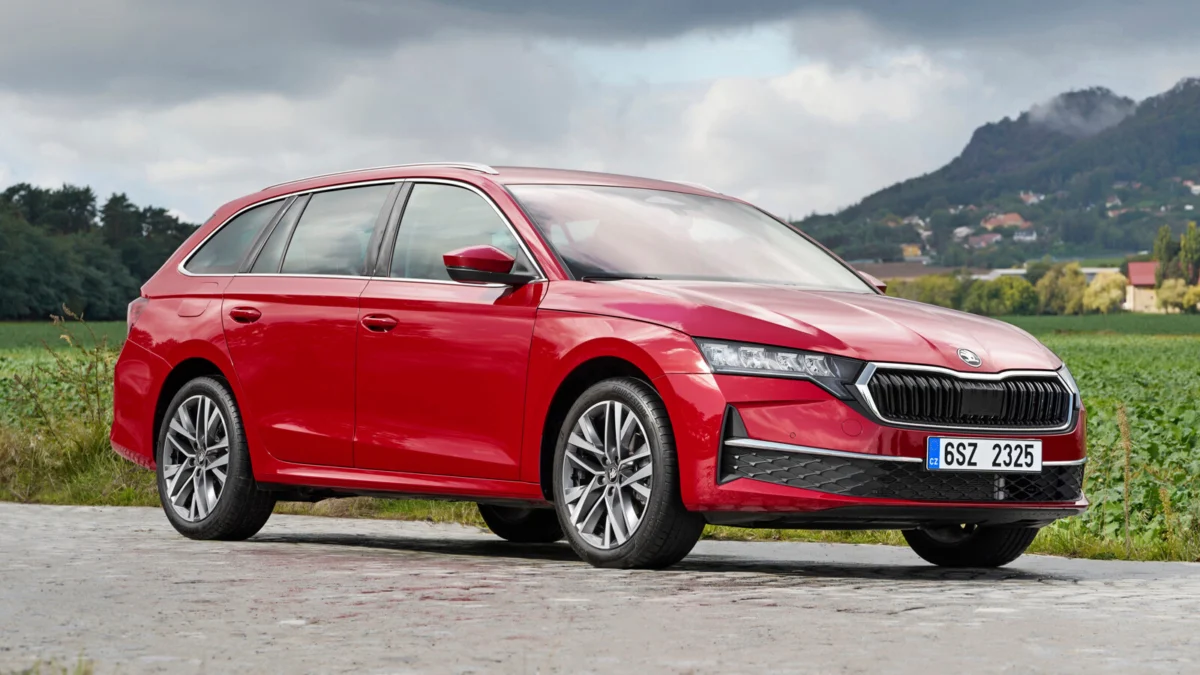
- Volkswagen: The affected models include the Tiguan, Touran, Golf Variant, Golf Sportsvan, and Caddy. These vehicles were produced between September 2013 and July 2024. In Germany, the recall involves 895,000 Volkswagen-branded vehicles.
- Audi: The premium Q3 model is the primary focus for the Audi brand. Specifically, vehicles produced between October 2017 and May 2024 are subject to the recall. The KBA reports that nearly 700,000 Audi vehicles are potentially affected globally, with approximately 58,500 of those located in Germany.
- Seat: The Spanish subsidiary of the VW Group is also involved, with the Ateca and Tarraco models produced between April 2016 and September 2024 being identified as having the same steering defect. While the exact number of affected Seat vehicles has not been disclosed, it adds a significant volume to the total global figure.
Chronology of the Action
The discovery of the defect did not occur overnight. It was the result of the Volkswagen Group’s internal quality assurance protocols, which involve ongoing performance monitoring and stress testing of various components.
- Detection: During internal testing, engineers identified that the specific bolt was failing under extreme simulated conditions, specifically mimicking years of exposure to salt and moisture.
- Assessment: The technical department assessed the failure rate and the severity of the potential risk. Once the threshold for a formal safety recall was met, the company began coordinating with regulators, including the KBA in Germany.
- Notification: The recall was officially initiated to ensure owners were notified. Dealerships were provided with repair instructions, though the shortage of the primary component necessitated the "two-visit" workaround.
- Implementation: Workshops began the process of contacting customers. The actual repair process is relatively brief, estimated to take up to one hour per vehicle, but the sheer volume of cars requiring attention is putting a strain on service departments across the network.
Official Responses and Customer Guidance
Volkswagen and its subsidiary brands have been proactive in communicating that the recall is a safety precaution. Audi, for instance, has emphasized the lack of previous incidents, attempting to reassure customers that the issue is being caught well before it leads to a catastrophic failure.
For affected customers, the process generally follows a standardized procedure:
- Customer Notification: Owners will be notified via mail. Additionally, the KBA maintains a database where vehicle owners can check their Vehicle Identification Number (VIN) to see if their car is part of an active recall.
- Appointment Scheduling: Once notified, owners are encouraged to contact their local authorized service partner.
- Repair Execution: During the initial visit, technicians will inspect the steering assembly. If the primary bolt is unavailable, the interim component will be installed. Customers will then be contacted again once the correct, permanent bolt is in stock to complete the final stage of the repair.
Industry Implications: Supply Chain Fragility
The situation highlights a broader issue facing the automotive industry: the extreme fragility of the global supply chain. The fact that a manufacturer as large as Volkswagen cannot immediately source a simple, albeit specialized, fastener suggests that even basic components are subject to production bottlenecks.
The automotive sector is currently transitioning through a period of massive electrification and digitization, which often diverts resources away from legacy mechanical components. However, this recall serves as a reminder that the "basics"—such as steering, braking, and structural integrity—remain the backbone of vehicle safety. When a supply chain fails to provide even a simple bolt, the consequences ripple through the entire organization, affecting millions of customers and straining the reputation of the brand.
Furthermore, the "two-visit" approach raises questions about the cost and efficiency of the recall. The additional labor hours required to perform the same repair twice significantly increases the cost of the recall campaign for Volkswagen. Beyond the financial impact, it risks damaging consumer confidence. Modern car buyers expect seamless maintenance experiences; being told that their vehicle requires a "temporary" fix that will necessitate a follow-up appointment is likely to be viewed as an inconvenience, particularly for those who rely on their vehicles for daily commuting.
Conclusion
The Volkswagen steering bolt recall is a masterclass in the logistical hurdles inherent in managing a global automotive fleet. While the safety risk is being managed through proactive intervention and transparent communication with regulatory authorities, the reliance on a two-step repair process underscores the challenges of maintaining quality control in an era of globalized manufacturing.
As the Volkswagen Group moves forward with this massive operation, the focus will remain on ensuring that every affected vehicle is ultimately equipped with the correct, permanent components. For the affected owners, the advice remains clear: respond to the manufacturer’s notification, schedule the appointment, and remain aware of the need for the follow-up visit. While the situation is undoubtedly inconvenient, it serves as a critical checkpoint in the life cycle of these vehicles, ensuring they remain safe for the road.