


Madrid, Spain – In a move signaling solidarity and a reaffirmation of Spanish sovereignty, King Felipe VI and Queen Letizia of Spain undertook a historic visit to the North African enclave of Ceuta on October 13, 2026. This marks the first royal visit to the territory in nearly two decades, a significant gesture following a period of intense migration and strain on the region. The visit, carefully orchestrated and steeped in symbolism, aimed to bolster the morale of Ceuta’s approximately 85,000 residents and project an image of unwavering state support.
The Spectacle of a Royal Welcome
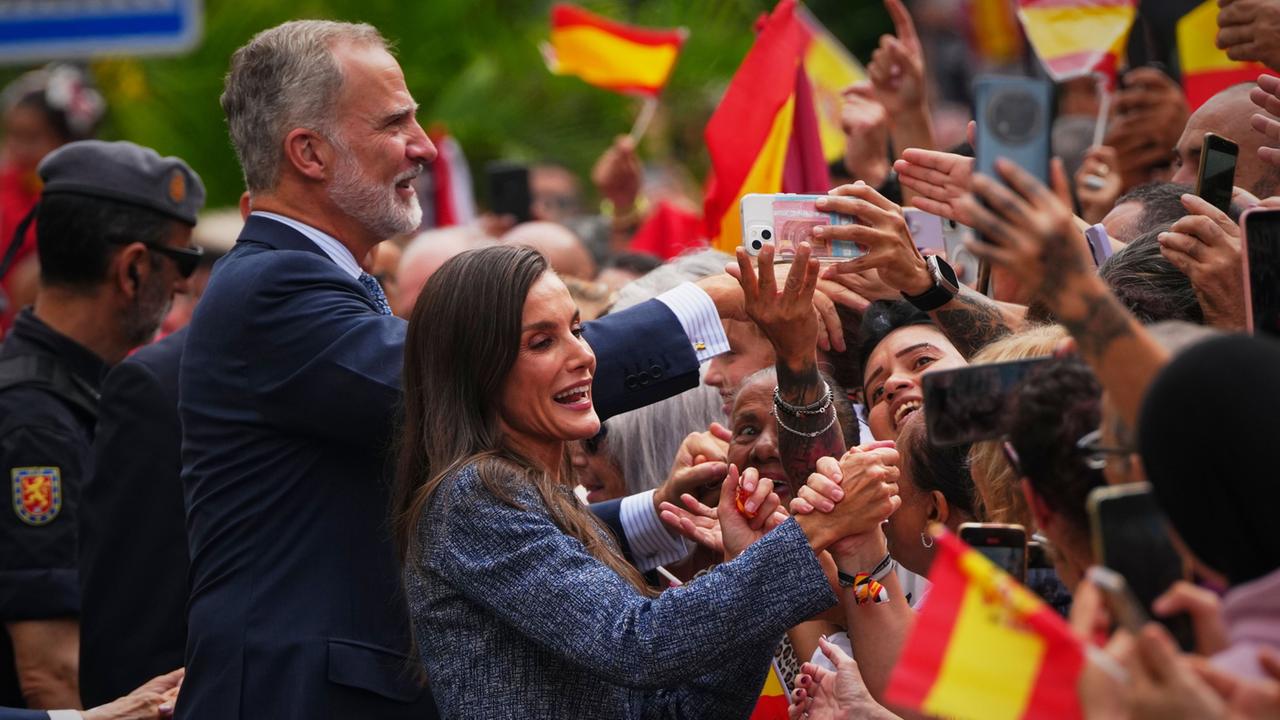
Upon their arrival, King Felipe VI and Queen Letizia were met with an effusive reception from the local population. Thousands lined the streets, their cheers of "Felipe, Felipe!" and "Viva España!" echoing through the city. Many donned T-shirts bearing the defiant slogan, "Ceuta is not for sale. Ceuta must be defended," underscoring the deep-seated anxieties and patriotic fervor that have characterized the enclave in recent months. For nearly twenty minutes, the royal couple engaged with the jubilant crowds, a tangible display of connection and shared national identity.
This public embrace, however, stands in stark contrast to the more somber realities that have recently unfolded in Ceuta. The visit, while a moment of celebration for many, occurs in the shadow of a significant migration crisis that tested the resilience of the enclave and strained Spain’s relationship with Morocco.
A Chronology of Crisis and Response
The circumstances necessitating this royal visit are rooted in the unprecedented influx of migrants from Morocco in late July 2026. Over a period of two days, an estimated 80,000 individuals, by various accounts, managed to cross the border into the Spanish enclave. These crossings were achieved through a combination of overland routes and by swimming the short, perilous strait separating Ceuta from the African mainland.
The human cost of this surge was devastating. Official reports indicate that over 80 lives were lost during the crossings, though aid organizations suggest the actual death toll may be higher. The sheer scale of the event overwhelmed local resources and infrastructure, creating a humanitarian crisis that reverberated across Spain and Europe.
Following the initial surge, a significant number of the migrants who successfully reached Ceuta were eventually repatriated to Morocco. However, a considerable contingent, numbering in the thousands, remained in the enclave, highlighting the ongoing challenges of managing irregular migration and the complex geopolitical dynamics at play.
The Aftermath: Sanitization and Symbolism
In the days leading up to the royal visit, a concerted effort was made to "clean up" the visible remnants of the migrant crisis. Cleanup crews and police were deployed to the beaches, clearing away the makeshift encampments where migrants had been living for weeks under extremely difficult conditions. Those individuals who had remained in these precarious settlements were relocated to reception centers, a move aimed at presenting a more orderly facade to the visiting monarchs.
The official itinerary of King Felipe VI and Queen Letizia deliberately skirted direct engagement with the physical manifestations of the migration crisis. There were no scheduled visits to the beaches that had recently housed thousands of desperate individuals, nor to the reception centers where they were temporarily housed. The program, beyond a solemn interfaith memorial service for those who perished during the crossings, was largely devoid of any direct engagement with the migration issue itself. Instead, the royal schedule featured more conventional engagements, including a reception at the city hall and a visit to a local school.
This strategic omission of direct engagement with the migrant issue underscores the primary purpose of the visit: to serve as a powerful symbol of Spain’s enduring claim to Ceuta and Melilla, and to project a unified national front in the face of external pressures from Morocco.
Official Responses and Political Undercurrents
The royal visit was coordinated closely with the administration of Prime Minister Pedro Sánchez. Sánchez had publicly pledged that Ceuta must feel "more than ever supported by the State," a statement intended to reassure residents and acknowledge the immense pressure placed upon the enclave.
The migration crisis had ignited significant domestic political fallout for Sánchez’s government. Large-scale demonstrations erupted across Spain, with protestors vociferously criticizing the government’s migration policies. Accusations were leveled that Sánchez had adopted a policy of appeasement towards Morocco and had provided insufficient assistance to Ceuta. The government’s handling of the crisis became a focal point of internal political debate, amplifying existing tensions and demanding a visible demonstration of commitment.
The visit of the King and Queen serves as a powerful affirmation of the Spanish government’s stance. By sending the head of state and his consort, Madrid is sending an unequivocal message of its unwavering commitment to the territorial integrity of Ceuta and Melilla, territories that are also claimed by Morocco. This visit is designed to project strength and resolve, both domestically and internationally, in the face of a protracted and complex border dispute.
Broader Implications: Geopolitics and National Identity
The strategic importance of Ceuta and Melilla cannot be overstated. These two Spanish enclaves, situated on the northern coast of Africa, represent a tangible manifestation of Spain’s historical presence and territorial claims in the region. Their proximity to Morocco has long been a source of friction, and the recent migration crisis has exacerbated these underlying tensions.
The July 2026 border crisis was not merely a humanitarian event; it was a significant geopolitical flashpoint. It exposed the fragility of the Spain-Morocco relationship, which had already been strained by differing approaches to the Western Sahara conflict. The influx of migrants was widely perceived, particularly by Spain, as a tactic employed by Morocco to exert pressure on Madrid.
King Felipe VI’s visit to Ceuta, and his planned subsequent visit to the second Spanish enclave, Melilla, on Wednesday, October 15, 2026, are therefore imbued with significant symbolic weight. They are intended to:
- Reaffirm Spanish Sovereignty: The presence of the monarchy in these contested territories serves as a potent reminder of Spain’s historical and legal claims, projecting an image of unshakeable national resolve.
- Boost Local Morale: For the residents of Ceuta, who have endured significant hardship and uncertainty, the royal visit offers a much-needed sense of reassurance and validation. It signals that they are not forgotten and that their concerns are being addressed at the highest level.
- Project Stability: In a region prone to volatility, the royal visit aims to project an image of stability and control, both to the local population and to the international community.
- Strengthen Domestic Unity: By undertaking this high-profile visit, the King and Queen are also playing a role in fostering national unity and reinforcing a shared sense of Spanish identity, particularly in the face of external challenges.
The visit of King Felipe VI and Queen Letizia to Ceuta is more than just a ceremonial event; it is a carefully calibrated diplomatic and symbolic act. It seeks to address the immediate aftermath of a profound crisis, reassure a vulnerable population, and, perhaps most importantly, assert Spain’s enduring presence and sovereignty in a strategically vital and geopolitically sensitive region. The lingering questions surrounding migration and the complex relationship with Morocco ensure that the echoes of this royal visit will resonate for some time to come.


