Escalating Conflict: Deadly Russian Strikes Ravage Ukrainian Cities as International Talks Continue
By [Your Name/News Agency Name]
October 10, 2026, 18:05 CET (Updated)
Miami, USA & Zaporizhzhia, Ukraine – Amidst ongoing international discussions in Miami aimed at charting a path toward peace and bolstering Ukraine’s defense capabilities, Russia has intensified its offensive operations, unleashing a wave of deadly attacks across Ukraine. The southern city of Zaporizhzhia bore the brunt of the latest onslaught, with reports indicating at least 20 fatalities, including three minors, and numerous injuries. The capital, Kyiv, also experienced significant damage and widespread power outages following coordinated drone and ballistic missile strikes.
These escalating hostilities underscore the brutal reality of the protracted conflict, even as diplomatic efforts strive to find a resolution. The dual narrative of relentless Russian aggression and persistent international engagement paints a grim picture of the current state of the war.
Deadly Barrage on Zaporizhzhia Claims Civilian Lives
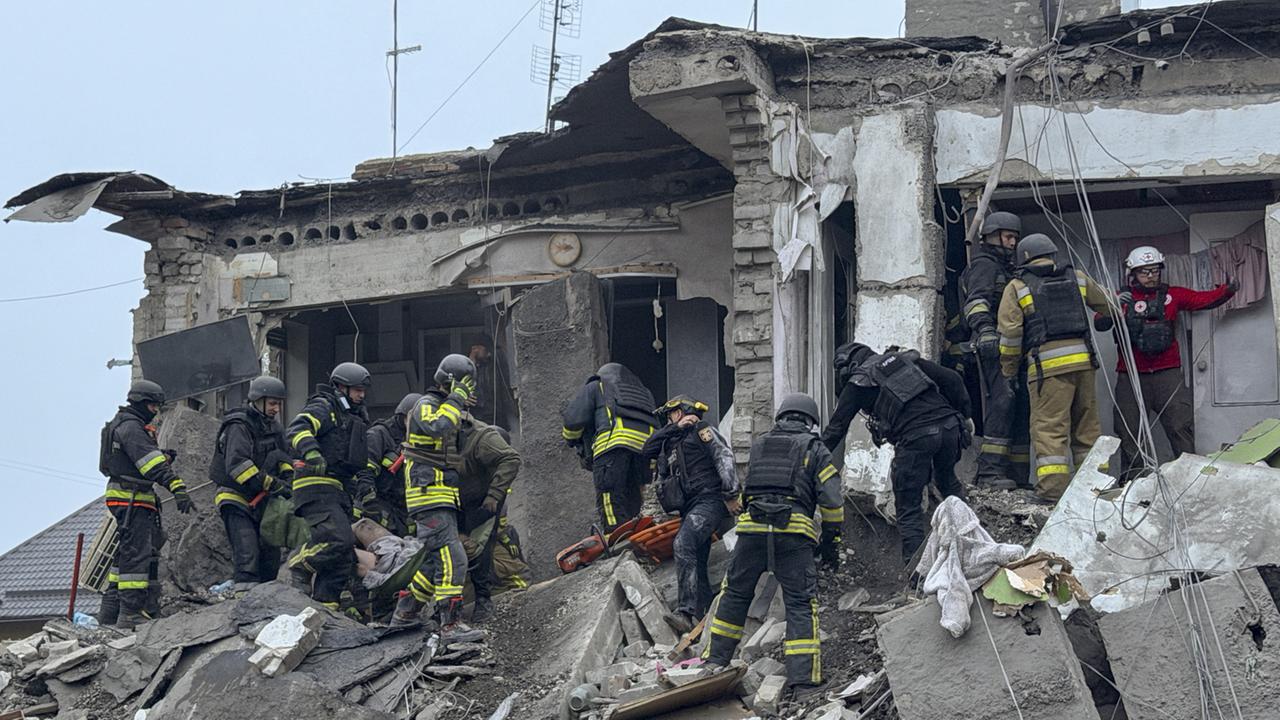
Early Saturday morning, the city of Zaporizhzhia, situated a mere handful of kilometers from the front lines, was subjected to a brutal assault. According to local police reports, Russia deployed five guided bombs, targeting residential areas. The impact was devastating, with at least two apartment buildings sustaining direct hits and significant structural damage.
The Ukrainian State Emergency Service confirmed the tragic loss of life, stating that a minimum of 20 individuals perished in the attack. The confirmed death toll included three children, highlighting the indiscriminate nature of the Russian strikes. In addition to the fatalities, 18 people were reported injured, and the search and rescue operations are ongoing, raising fears that the number of casualties could rise.
The Zaporizhzhia region has been a frequent target of Russian attacks due to its strategic proximity to the conflict zone. Its civilian infrastructure and residential areas have repeatedly been subjected to shelling and missile strikes, creating a climate of constant fear and insecurity for its inhabitants.
Kyiv Hit Again: Infrastructure Damaged, Power Outages Widespread
The capital city of Kyiv was not spared in this latest escalation. Reports indicate that the city and its surrounding region were targeted by drones and ballistic missiles overnight. Mayor Vitali Klitschko reported on the Telegram platform that a restaurant was among the structures hit, resulting in six injuries, five of whom required hospitalization.
The attacks also severely impacted critical infrastructure, leading to significant disruptions in the water supply. The national power grid operator, Ukrenergo, announced that a substantial portion of consumers in Kyiv and its suburbs were left without electricity due to the Russian drone attacks. DTEK, a private energy company, also confirmed widespread emergency power outages on Telegram, signaling the extensive damage inflicted upon the energy sector.
These attacks on civilian infrastructure are a recurring tactic employed by Russia, aimed at demoralizing the Ukrainian population and undermining their ability to withstand the prolonged conflict, particularly as the colder months approach.
A Broader Pattern of Attacks: 13 Regions Targeted
The assaults on Zaporizhzhia and Kyiv appear to be part of a wider coordinated offensive. The German news agency dpa reported that a total of 13 Ukrainian regions were targeted overnight, resulting in damage to residential buildings, infrastructure, and railway facilities. This broad geographical reach of the attacks suggests a deliberate strategy to inflict widespread disruption and sow chaos across Ukraine.
Note on Reporting: Verifying Conflict Information
It is important to acknowledge the inherent challenges in independently verifying information related to the ongoing conflict. Official statements from both the Russian and Ukrainian parties involved in the war regarding battlefield developments, shelling incidents, and casualty figures cannot always be immediately corroborated by independent sources amidst the active hostilities.
Russia Claims Massive Drone Incursions into its Territory
In a counter-narrative, the Russian Ministry of Defense claimed that its own territory was subjected to a massive drone offensive overnight, with at least 560 drones allegedly launched by the Ukrainian military. According to their reports, two ships were damaged in the city of Azov.
The governor of the southern Russian region of Rostov, Yury Slyusar, also reported on Telegram that his region was a target of these alleged Ukrainian attacks. He stated that the incidents resulted in several fires, damage to residential buildings, and a railway bridge. These claims by Russia highlight the reciprocal nature of the aerial attacks, though the scale and impact of Ukrainian strikes on Russian territory remain subject to independent verification.
International Diplomacy Continues in Miami Amidst Escalation
While the skies over Ukraine burned, diplomatic efforts to de-escalate and find a peaceful resolution continued in Miami, USA. The second day of consultations aimed at discussing further support for Ukraine and pathways to ending the Russian war of aggression commenced.
The US delegation included Special Envoy Steve Witkoff, Jared Kushner (son-in-law of former US President Donald Trump), and representatives from the National Security Council and the Treasury Department. A European delegation also traveled to Miami to participate in these crucial discussions.
Following the initial round of talks on Friday, Witkoff described the deliberations as "constructive" in a post on the social media platform X. Key topics reportedly included measures to prepare Ukraine for the approaching winter, with a particular focus on strengthening energy infrastructure, which has been a persistent target of Russian military operations.
Zelenskyy Condemns Trump’s Deal on Russian Diesel Deliveries
Adding a layer of international political complexity, Ukrainian President Volodymyr Zelenskyy voiced strong criticism regarding an announcement made by former US President Donald Trump concerning Russian diesel deliveries. Trump revealed a deal he claims to have brokered with Kremlin leader Vladimir Putin, which would see Russia supply over 300,000 tons of diesel for the US and the global market.
President Zelenskyy accused the US administration of effectively investing in the Russian war effort through such arrangements, thereby enabling Moscow to sustain its aggression. This statement highlights the potential for diverging international perspectives on how to exert pressure on Russia and the implications of certain economic deals on the ongoing conflict.
Historical Context and Emerging Trends
The current escalation follows a period of intense fighting and a prolonged Ukrainian counteroffensive that has seen incremental gains but has not achieved a decisive breakthrough. Russia’s strategy of targeting critical infrastructure, particularly energy facilities, has become a hallmark of its campaign, aiming to cripple Ukraine’s resilience and its capacity to wage war.
The ongoing international discussions in Miami reflect a broader global effort to coordinate support for Ukraine and to explore diplomatic avenues. However, the persistent and often brutal nature of the Russian attacks serves as a stark reminder of the immense challenges that lie ahead. The reported reciprocal drone attacks also indicate a widening scope of the conflict, with both sides seeking to project their capabilities and inflict damage on the other.
The controversy surrounding the diesel deal underscores the complex geopolitical landscape and the varied approaches taken by international actors in dealing with Russia. For Ukraine, such developments are viewed with deep concern, as they potentially undermine efforts to isolate Russia economically and to pressure it into ending the conflict.
Implications for the Future
The recent attacks have profound implications for the immediate future of the conflict. The targeting of civilian areas and infrastructure demonstrates a continued disregard for international humanitarian law and exacerbates the suffering of the Ukrainian population. The widespread power outages will undoubtedly impact daily life and the functioning of essential services, especially as winter approaches.
For Ukraine, the continued reliance on international military and financial aid remains paramount. The discussions in Miami, while offering a glimmer of hope for continued support, also highlight the complexities of international diplomacy in a deeply fractured global environment.
The reciprocal drone attacks also suggest an evolving nature of warfare, with both sides increasingly utilizing unmanned aerial systems for reconnaissance and attack. This trend could lead to further proliferation of such technologies and new challenges in air defense and security.
The international community faces the arduous task of balancing diplomatic engagement with the imperative to hold Russia accountable for its actions. The coming weeks and months will be critical in determining whether the ongoing diplomatic efforts can translate into a tangible de-escalation of hostilities and a sustainable peace process, or if the cycle of violence will continue to engulf the region. The resilience of the Ukrainian people, coupled with unwavering international support, will be crucial in navigating this challenging period.