Kyiv, Ukraine – October 12, 2026 – The ongoing conflict between Russia and Ukraine has entered a new, critical phase, with Russia intensifying its assaults on Ukraine’s vital energy infrastructure. This escalation comes amidst a flurry of diplomatic pronouncements, most notably an "energy ceasefire" declared by U.S. President Donald Trump, which appears to have been met with continued aggression from Moscow, drawing sharp criticism from Ukrainian President Volodymyr Zelenskyy. The attacks, characterized by drone and glide bomb strikes, have inflicted significant damage on power generation facilities and the national grid, raising serious concerns about Ukraine’s ability to withstand the approaching winter.
The Premise of an "Energy Ceasefire": A Diplomatic Gamble or Wishful Thinking?
On Sunday, U.S. President Donald Trump took to his social media platform, Truth Social, to announce what he termed an "energy ceasefire" between Russia and Ukraine. Trump stated, "Effective immediately, an ‘energy ceasefire’ is in effect in the war between Russia and Ukraine. Both sides have agreed." This declaration, however, was swiftly contradicted by the reality on the ground.
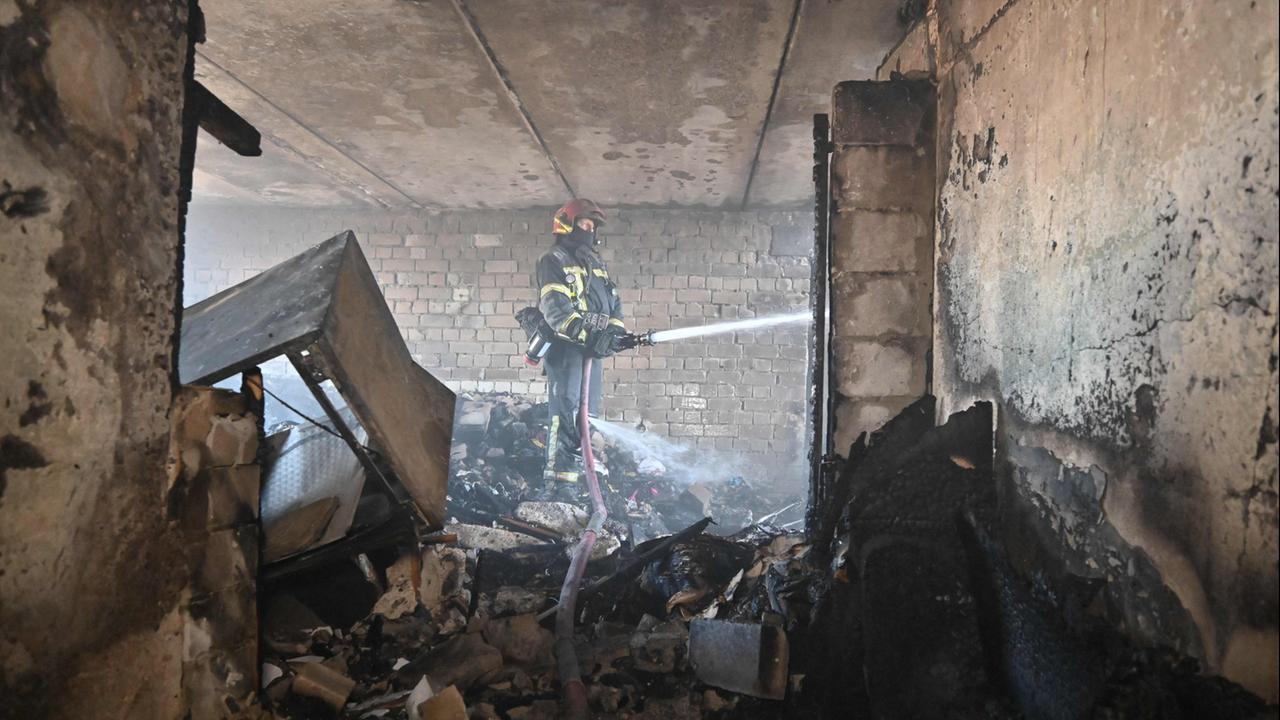
Within approximately an hour of Trump’s announcement, at around 6:15 PM local time, explosions rocked the northeastern Ukrainian city of Kharkiv. Russia launched a renewed barrage of drone and glide bomb attacks, targeting critical infrastructure. One of the primary targets was the city’s second-largest thermal power plant, a facility crucial for providing heating and electricity to the region. The attack resulted in significant damage, further exacerbating the strain on Ukraine’s energy network.
Ukrainian President Volodymyr Zelenskyy, speaking remotely from the ongoing security forum in Warsaw, expressed his skepticism regarding the effectiveness of Trump’s declaration. "It was clear that Putin does not read Truth Social," Zelenskyy remarked, highlighting the stark disconnect between the U.S. President’s pronouncements and Russia’s actions. He alluded to Trump’s supposed ceasefire, emphasizing that Moscow’s aggression remained undiminished.
Selenskyy’s Stance: Open to Dialogue, Firm on Defense
Despite the apparent disregard for Trump’s "energy ceasefire," President Zelenskyy acknowledged the potential significance of the U.S. President’s message. He articulated that Russia is actively weaponizing the winter, systematically targeting Ukrainian power plants and the electricity grid on a daily basis. The consequences of these attacks have been palpable, with several regions experiencing temporary power outages in recent days. In some districts of Kyiv, streetcar services were forced to halt due to the disruptions.
President Zelenskyy reiterated Ukraine’s openness to an energy ceasefire. He recalled previous offers made by Kyiv to cease attacks on Russian oil refineries, contingent on Russia refraining from targeting Ukrainian energy facilities. "If Russia does not agree to an energy ceasefire this winter, we will respond," Zelenskyy declared, signaling Ukraine’s resolve to defend its infrastructure and its people.
Trump’s Electoral Calculus: A Campaign Tactic in Disguise?
President Trump’s announcement of the energy ceasefire followed a series of controversial statements and actions concerning the Russian invasion of Ukraine. Observers widely interpret these moves as a deliberate electoral tactic, aimed at appealing to a domestic audience increasingly concerned about soaring fuel prices ahead of the crucial U.S. midterm elections in November.
Earlier, Trump had announced a diesel deal between the United States and Russia, purportedly brokered after a conversation with Russian leader Vladimir Putin. According to this deal, the U.S. would purportedly ease sanctions to allow Russia to initially supply 300,000 tons of diesel, with further deliveries anticipated. However, the impact of such a relatively small quantity of diesel on global prices is expected to be negligible, leading many to question the true motivations behind the announcement.
Following criticism from President Zelenskyy regarding this diesel agreement, Trump escalated his rhetoric, calling on the Ukrainian people to elect a new president. He blamed Zelenskyy for the global surge in fuel prices, baselessly claiming that Ukraine’s attacks on Russian oil refineries were contributing to diesel shortages. This assertion conveniently overlooks the primary drivers of the price hikes, which were largely attributed to the conflict in Iran, initiated by the U.S. and Israel in February.
It is important to note that Ukrainian presidential elections, scheduled for 2024, are currently suspended under martial law due to the ongoing conflict. A significant majority of Ukrainians, according to opinion polls, continue to support this postponement, believing that elections should be held only after a reasonable cessation of hostilities. A survey by the Kyiv International Institute of Sociology indicated that 71 percent of respondents believe elections should take place after the war concludes.
Zelenskyy’s Critique of the Diesel Deal: A Sign of American Weakness?
President Zelenskyy did not mince words in his criticism of the U.S.-Russia diesel agreement. "Any easing of sanctions without a clear agreement on de-escalation is a sign of weakness," he stated shortly after the deal’s announcement. Zelenskyy argued that purchasing Russian diesel effectively finances Moscow’s war of aggression against Ukraine.
However, independent experts cast doubt on Russia’s capacity to fulfill the announced diesel export volumes. The ongoing Ukrainian strikes on Russian oil refineries have created domestic shortages, forcing Russia to import diesel itself. This situation further complicates the narrative and suggests that the perceived "deal" may not yield the intended outcomes for Russia.
A Grim Reality: Russian Attacks Continue Unabated
The stark contrast between diplomatic pronouncements and the brutal reality of the conflict was underscored by Russia’s renewed attacks on Ukrainian cities shortly after the U.S.-Russia agreement was revealed. On Saturday, Russia unleashed glide bombs on the city of Zaporizhzhia, striking multiple residential buildings. The attack resulted in the tragic deaths of 23 people, including four children.
President Zelenskyy commented on this devastating attack, stating, "Russia thanked us for the easing of sanctions and diesel exports." His words starkly highlighted the perceived cynicism and brutality of Russia’s actions, suggesting that any perceived concessions are met with intensified aggression.
Historical Context: The Evolving Energy War
The current attacks on Ukraine’s energy infrastructure are not an isolated incident but a continuation of a strategy Russia has employed throughout the full-scale invasion. As winter approaches, the Kremlin has historically sought to leverage energy as a weapon, aiming to break the morale of the Ukrainian population and pressure Western allies to reduce their support for Kyiv.
Chronology of Escalation:
- February 24, 2022: Russia launches its full-scale invasion of Ukraine, with initial attacks targeting critical infrastructure across the country.
- Winter 2022-2023: Russia initiates a systematic campaign of missile and drone strikes against Ukraine’s energy grid, causing widespread blackouts and severe disruptions.
- Spring/Summer 2023: A period of relative calm on the energy front, with Ukraine focusing on repairs and reinforcing its defenses. However, sporadic attacks continue.
- Late Summer/Early Autumn 2023: Russia intensifies its aerial bombardment of Ukrainian cities and energy facilities, particularly in the east and south.
- October 2023: President Trump announces an "energy ceasefire," which is immediately contradicted by Russian attacks on Kharkiv and other cities. Ukraine’s energy infrastructure suffers significant damage, including to the second-largest thermal power plant in Kharkiv. Simultaneously, Russia continues its missile and drone attacks on cities like Zaporizhzhia, resulting in civilian casualties.
Supporting Data and Observations:
- Damage to Infrastructure: Ukrainian authorities report continuous damage to power substations, thermal power plants, and transmission lines. The precise scale of the damage is still being assessed but is estimated to be substantial.
- Impact on Daily Life: Widespread power outages have affected heating, water supply, and communication networks. The functioning of public transportation, such as trams in Kyiv, has been disrupted.
- Winter Preparedness: Ukraine’s energy sector has been working tirelessly to repair and reinforce infrastructure, stockpiling fuel and equipment. However, the sustained nature of the Russian attacks presents an unprecedented challenge.
- Economic Repercussions: The attacks have severe economic consequences, disrupting industrial production, agriculture, and essential services. The cost of repairs and reconstruction is mounting.
Official Responses and International Reactions:
- Ukrainian Government: President Zelenskyy has consistently condemned Russia’s attacks, appealing for increased air defense capabilities from international partners. He has also expressed Ukraine’s willingness to engage in dialogue for an energy ceasefire under specific conditions.
- United States: President Trump’s pronouncements have been met with a mixed reception. While some may see them as an attempt to de-escalate, the lack of coordination with Ukrainian and potentially even U.S. defense and intelligence agencies raises concerns. The Biden administration has historically provided significant military and financial aid to Ukraine, including advanced air defense systems.
- European Union: The EU has strongly condemned Russia’s attacks on civilian infrastructure and has implemented extensive sanctions against Russia. Member states have provided substantial humanitarian and military assistance to Ukraine.
- NATO: The North Atlantic Treaty Organization has reiterated its unwavering support for Ukraine’s sovereignty and territorial integrity, while emphasizing its commitment to avoiding direct military confrontation with Russia. NATO allies continue to supply Ukraine with advanced weaponry and training.
Implications for the Future:
The current trajectory of the conflict points towards a prolonged struggle, with Russia seemingly determined to inflict maximum damage on Ukraine’s civilian infrastructure. The effectiveness of international support, particularly in providing advanced air defense systems, will be crucial in mitigating the impact of these attacks.
The political maneuvering surrounding the conflict, as exemplified by President Trump’s statements, adds another layer of complexity. It highlights the potential for external political agendas to intersect with the ongoing humanitarian crisis.
As winter looms, the resilience of Ukraine’s energy sector and the unwavering support of its international partners will be tested. The ability of Ukraine to maintain essential services for its population while simultaneously defending itself against relentless attacks will be a defining factor in the coming months. The "energy war" is not merely about electricity and heat; it is a battle for the very survival and future of Ukraine.