Brussels, Belgium – October 12, 2026 – In a decisive move to intensify pressure on the Kremlin, the European Union today enacted its most extensive individual sanctions package since the commencement of Russia’s full-scale invasion of Ukraine over four years ago. The sweeping measures, targeting 1,600 individuals and organizations, represent a significant escalation in the EU’s economic warfare strategy against Moscow, aiming to cripple its war machine and undermine its capacity to sustain the ongoing conflict.
While the timing was not explicitly planned as a direct response, the EU’s significant sanctions announcement arrives shortly after controversial reports of the United States easing some of its sanctions on Russia, following alleged discussions between President Donald Trump and Kremlin leader Vladimir Putin. This divergence in approach underscores a growing transatlantic rift on Russia policy and positions the EU as a steadfast proponent of sustained pressure.
A Unified Stance Amidst Shifting Alliances
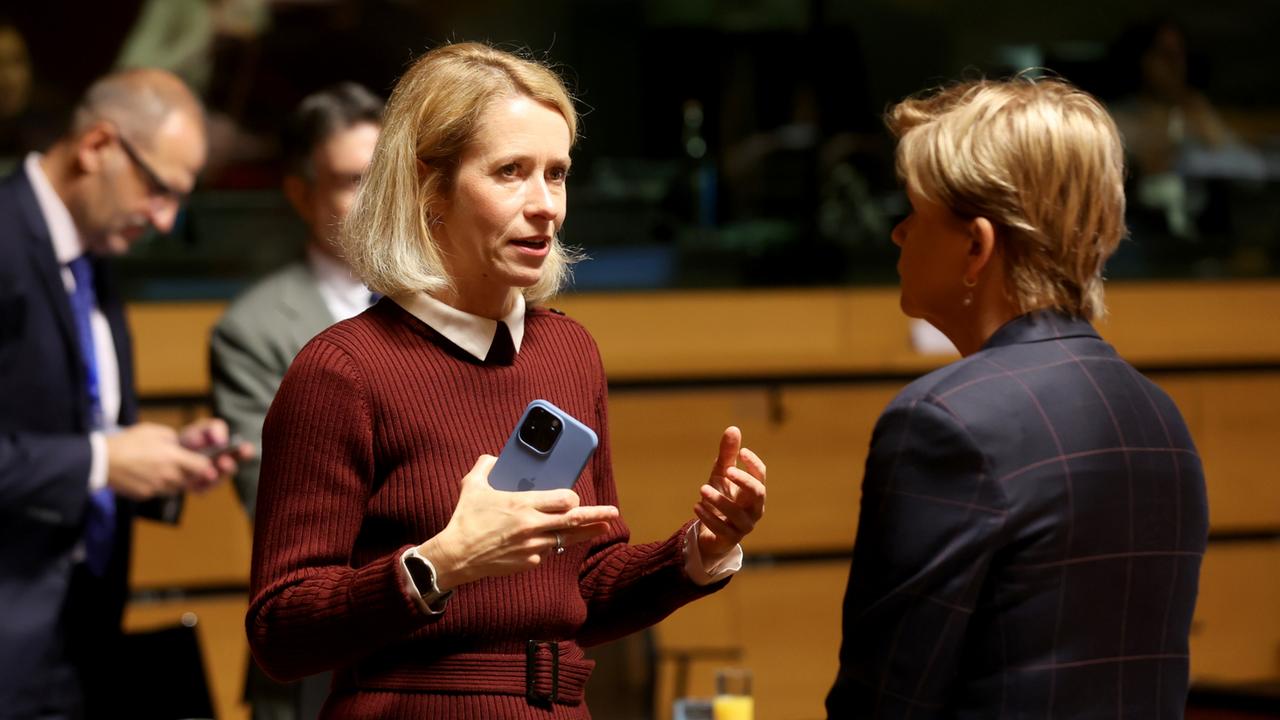
"We are steadfastly continuing on our path," declared Kaja Kallas, the EU’s High Representative for Foreign Affairs and Security Policy, her voice resolute. "We are adding 1,600 entries to the sanctions list. Because one thing is clear: only ever stronger pressure on Russia will yield results." Kallas’s statement highlights the EU’s commitment to its existing strategy, even as geopolitical winds appear to be shifting elsewhere. The decision to implement such a substantial package demonstrates a unified resolve among EU member states to maintain a robust front against Russian aggression.
The meticulously compiled list, published today in the EU’s Official Journal, spans an impressive 984 pages and details the specific justifications for each sanctioned entity. This comprehensive approach aims to ensure the maximum impact and minimize avenues for circumvention.
Main Facts: A Historic Sanctions Blitz
The core of today’s announcement is the addition of 1,600 individuals and organizations to the EU’s sanctions roster. This represents a dramatic increase compared to previous sanctions rounds. The primary objective is to dismantle Russia’s military-industrial complex, severing its access to critical components and technologies necessary for its ongoing war efforts in Ukraine. The sanctions include travel bans and asset freezes for all designated individuals and entities.
Chronology: A Long-Planned Escalation
This significant sanctions package is not an eleventh-hour reaction but rather the culmination of months of meticulous planning and deliberation among EU member states. The process involved extensive intelligence gathering, legal reviews, and diplomatic negotiations to ensure the broadest possible consensus and the most effective design of the measures.
- Pre-Invasion Preparations: Even before the full-scale invasion, the EU had established frameworks for imposing sanctions in response to Russian aggression.
- Phased Escalation: Following the invasion, the EU progressively implemented sanctions, targeting key individuals, sectors of the economy, and financial institutions.
- Targeted Intelligence Gathering: Over the past year, intelligence agencies across the EU have been working to identify entities crucial to Russia’s military production, particularly those involved in the development and deployment of advanced weaponry.
- Strategic Deliberation: The recent geopolitical shifts, including reports of potential US policy changes, are understood to have added a sense of urgency to finalize and implement the EU’s robust response.
- Today’s Announcement: The official publication of the 984-page list marks the activation of these extensive sanctions.
Supporting Data: Deconstructing the Sanctions
The newly sanctioned individuals and organizations fall into several key categories, with a strong emphasis on disrupting Russia’s war-making capabilities:
- Military-Industrial Complex: A significant portion of the new entries directly targets entities involved in the production of military hardware. This includes:
- Ballistic Missile Production: Approximately half of the new designations are linked to the manufacturing of ballistic missiles, weapons that Russia has been deploying with increasing frequency against Ukrainian civilian targets. Kallas explicitly stated that these missiles are used to "kill Ukrainian civilians every day."
- Drone and Aircraft Components: Numerous companies supplying crucial components for modern Russian drones and aircraft are now under sanctions. These components include radar devices, antennas, transmitters, explosives, ammunition, and optical and navigation systems. The disruption of these supply chains is expected to hinder Russia’s ability to produce and deploy advanced aerial systems.
- War Crimes and Collaboration: 77 individuals have been sanctioned for their alleged involvement in organizing or participating in sham elections in Russian-occupied regions of Ukraine. This move underscores the EU’s condemnation of Russia’s attempts to legitimize its illegal annexation of Ukrainian territories.
- North Korean Involvement: Seven North Korean individuals have also been placed on the sanctions list. Their inclusion signifies the EU’s acknowledgment of North Korea’s role in supporting Russia’s war effort, likely through the provision of military equipment or personnel. This broadens the scope of the sanctions beyond Russia’s direct military apparatus.
The cumulative effect of these measures is substantial. With the addition of these 1,600 entries, the total number of sanctioned individuals and organizations linked to Russia now stands at approximately 4,500. This is in addition to the 21 comprehensive sanctions packages previously enacted by the EU.
Official Responses: A Message of Unwavering Resolve
The pronouncements from EU officials underscore the strategic intent behind this significant sanctions expansion.
Kaja Kallas, EU High Representative for Foreign Affairs and Security Policy:
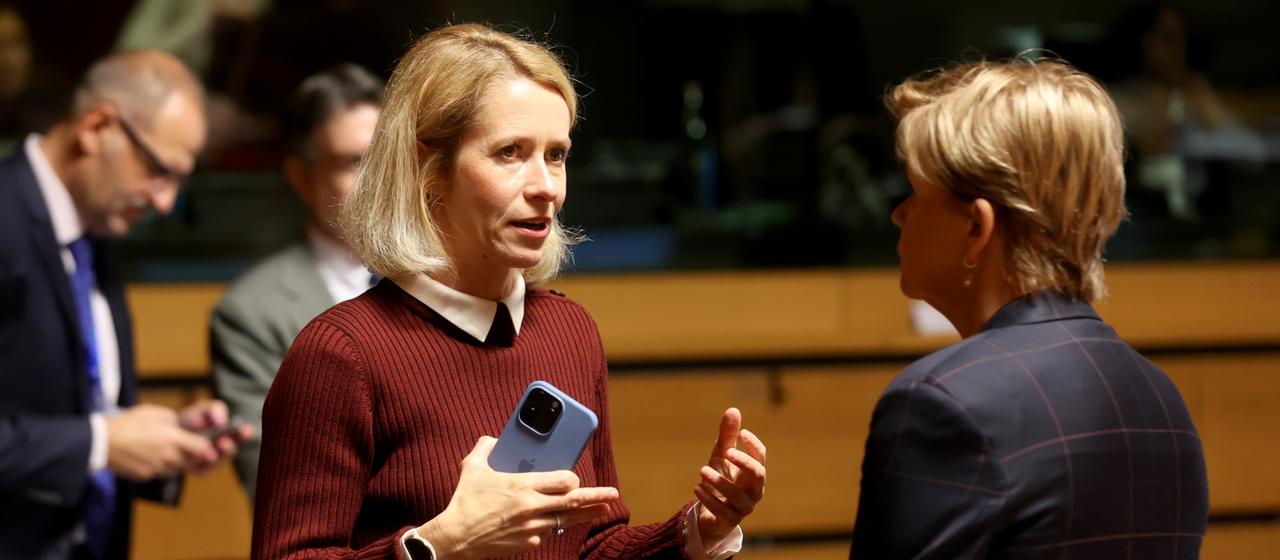
"We are steadfastly continuing on our path. We are adding 1,600 entries to the sanctions list. Because one thing is clear: only ever stronger pressure on Russia will yield results." Kallas emphasized that the sanctions are designed to inflict tangible economic pain, estimating that they have cost Russia "a trillion euros" that can no longer be channeled into funding the war. She also highlighted the EU’s efforts to counter Russia’s "shadow fleet" of oil tankers used to circumvent price caps, stating that these measures "considerably hinder Russia’s efforts to finance this war." Kallas acknowledged Russia’s attempts to circumvent sanctions but stressed the EU’s adaptive and rapid response mechanisms.
Gunther Krichbaum, European Affairs Minister (representing the German Foreign Minister):
Krichbaum, attending the meeting in Luxembourg on behalf of Foreign Minister Johann Wadephul, articulated the direct impact of the sanctions. "Every euro, every dollar that flows into Russia’s coffers through energy purchases is used to produce and deploy new weapons against Ukraine," he stated. "In that regard, we are taking a different path." This statement directly contrasts with any perceived appeasement or relaxation of economic pressure, framing the EU’s actions as a distinct and principled approach. He reiterated that the sanctions aim directly at President Vladimir Putin’s "war machine."
The immediate consequences for the sanctioned individuals are clear: they will be barred from entering the EU and conducting any business within its member states, and their assets located within the EU will be frozen.
Implications: A Long Road Ahead
The expansive sanctions package signals the EU’s long-term commitment to isolating Russia and degrading its ability to wage war. However, the path forward is fraught with challenges.
- Circumvention and Adaptation: Russia has consistently demonstrated an ability to adapt and find new ways to circumvent sanctions. The EU’s acknowledgment of this adaptability, and its commitment to responding with equal agility, suggests a continuous cat-and-mouse game between economic restriction and evasion. The effectiveness of these new sanctions will depend heavily on robust enforcement and proactive measures to close loopholes.
- Transatlantic Alignment: The divergence in approach with the United States, particularly concerning the potential easing of sanctions, raises questions about the future of transatlantic coordination on Russia policy. A fractured approach could weaken the overall impact of international sanctions.
- Economic Impact on Russia: While the EU estimates a trillion-euro impact, the precise long-term economic consequences for Russia remain to be seen. However, the targeting of its military-industrial complex is a direct assault on its war-fighting capacity.
- Future Sanctions Rounds: The discussion among EU foreign ministers about Russian sabotage acts on European soil, coupled with Germany’s proposal for an additional 25 names to be sanctioned in response to the foiled drone attack in Leipzig, indicates that this is far from the final word. The EU is clearly preparing for further measures, with discussions already underway for a 22nd sanctions package.
- No End in Sight: The ongoing nature of the conflict and the persistent threats of Russian aggression, including sabotage, suggest that sanctions will remain a primary tool of EU policy towards Russia for the foreseeable future. The EU’s stance, as articulated by its leaders, is one of unwavering resolve, signaling that the pressure will continue to mount as long as the war persists.
In conclusion, the European Union’s latest sanctions blitz is a powerful statement of intent, designed to cripple Russia’s war machine and signal a clear rejection of its aggression. While the geopolitical landscape is complex and the challenges of enforcement are significant, the EU’s resolute stance and its commitment to sustained pressure indicate a long-term strategy aimed at fundamentally altering Russia’s capacity and willingness to wage war. The coming months will be crucial in assessing the full impact of these historic measures and the EU’s ability to adapt to Russia’s ongoing attempts at circumvention.