


Brussels, Belgium – October 13, 2026 – A seismic shift is underway in transatlantic relations as the United States, under the Trump administration, has enacted sweeping sanctions against the International Criminal Court (ICC) in The Hague. The move, widely condemned as an assault on international law and judicial independence, is forcing European nations to confront a stark choice: acquiesce to American pressure or defiantly defend the principles of global justice. The potential activation of the EU’s "Blocking Statute" looms large, signaling a dramatic escalation in a dispute that threatens to unravel the very fabric of the post-war international order.
The U.S. Offensive Against the ICC: A New Front in Global Power Play
The U.S. sanctions, announced by Secretary of State Marco Rubio, represent a dramatic escalation of a long-standing American antagonism towards the ICC. The core of the dispute lies in the ICC’s jurisdiction over nationals of states that are not members of the court, a principle the U.S. vehemently rejects. This latest action, however, moves beyond mere rhetoric, targeting the court’s financial infrastructure and potentially crippling its operations.
Key Developments:
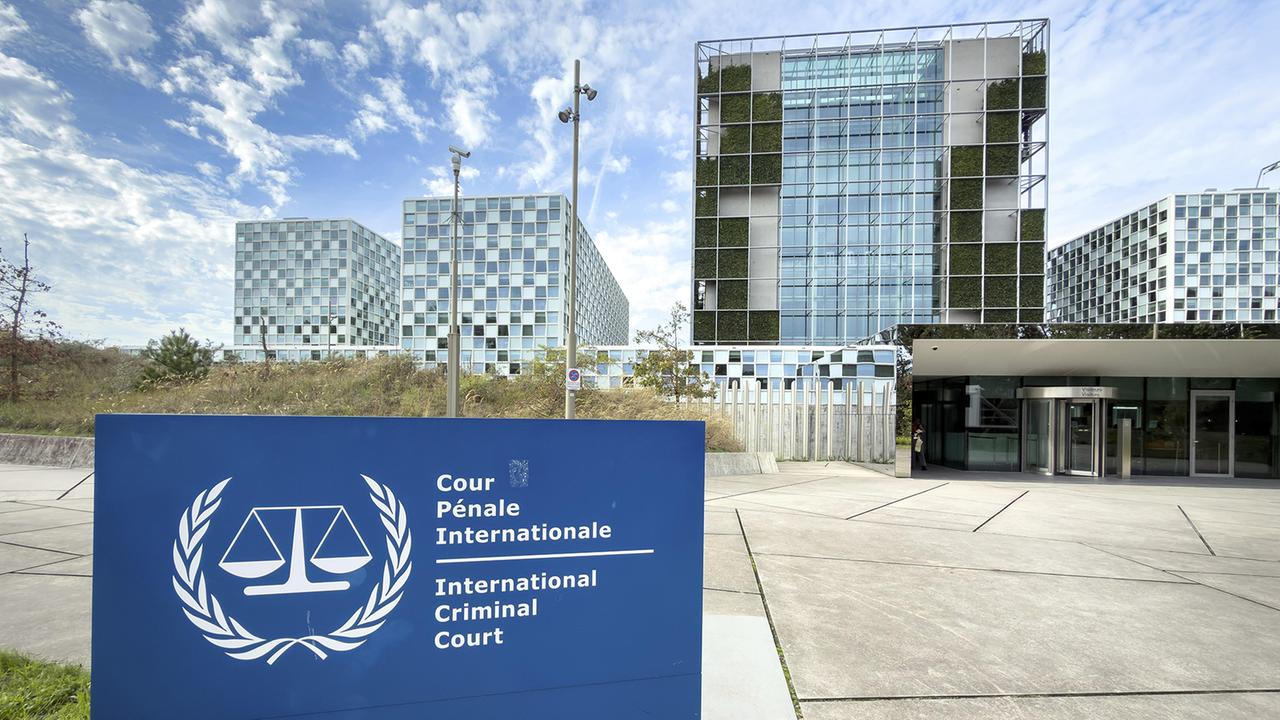
- Sanctions Unleashed: The U.S. Treasury Department has moved to cut off the ICC from the international financial system. This means that companies, particularly those with U.S. business ties, will be prohibited from conducting any financial transactions with the court or its personnel.
- Targeting Key Figures: While the initial focus was on broader financial restrictions, previous U.S. actions have already targeted individual ICC judges and prosecutors, restricting their access to U.S. platforms like Uber, Airbnb, and PayPal, and impacting their credit card usage.
- A Direct Challenge to International Law: ICC President Tomoko Akane has decried the sanctions as a "direct attack on the international legal order," emphasizing the court’s crucial role in prosecuting the most heinous international crimes, including genocide, war crimes, and crimes against humanity.
The timing of these sanctions is particularly noteworthy, coming shortly after it was announced that former ICC judge Navi Pillay, a staunch advocate for the multilateral order, would receive the Nobel Peace Prize. This has been interpreted by many as a clear signal of the U.S. administration’s disdain for institutions and individuals championing international justice.
A Chronology of Escalation: From Disagreement to Diplomatic Crisis
The U.S. has never been a signatory to the Rome Statute, the founding treaty of the ICC, and has consistently challenged its legitimacy and jurisdiction. However, the recent actions represent a significant departure from previous diplomatic maneuvers.
- Pre-Sanctions Tensions: For years, the U.S. has expressed its disapproval of the ICC’s investigations, particularly those that might involve American citizens or allies. This has manifested in diplomatic protests and, as mentioned, targeted sanctions against individuals.
- The Pivotal Announcement: The announcement of broad financial sanctions marks a new, more aggressive phase. Secretary Rubio’s stark declaration, "Either the ICC stops its threats or we will bring the ICC to an end," underscores the administration’s determination to exert maximum pressure.
- European Alarm Bells: The sanctions have triggered widespread alarm within the European Union. While the EU has historically sought to maintain a delicate balance in its relationship with the U.S., the extraterritorial reach of these new measures has galvanized a growing chorus of opposition.
Supporting Data: The ICC’s Mandate and International Support
The International Criminal Court was established to ensure that perpetrators of the most serious international crimes are held accountable, even when national jurisdictions are unable or unwilling to prosecute. Its jurisdiction extends to crimes committed on the territory of member states or by nationals of member states.
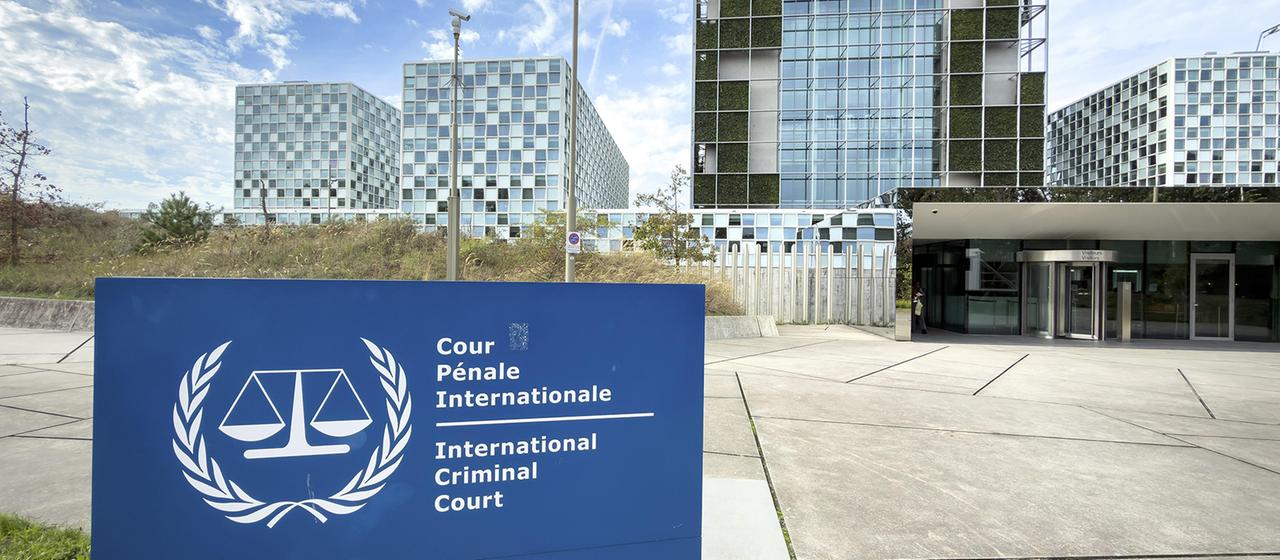
- Membership: The ICC currently has 125 member states, representing a broad coalition of nations committed to international justice.
- Key Investigations: The court has issued arrest warrants for high-profile individuals, including Russian President Vladimir Putin and Israeli Prime Minister Benjamin Netanyahu. Notably, both Russia and Israel are not member states of the ICC, highlighting the court’s assertion of jurisdiction over crimes committed within the territory of its members, regardless of the perpetrator’s nationality.
- Global Reach: The ICC’s work, while often contentious, is seen by many as a vital bulwark against impunity and a crucial component of the global legal architecture designed to prevent future atrocities.
Official Responses: A Divided Transatlantic Front
The U.S. sanctions have elicited strong condemnation from various European political figures and institutions, although a unified, decisive response from the EU remains a work in progress.
- European Parliamentarians Speak Out: Axel Voss, a Member of the European Parliament from the European People’s Party and a member of the Legal Affairs Committee, stated, "If the U.S. punishes judges and prosecutors for fulfilling their mandate, then that is simply intimidation of justice." This sentiment is echoed by many within the European Parliament.
- Bernd Lange’s Concerns: Bernd Lange, a Social Democratic MEP and Chair of the Committee on International Trade, voiced particular concern about the extraterritorial impact of the sanctions. He argued, "But it is also an attack on the European Union… they have an extraterritorial effect – and that is an element that cannot be accepted by the European Union at all."
- The Blocking Statute: A Potential Game-Changer: The most significant tool at the EU’s disposal is the "Blocking Statute." This regulation would legally prohibit European companies from complying with extraterritorial sanctions imposed by third countries, including the U.S. MEPs like Voss and Lange are actively advocating for its activation.
- Member State Support: Several EU member states, including the Netherlands and Belgium, have indicated their support for activating the Blocking Statute. French Foreign Minister Jean-Noël Barrot has also suggested it could be put on the table as an option.
- German Hesitation: The German federal government, however, has remained cautious, indicating a reluctance to commit to immediate action.
- EU Commission’s Stance: The European Commission, responsible for activating the Blocking Statute, is reportedly seeking to negotiate with Washington. The U.S. sanctions are not set to take effect for another six months, providing a window for diplomatic engagement.
- International Coordination: Sandro Gozi, a liberal Renew Europe MEP, emphasized the need for coordinated action with key allies like Canada, the United Kingdom, and Japan, stressing the importance of acting decisively.
Implications: Deepening Divisions and a Crisis for the "West"
The U.S. sanctions against the ICC are more than just a dispute over judicial jurisdiction; they represent a profound challenge to the established international order and a significant deepening of the chasm between the United States and its traditional allies.
- Erosion of Multilateralism: The U.S. administration’s actions signal a further departure from multilateral engagement and a prioritization of unilateral interests. This trend, if unchecked, could lead to a further weakening of international institutions and norms that have underpinned global stability for decades.
- Economic Repercussions: The extraterritorial nature of the sanctions means that European companies with U.S. ties could face a difficult choice between complying with U.S. law or EU law. This could lead to complex legal battles and significant economic disruption.
- The Future of Global Justice: The targeting of the ICC raises serious questions about the future of international accountability for the most egregious crimes. If the court is effectively neutralized, it could embolden authoritarian regimes and create new avenues for impunity.
- A Fractured "West": As Sandro Gozi aptly put it, these events are "doubtless a very serious incident that deepens the rift between the United States and the European Union." This growing division threatens to further fragment what was once considered the unified "West," creating a more unpredictable and unstable global landscape. The coming months will be crucial in determining whether Europe can forge a united front to defend international law and its own strategic autonomy, or whether it will succumb to the immense pressure exerted by its most powerful ally.


