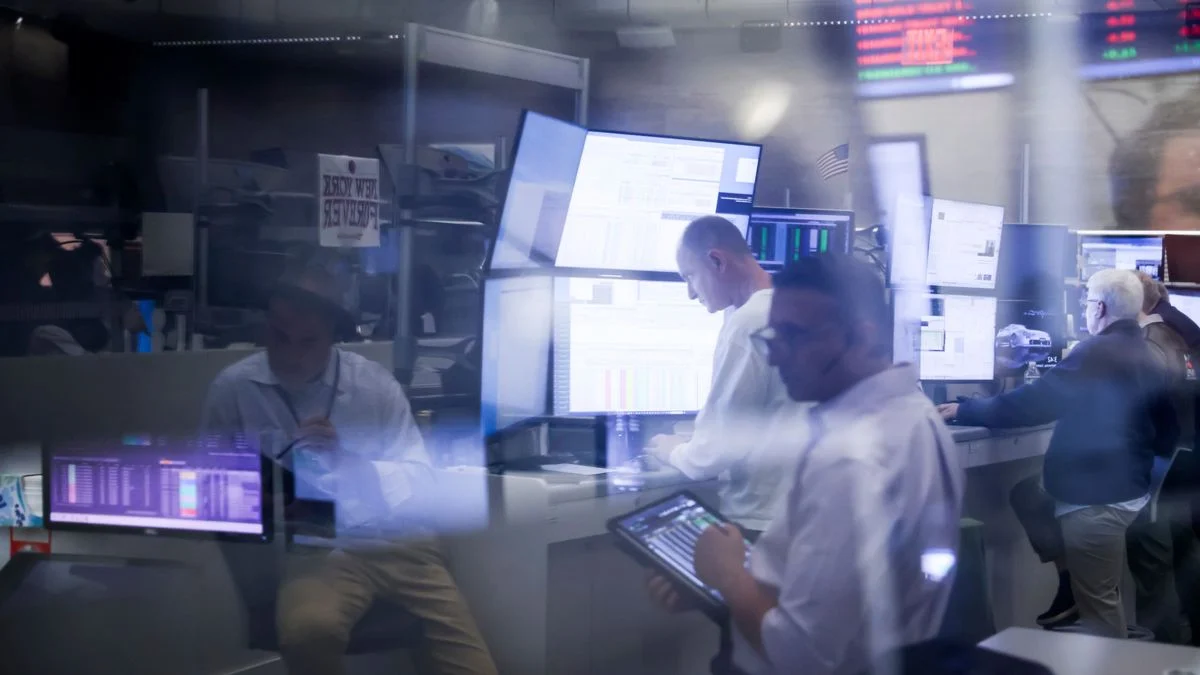


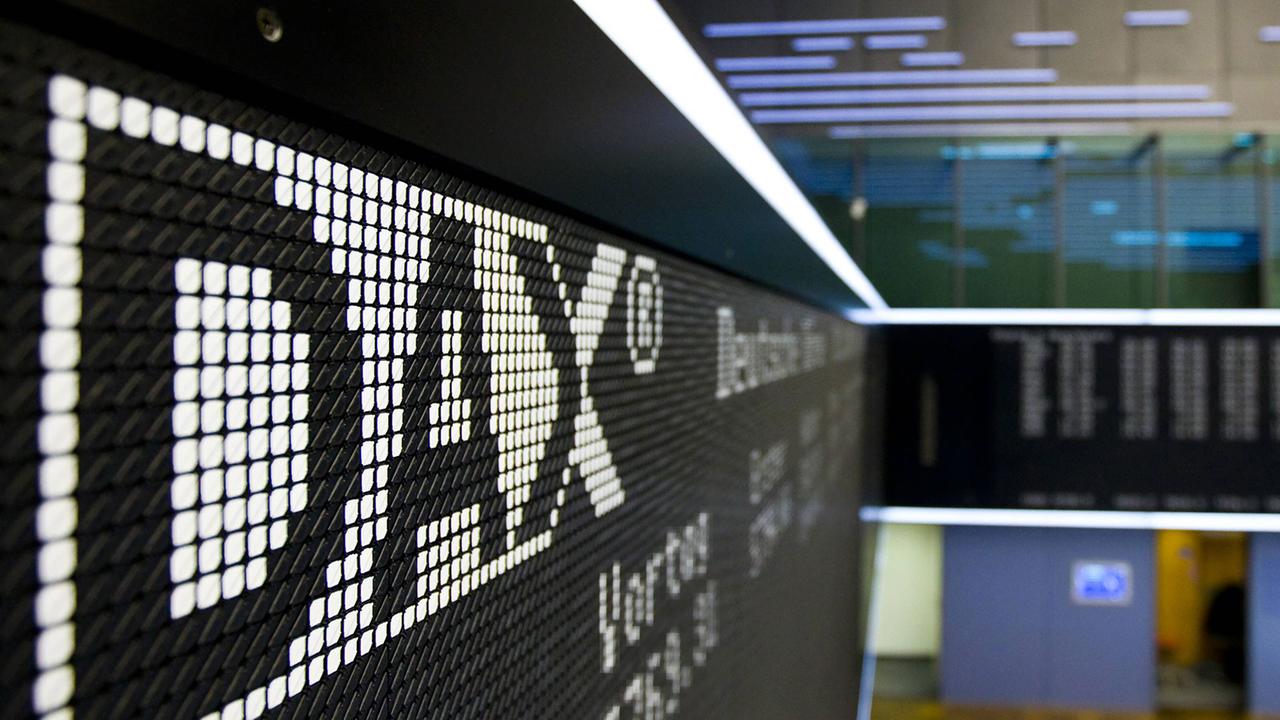
Frankfurt, Germany – November 4, 2026. The German stock market experienced a robust surge of optimism today, as the DAX index climbed to its highest level in two months. Driven by a confluence of strong corporate earnings reports and a clearer political landscape following the U.S. midterm elections, the index surged 2.2 percent to close at 26,438 points. This significant rally effectively pushed the index past the 26,000-point threshold, bringing it within striking distance of the record highs established in late August.
Main Facts: A Day of Momentum
The primary drivers of today’s market performance were twofold: the arrival of favorable quarterly results from key industrial players and a collective sigh of relief from investors regarding the U.S. legislative outcome.
While individual corporate successes provided the necessary fuel for growth, the broader macroeconomic sentiment was dictated by the "Blue Wave" dynamic in the U.S. Congress. As the results solidified, investors began to price in a shift toward a "gridlock" scenario—a state of political friction between the Republican White House and a Democrat-controlled Congress. Historically, markets have favored such periods of legislative stalemate, as it limits the potential for radical, disruptive policy shifts.
Chronology of the Trading Day
The trading session began with cautious optimism, fueled by overnight developments in the United States.
- 09:00 CET: The DAX opened with a clear upward trend, buoyed by positive sentiment from Asian markets and early analysis of the U.S. election results.
- 11:30 CET: Strong quarterly reports from Heidelberg Materials began to move the needle, providing a solid foundation for the industrial sector within the index.
- 14:00 CET: As Wall Street opened, initial volatility in U.S. tech stocks was observed. However, the DAX maintained its trajectory, bolstered by the resilience of European heavyweights like Continental.
- 16:00 CET: Reports regarding BMW’s restructuring plan introduced a brief period of downward pressure on the automotive sector, yet this was offset by the broader gains across the DAX.
- 18:31 CET: The final bell rang with the index standing at 26,438 points, a testament to the market’s appetite for risk following the cooling of political uncertainty.
Corporate Earnings: The Engine of Growth
The current reporting season has proven to be a vital barometer for investor confidence. Several DAX components showcased remarkable resilience in the face of inflationary pressures and supply chain challenges.
Heidelberg Materials Leads the Charge
Heidelberg Materials emerged as the day’s star performer. The construction materials giant reported significant growth in both revenue and profit for the third quarter. According to management, the European market has shown a robust recovery in demand, allowing the company to reaffirm its ambitious annual guidance. This stability has served as a lighthouse for investors looking for long-term value in a volatile interest-rate environment.
Continental’s Turnaround
Continental, having successfully completed its strategic transformation into a specialized tire manufacturer, delivered results that exceeded analyst expectations. By upgrading its profit outlook and returning to profitability, the company demonstrated the efficacy of its internal restructuring. The market responded with enthusiasm, highlighting that investors are increasingly rewarding companies that demonstrate clarity of focus and operational discipline.
The BMW Challenge
In contrast, BMW provided a stark reminder of the challenges facing the automotive industry. The company announced an intensification of its cost-cutting measures, specifically targeting a more rapid reduction in headcount to pivot toward a higher-margin electric vehicle (EV) lineup. The financial burden associated with this transition led BMW to lower its annual forecast for the second time this year. While the long-term strategic shift is viewed as necessary, the immediate impact on shareholders resulted in a cautious sentiment surrounding the stock.
Implications of the U.S. Midterms
The political landscape in Washington, D.C., remains the single most significant external variable for global markets.
The "Gridlock" Effect
The victory of the Democrats in the U.S. Congressional elections has introduced a new dynamic. Financial analysts are characterizing the result as a "check and balance" scenario. For the markets, this implies that the ability of President Donald Trump to pass sweeping, unilateral economic legislation will be significantly curtailed.
However, the outlook is not without its risks. While gridlock prevents radical policy shifts, it also complicates necessary fiscal maneuvers. Furthermore, the threat of protectionist trade policy remains. Experts from the German Economic Institute (IW) suggest that companies should prepare for a continuation of the current trade-policy status quo—defined by the potential for executive-ordered tariffs and the strategic use of the presidential veto—at least until January 2029.
Tech Sector Volatility
The Democratic success in the midterms has caused anxiety within the technology sector. Investors anticipate that a Democrat-controlled Congress will push for stricter regulatory oversight of Artificial Intelligence (AI) and data privacy. Consequently, tech stocks faced a "correction-lite" today, as the market recalibrated the growth potential of major U.S. tech firms against the looming threat of antitrust and ethical AI legislation.
Supporting Data: Global Macroeconomic Context
The global economic picture remains complex. While equity markets are rallying, structural issues persist:
- Inflationary Pressures: Data from Eurostat confirms that inflation in the Eurozone hit 4 percent in October. This rise is primarily attributed to the volatile energy sector, which continues to exert pressure on consumer purchasing power.
- Oil Market Uncertainty: The geopolitical situation in the Middle East has created a "risk premium" on energy prices. Investors are closely monitoring whether the U.S. administration will favor de-escalation or increased pressure on Iran. Any shift in this policy will have immediate, cascading effects on the price of Brent and WTI crude, further complicating the inflation outlook for Europe.
- Currency Fluctuations: The U.S. Dollar experienced a decline to its lowest level in over a month, a direct result of the market’s reaction to the election outcome. A weaker dollar typically benefits export-oriented economies like Germany, as it makes European goods more competitive on the global market.
Official Responses and Expert Outlook
Economists and market strategists are currently engaged in a balancing act. While the immediate reaction to the DAX rally is positive, the medium-term outlook requires caution.
"The market is currently pricing in stability," says a senior analyst at a leading Frankfurt financial institution. "Investors are relieved that the legislative volatility of the last few years might be dampened by the reality of a divided government. However, we cannot ignore the fundamental pressures of high inflation and the ongoing energy transition. The ‘win’ today is a reflection of relief, but the market must now pivot back to focusing on productivity and bottom-line growth in a high-cost environment."
The German government has yet to issue a formal statement regarding the specific impact of the U.S. midterm results on transatlantic trade, though officials have hinted at a desire for "predictable and stable" trade relations. The consensus among industry associations is clear: companies must remain agile. Whether it is through hedging against currency fluctuations or accelerating the transition to sustainable energy, the message from the boardroom is one of defensive resilience.
As we look toward the remainder of the year, the DAX remains a critical indicator of European economic health. With the reporting season nearing its conclusion and the geopolitical situation in the U.S. settling into a new rhythm, the coming weeks will reveal whether this rally is the start of a sustained year-end surge or merely a brief reprieve from the structural challenges that define the current era.