By Financial Correspondent
October 28, 2026
In a display of resilience and strategic execution, Deutsche Bank has cemented its position as a resurgent powerhouse in the global financial landscape. Following a robust third-quarter performance, Germany’s largest lender has signaled a clear intent to transcend its status as a national institution and ascend to the role of a true "European Champion." As the bank’s latest earnings report mirrors a broader trend of profitability within the sector, the focus now shifts toward long-term sustainability and the consolidation of its competitive edge against global rivals.
The Financial Landscape: A Record-Breaking Quarter
The third quarter of 2026, covering the period from July to September, has been a period of significant achievement for the Frankfurt-based institution. Deutsche Bank reported a pre-tax profit of approximately €2.6 billion, an impressive eight percent increase compared to the same period in the previous year. This performance translated into a net profit of €1.9 billion, representing a two percent year-on-year growth.
Perhaps most notably, the profit attributable to shareholders reached nearly €1.6 billion. This figure is particularly significant as it rivals the bank’s historical peak set in 2007—a milestone that underscores the structural transformation the bank has undergone over the last two decades. Total revenues for the quarter reached €8.3 billion, putting the bank in a position to potentially exceed its annual target of €33 billion in total revenue.
This success is not an isolated incident but the result of a multi-year effort to streamline operations, reduce non-core exposures, and focus on high-margin business segments. As the bank enters the final stretch of the year, the stability of these revenue streams suggests that the "record-run" is anchored in fundamental improvements rather than temporary market tailwinds.
The DWS Paradox: Growth Amidst Muted Expectations
While the parent bank celebrated its gains, the performance of its asset management subsidiary, DWS, offered a nuanced contrast. DWS recorded its highest-ever quarterly inflow of capital, with €30.9 billion in net new assets flowing into its funds between July and September. This highlights the enduring trust clients place in the group’s investment products, even in a volatile market environment.
However, the financial results for DWS fell slightly short of analyst expectations. While the unit achieved a five percent increase in profit compared to the previous year, reaching €230 million, the growth in revenue and profit margins failed to match the aggressive forecasts set by market observers. This discrepancy suggests that while DWS is successfully attracting volume, the profitability per unit of asset under management remains under pressure—a challenge likely to be addressed in the coming fiscal quarters.
The Path to the "European Champion"
CEO Christian Sewing, who has steered the bank through turbulent waters, remains optimistic about the road ahead. Central to his vision is a return on tangible equity (RoTE) of 13 percent for the full year—a metric that is closely watched by institutional investors as a bellwether of a bank’s operational health.
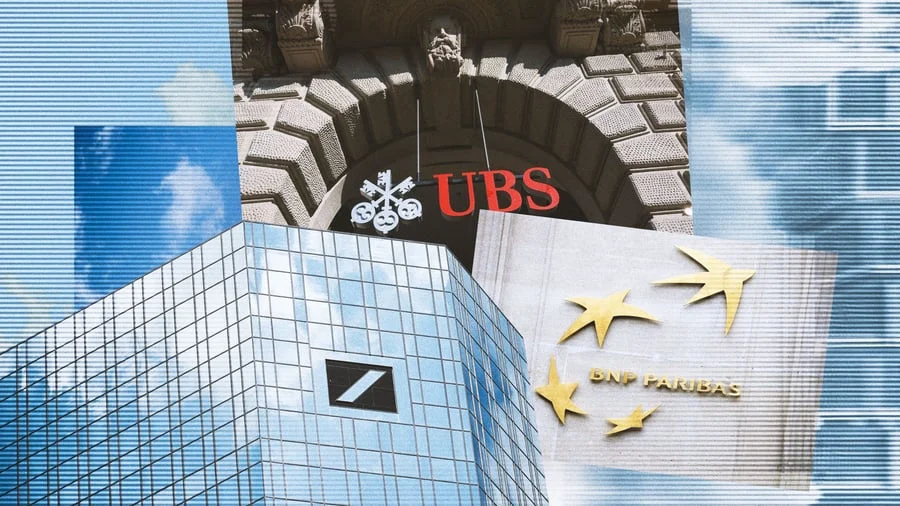
"We see great opportunities," Sewing remarked during the earnings call, setting the stage for a strategic update expected in early 2027. The ambition is clear: Deutsche Bank aims to close the gap between itself and the elite tier of European financial giants, such as HSBC, Santander, UBS, and BNP Paribas. Currently, in terms of market capitalization, Deutsche Bank still lags behind these institutions. Closing this gap will require more than just steady quarterly profits; it will demand a fundamental re-rating of the stock by international investors, who are beginning to acknowledge the bank’s newfound stability.
Investment Banking: The Engine of Growth
The primary engine driving this growth remains the Investment Banking division. Despite a competitive environment where peers are struggling with shifting market dynamics, Deutsche Bank has leveraged its expertise in fixed income, currency trading, and equity capital markets to maintain a lead.
The bank’s ability to successfully navigate the volatility of global markets has been a recurring theme throughout 2026. While the US banking sector saw mixed results—with JPMorgan experiencing a dip due to weaker investment banking activity and others like Goldman Sachs exceeding expectations—Deutsche Bank maintained a consistent performance. This consistency is a testament to the bank’s diversified approach, which prevents over-reliance on any single asset class or regional market.
The Changing Face of the German Banking Sector
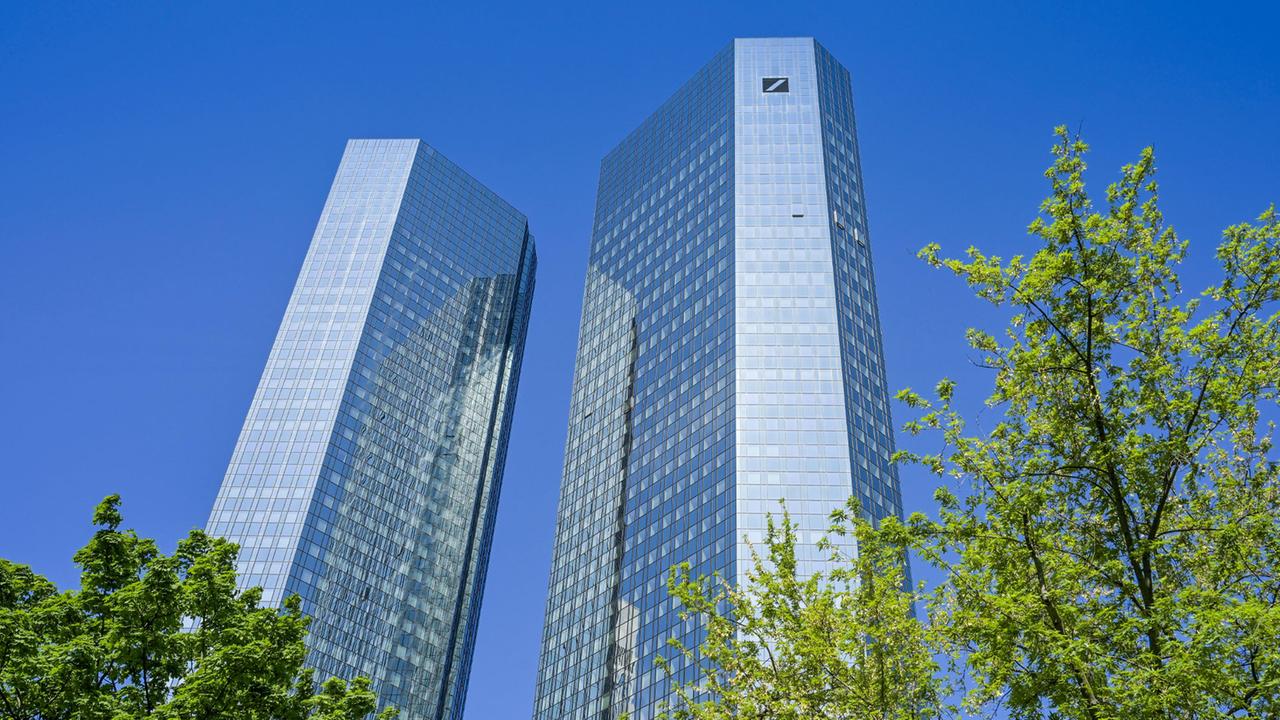
The narrative of Deutsche Bank’s ascent is inextricably linked to the broader restructuring of the German banking sector. As Deutsche Bank prepares to assert its dominance, the competitive landscape is shifting rapidly. The most significant development is the ongoing saga surrounding the Commerzbank.
The European Central Bank (ECB) has authorized the Italian banking giant, UniCredit, to increase its stake in Commerzbank, with current voting rights now reaching approximately 50 percent. This potential takeover has sparked a heated debate in Germany regarding national sovereignty over financial institutions and the adequacy of current takeover regulations.
While the German government, which remains the second-largest shareholder in Commerzbank with a 12.1 percent stake, has expressed reservations and set conditions for the transaction, the reality is that the move toward a more consolidated European banking market appears inevitable. Should this merger proceed, Deutsche Bank would likely find itself as the sole large-scale, publicly traded German bank, further sharpening its profile as the nation’s primary flag-bearer in international finance.
However, it is crucial to note that the vast majority of German banking—particularly retail and commercial lending—remains anchored in the decentralized "Sparkassen" (savings banks) and "Volks- und Raiffeisenbanken" (cooperative banks) sectors. These institutions operate largely outside the stock market, maintaining a domestic focus that ensures the German economy remains shielded from the fluctuations of international capital markets.
Macroeconomic Headwinds and Market Sentiment
As the fiscal year draws to a close, the market environment remains precarious. The DAX, the German stock index, has been trading in a narrow range as investors await critical policy decisions from the US Federal Reserve. Geopolitical instability, particularly surrounding the situation in the Middle East and the upcoming US elections on November 3, has introduced a layer of caution.
Market analyst Timo Emden of CapTrader aptly summarized the mood: "Investors are facing a stress test consisting of monetary policy, geopolitics, and corporate earnings." The primary fear is that the Federal Reserve may struggle to balance the containment of inflation with the need to support economic growth, potentially creating a "hawkish" environment that could weigh on bank valuations in the short term.
Despite these macro concerns, the sentiment around Deutsche Bank remains cautiously bullish. The bank’s ability to hit its targets in the face of such headwinds serves as a strong signal of its internal resilience.
Implications for the Future
The trajectory of Deutsche Bank in 2026 carries several critical implications for the European financial sector:
- Strategic Consolidation: Deutsche Bank’s success proves that the "restructuring phase" that defined the bank for the better part of a decade is finally yielding dividends. The focus has shifted from survival to expansion and optimization.
- European Integration: The potential acquisition of Commerzbank by UniCredit marks a turning point in the European Banking Union. It signals that the era of "national champions" is being replaced by a broader, cross-border European model.
- The Shift in Risk Management: With the bank targeting a 13 percent return on equity, the focus on capital efficiency is paramount. This discipline will likely define the bank’s strategy for the next five years, moving away from high-risk ventures toward steady, fee-based and market-making income.
- Geopolitical Resilience: The bank has demonstrated an ability to operate effectively despite a volatile global political landscape. This operational maturity is perhaps the most important asset the bank has acquired since its low point in the late 2010s.
Conclusion
As Deutsche Bank moves into the final months of 2026, the contrast between its past struggles and its current performance is stark. By focusing on core strengths in investment banking, maintaining a disciplined approach to capital, and positioning itself to lead in a consolidating European market, the bank is successfully rebranding itself.
While the "European Champion" title is not yet formally secured, the building blocks are firmly in place. The challenges of a volatile global economy and the domestic shifts in the German banking landscape will continue to test the bank’s mettle. However, the current momentum suggests that for the first time in many years, Deutsche Bank is not just participating in the global financial market—it is helping to shape it. The upcoming strategic updates in 2027 will be the next major hurdle, but if the results of the third quarter of 2026 are any indication, the bank is well-prepared for the climb.