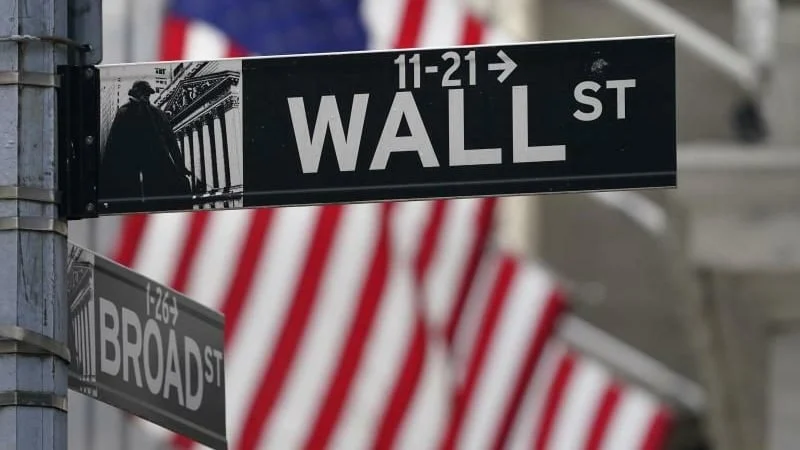
As the trading week draws to a close, the German DAX index finds itself at a critical juncture. Despite a minor retreat in early trading on October 30, 2026, the index remains within striking distance of the 26,000-point milestone, capping off a robust week of gains. However, a cooling sentiment, driven by disappointing earnings from U.S. tech giants and mounting geopolitical tensions in the Middle East, suggests that the path forward may be fraught with volatility.
Main Facts: The State of the DAX
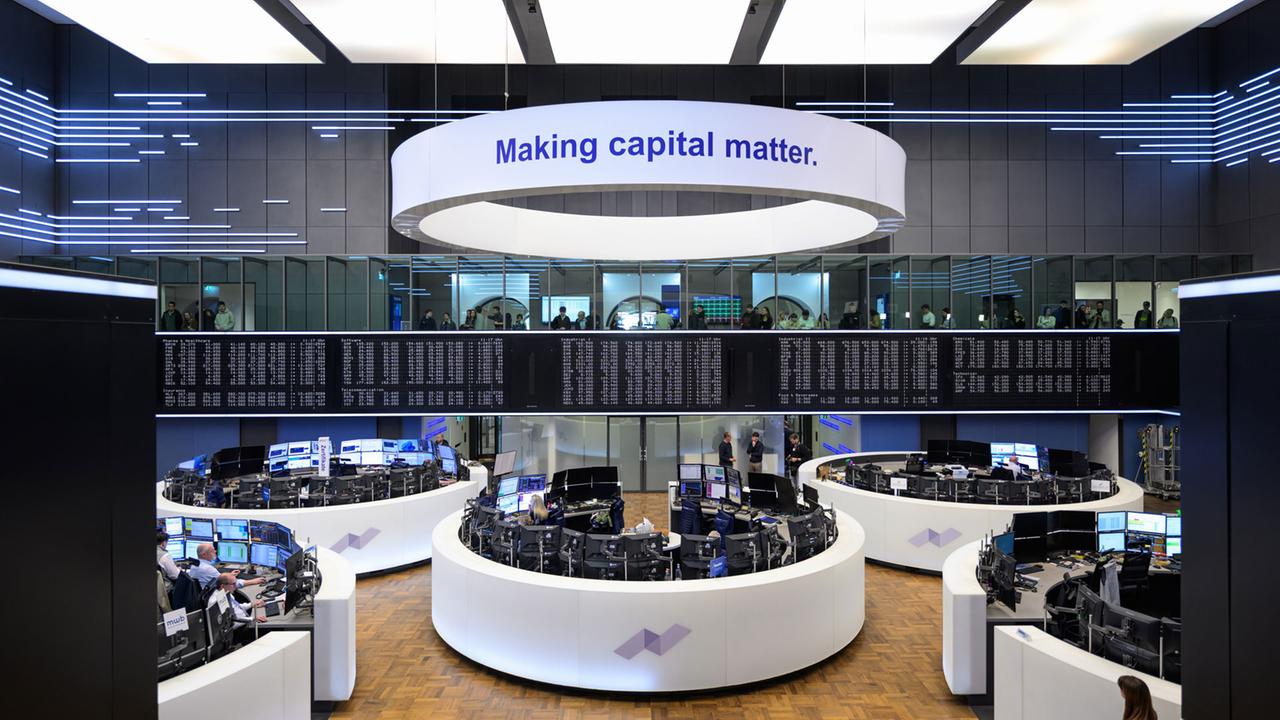
In early trading sessions today, the DAX dipped 0.2 percent to 25,990 points. While this marks a slight pullback, it must be contextualized against a stellar performance throughout the week, during which the index climbed approximately three percent. On Thursday, the DAX closed at 26,039 points—a 1.3 percent gain—cementing its position as a strong performer in the European theater.
Market analysts are now shifting their focus from the euphoria of the 26,000-point breach to the sustainability of this rally. Salah-Eddine Bouhmidi, a market expert at IG, notes that the "air is getting thinner" for buyers. After four consecutive days of gains, a technical correction would be a logical market response. Analysts from ING, including Christian Zoller, point to the 25,650-point level as a critical support zone that could act as a floor should the current profit-taking trend accelerate.
Chronology of the Week: From Stability to Uncertainty
The week began with a sense of cautious optimism, heavily influenced by the central bank landscape.
- Earlier in the week: Both the U.S. Federal Reserve (Fed) and the European Central Bank (ECB) opted to maintain current interest rates. This decision was largely anticipated by the market, providing a stable foundation for equities.
- Mid-week: Markets began to digest the implications of this stability, with investors pivoting toward the prospect of potential rate hikes in December. This shift in expectations created a complex environment where liquidity remained, but speculative appetite began to wane.
- Late week: The narrative shifted toward geopolitical risk and corporate health. As oil prices surged due to renewed fears of conflict in the Middle East, and tech giants like Amazon and Intel released lackluster earnings reports, the momentum that carried the DAX earlier in the week began to lose steam.
Supporting Data: Oil Prices and the Geopolitical Premium
The most significant headwind for global markets today is the abrupt spike in crude oil prices. Brent crude and West Texas Intermediate (WTI) are tracking for monthly gains of approximately 11% and 14%, respectively. This surge is directly tied to the escalating instability in the Middle East, particularly regarding the Strait of Hormuz.
Energy analyst Saul Kavonic of MST Marquee suggests that the "continued military operations" in the region have effectively institutionalized a geopolitical risk premium. With little sign of a diplomatic breakthrough, markets are increasingly pricing in a prolonged conflict. This is not merely an energy concern; high oil prices act as a tax on the global economy, threatening to reignite inflation and squeeze corporate margins across manufacturing and transport sectors—sectors that are heavily represented within the DAX.
Corporate Earnings: The Tech Sector Stumbles
The optimism surrounding the AI-driven rally faced a reality check last night as two titans of the technology world—Intel and Amazon—reported results that fell significantly short of market expectations.
The Intel Crisis
Intel’s performance has been described by analysts as a "wake-up call" for the semiconductor industry. The company reported a nearly 20% decline in profits, accompanied by disappointing forward-looking guidance. Perhaps most telling is the structural problem Intel faces: the demand for AI-related hardware is so massive that the company is struggling to fulfill orders, a bottleneck exacerbated by global shortages of critical raw materials. The market reacted violently, with Intel’s stock plummeting by 20% in after-hours trading.
Amazon’s Capital Expenditure Conundrum
Amazon, while posting a 13% revenue growth to over $200 billion, failed to appease investors. The primary culprit is the astronomical cost of infrastructure development. Specifically, Amazon’s aggressive push into AI data centers has caused its cash burn to skyrocket—increasing six-fold to $42.4 billion in the last quarter alone.
Portfolio manager Dave Wagner of Aptus highlighted the growing tension among shareholders: "The operational business is generating plenty of cash, but the capital expenditure requirements are swallowing it whole." Investors are now asking a fundamental question: when will these massive investments in AI yield a return on investment? This uncertainty has cast a long shadow over the Nasdaq and is expected to weigh heavily on European tech-adjacent stocks today.
Implications: A Tense Path Forward
The convergence of these factors creates a "wait-and-see" environment. The implications for the DAX and global markets are three-fold:
- Technical Consolidation: With the DAX having reached a psychological peak, a period of consolidation is healthy. If the 25,650-point support holds, the index may be poised for a more sustainable growth trajectory in the coming weeks. However, a breach of this support could trigger a wider sell-off.
- Inflationary Pressures: The surge in oil prices poses a direct threat to the inflation narrative. If energy costs remain elevated, central banks may find their room for maneuver in December severely restricted, potentially forcing more aggressive rate hikes than currently priced in.
- The "AI Bubble" Sentiment: The market reaction to Amazon and Intel suggests that the "blind faith" phase of the AI investment cycle is coming to an end. Investors are shifting their focus to tangible profitability and capital efficiency. Companies that cannot demonstrate a clear path to monetizing their AI infrastructure will likely face continued downward pressure on their valuations.
Conclusion
As we look toward the close of the week, the market is caught between the residual strength of a positive trend and the mounting weight of macroeconomic and corporate realities. While the DAX has demonstrated remarkable resilience, the "big win" for the week is no longer a certainty. Investors will be watching the opening of the U.S. markets with bated breath, as the performance of the Nasdaq will likely dictate whether the German index finishes the week in positive territory or succumbs to the gravitational pull of the current geopolitical and corporate uncertainty.
The sentiment for the coming days is clear: caution is the order of the day. The market is no longer driven by sentiment alone, but by a rigorous examination of costs, conflict, and the true cost of technological innovation.