LEIPZIG – Two days after a sophisticated and highly disruptive cyberattack struck the heart of the University’s digital infrastructure, the institution remains in a state of operational limbo. As forensic teams and IT specialists work around the clock to purge malicious software and restore secure access, the daily rhythms of academic life have been brought to a grinding halt. What began as a localized connectivity issue on the morning of October 28 has cascaded into a campus-wide crisis, affecting everything from research databases to the basic administrative functions that keep a major educational institution running.
The Chronology of the Breach
The trouble began in the early hours of October 28, 2026. Initially, internal reports suggested a routine maintenance outage. However, by mid-morning, it became clear that the disruption was not a glitch but a coordinated, hostile intrusion.
- October 28, 08:00 AM: First signs of instability emerge. Students and faculty report inability to access university-wide login portals and email servers.
- October 28, 11:30 AM: The university’s central IT department issues an emergency alert. All network connections are severed as a precautionary measure to prevent the further spread of the malicious code.
- October 29, 09:00 AM: The administration officially confirms a "significant cyberattack" and initiates a full-scale shutdown of all campus servers to allow for forensic analysis.
- October 30, 10:00 AM: Two days later, limited progress is reported. While external security experts have been brought in to support the internal team, the scale of the infiltration remains difficult to quantify, keeping the university in a state of digital darkness.
The Scope of the Impact: A Campus in Stasis
The implications of this blackout are profound. In the modern university, where research, lecture scheduling, library access, and student record-keeping are almost exclusively digitized, the absence of an IT network acts as a total organizational paralysis.
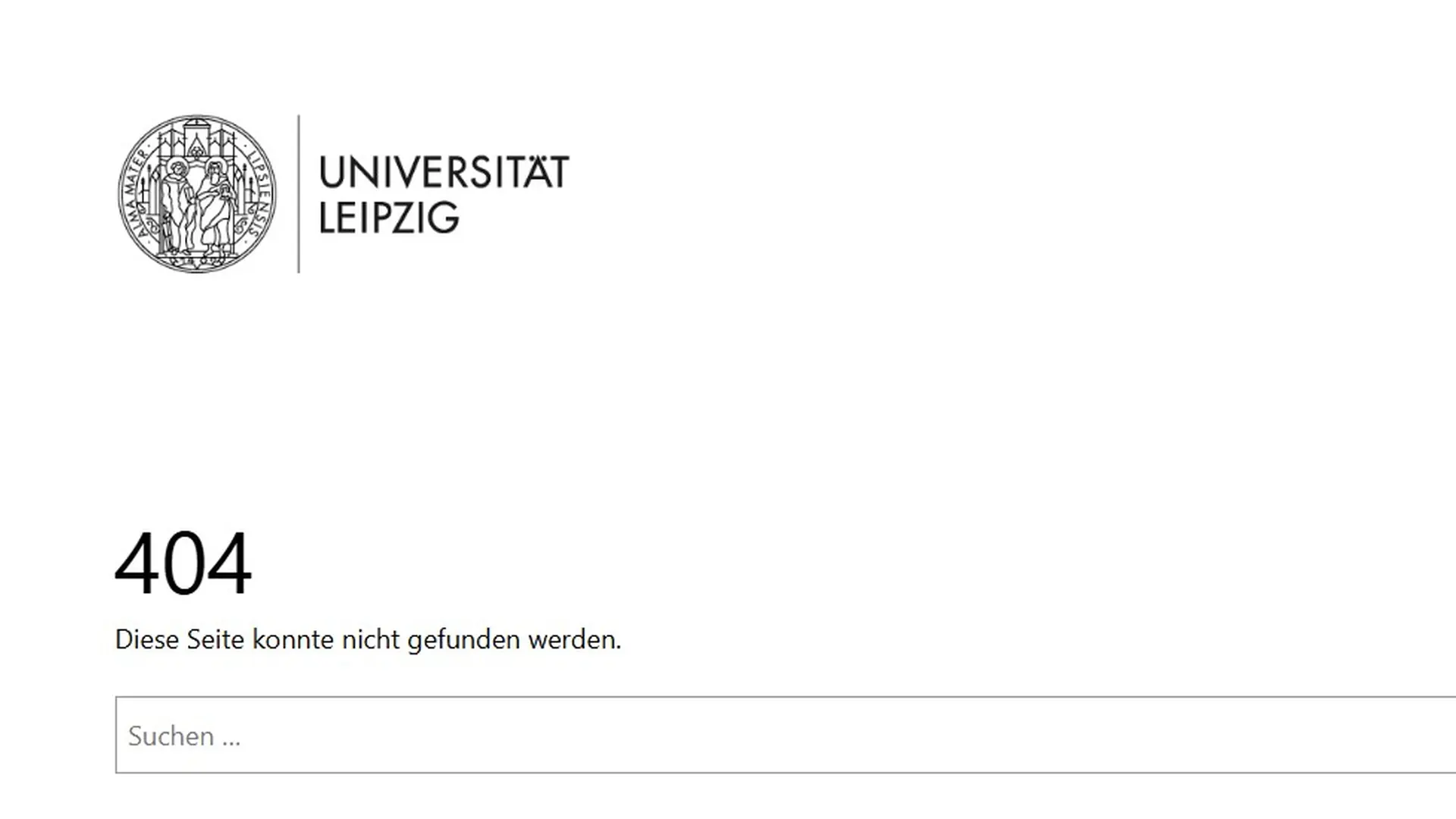
Students, particularly those in their final semesters, have expressed mounting anxiety. Many are currently in the midst of critical registration periods or submission deadlines for papers and theses. With the primary submission portals offline, the "student experience" has reverted to a pre-digital era. Library catalogs are inaccessible, meaning physical research has become a painstaking manual process, and many collaborative digital projects have been halted mid-progress.
For researchers, the stakes are arguably even higher. Laboratories that rely on interconnected data storage to manage experimental results, monitor sensitive equipment, and share findings with international partners have had to pivot to contingency protocols. In some cases, long-term experiments may face data gaps or integrity issues due to the abrupt loss of server connectivity.
Official Responses and Strategic Measures
The university leadership, in coordination with state-level cybersecurity authorities, has adopted a policy of extreme caution. During a press briefing, a spokesperson for the administration confirmed that the primary goal remains the restoration of "system integrity" rather than speed.

"We are not going to flip the switch until we are absolutely certain that the threat actor has been expelled from our environment," the spokesperson stated. "The restoration process involves cleaning every single endpoint and verifying the integrity of our backups. This is not a task that can be rushed without risking re-infection."
Law enforcement agencies and national cybersecurity bureaus have been notified and are currently treating the incident as a serious criminal matter. While the university has not yet disclosed whether the attackers have issued a ransom demand—a common feature of the recent surge in ransomware attacks against educational institutions—the level of sophistication suggests an organized group rather than a lone actor.
The Broader Implications: A Vulnerable Sector
This incident at the University is not an isolated event but a poignant case study in the growing vulnerability of higher education institutions to cyber-warfare. Universities are increasingly viewed as "soft targets" by cybercriminals due to their open nature, the vast amount of sensitive intellectual property they store, and the massive volume of personal data associated with students and staff.

The Challenge of Open Research Environments
The very philosophy of a university—which emphasizes open collaboration and ease of access—often runs contrary to the principles of "zero-trust" security architectures. Balancing the need for a global, interconnected academic environment with the necessity of robust cybersecurity is a struggle that university CIOs (Chief Information Officers) face across the globe.
Financial and Reputational Costs
Beyond the immediate technical costs—hiring forensic consultants, replacing corrupted hardware, and upgrading security software—the long-term financial burden is significant. Productivity losses for faculty, potential legal liabilities regarding data privacy, and the long-term impact on the university’s reputation as a secure place for high-level research can be devastating.
Technical Forensics and Remediation
While the specific nature of the malware has not been publicly released, experts suggest that the university likely fell victim to a sophisticated "Advanced Persistent Threat" (APT). These types of attacks often involve a long period of "dwell time," where the attacker silently gathers credentials and maps out the network topology before triggering the disruptive payload.

The recovery process is twofold:
- Sanitization: Every server and workstation must be scanned for hidden backdoors. If an attacker has left "sleeper" accounts or scripts, simply restoring from a backup could result in an immediate second attack.
- Hardening: The university is expected to announce a massive overhaul of its security protocols once the system is back online, likely moving toward more aggressive multi-factor authentication (MFA) and micro-segmentation of the network to limit the spread of any future breaches.
Looking Forward: A Return to Normalcy?
As of Wednesday, October 30, the university remains in a "wait and see" mode. While some basic administrative functions are being prioritized for restoration, the university has cautioned students and staff that full functionality may still be days, or even weeks, away.
The administration has urged the university community to remain vigilant against phishing attempts. It is common for attackers to use the confusion caused by an IT crisis to launch secondary social engineering campaigns, masquerading as IT support to trick users into providing their credentials.

"Our commitment is to our students and our research," the administration concluded in their latest update. "We apologize for the frustration and the disruption this has caused. We are doing everything in our power to ensure that when we come back online, we do so in an environment that is safer and more resilient than the one we had before."
For now, the campus remains a place where the physical trumps the digital. Classes continue, meetings are held in person, and the work of academia persists, albeit in a slower, more deliberate, and notably analog fashion. The incident serves as a stark reminder that in our hyper-connected world, the most sophisticated research in the world is only as strong as the security that protects the servers on which it resides.
Supporting Data and Context
The rise in cyberattacks against educational institutions is well-documented. According to recent cybersecurity indices, the education sector has seen a 30% increase in ransomware attempts over the last 24 months. The following factors contribute to the high risk:

- Diverse User Base: Managing tens of thousands of users with varying levels of cybersecurity awareness makes "phishing" a highly successful vector for initial access.
- Legacy Systems: Many universities maintain older, "legacy" hardware and software that cannot be easily updated, creating permanent security vulnerabilities.
- Decentralization: Universities often consist of independent departments that manage their own IT infrastructure, making it difficult to implement a uniform, robust security policy across the entire campus.
The University of Leipzig and its administrative bodies are now faced with the monumental task of not only cleaning up the damage but also fundamentally rethinking how they defend themselves in an era where digital threats are constant, evolving, and increasingly destructive. The coming weeks will be critical, as the university transitions from the current crisis management phase to a long-term recovery and reform strategy.
For the students of the university, the immediate concern remains the impact on their academic standing. Many are waiting for guidance on how exam schedules and enrollment periods will be adjusted to accommodate the downtime. The administration has promised that no student will be unfairly penalized due to the network outage, though they have yet to release a detailed policy on how this will be implemented.
As the sun sets on the second day of the blackout, the lights in the IT offices remain on, a testament to the ongoing struggle to secure the digital future of the institution. The university stands at a crossroads, where the lessons learned from this attack will define its digital security posture for the next decade.