Introduction: A Calling Beyond the Profession
In the quiet, often overlooked corners of our society, there exists a vocation defined by the intersection of profound human grief and administrative precision. The role of a funeral director is frequently misunderstood, viewed by many through the lens of morbid curiosity or cultural taboo. Yet, for those who choose this path, it is a life-long commitment to providing dignity, solace, and order in the moments when families are most vulnerable.
In the historic city of Zwickau, Saxony, this tradition of service is finding a new champion. Josephine Neidhardt, a young woman poised at the beginning of her career, has made the conscious decision to follow in the footsteps of her parents. In an era where professional mobility often draws young people toward the digital economy or urban centers, Neidhardt’s commitment to the family business represents a rare dedication to community continuity and the vital, human-centric art of end-of-life care.
The Weight of the Vocation
The transition into the funeral industry is rarely a decision made lightly. It is a field that demands a unique psychological constitution. Funeral directors must navigate the delicate balance of being an emotional anchor for grieving families while maintaining the technical proficiency required to manage legal, logistical, and ceremonial requirements.
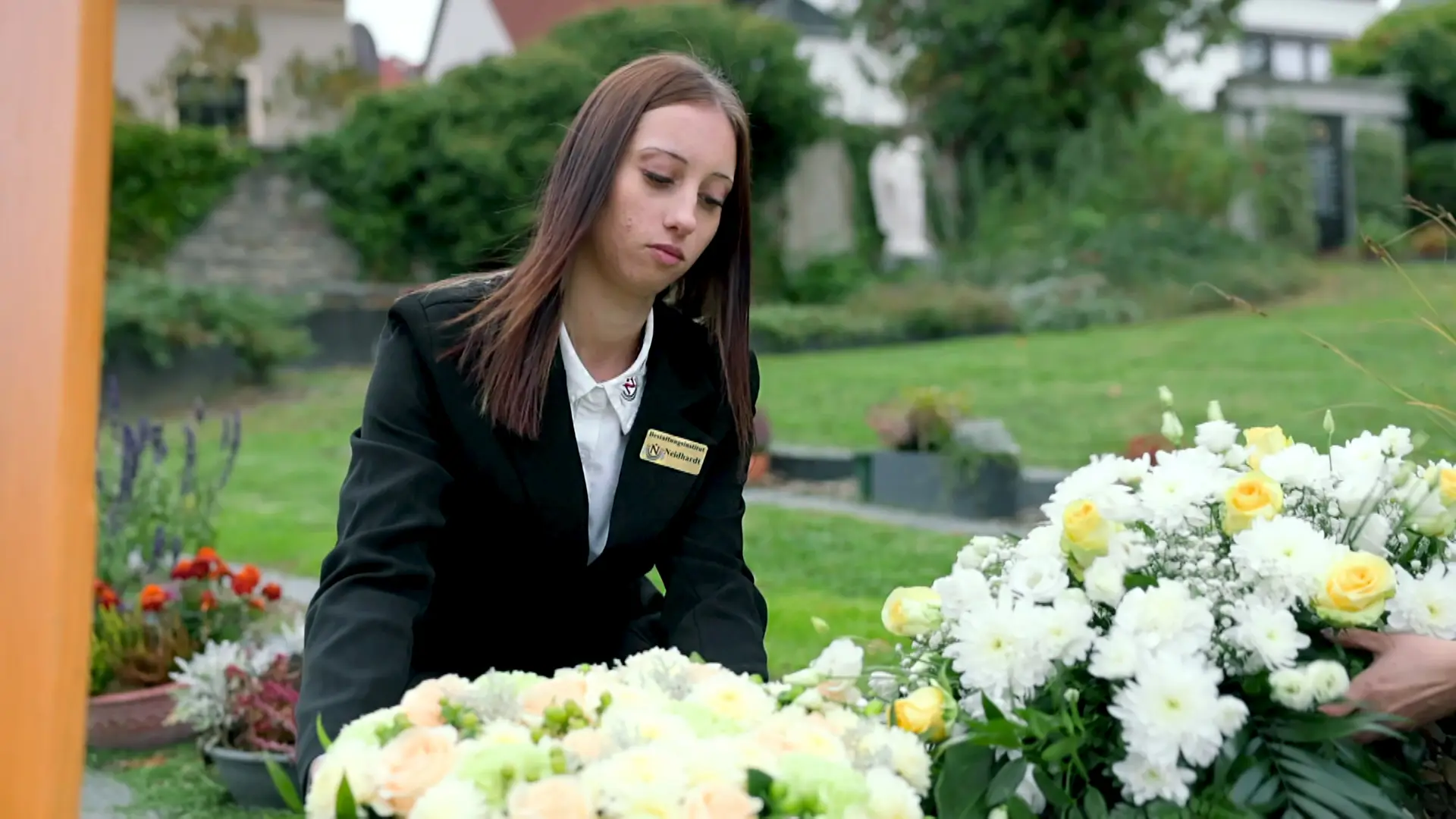
For Josephine Neidhardt, the choice to enter the trade is rooted in a lifetime of observation. Growing up in a household where the "family business" meant facilitating the final farewells of neighbors and community members, she developed an early understanding of the necessity of the work. It is not merely about the management of remains; it is about the management of memory.
Psychologists often point out that the ritual of a funeral serves as a vital psychological bridge for the bereaved, moving them from the shock of loss toward a path of acceptance. By choosing this profession, Neidhardt is stepping into a role that requires high emotional intelligence, the ability to listen, and the stamina to support others through their darkest hours without losing one’s own sense of equilibrium.
Chronology of a Family Legacy
The narrative of the Neidhardt family is one of quiet consistency. To understand Josephine’s path, one must look at the foundation laid by her parents.
- The Foundation: The family business was established with the goal of providing a compassionate, local alternative to corporate funeral services. Over the decades, they have integrated themselves into the fabric of Zwickau, becoming a trusted presence in the community.
- Early Integration: Josephine grew up with the business as a part of her daily life. Unlike children of office workers or tradespeople, her home environment was one that acknowledged death as a natural, albeit difficult, aspect of human existence.
- Formal Education and Training: Having completed her secondary education, Josephine moved beyond mere observation. She has begun the formal training required to become a certified funeral director—a rigorous process that includes courses in psychology, law, hygiene, and ceremonial organization.
- The Transition: Currently, she is undergoing the transition from apprentice to full partner, working alongside her parents to learn the nuance of the local culture and the specific expectations of the families they serve in the Zwickau region.
The Changing Landscape of End-of-Life Care
The funeral industry is currently undergoing a period of significant transformation. Historically, traditional burial was the standard. Today, changing religious affiliations, economic factors, and a shift toward secularization have altered the landscape.
Trends in Funeral Services
Data indicates a clear trend toward cremation and alternative burial rites. In Germany, as in much of Europe, the desire for simpler, less formal, and more personalized memorial services is growing.
- Personalization: Families are increasingly requesting ceremonies that reflect the individual personality of the deceased, rather than adhering to rigid religious or societal norms.
- Sustainability: The "Green Burial" movement is gaining traction. This includes biodegradable caskets, urns made of sustainable materials, and the preference for natural burial grounds over traditional concrete-lined cemetery plots.
- Digital Integration: The modern funeral home must now manage online tributes, live-streamed services for family members who cannot travel, and digital documentation.
Josephine Neidhardt is entering the profession at a time when she can help shape these changes. Her youth brings a natural familiarity with the digital tools and modern preferences that older generations of directors might find challenging to integrate.
Official Responses and Industry Standards
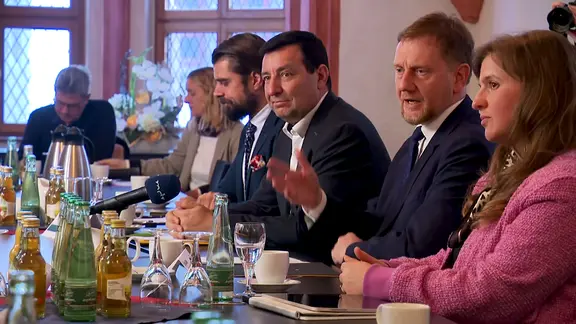
Professional associations, such as the Bundesverband Deutscher Bestatter (Federal Association of German Funeral Directors), emphasize that the role of the director is as much about social work as it is about logistics.
In recent statements regarding the future of the profession, industry leaders have highlighted that the "human element" cannot be replaced by technology. They advocate for strict ethical standards and continuous education, especially in grief counseling. The fact that younger individuals like Neidhardt are entering the field is seen by these associations as a positive sign of professional sustainability.
When asked about the future of the family business, her parents have consistently pointed to the importance of "empathetic continuity." They argue that a funeral home is a pillar of the community, and having a successor who understands the local history and values is essential for the trust that families place in them.
The Psychological and Physical Demands
It is essential to address the "emotional and psychological burden" mentioned in the initial reports. The reality of the job is that it involves exposure to death on a daily basis. This is not a profession for the faint of heart.
- Boundary Setting: To survive in this industry, professionals must develop healthy psychological boundaries. They must be present for the family’s grief, but they cannot absorb it.
- The Technical Side: Beyond the emotional aspect, there is the technical side: the preparation of the deceased, the maintenance of the facilities, and the heavy lifting of logistics. It is a physically and mentally demanding career that requires a high degree of discipline.
- Support Networks: Most successful funeral directors rely on a strong network of peers to discuss cases and process their own experiences. Josephine’s mentorship under her parents provides her with a built-in support system that many newcomers in other fields lack.
Implications for the Zwickau Community
What does it mean for a city like Zwickau to have a generational transfer in such a critical service?
First, it signifies stability. When a local business survives into a second or third generation, it contributes to the economic and social health of the town. It prevents the consolidation of services into large, faceless corporations that may lack local sensitivity.
Second, it represents intergenerational wisdom. By learning from her parents, Josephine is absorbing years of experience regarding how the people of Zwickau mourn. She learns the local customs, the specific needs of the churches and cemeteries in the area, and the unique history of the families who have been using their services for years.
Third, it provides a model for youth. Seeing a young, capable individual choose a traditional, "unconventional" profession can inspire others to look beyond the popular career paths of the moment and consider roles that offer genuine social utility and personal satisfaction.
Future Outlook: A Balancing Act
As Josephine Neidhardt looks toward the future, she faces the challenge of balancing tradition with innovation. The core values of the business—respect, dignity, and empathy—must remain unchanged. However, the methods of delivery will undoubtedly evolve.
She will likely be the one to guide the business through the transition to more sustainable practices, the adoption of new digital memorialization services, and the evolving requirements of an aging population. Her task will be to ensure that while the business remains modern and efficient, it never loses the "personal touch" that has kept the family name respected in Zwickau.
Conclusion: The Quiet Strength of Service
The story of Josephine Neidhardt is, in many ways, a story about the quiet, often hidden, strengths that hold a community together. While the news cycles are filled with reports on politics, economic crises like the situation at the Volkswagen plant in Zwickau, and cultural shifts, it is the individual acts of service that truly define our existence.
Choosing to care for the dead is an act of profound respect for the living. It acknowledges that every life has value, and that every death deserves to be marked with dignity. As Neidhardt begins her career, she carries with her not just the weight of her family’s legacy, but the vital responsibility of being there for her neighbors when they need her most. In a world that is often chaotic and uncertain, the presence of someone dedicated to the art of the final farewell is a source of essential comfort.
The future of the funeral industry, as seen through the lens of this Zwickau family, is not one of decline, but of evolution. With a new generation stepping up, the tradition of service continues, ensuring that even in our final moments, we are treated with the care and consideration we deserve. The path ahead is undoubtedly demanding, but for those who find their calling in this noble work, it is a life defined by purpose, empathy, and the quiet, enduring grace of human connection.