Schloss Moritzburg, the iconic baroque hunting lodge situated just outside Dresden, remains a focal point for both tourism and heritage conservation in Saxony. Known for its distinct yellow-and-white facade and its dramatic setting in the middle of a lake, the castle is more than just a site of historical intrigue—it is a massive, ongoing construction project. Recent reports indicate that the latest phase of restoration, focusing on the "Backturm" (the rear tower), has finally reached completion. However, in the world of heritage management, the conclusion of one project is merely the prelude to the next.
The Completion of the Backturm Restoration
The restoration of the Backturm at Schloss Moritzburg has been a multi-layered endeavor. Initially scheduled to conclude earlier this year, the project faced a delay of several months, a common occurrence in the specialized field of historic masonry and timber conservation. Weather conditions, the difficulty of sourcing period-appropriate materials, and the meticulous nature of structural reinforcement contributed to the extended timeline.
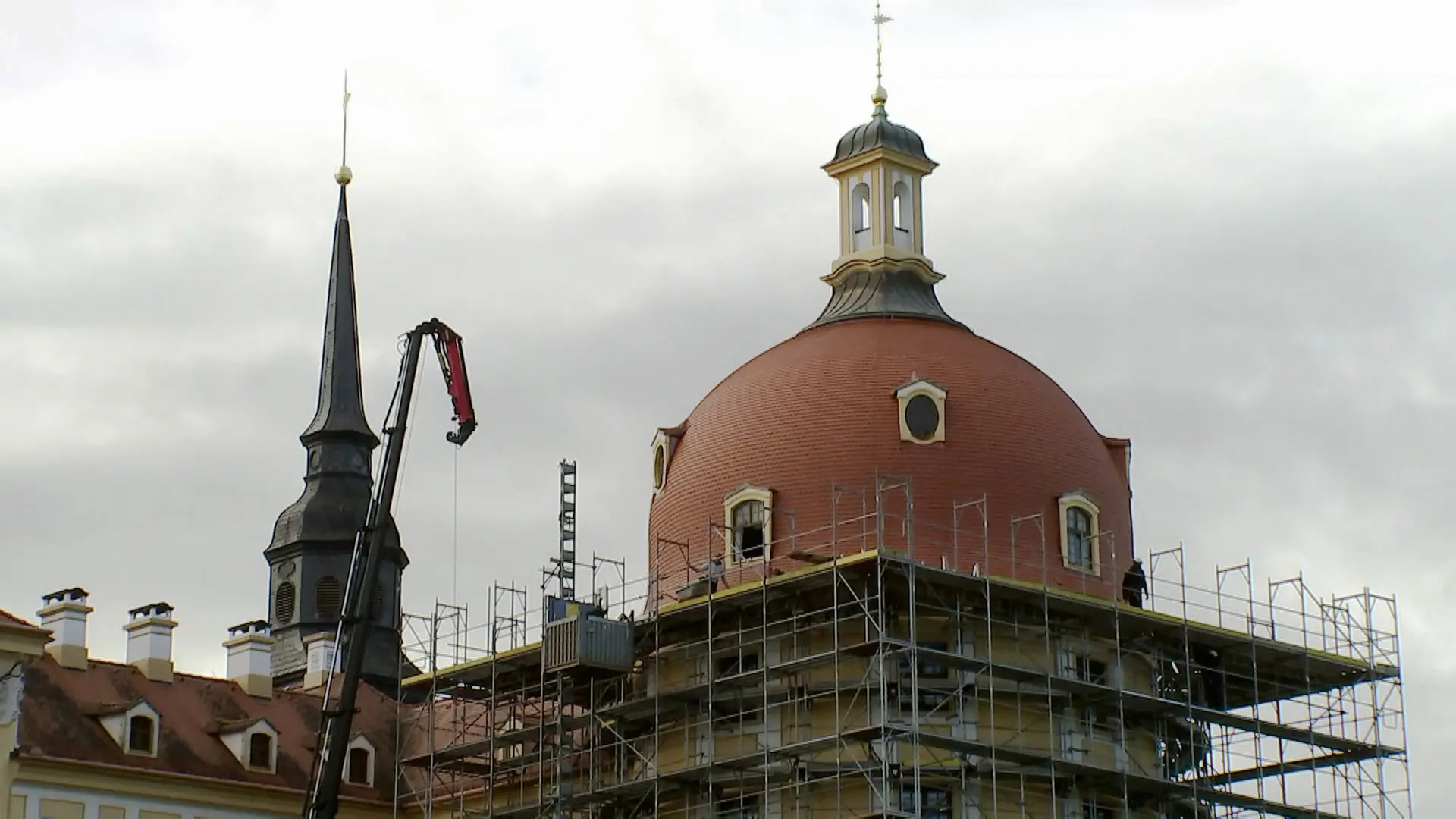
The scaffolding, which has obscured the architectural silhouette of the castle’s rear section for some time, is now being dismantled. This marks a significant milestone for the castle’s conservation team. The project focused on stabilizing the load-bearing capacity of the tower, repairing exterior stonework damaged by environmental erosion, and restoring the historical aesthetic of the roofline. For visitors, this means that one of the most prominent exterior features of the building is once again fully visible, allowing for an unobstructed appreciation of the site’s architectural integrity.
A Cycle of Maintenance: The Reality of Baroque Preservation
The removal of the scaffolding is a bittersweet victory for the preservationists. While it provides a moment of visual clarity, the master plan for the castle requires constant vigilance. The management has confirmed that the cycle of preservation will continue immediately, with plans already in place to encase the next tower in scaffolding.

This rotating schedule of restoration is a fundamental reality for a structure of this age and significance. The harsh winters of the Saxon region, coupled with the humidity of the surrounding lake environment, create a persistent challenge for the building’s exterior. The masonry is subject to a constant cycle of freeze-thaw damage, and the timber roof structures require routine inspections to ensure they remain free of rot and pest infestation. In effect, Schloss Moritzburg is a "living" building that requires a permanent, professional medical team to ensure its survival.
Chronology of Conservation: Protecting Saxony’s Heritage
To understand the current work, it is necessary to view it within the broader timeline of the castle’s preservation. Built in the 16th century and later expanded into its current baroque form by Augustus the Strong, the castle has survived centuries of political upheaval and structural fatigue.
- Early 20th Century: Initial modern conservation efforts began, focusing on stabilizing the foundation and the lake-based pilings.
- The 1990s: Following the reunification of Germany, large-scale structural renovations were undertaken to address decades of neglect, particularly regarding the roof and the structural integrity of the corner towers.
- 2020–2023: A comprehensive survey of the building’s exterior identified critical vulnerabilities in the secondary towers, leading to the current phased restoration project.
- Late 2024: The completion of the Backturm restoration, marking the transition to the next phase of the multi-year master plan.
This chronology illustrates that the "completion" of a single tower is a localized success within a larger, decades-long strategy. The stewardship of a site as complex as Moritzburg requires a consistent budget and a long-term vision that transcends individual government terms or management shifts.
Supporting Data: The Economics of Heritage
The financial implications of maintaining a monument of this magnitude are significant. While specific figures for the Backturm project are often bundled into the larger state-funded cultural budget of Saxony, the costs of such restorations are substantial. These projects are funded through a combination of state grants, historical heritage preservation funds, and income generated through museum tickets and events.
Maintaining the site is not merely an expense; it is a vital investment in the regional economy. Schloss Moritzburg serves as a massive magnet for international tourism. Data suggests that the castle is a cornerstone of the regional tourism sector, driving revenue for local businesses, hotels, and service providers in the town of Moritzburg. The restoration is, therefore, an economic necessity. A derelict castle would cease to be a cultural draw, resulting in a loss of regional tourism revenue that would far outweigh the costs of the annual maintenance and repair work.
Official Responses and Strategic Management
State representatives and the administration of Schloss Moritzburg have frequently emphasized the dual nature of their mission: education and preservation. An official spokesperson noted that the work on the towers is not just about keeping the stones in place; it is about maintaining the authenticity of the monument for future generations.
"The decision to begin work on the next tower immediately is not a sign of neglect, but a sign of proactive care," said a representative from the Saxony State Palaces, Castles, and Gardens administration. "If we wait for the masonry to show signs of critical failure, the costs increase exponentially, and the risk to the historical fabric is far greater. By following a structured, preventative maintenance cycle, we are being responsible stewards of our cultural heritage."
The administration has also worked to keep the public informed, using onsite signage and digital communication to explain why the scaffolding is necessary. By framing the construction as an active part of the castle’s history, the administration attempts to turn what could be perceived as an eyesore into an educational opportunity.
Implications for Tourism and Public Access
The constant state of restoration presents a unique challenge for the tourism industry. The expectation of tourists—often influenced by idealized, "pristine" images on social media—can be challenged when they arrive to find half the building obscured by steel poles and safety netting.
However, there is an evolving trend in cultural tourism where visitors are increasingly interested in the "behind-the-scenes" processes. By providing guided tours that focus on the restoration work itself, the management of the castle has successfully pivoted the narrative. Rather than the scaffolding being a disappointment, it is presented as proof that the site is well-cared for.

Furthermore, the implications for future visitors are clear: the interior of the castle remains accessible and the park grounds offer the same scenic beauty they always have. The restoration of the exterior towers does not impede the primary visitor experience, which is centered on the historical collections, the hunting exhibits, and the stunning lake views.
The Broader Context: Saxony’s Cultural Landscape
The situation at Moritzburg is a microcosm of the challenges facing heritage sites across Germany. With an abundance of castles, palaces, and historic towns, the state of Saxony is tasked with maintaining an immense inventory of cultural capital. The pressure to balance aesthetic perfection with structural survival is constant.

The success of the Backturm project provides a blueprint for future endeavors. By utilizing highly skilled local craftsmen and traditional building techniques—such as historical masonry methods—the state ensures that the repairs are not only durable but also historically accurate. This commitment to quality over speed is what allows the castle to maintain its status as a premier baroque landmark.
Looking Ahead: The Next Phase
As the construction crews move their equipment from the Backturm to the next designated tower, the cycle continues. The next phase will likely involve similar challenges: assessing the specific condition of the stonework, managing the logistics of working at height, and ensuring that the work is completed with minimal disruption to the tourist season.
For the residents of Moritzburg and the millions of visitors who flock to the castle, the presence of scaffolding is a small price to pay for the preservation of such a magnificent structure. The castle’s survival is not a given; it is the result of continuous, unglamorous, and expensive work. The completion of the Backturm is a reminder that while the building is a monument to the past, its future is actively being built, one stone at a time.
In conclusion, the restoration of Schloss Moritzburg is a testament to the endurance of architectural legacy. It reminds us that culture is not static; it requires constant input, investment, and effort. As the scaffolding rises on the next tower, the message from the castle authorities remains clear: we are here to preserve the past, so that it may continue to inspire the future. The work at Moritzburg is an ongoing tribute to the history of Saxony, a project that never truly ends, but rather evolves, ensuring that the silhouette of the castle continues to reflect on the water for generations to come.